
Falling asleep next to a cat can feel warm, peaceful, and comforting. Many cat owners enjoy their pets’ soft purrs, gentle kneading, and calm presence at night. But not every household agrees on whether cats should sleep in the bed at all.
The decision of whether to let your cat sleep in bed often depends on personal preferences, health needs, and sleep comfort. Experts say there is no single right or wrong answer. In this article, you will learn what veterinarians say about co-sleeping with cats, when it works well, and when it may cause problems.
Different ways cat owners handle bedtime

Cat owners have very different habits when it comes to sleeping with their pets. Some people love sharing their bed with their cats and see it as a peaceful routine. The soft purring and quiet presence can feel like a natural sleep aid for many cat lovers.
Other pet owners prefer to keep clear boundaries. In these homes, cats have their own beds, and humans keep their own sleeping space. For them, this arrangement helps keep sleep simple and undisturbed.
How cats behave at night matters
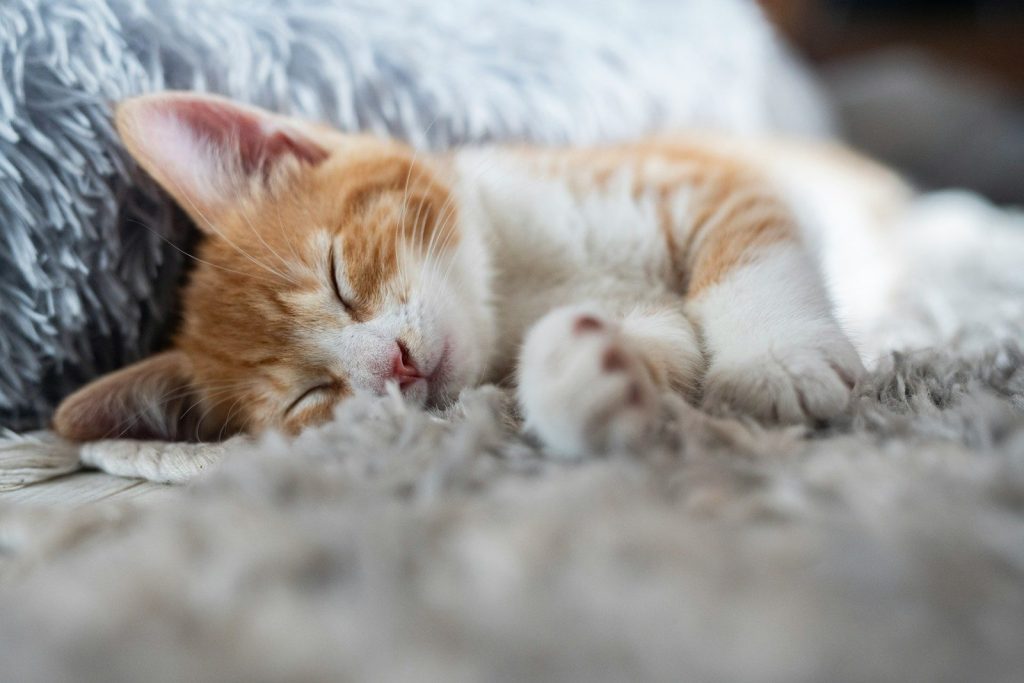
Not all cats behave the same way at bedtime. Some cats are calm and sleep quietly through the night. These cats can be easy and comforting sleep partners who fit well into a human sleep schedule.
However, other cats may wake their owners during the night. Some may walk on the bed, demand food, or become active at odd hours. Experts say this kind of behavior can turn bedtime into a nightly struggle instead of a restful routine.
Health and hygiene concerns to consider

Veterinarians say that health and hygiene are important when sharing a bed with a cat. Even indoor cats can carry parasites, bacteria, or allergens. That is why regular vet checkups and parasite prevention are very important.
Keeping the litter box clean also helps reduce risks. Good hygiene habits make co-sleeping safer and more comfortable for both the cat and the owner. Without these steps, sleeping together may not be the best idea for some households.
Possible benefits of sleeping with cats

Many cat owners feel calmer when they sleep next to their pets. A cat’s soft purring and warm body can create a relaxing bedtime environment. Some experts say that purring may even help reduce stress and promote relaxation.
Research also suggests that interacting with cats may lower stress hormones and increase feelings of bonding. While cats are not a medical treatment, their presence can help people feel more peaceful and comforted at night.
When cats should not sleep in bed

There are times when sleeping with cats is not recommended. Experts warn that very young children, especially under two years old, should not share a bed with cats. This is for safety reasons, including the risk of accidental scratching or breathing issues.
People with allergies, asthma, or weakened immune systems may also need to avoid co-sleeping with cats. In some cases, cats may become overly protective of sleeping spaces or disrupt sleep, affecting rest quality.
Kittens and learning sleep habits

Kittens need special care when it comes to sleeping arrangements. They are small, curious, and still learning how to behave in a home. Because of their size and energy, they may be more likely to cause accidents or nighttime disruptions.
Experts suggest that kittens should gradually learn to sleep independently. This helps them adjust to different sleeping situations later in life. Over time, owners can decide whether to allow them into the bed regularly.
Leave a Reply