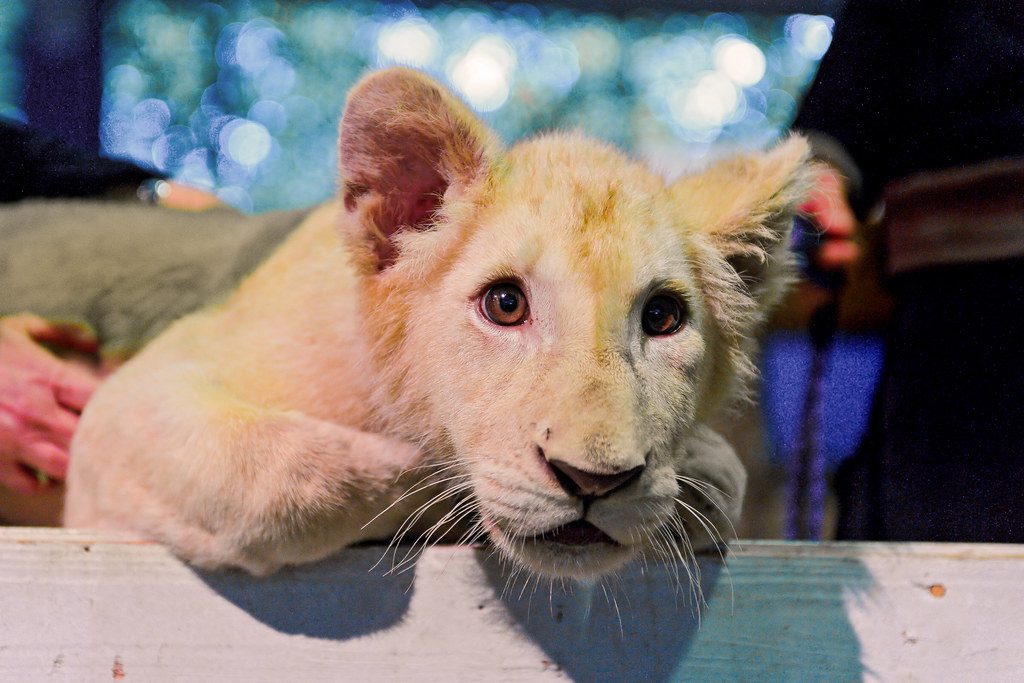
Visitors at London Zoo witnessed an unforgettable moment when a lion cub ended up in a pond, and its mother reacted immediately. The lioness quickly moved toward the struggling youngster, making several attempts to reach it before finally pulling the cub safely back onto dry land.
The dramatic scene highlighted the powerful maternal instincts that help lionesses protect their young during the earliest stages of life.
A frightening moment near the pond
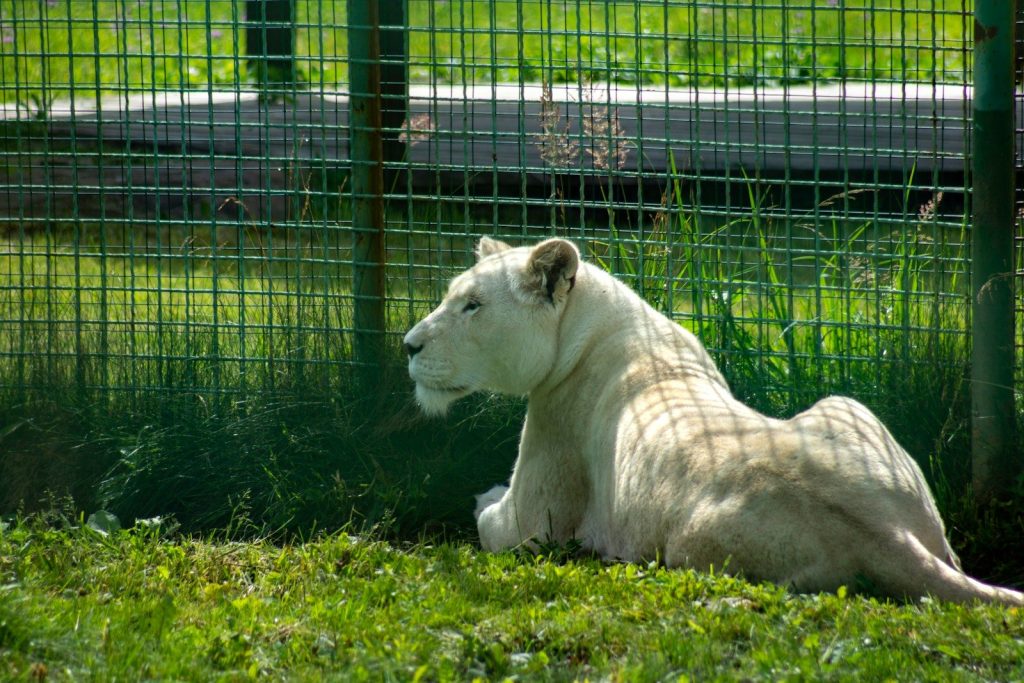
The incident began when the cub entered the water and struggled to climb back onto the bank. As soon as the lioness recognized the situation, she focused entirely on retrieving her offspring.
Although the rescue looked dramatic, large cats are capable swimmers, and lionesses are known to respond rapidly whenever their cubs appear to be in danger.
A mother determined to help
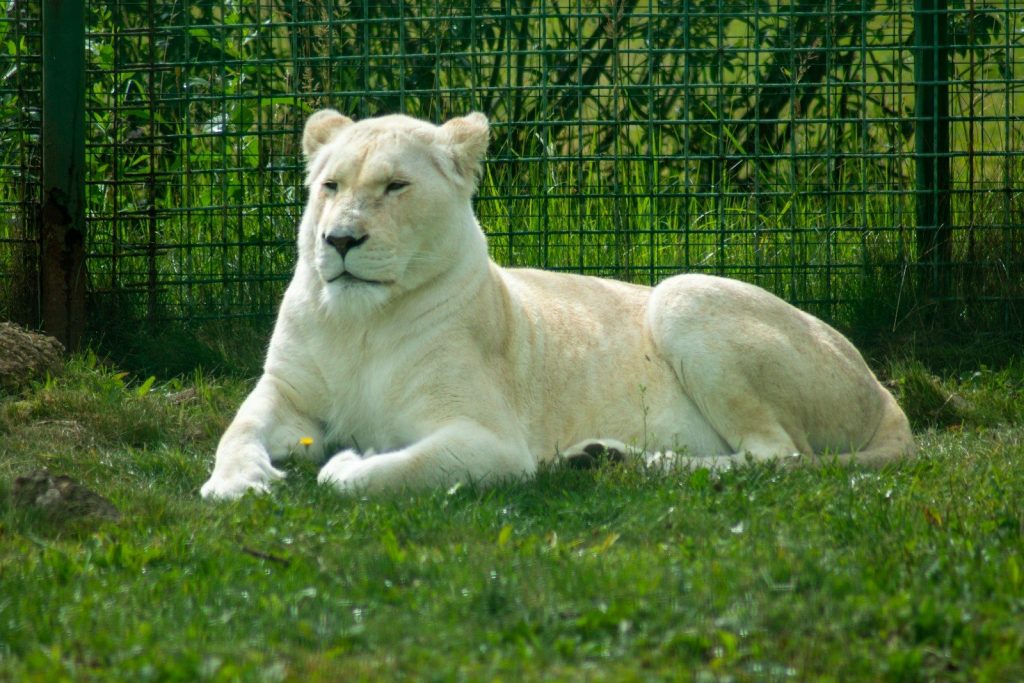
Rather than abandoning the cub, the lioness repeatedly reached toward it until she found a secure grip. After several attempts, she successfully pulled the youngster from the pond and guided it back to safety.
This behavior reflects the strong bond between lionesses and their cubs during the first years of life.
How lionesses protect their cubs
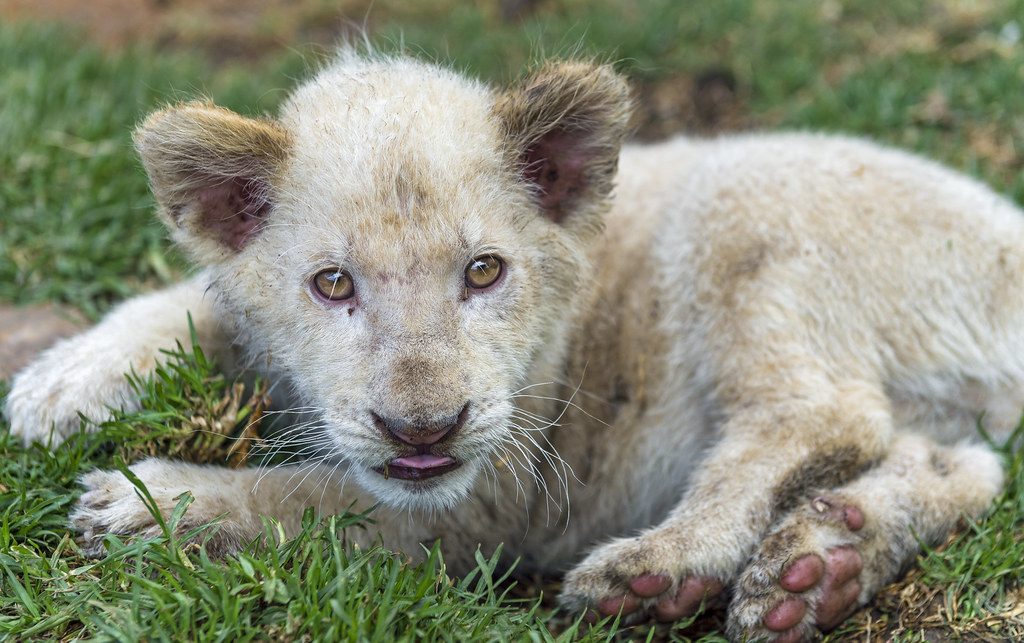
In the wild, lion cubs face threats from predators, accidents, and even unfamiliar lions. Mothers stay close to their offspring, moving them between den sites and defending them whenever necessary.
Cubs rely heavily on their mothers for food, protection, and survival during their early months.
Lions are stronger swimmers than many people realize
Although lions are not as aquatic as tigers, they can swim when necessary. Wild lions occasionally cross rivers, cool off in water, or navigate flooded areas while following prey.
Young cubs, however, are less experienced and may require assistance if they encounter deep water or steep banks.
Zoos help visitors understand animal behavior
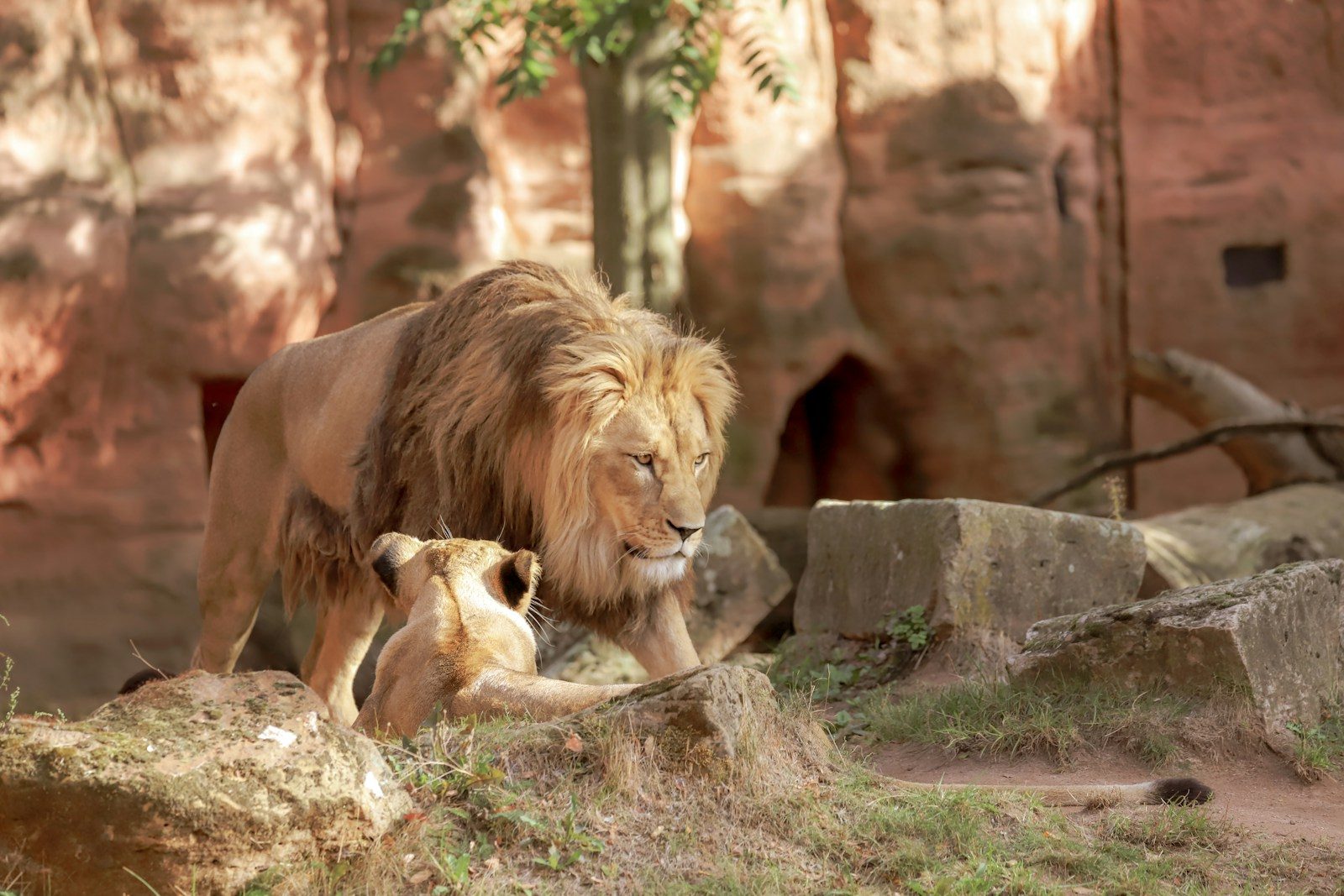
Moments like this give zoo visitors an opportunity to observe natural parental behavior that is rarely seen so clearly in the wild. Keepers continuously monitor animals to ensure their welfare while allowing parents to care for their young whenever appropriate.
Observations of these behaviors also contribute to a better understanding of lion development and family dynamics.
A reminder of nature’s powerful family bonds
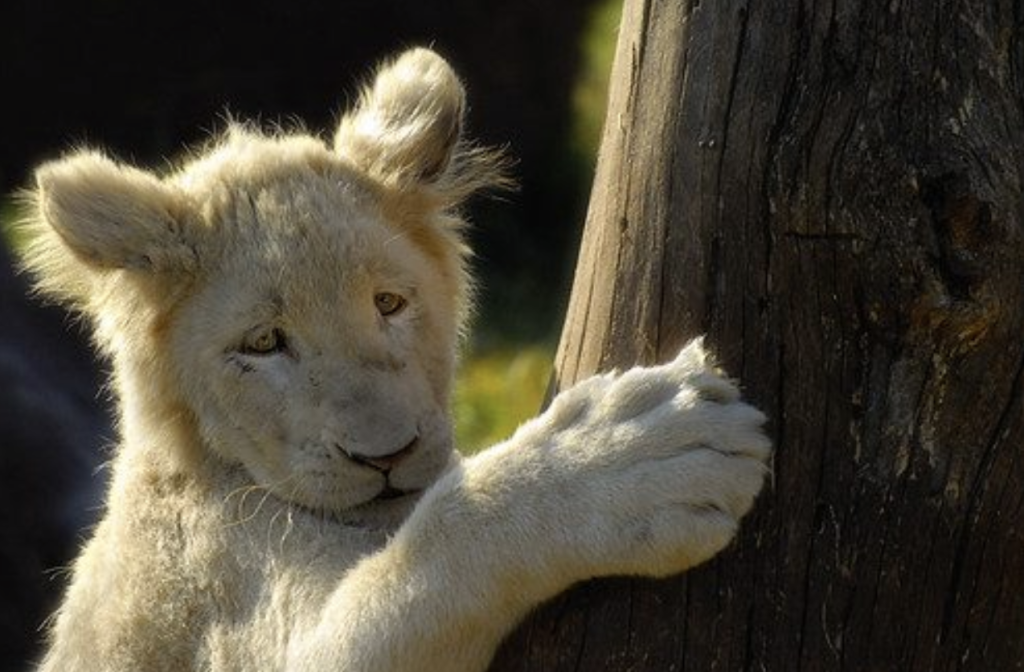
The lioness’s quick response demonstrated the importance of maternal care in the animal kingdom. While people should avoid interpreting every animal behavior through human emotions, scientists recognize that parental investment plays a vital role in the survival of many mammal species.
This memorable rescue also reminds us why conserving lion populations remains so important, allowing future generations to continue observing these remarkable animals.
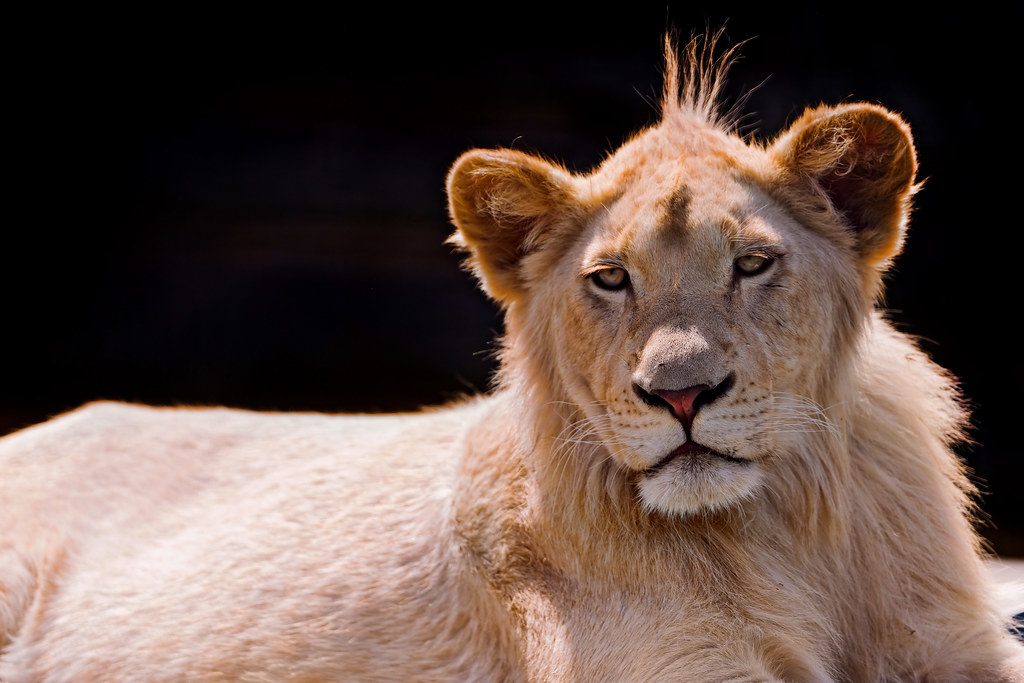
Featured Image: “Jambo, the white lion cub!” by Tambako the Jaguar is licensed under CC BY-ND 2.0
Leave a Reply