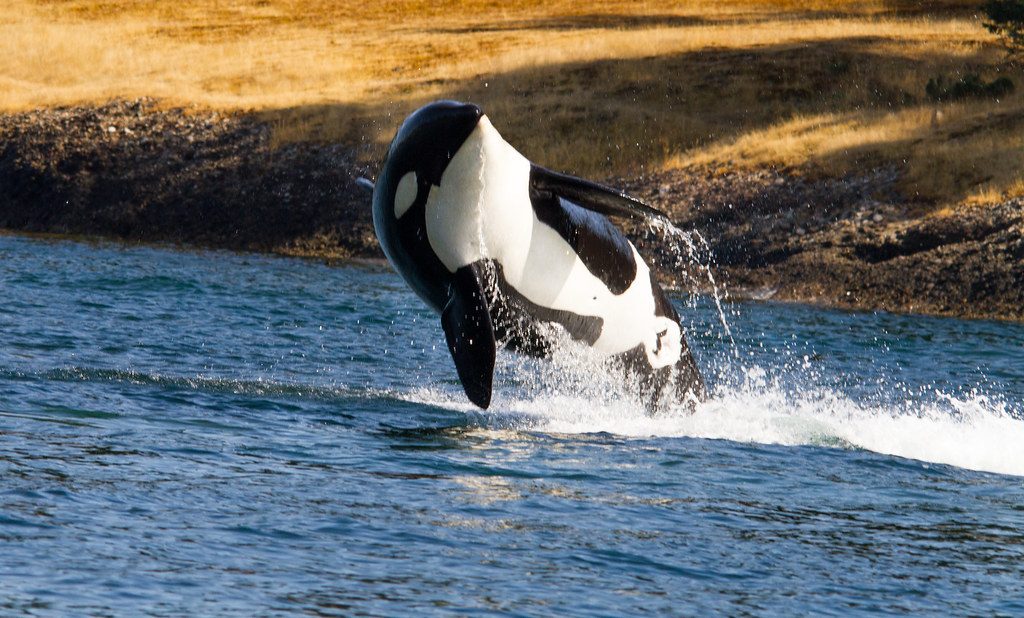
Orcas, also known as killer whales, are among the ocean’s most capable predators. They work together to hunt seals, sharks, dolphins, and even large whales using intelligence and cooperation that rival those of the most advanced animals on Earth. Yet despite their strength, wild orcas almost never attack humans.
Even recent incidents involving damaged or sunken boats have shown that the animals often interact with vessels without directing aggression toward the people aboard. Scientists continue studying why some of nature’s top predators behave this way.
Powerful predators with remarkable intelligence
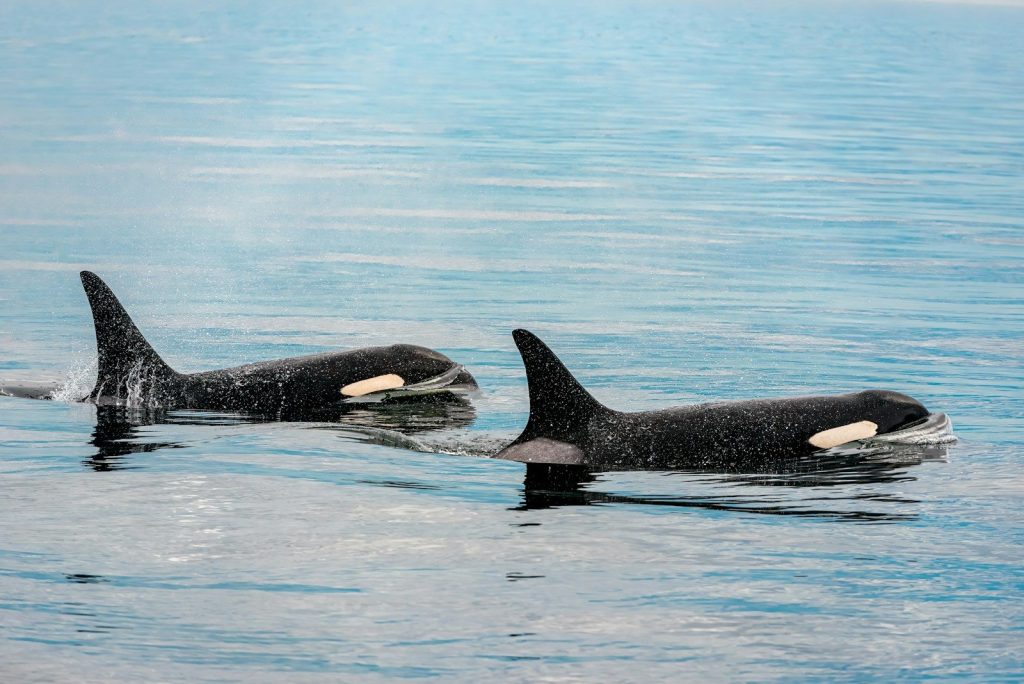
Orcas are the largest members of the dolphin family and live in oceans around the world. They communicate using complex vocalizations, hunt cooperatively, and pass knowledge between generations through social learning.
Different populations have developed unique hunting traditions, with some specializing in fish while others target marine mammals or sharks.
Why humans are rarely seen as prey

Unlike many opportunistic predators, orcas often specialize in particular types of food that are learned from their family groups. Young whales grow up observing what their pod hunts and typically continue those feeding habits throughout life.
Researchers believe this cultural learning helps explain why humans are generally not included in their natural diet.
Boat interactions are not the same as attacks

Since 2020, a small group of Iberian orcas has repeatedly interacted with sailing vessels, sometimes damaging rudders and, in a few cases, causing boats to sink. Although these incidents can be dangerous, researchers have found no evidence that the whales were attempting to hunt or attack the people involved.
The exact reason for this unusual behavior remains under investigation.
Other apex predators also avoid people
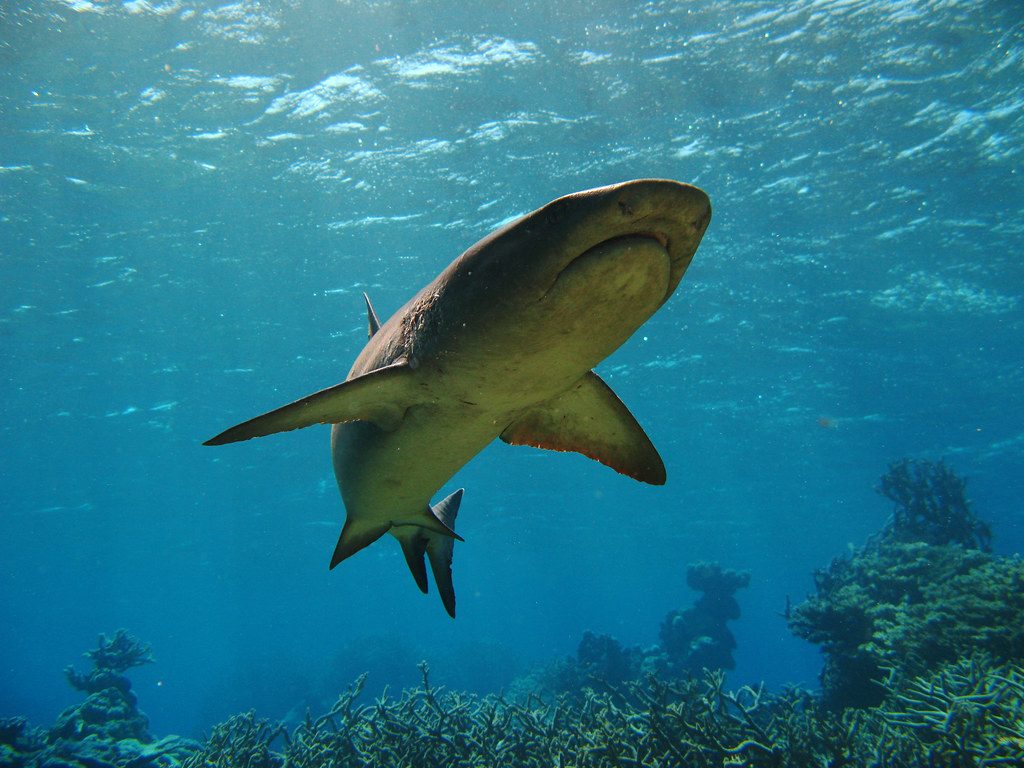
Orcas are not the only powerful predators that usually avoid humans. Most shark species are not interested in people as prey, and attacks remain extremely rare compared with the number of human interactions in the ocean.
Many large predators appear to balance curiosity with caution, avoiding unnecessary risks when encountering unfamiliar animals.
Intelligence may encourage caution
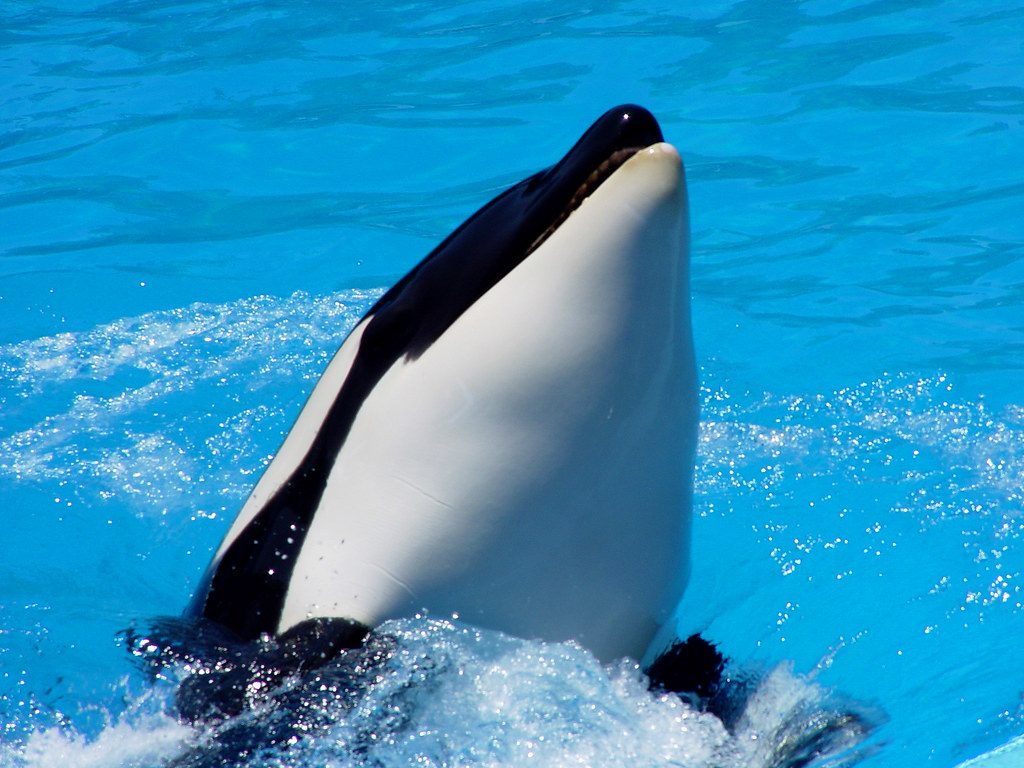
Highly intelligent predators constantly evaluate potential risks and rewards. Hunting unfamiliar prey can result in injury, wasted energy, or failure, making it less attractive than pursuing well-known food sources.
Scientists think this ability to assess situations may contribute to why some apex predators show restraint around humans.
Respect remains essential
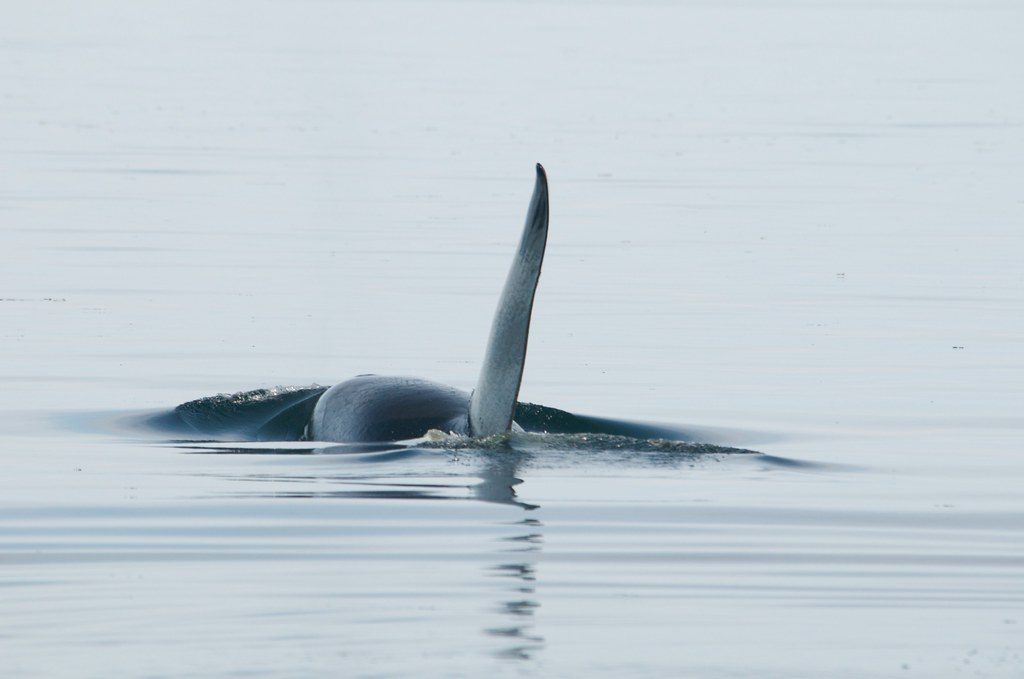
Although attacks are exceptionally rare, wild orcas are still large, powerful animals that deserve space and respect. Marine experts recommend observing them from appropriate distances and avoiding attempts to touch, feed, or interfere with their natural behavior.
Understanding these remarkable predators helps replace fear with informed respect while supporting conservation efforts that protect healthy marine ecosystems.
Leave a Reply