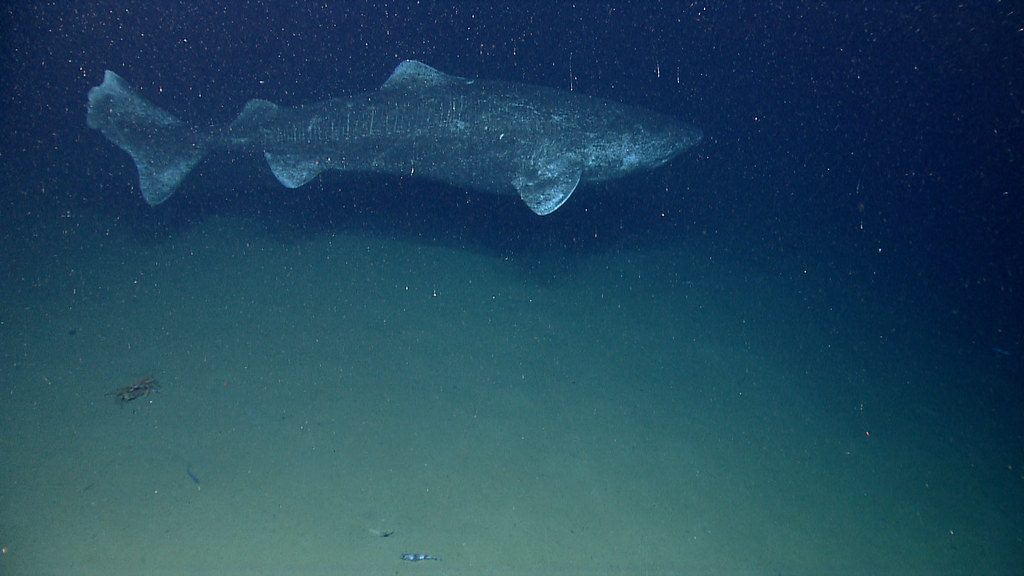
The Greenland shark is one of the most mysterious animals in the ocean. While most predators live for a few decades, this slow-moving giant can survive for more than 400 years, making it the longest-lived vertebrate ever discovered. Some Greenland sharks swimming today may have been alive before many major events in modern history took place.
Living in the icy waters of the Arctic and North Atlantic, the Greenland shark spends its life in deep, dark environments far from human eyes. Its incredible lifespan, unusual hunting habits, and ancient origins have fascinated scientists for years. Here is a closer look at the predator that seems to have escaped the passage of time itself.
A shark older than modern civilization
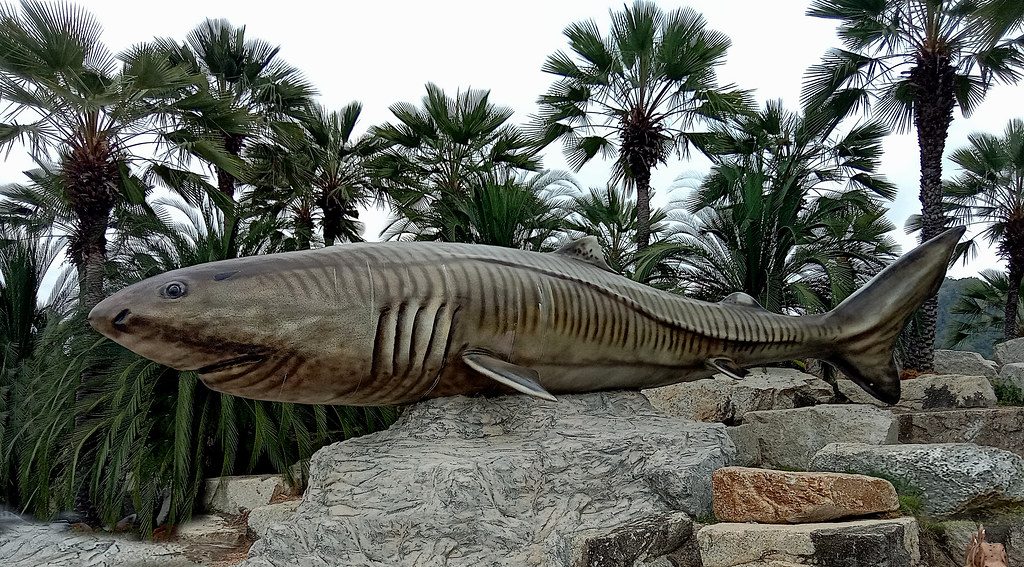
The Greenland shark has attracted worldwide attention for its astonishing age. Scientists estimate that some individuals can live for more than 400 years, while some age estimates suggest certain sharks may survive even longer. This makes the species the longest-lived vertebrate known on Earth.
To put that into perspective, a shark born in the early 1600s could still be swimming today. Entire civilizations, wars, and technological revolutions have come and gone during the lifetime of a single Greenland shark.
How scientists discovered its incredible age
Determining the age of a shark is not easy because sharks do not have bones that can be counted like tree rings. Researchers instead studied material found in the lenses of Greenland shark eyes and used radiocarbon dating techniques to estimate their age.
The results shocked the scientific community. The oldest sharks examined were estimated to be hundreds of years old, with one famous study suggesting an age range between 272 and 512 years for the largest individuals.
Life in the freezing Arctic darkness
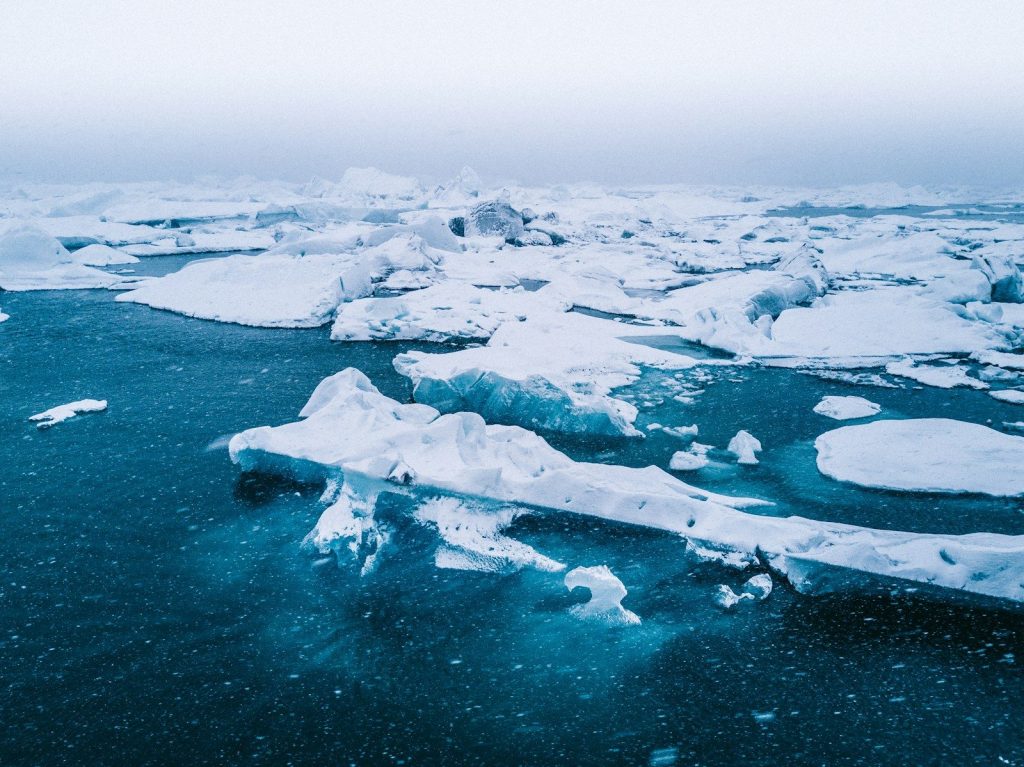
Greenland sharks live in some of the coldest waters on Earth. They are found in the Arctic and North Atlantic oceans, often at great depths where sunlight barely reaches, and temperatures remain near freezing year-round.
These harsh conditions help shape their unique lifestyle. The cold environment slows their metabolism, allowing them to conserve energy and possibly contributing to their remarkable longevity. Scientists believe this slow pace of life is one reason they can survive for centuries.
The predator that hunts at a slow pace
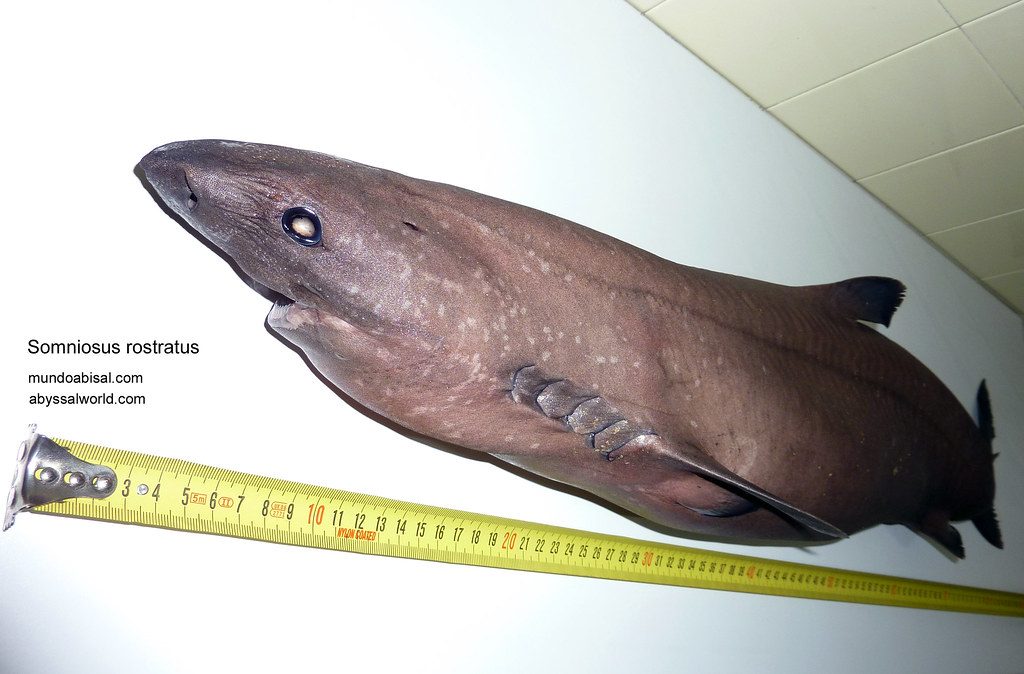
Unlike fast predators such as great white sharks or makos, Greenland sharks move slowly through the water. Their relaxed swimming speed has earned them the nickname “sleeper sharks.” Yet they remain successful hunters despite their sluggish appearance.
Researchers have found evidence that Greenland sharks feed on a variety of prey. Their strategy relies less on speed and more on patience, stealth, and taking advantage of opportunities in the dark depths where they spend most of their lives.
Why Greenland sharks live so long
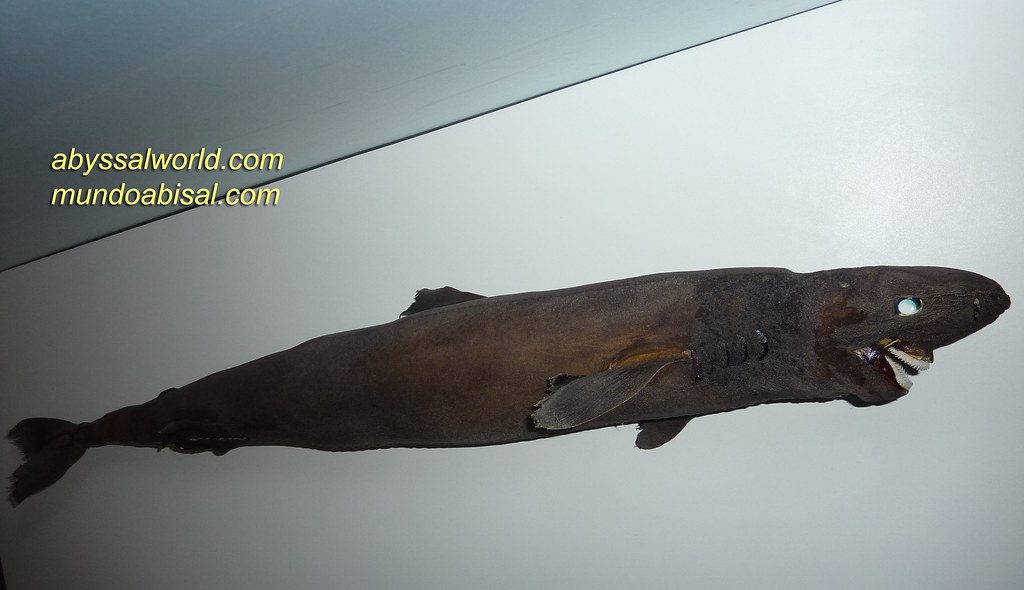
One of the biggest mysteries surrounding Greenland sharks is how they avoid many of the problems associated with aging. Their extremely slow growth rate and delayed maturity are unlike almost any other vertebrate species. Females may not reach maturity until around 150 years of age.
Scientists are now studying the shark’s genetics to understand how it survives for so long. Early research suggests that unique adaptations involving DNA repair, immune function, and protection against cellular damage may play a role in its extraordinary lifespan.
A living relic from another era
The Greenland shark feels like a survivor from another world. It has inhabited cold northern oceans for countless generations while maintaining a body design that has worked successfully for millions of years. Scientists describe it as an evolutionary success story.
Because these sharks live so long and reproduce very slowly, protecting them is especially important. Every individual represents centuries of survival, making the Greenland shark not only one of the ocean’s oldest predators but also one of its most remarkable living treasures.
Leave a Reply