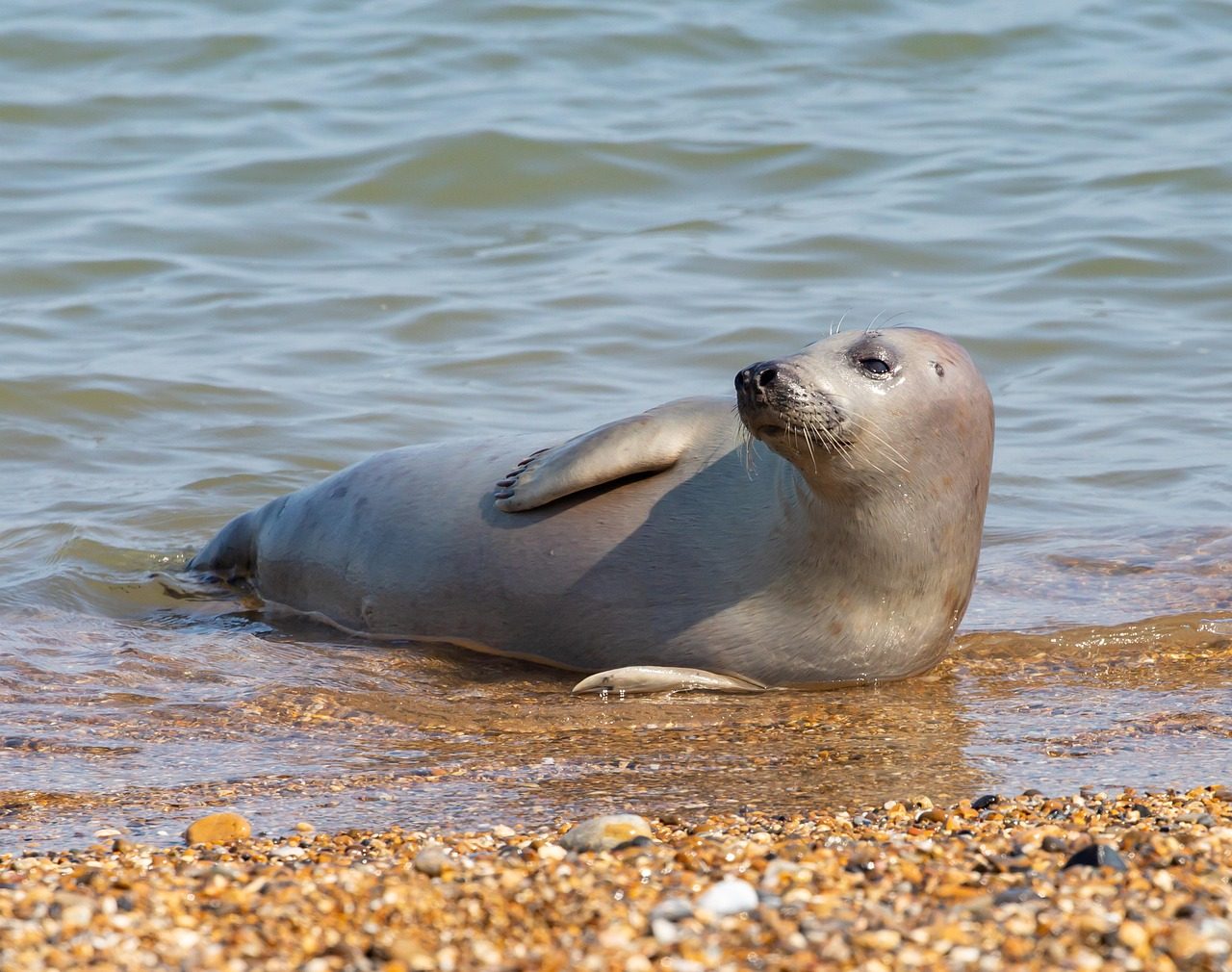
A young seal struggling beneath tangled plastic and abandoned fishing gear became the focus of a dramatic wildlife rescue after rescuers discovered the exhausted animal dragging the debris across the shoreline.
Every movement required extra effort, and the entanglement threatened its ability to swim, feed, and survive. Thanks to a carefully planned rescue, the seal was freed before the injuries became fatal, highlighting one of the growing dangers facing marine mammals worldwide.
Ghost gear is a silent killer
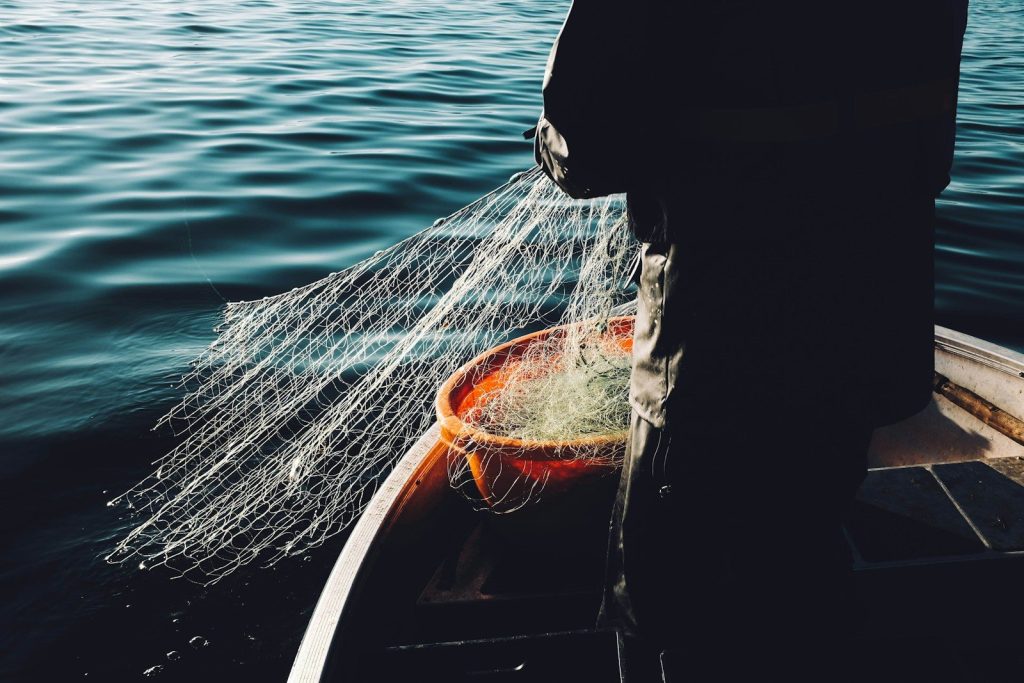
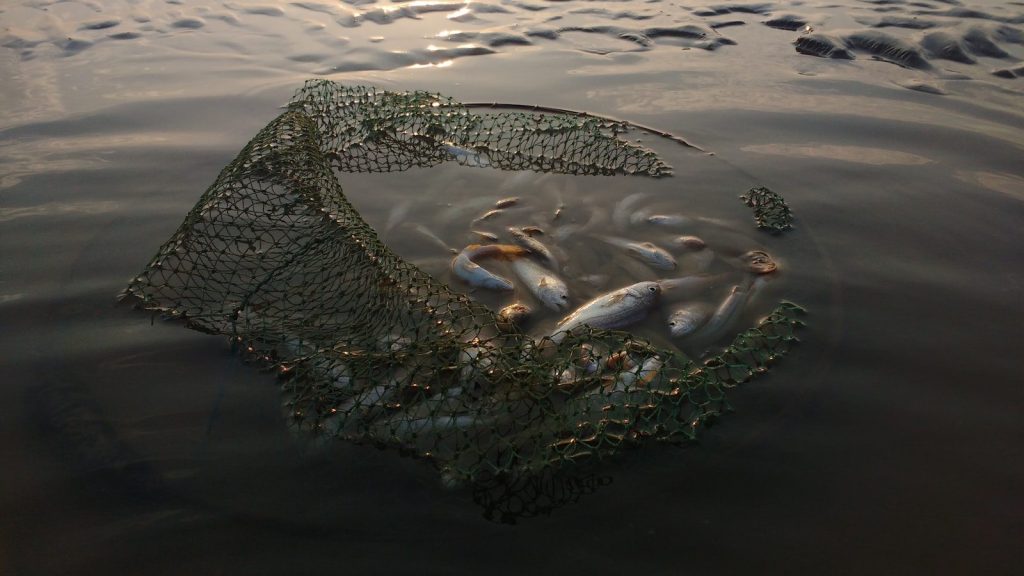
Ghost gear refers to fishing nets, ropes, traps, and lines that have been lost or abandoned in the ocean. Unlike many forms of marine litter, this equipment continues trapping wildlife long after it has been discarded.
Seals, sea lions, dolphins, whales, turtles, and seabirds can all become entangled, often suffering severe injuries or drowning if they cannot escape.
How plastic harms seals
As seals swim and grow, ropes or plastic bands wrapped around their bodies tighten over time. These materials can cut through skin and muscle, restrict movement, reduce the ability to hunt, and lead to infection or starvation.
Even when an animal survives, untreated entanglements may cause permanent injuries that affect its ability to live normally in the wild.
A careful rescue operation
Approaching an entangled wild seal requires specialized training. Frightened animals often struggle or bite, making rescue dangerous for both the seal and responders.
Authorized wildlife teams use specialized tools and carefully planned techniques to remove life-threatening debris while minimizing additional stress or injury.
Why prevention matters
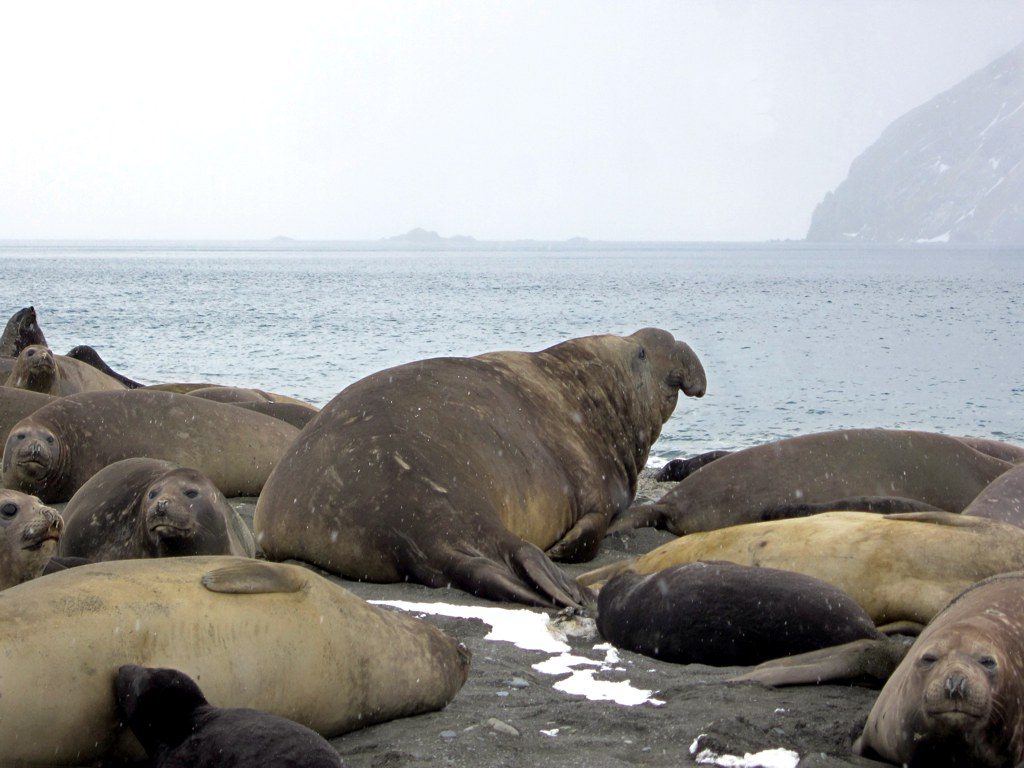
Although rescue teams save many animals every year, preventing entanglement is far more effective than responding after it happens. Proper disposal of fishing gear, reducing plastic pollution, and recovering lost equipment can dramatically reduce risks to marine wildlife.
Many conservation groups now work with fishing industries to prevent ghost gear from entering the ocean in the first place.
Marine debris affects entire ecosystems
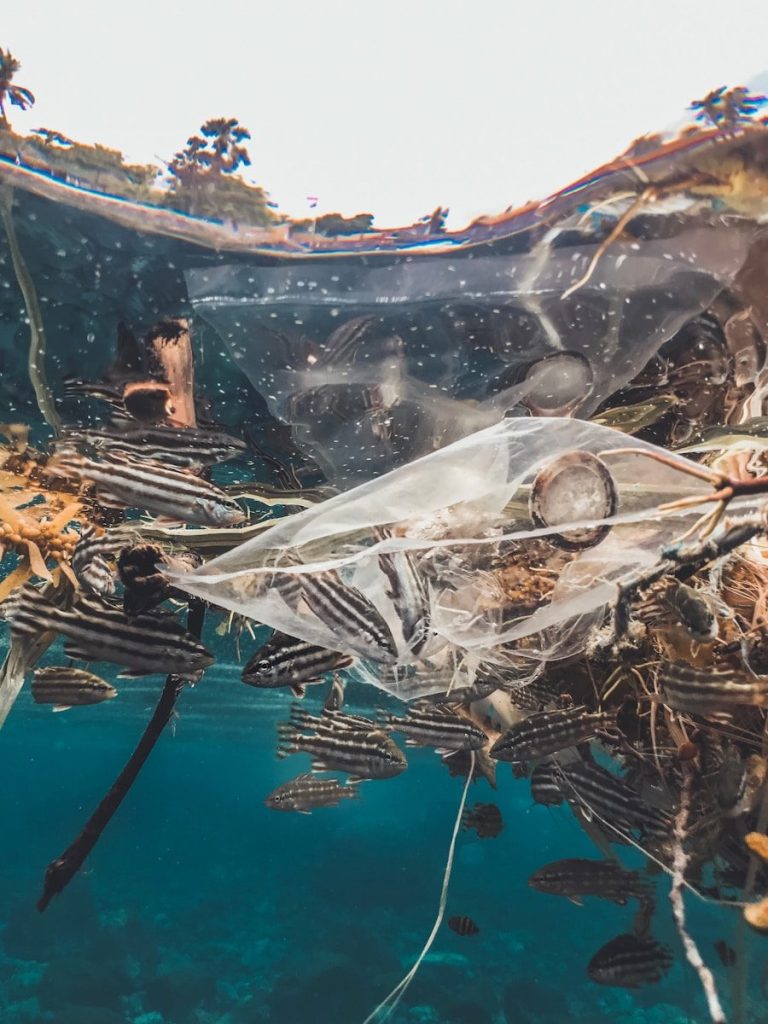
Ghost gear not only threatens seals. It continues to trap fish, turtles, dolphins, whales, seabirds, and countless other marine species for years after it is lost.
Because synthetic fishing gear breaks down very slowly, abandoned equipment can continue harming wildlife for decades while also contributing to microplastic pollution.
Every rescue raises awareness
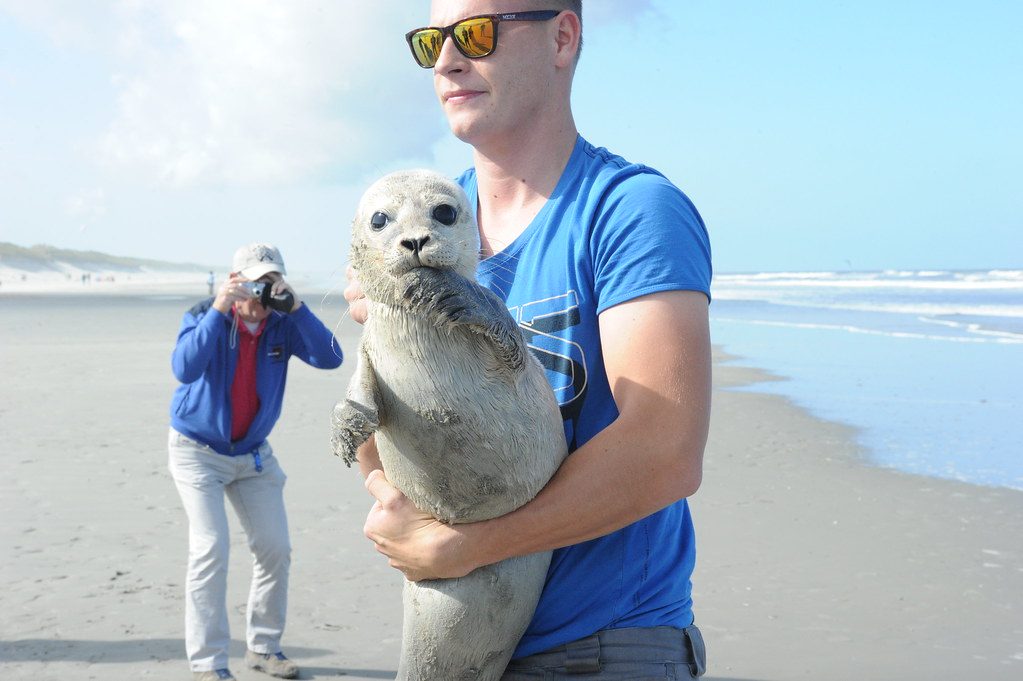
Each successful rescue demonstrates both the dedication of trained wildlife responders and the importance of protecting oceans from preventable pollution. While one rescued seal receives another chance to survive, the larger lesson is that reducing marine debris benefits entire ecosystems.
By disposing of waste responsibly, supporting cleanup efforts, and reporting entangled wildlife to authorized rescue organizations, people can help reduce one of the most persistent human-caused threats facing marine mammals today.
Leave a Reply