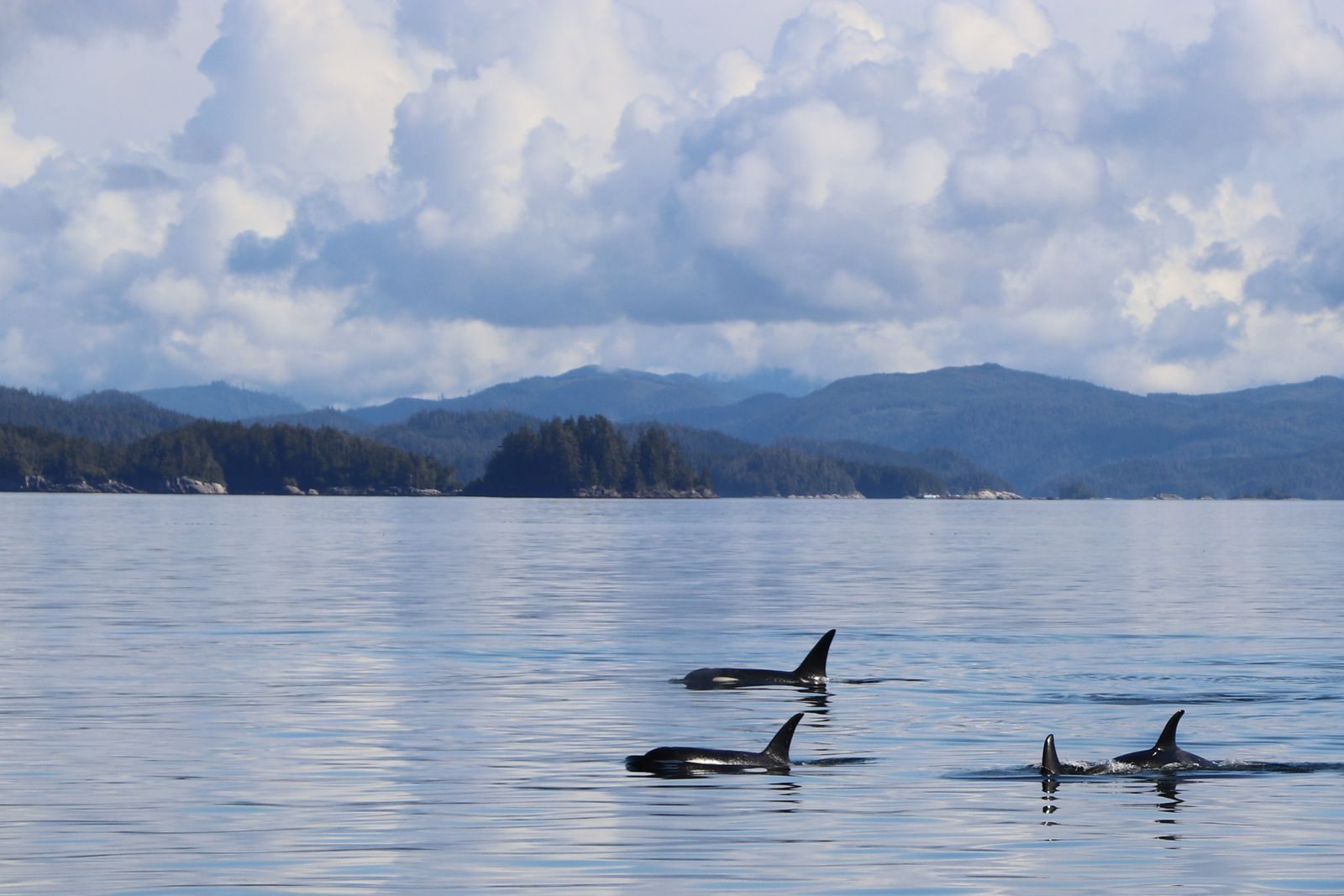
Orcas, also known as killer whales, are among the most intelligent and capable predators in the ocean. Rather than relying on size alone, they use teamwork, communication, and carefully coordinated hunting strategies to capture prey.
In some remarkable cases, a small pod of orcas has been observed working together to overpower whales many times their size. These hunts showcase one of the most sophisticated examples of cooperative behavior in the animal kingdom.
Orcas are the ocean’s top predators
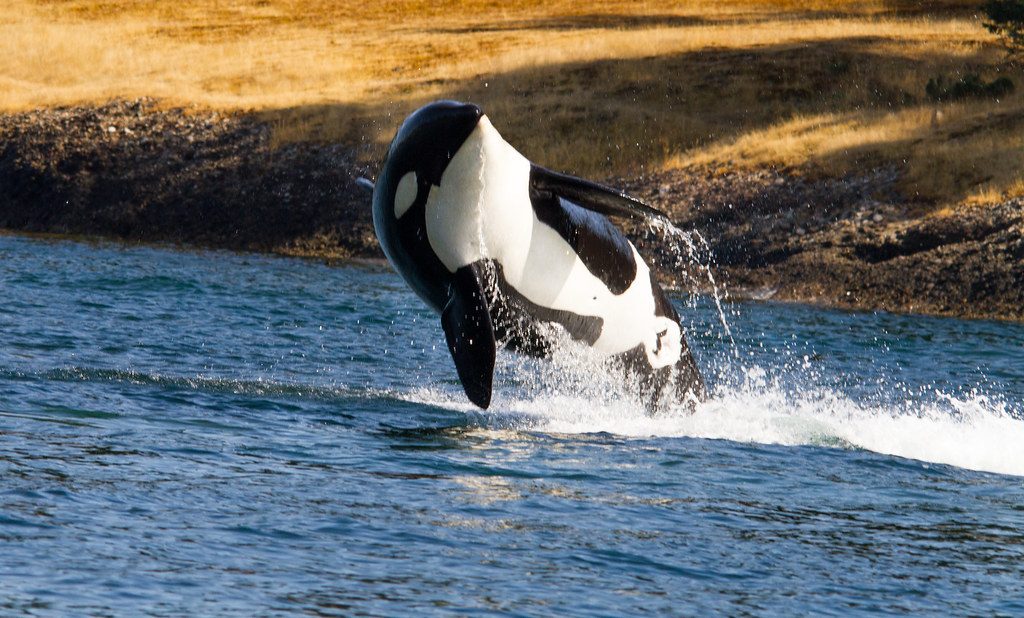
Orcas are the largest members of the dolphin family and live in every ocean on Earth. Different populations specialize in different prey, with some feeding mainly on fish while others hunt seals, dolphins, sharks, and even large whales.
Because healthy adult orcas have virtually no natural predators, scientists classify them as apex predators.
Teamwork gives them a major advantage
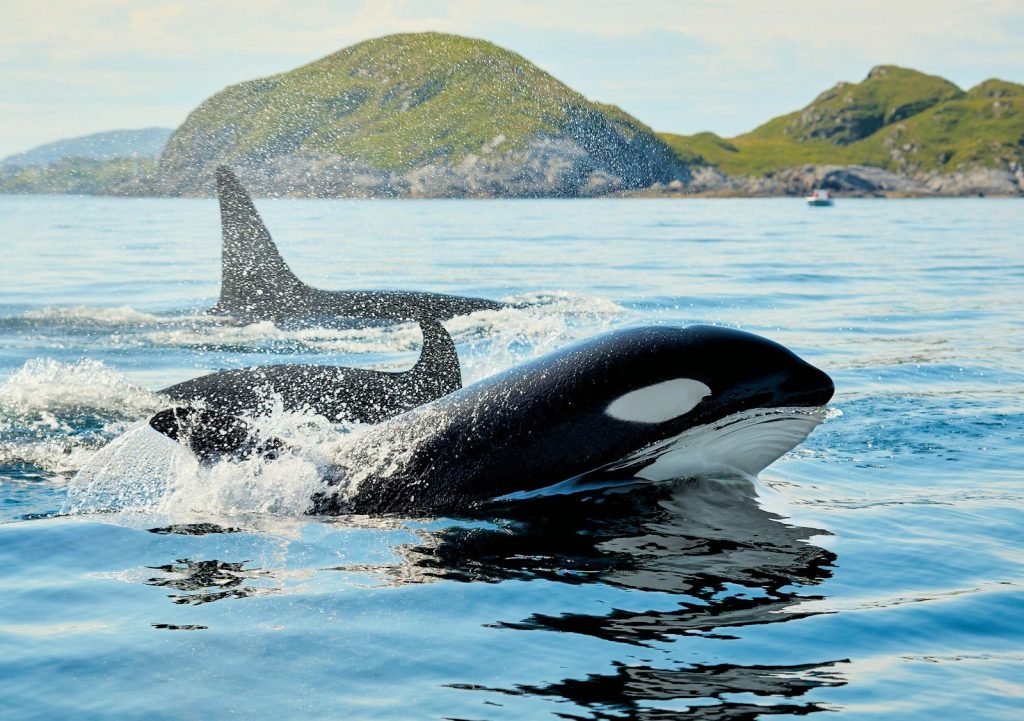
Unlike solitary hunters, orcas depend heavily on cooperation. Pod members communicate constantly through calls and body movements while coordinating their positions during a hunt.
Research shows that individual whales often take on different roles during cooperative hunting, increasing the group’s overall success. Long-term social bonds also allow pods to refine these techniques over generations.
Hunting whales requires a strategy
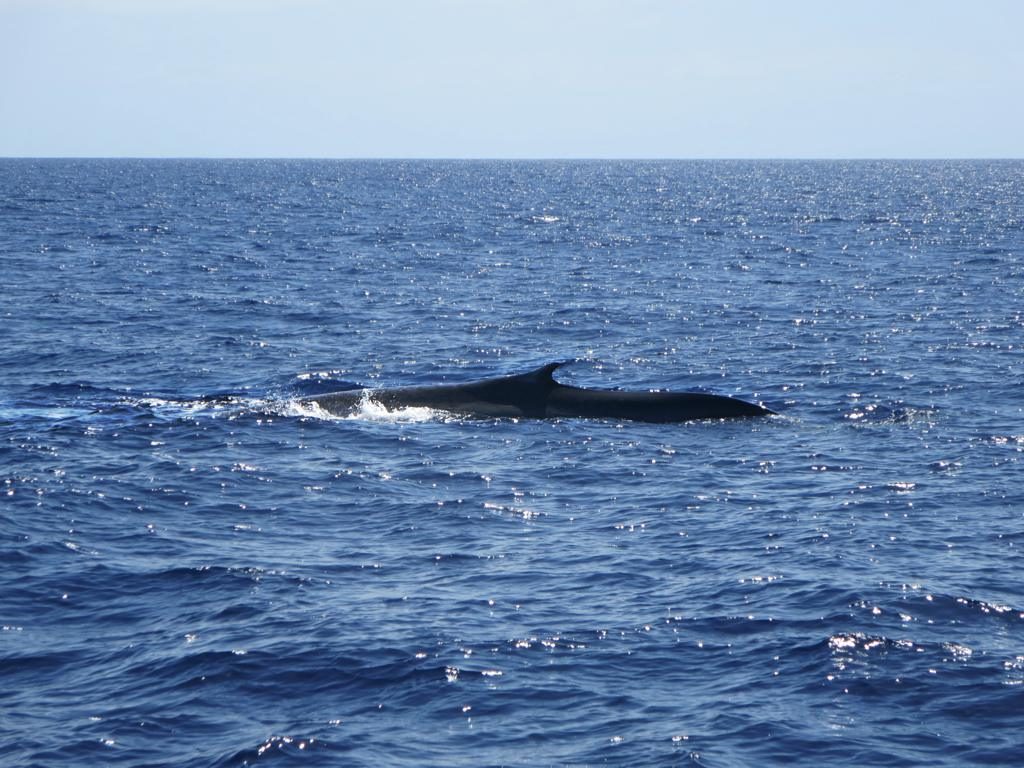
When targeting large whales, orcas rarely rely on a single attack. Instead, they may surround the animal, separate vulnerable calves from adults, or repeatedly strike and exhaust their target over an extended period.
Scientists have documented pods working together to restrict a whale’s movement and, in some cases, prevent it from surfacing normally to breathe. These coordinated attacks require precise timing and communication.
Intelligence shapes every hunt
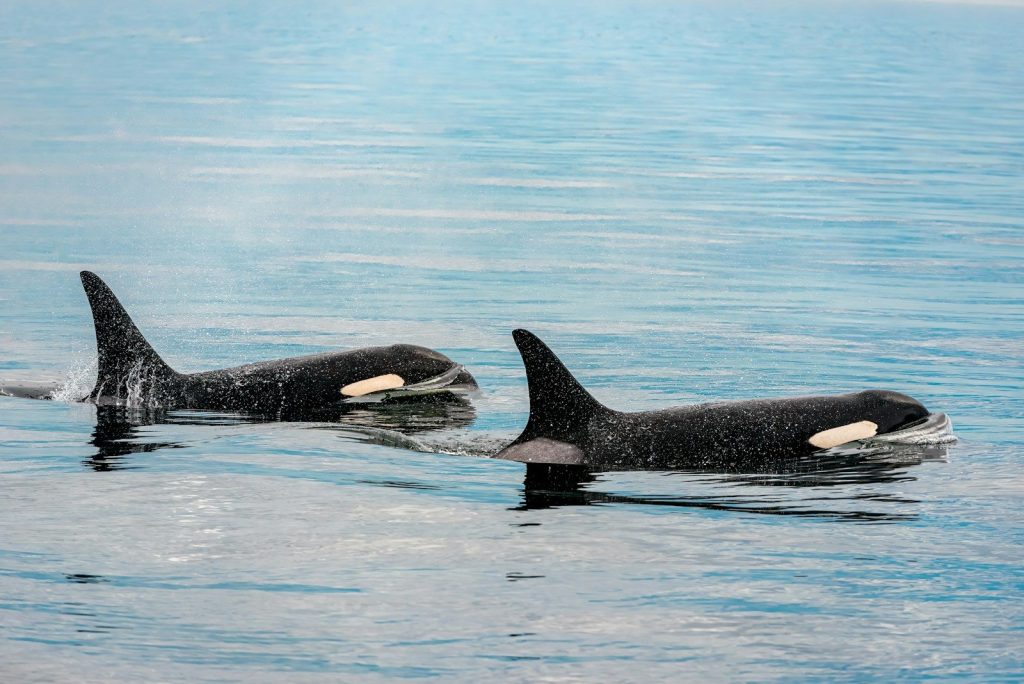
Orcas possess large brains and complex social structures. Young whales learn hunting techniques by observing experienced pod members, and many behaviors are passed from one generation to the next.
Different populations even develop distinct hunting traditions, demonstrating a form of animal culture rarely seen outside a handful of highly intelligent species.
Every pod hunts differently
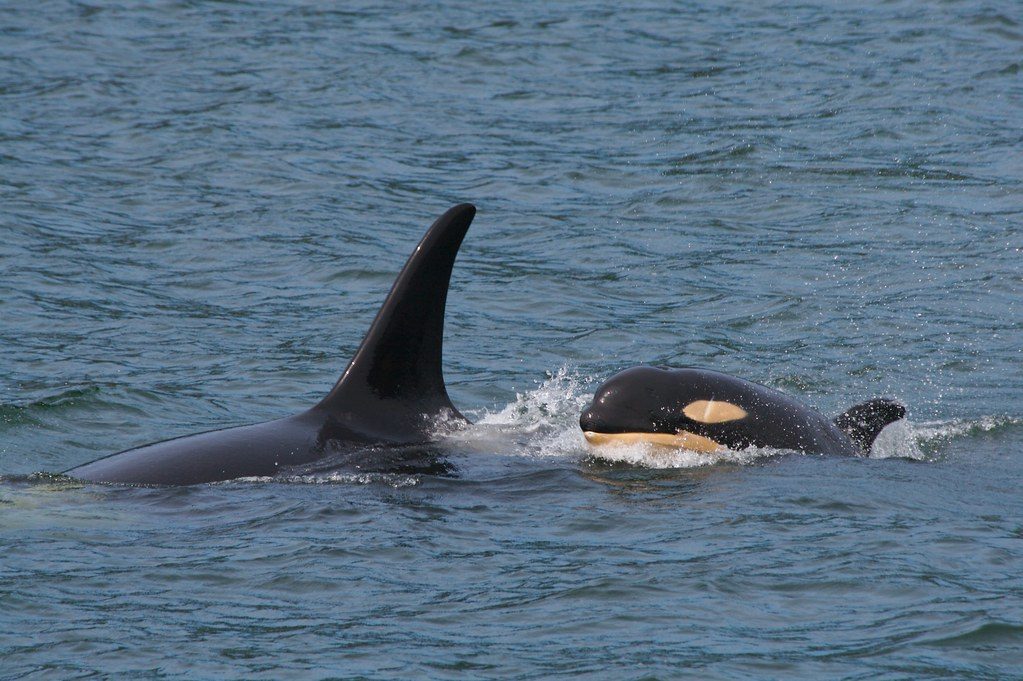
Not all orcas hunt the same prey. Resident populations often specialize in fish such as salmon, while transient populations focus on marine mammals. Other populations have developed unique techniques for catching sharks, rays, seabirds, or whales.
These dietary specializations show how adaptable orcas have become across oceans worldwide.
Why these hunts fascinate scientists
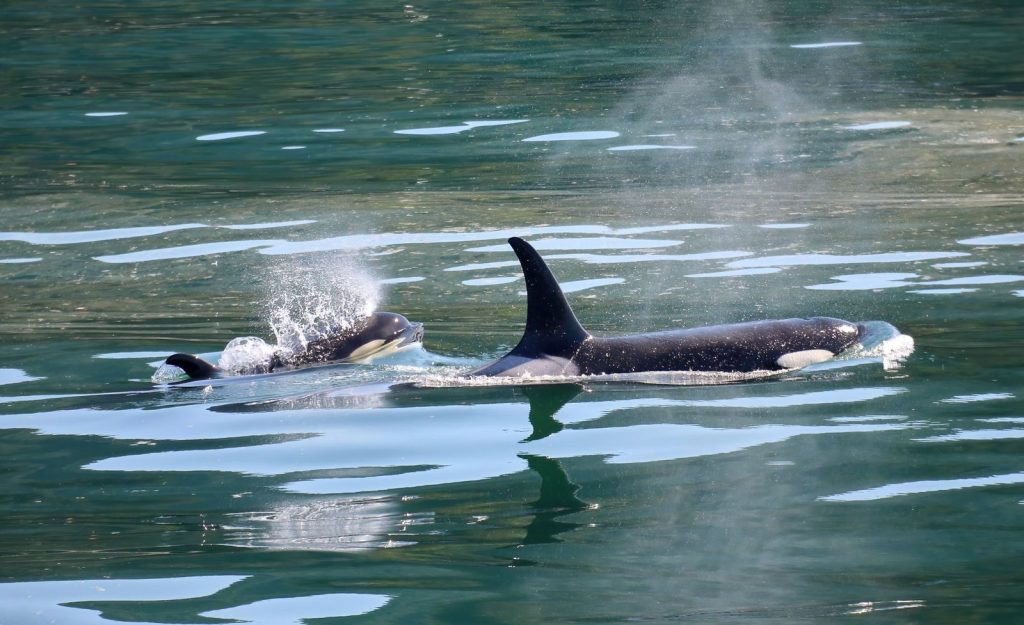
Watching orcas hunt provides valuable insight into animal intelligence, communication, and social learning. Their ability to cooperate, divide responsibilities, and adapt to different prey makes them one of the most studied predators in marine biology.
Each documented hunt helps researchers better understand how these remarkable marine mammals evolved into some of the ocean’s most effective hunters.
Leave a Reply