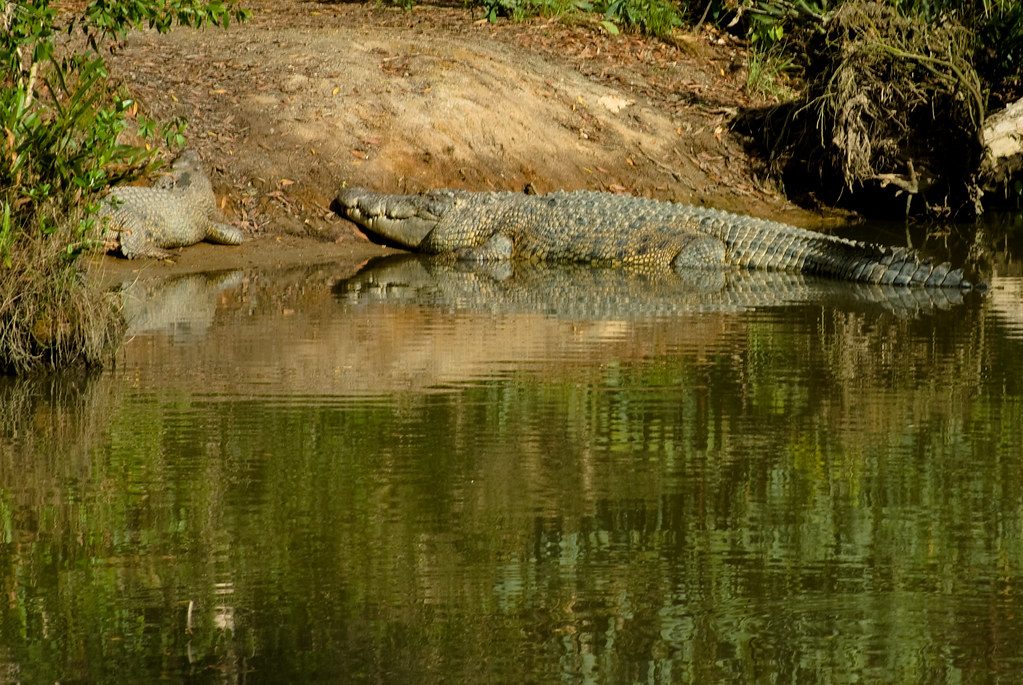
A relaxing evening at a popular beach in Puerto Vallarta turned into a tragedy when a crocodile attacked a 28-year-old man near Marina Vallarta Beach. Tourists nearby rushed to help after hearing screams, but the rescue came too late.
The incident has renewed attention on crocodile safety in coastal areas where people and wildlife increasingly share the same environment. This article explains what happened, why crocodiles are being seen more often near tourist destinations, and how experts recommend staying safe in areas where these powerful reptiles live.
A peaceful evening turned tragic
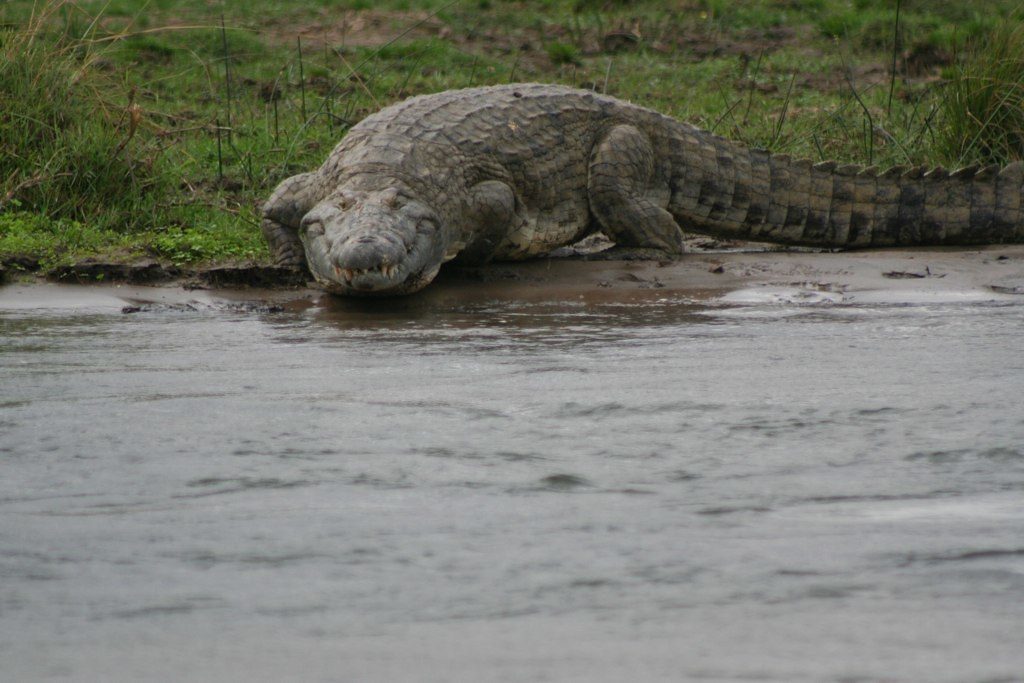
The attack happened around 6:30 p.m. near Marina Vallarta Beach in Puerto Vallarta, Mexico. Witnesses initially believed the man had become caught in a strong current after hearing calls for help.
A California couple staying nearby tried to rescue him by throwing a life preserver and later paddling toward him in a kayak. Before they could reach him, the crocodile dragged the man underwater. His body was recovered about 12 hours later.
Why crocodiles are appearing near beaches
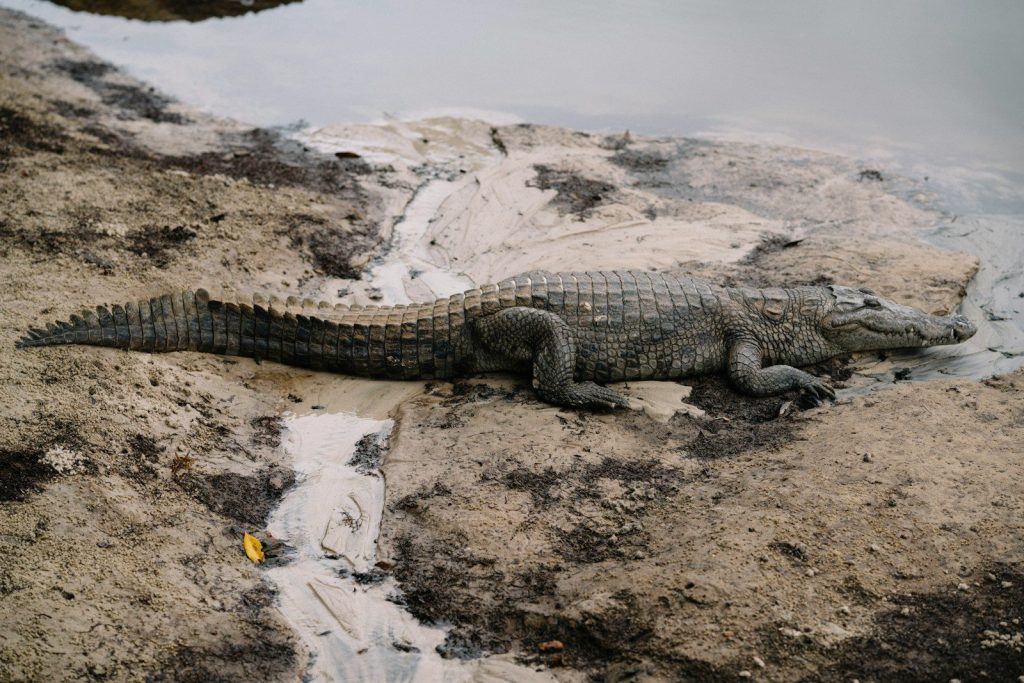
Puerto Vallarta is home to American crocodiles that naturally inhabit rivers, estuaries, mangroves, and coastal lagoons. During the rainy season, rising water levels can expand their range and bring them closer to beaches and resort areas.
Experts also say urban growth has reduced some natural habitats, increasing the chances that crocodiles and people will encounter each other. As development expands, wildlife is often forced to move through areas used by residents and tourists.
Warning signs may not always be enough
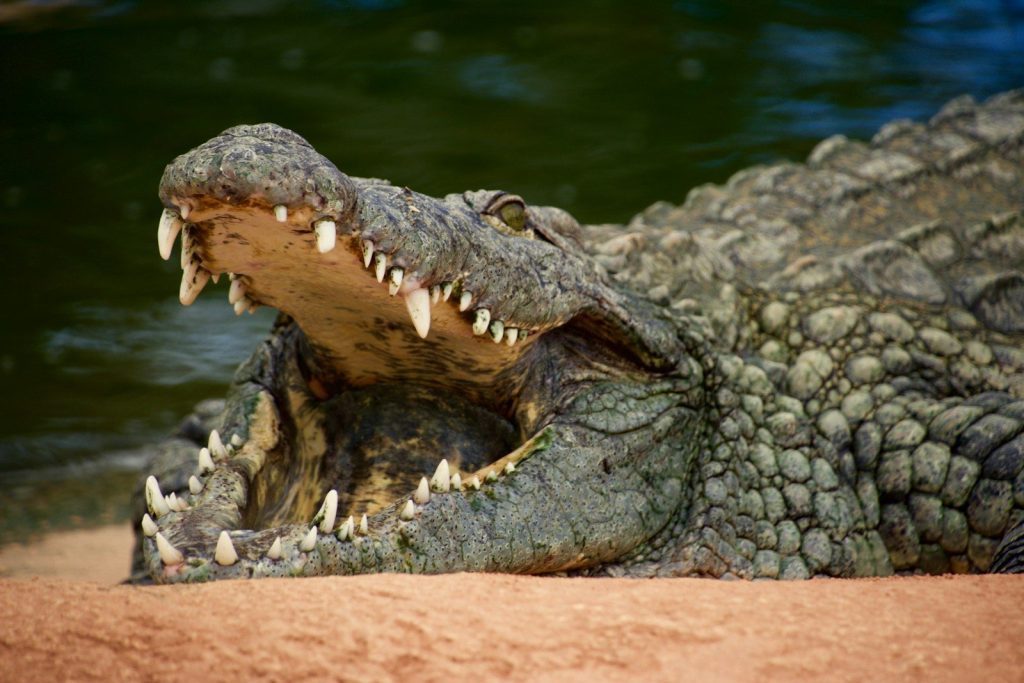
Witnesses said warning signs near the beach mentioned crocodiles along with other natural hazards such as jellyfish and stingrays. However, some visitors said they did not fully recognize the danger before the attack.
Following the incident, some visitors called for clearer warnings and additional safety measures. Authorities have increased surveillance in areas where crocodiles are known to appear, while investigations into the incident continue.
Crocodile attacks remain uncommon
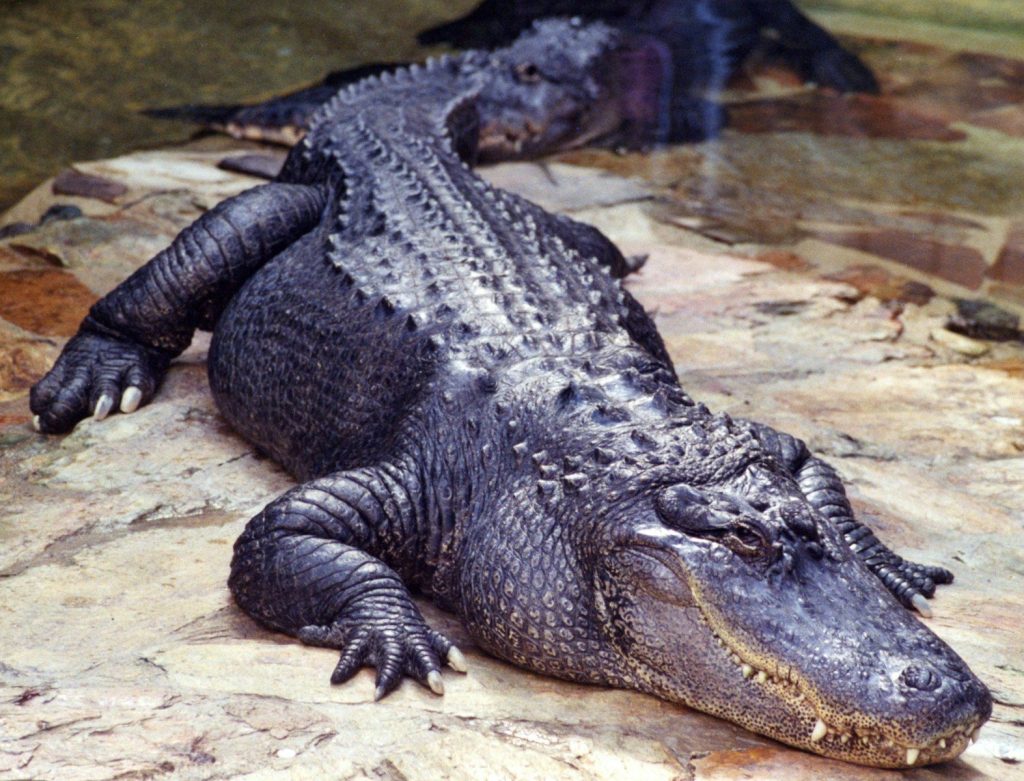
Although crocodile attacks receive widespread attention, fatal encounters remain rare compared with the large number of people who visit coastal regions each year. Most crocodiles avoid people whenever possible.
Risk increases when people enter waters connected to estuaries, rivers, or mangroves where crocodiles naturally hunt and travel. Wildlife experts recommend treating these habitats with caution, especially during breeding and rainy seasons.
Living alongside wildlife
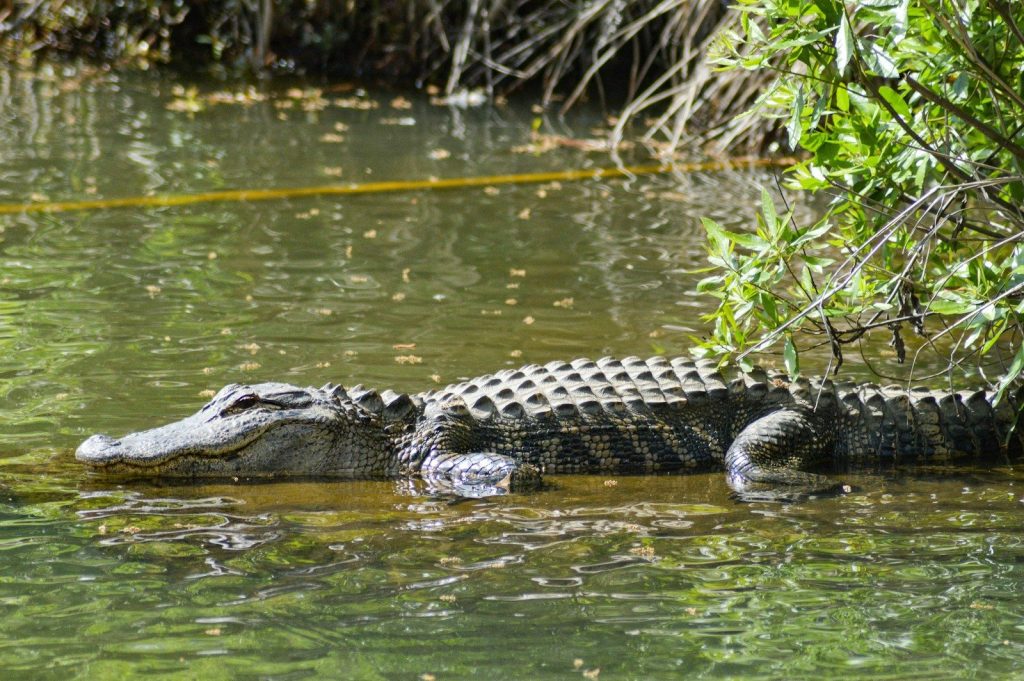
As cities expand into natural habitats, encounters between people and wildlife are becoming more common in many parts of the world. Crocodiles play an important ecological role, but they also require space to live safely away from heavy human activity.
Protecting both people and wildlife depends on education, habitat management, and public awareness. Respecting warning signs and avoiding known crocodile habitats helps reduce unnecessary risks for everyone.
A reminder to respect natural habitats
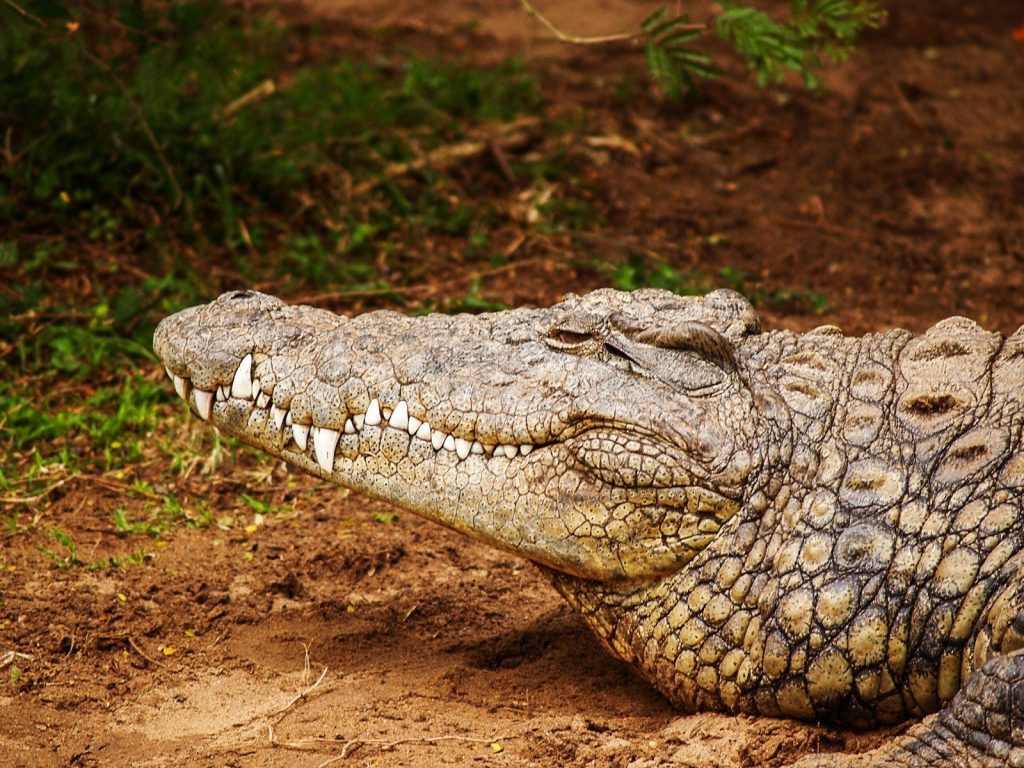
The tragedy in Puerto Vallarta serves as a reminder that wild animals remain unpredictable, even near developed tourist areas. Understanding where crocodiles live and recognizing local warnings can help people make safer decisions.
Conservation and public safety can work together. Protecting natural habitats while improving public awareness helps reduce dangerous encounters without harming wildlife that has lived in these ecosystems for generations.
Leave a Reply