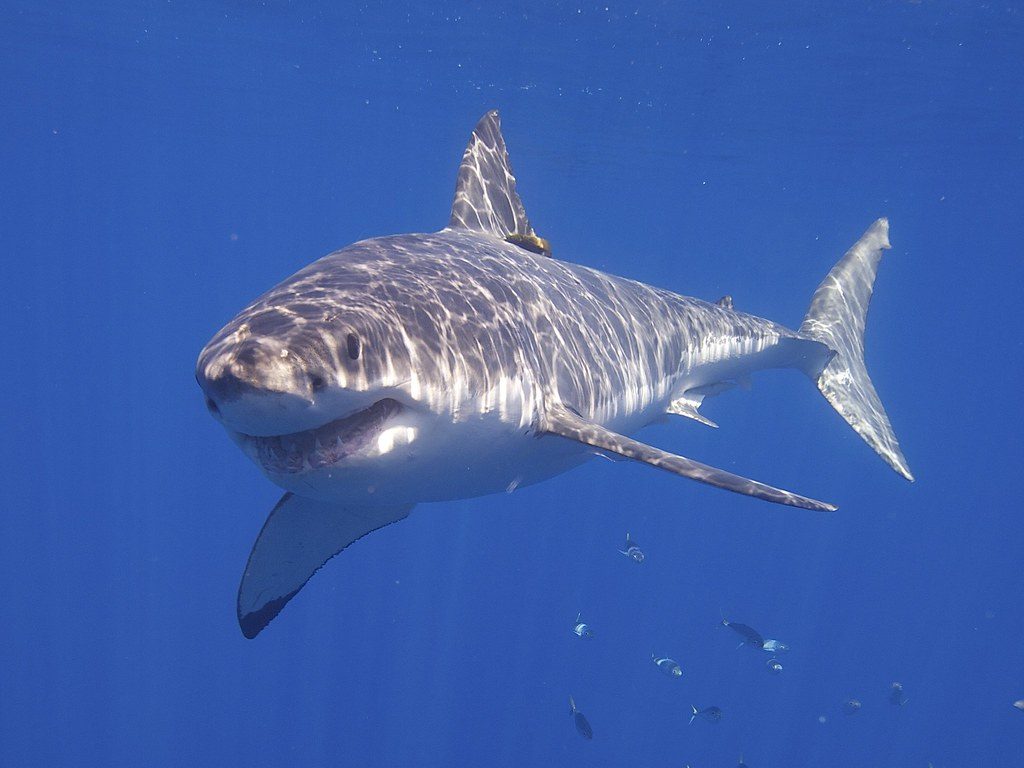
Many people think of sharks as dangerous predators, but their true importance goes far beyond what most people realize. Sharks have been swimming in Earth’s oceans for hundreds of millions of years, helping to maintain the balance of marine ecosystems long before humans appeared.
Healthy oceans are essential for life on Earth. They provide food, help regulate the climate, produce much of the oxygen we breathe, and support countless species. Sharks play a key role in maintaining the proper functioning of these systems. Without them, the effects could ripple throughout the ocean and eventually impact life on land as well.
Sharks help keep ocean ecosystems balanced
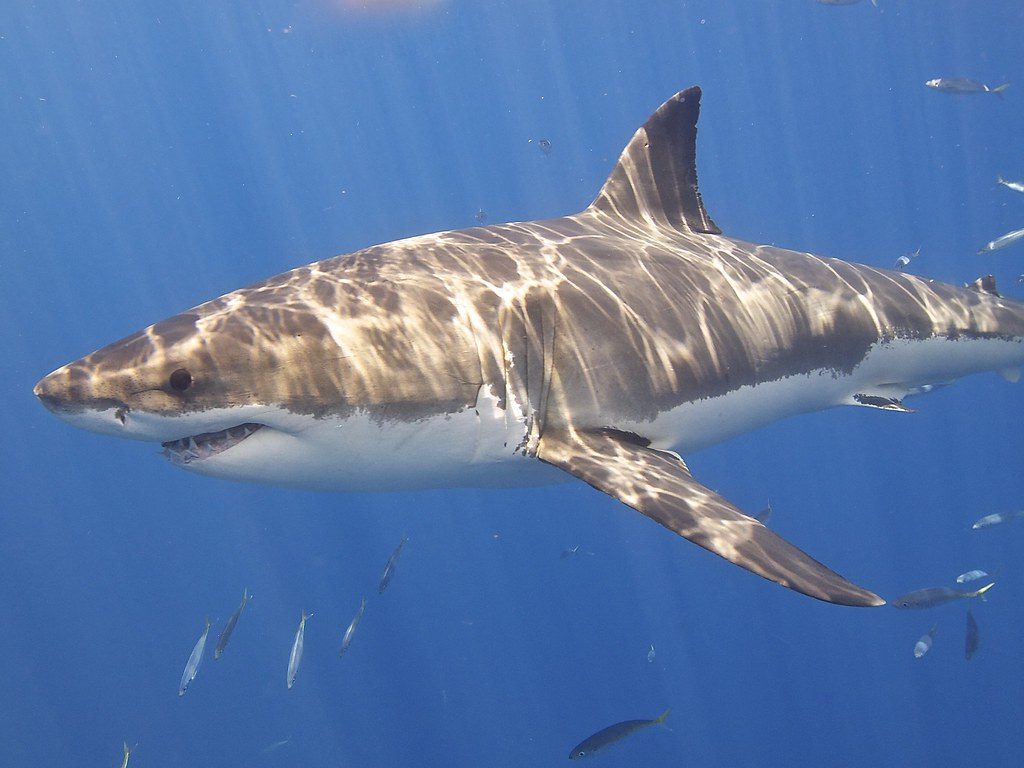
Sharks are among the top predators in many marine ecosystems. Their presence helps regulate the populations of other animals, preventing any one species from becoming too numerous and disrupting the balance of the food web. When predators disappear, entire ecosystems can change in unexpected ways.
By hunting weaker, older, or more vulnerable prey, sharks help maintain healthier populations of marine animals. Their influence extends beyond the animals they eat. Many species change their behavior and habitat use simply because sharks are present, creating a more balanced ecosystem.
Sharks protect important underwater habitats
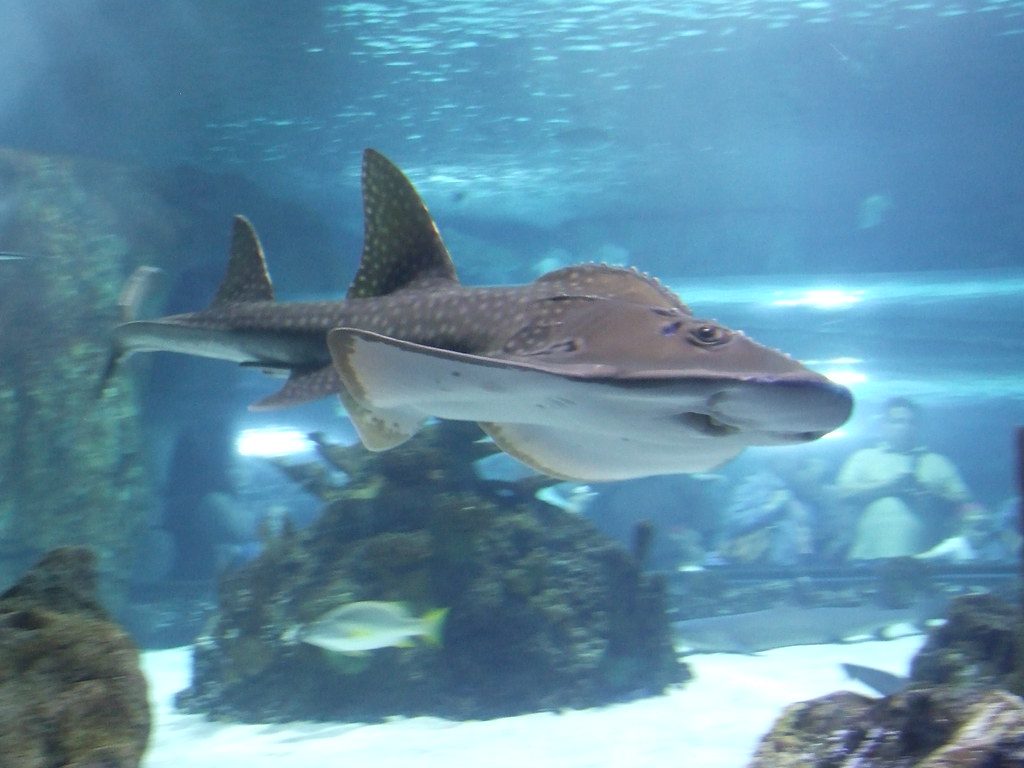
One of the most important ways sharks help the environment is by protecting habitats such as seagrass meadows. Research has shown that predators like tiger sharks influence where grazing animals feed, preventing them from overusing certain areas. This helps seagrass ecosystems remain healthy and productive.
Seagrass meadows are important because they provide shelter for marine life and store large amounts of carbon. When these habitats remain healthy, they continue to support biodiversity and help regulate Earth’s climate. Sharks indirectly contribute to this process by maintaining ecological balance.
Sharks play a role in the carbon cycle
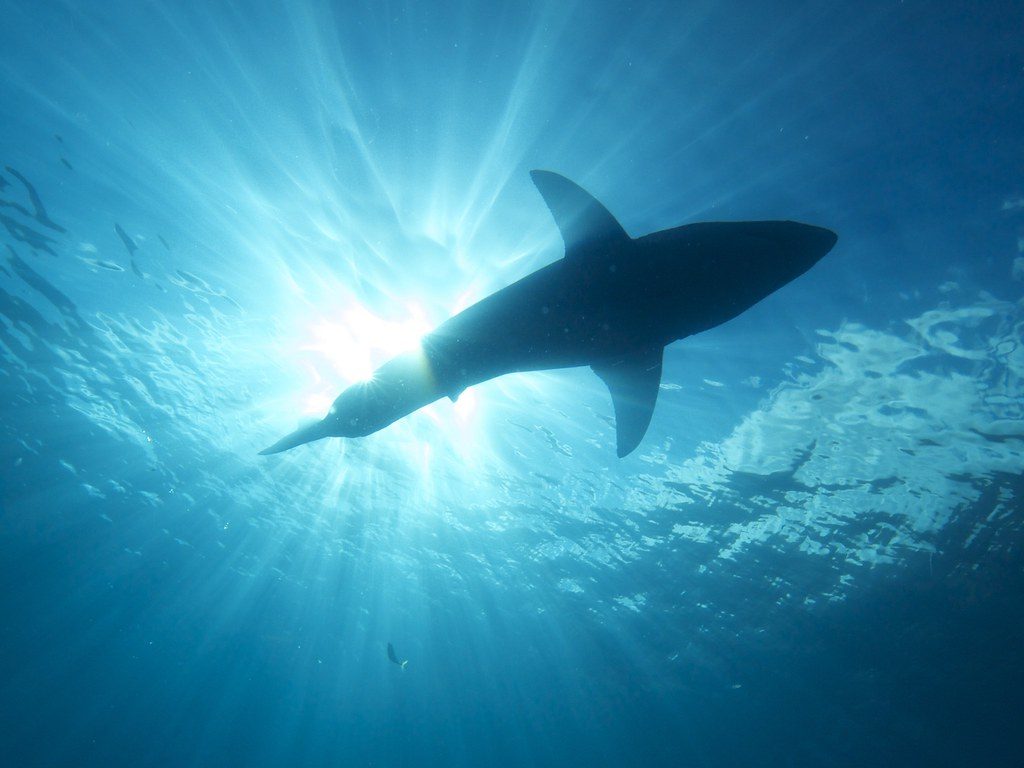
Scientists have discovered that sharks contribute to carbon storage in several ways. By helping maintain healthy seagrass beds and other marine habitats, they support ecosystems that absorb and store atmospheric carbon. These habitats act as natural carbon sinks.
Large sharks also store carbon within their own bodies. In addition, their movements through different parts of the ocean help distribute nutrients throughout marine ecosystems. These processes support ocean productivity and strengthen the ocean’s ability to help regulate the global climate.
Their movements help spread nutrients

Many shark species travel vast distances during their lives. Some migrate across entire ocean basins, while others regularly move between deep and shallow waters. These movements help transport nutrients between different parts of the ocean.
As sharks move through the water, they contribute to nutrient cycling that supports marine food webs. This process benefits many organisms, including tiny plankton that form the foundation of ocean ecosystems. Healthy nutrient cycles help keep marine environments productive and resilient.
Sharks are facing serious threats
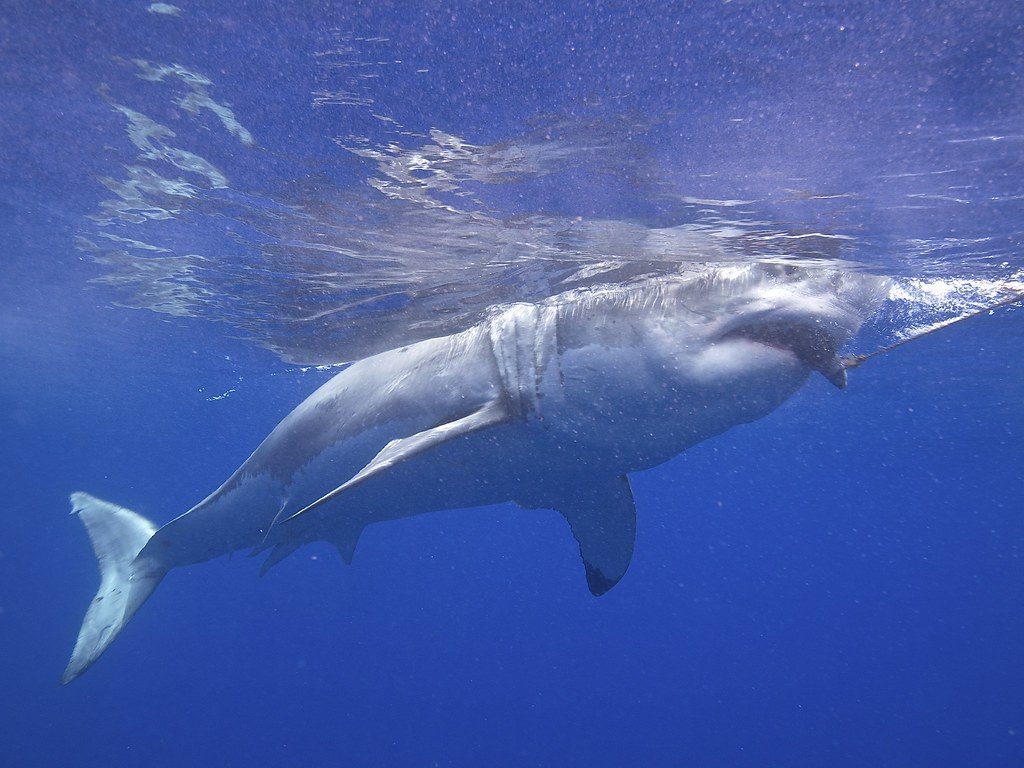
Despite their importance, shark populations have declined significantly in many parts of the world. Overfishing, accidental capture in fishing gear, climate change, and habitat loss have placed increasing pressure on many species. Scientists estimate that a large number of sharks are killed every year through both targeted fishing and bycatch.
Many shark species reproduce slowly, meaning populations can take a long time to recover. As a result, declines caused by human activities can have lasting effects. Conservation groups warn that numerous shark and ray species are now threatened with extinction.
Protecting sharks protects the future

Protecting sharks is not only about saving one group of animals. It is also about preserving the health of the oceans that support life across the planet. Healthy shark populations help maintain biodiversity, strengthen marine ecosystems, and support natural processes that benefit both wildlife and people.
Conservation efforts around the world are focused on reducing overfishing, improving habitat protection, and ensuring shark populations can recover. By protecting sharks today, we help safeguard the future health of the oceans and the countless species, including humans, that depend on them.
Leave a Reply