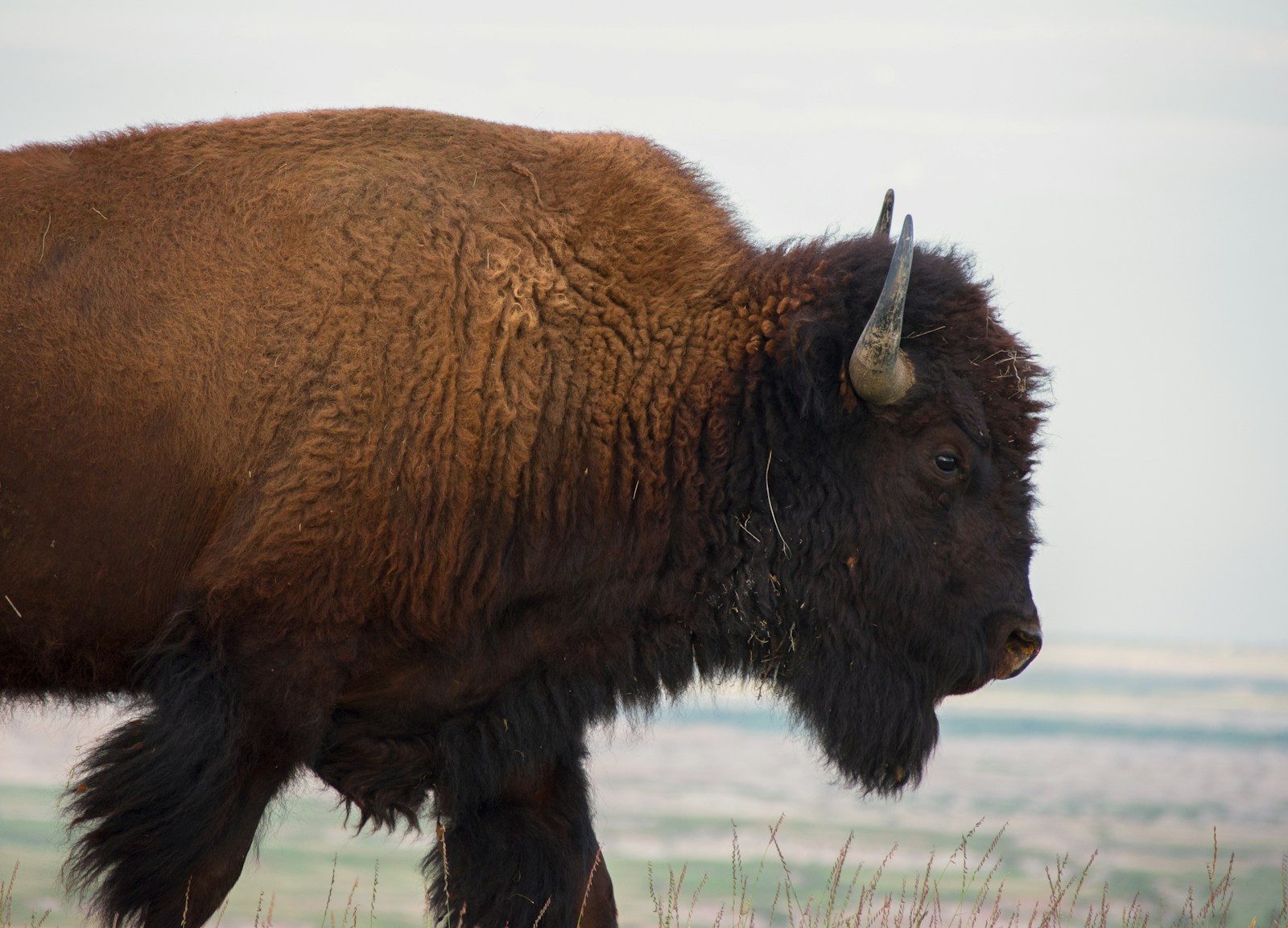
A shocking Yellowstone bison attack victim identification update has revealed new details about the man injured in a recent wildlife encounter at Yellowstone National Park. The incident was captured on video and quickly spread online, raising questions about how the attack happened and how seriously the visitor was hurt.
This article explains who the victim is, what witnesses saw, the injuries he suffered, why the bison charged, and what the National Park Service says visitors should do to stay safe around Yellowstone’s wildlife.
Who the victim is
The victim has been identified as Carl Isom-McDaniel, a 65-year-old grandfather from Kendall, Washington. He was visiting Yellowstone National Park with his 13-year-old grandson when the attack happened near the Bridge Bay Campground.
Friends and neighbors described Isom-McDaniel as active in his local community. Despite suffering serious injuries, he remained in good spirits after the attack and later underwent surgery to treat his injuries.
How the attack unfolded
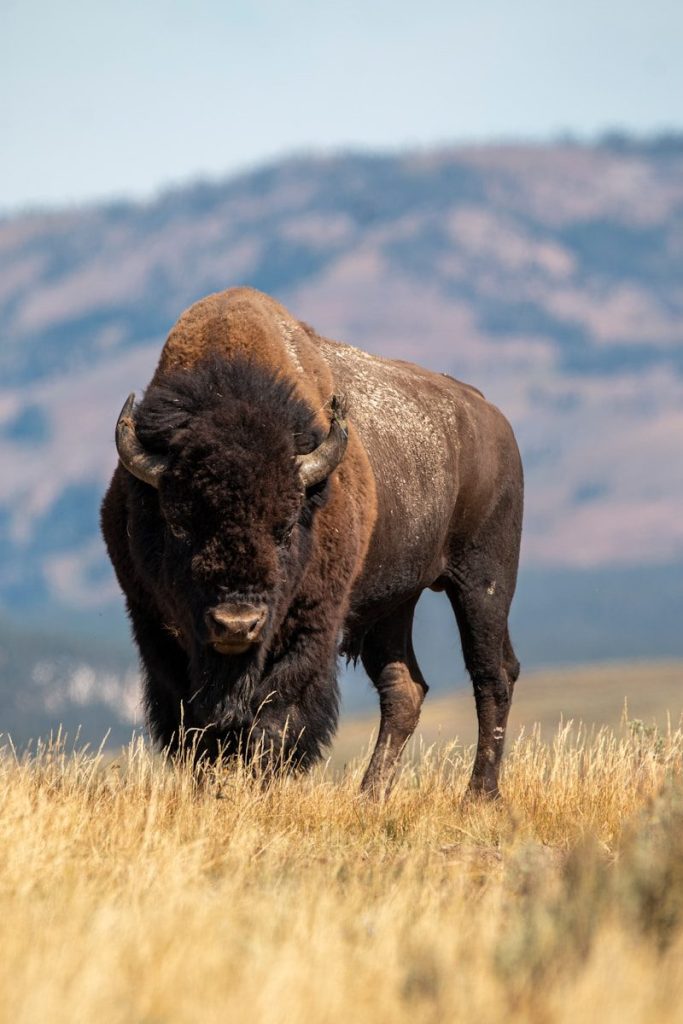
The incident occurred while Isom-McDaniel and his grandson were watching and photographing a bull bison. Witnesses said the pair appeared to be keeping a respectful distance when the animal suddenly became agitated.
The bison charged toward them, forcing both to run for cover among nearby trees. The grandson escaped safely, but the bison caught Isom-McDaniel and tossed him about eight feet into the air before bystanders distracted the animal and emergency crews arrived.
Details of the victim’s injuries
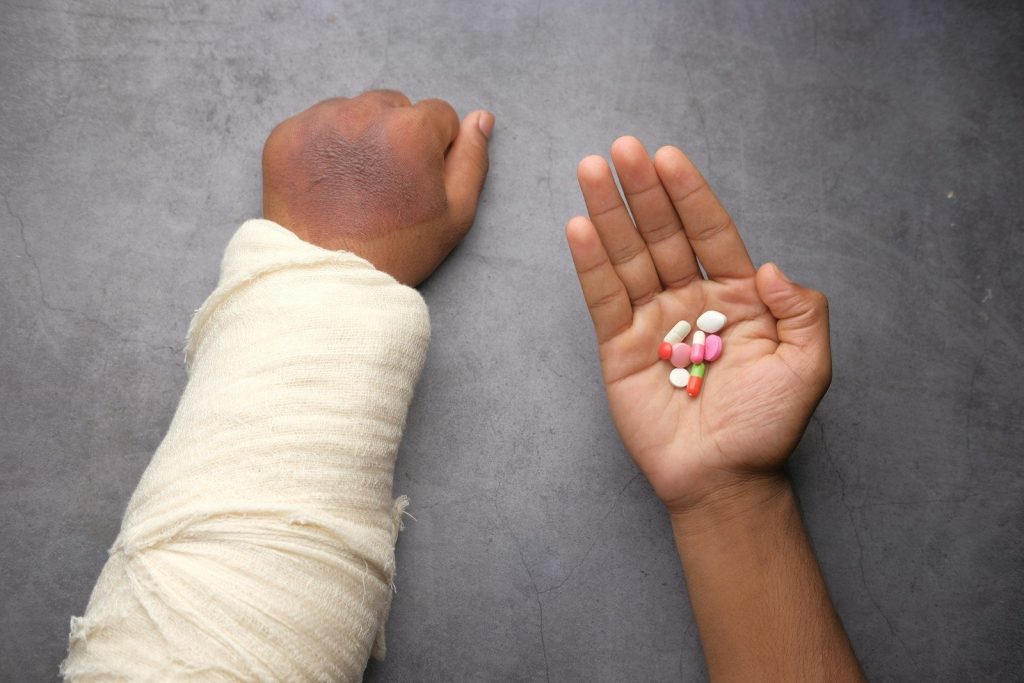
The attack left Isom-McDaniel with multiple broken bones. Reports later confirmed that he suffered a fractured femur and required surgery after being taken to a hospital.
Even with painful injuries, he stayed conscious while waiting for medical help. Witnesses said he remained remarkably calm and even joked with those helping him as emergency responders reached the scene.
Why the bison may have charged
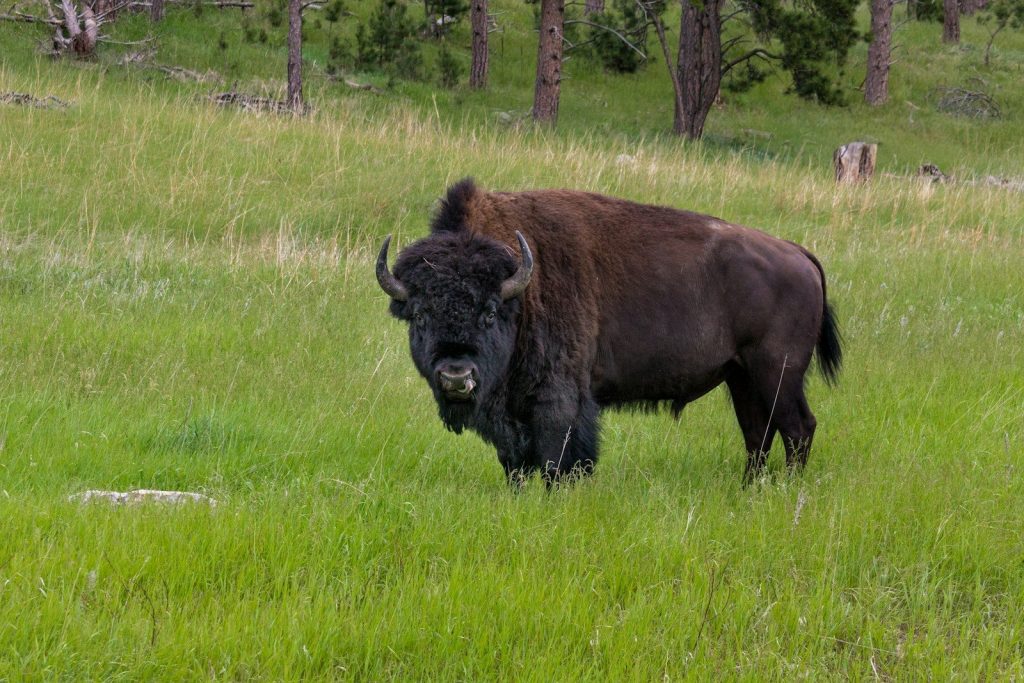
Wildlife experts say bull bison can become especially unpredictable during the summer mating season, also known as the rut. At this time of year, males are more aggressive and may react suddenly to people, vehicles, or other disturbances.
Witnesses believed the bison had already shown aggressive behavior before the attack. Although the exact trigger remains unclear, there is no evidence that Isom-McDaniel intentionally provoked the animal.
Yellowstone’s safety rules
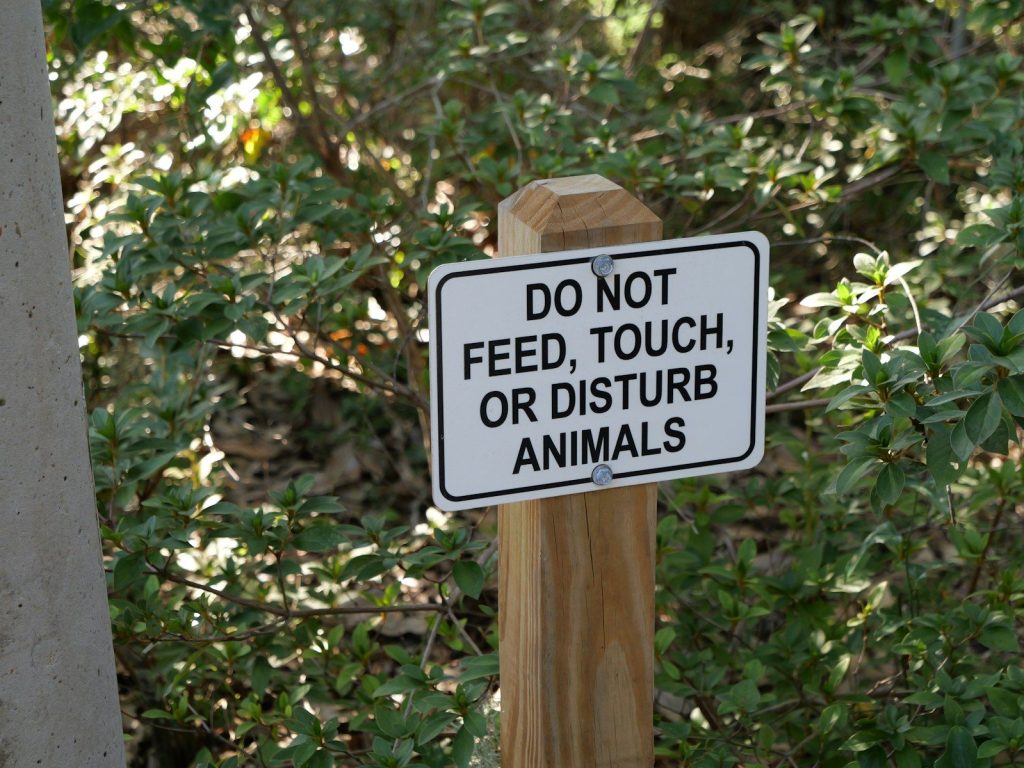
Yellowstone National Park reminds visitors that bison are wild animals, even if they appear calm. They can run much faster than people and may charge with little warning.
Park rules require visitors to stay at least 25 yards (75 feet) away from bison and other large animals. Giving wildlife plenty of space is one of the best ways to reduce the risk of dangerous encounters.
Why bison remain one of Yellowstone’s biggest hazards
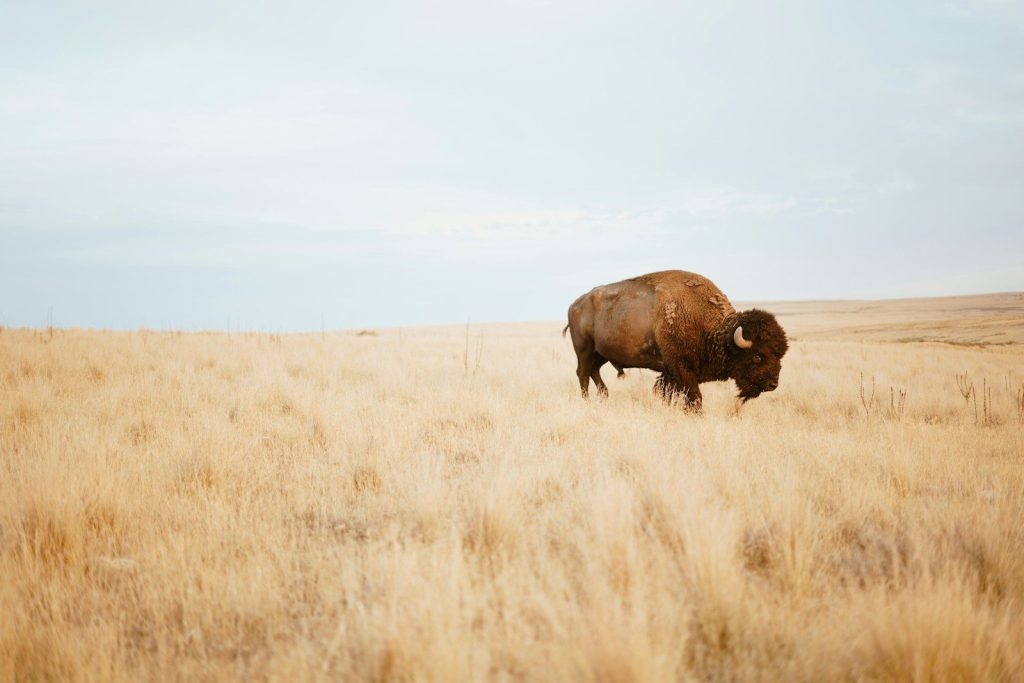
Bison are the largest land mammals in North America and are responsible for more injuries to Yellowstone visitors than any other wild animal. Their size, speed, and unpredictable behavior make them especially dangerous when people get too close.
The recent attack is another reminder that wildlife should always be viewed from a safe distance. Respecting park rules helps protect both visitors and the animals that live in Yellowstone.
Featured Image: Photo by Alex Moliski on Unsplash
Leave a Reply