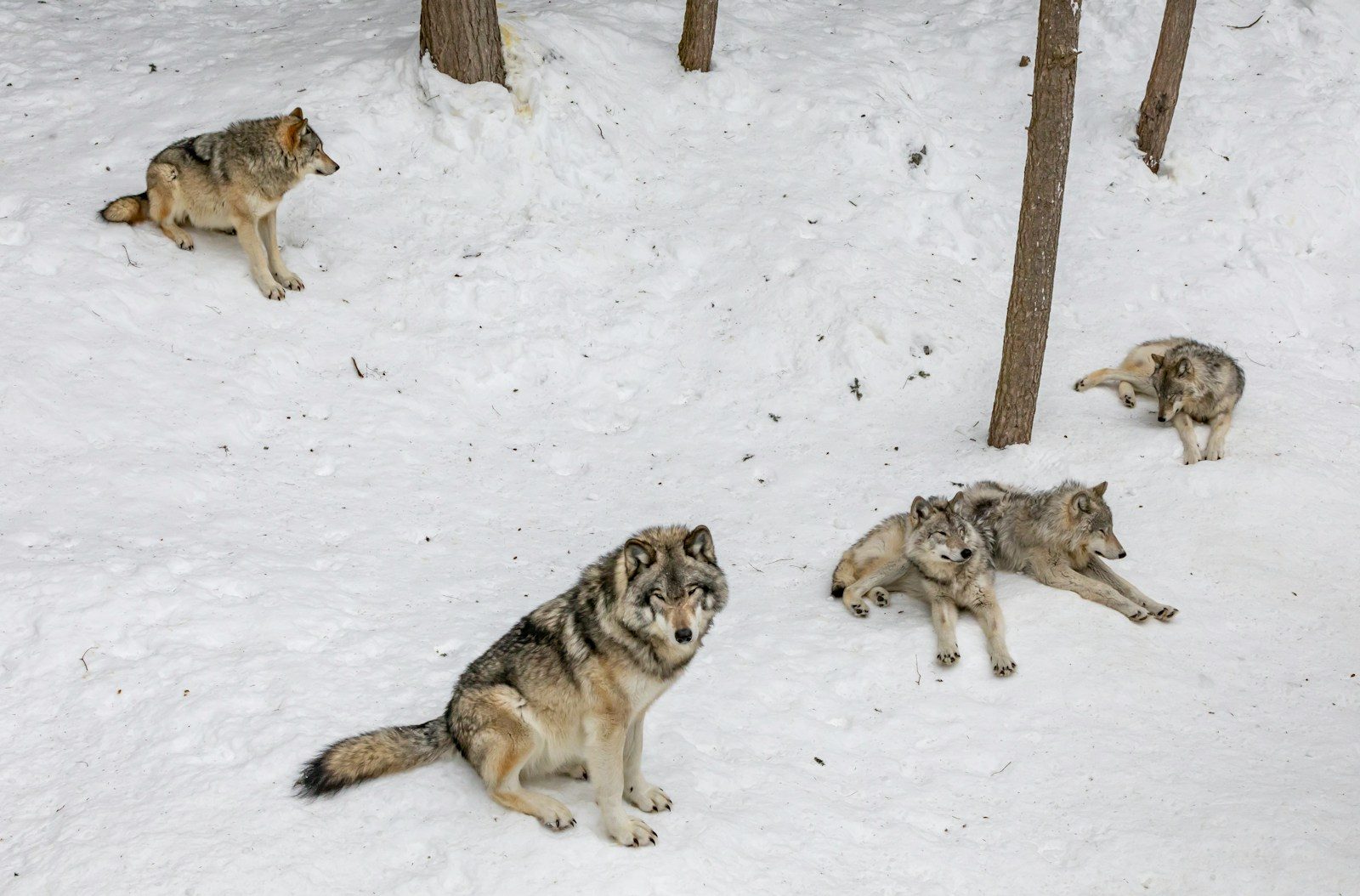
The encounter appears to center on Wolf Connection, a Southern California sanctuary founded by Teo Alfero. The organization began with a pack of 16 rescued wolves and wolf dogs and developed programs built around caring for and learning about the animals.
Entering an enclosure with large canids can understandably look intimidating. Wolves and high-content wolf dogs are not simply oversized domestic dogs. Even human-socialized captive wolves retain behaviors and instincts that make carefully controlled interactions and experienced supervision important.
The first challenge was earning their trust
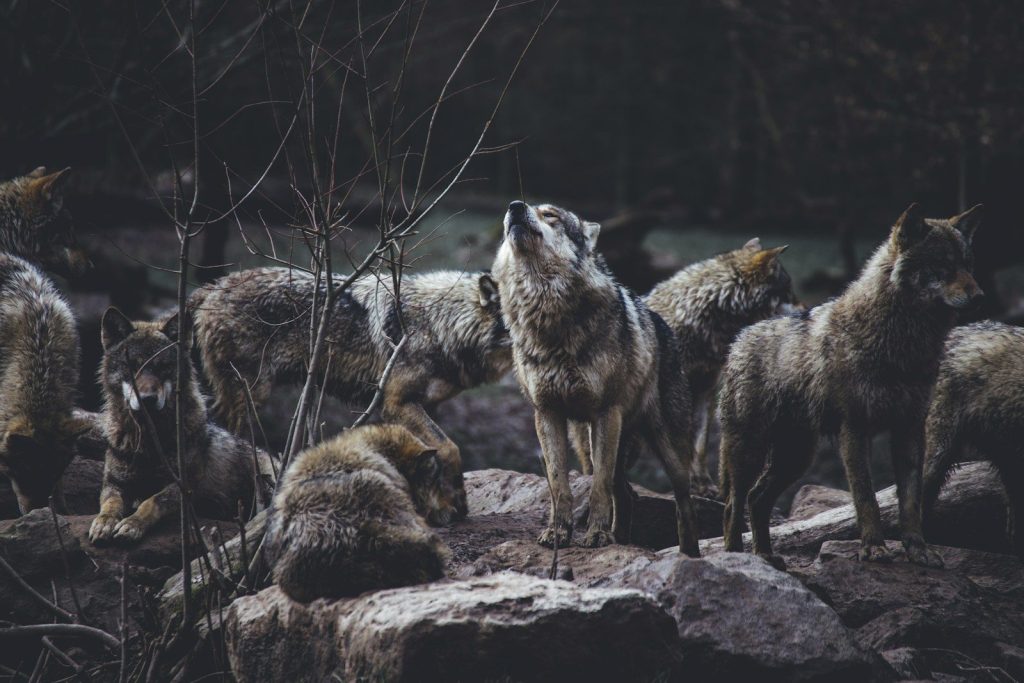
Trust with sanctuary wolves cannot simply be demanded. Programs involving rescued wolves generally emphasize calm behavior, observation and allowing individual animals to decide how closely they want to interact with people.
That distinction matters because wolves have not undergone the generations of domestication that produced modern dogs. Even captive-born wolves that behave comfortably around familiar humans can remain unpredictable compared with domestic dogs.
The animals came from difficult circumstances
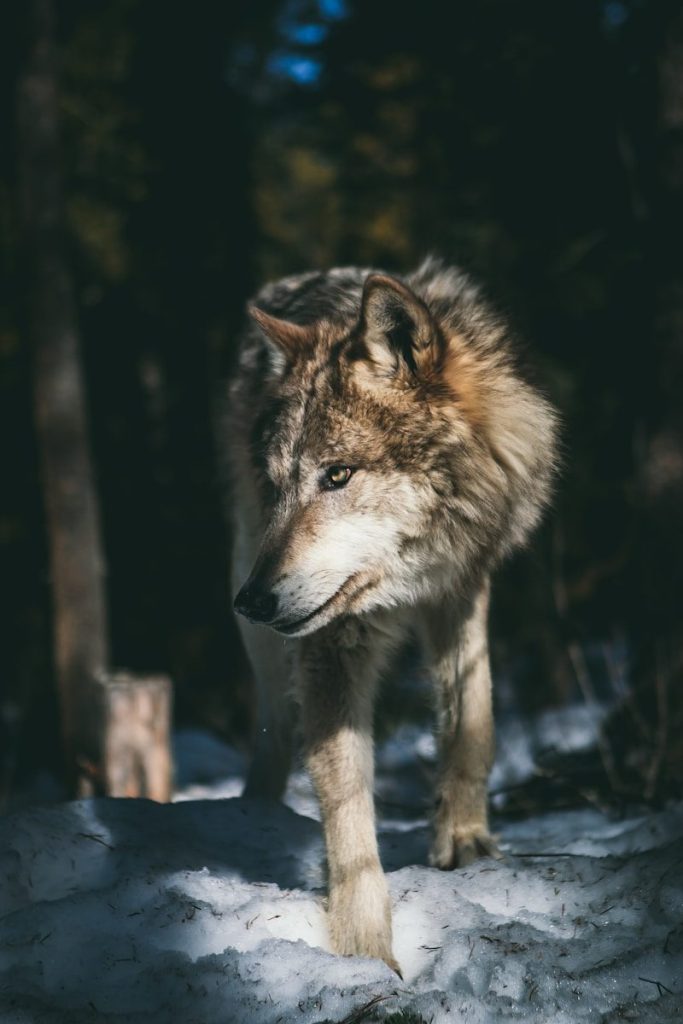
Wolf Connection provides permanent care for rescued wolves and wolf dogs rather than treating them as conventional pets. Its original group of 16 animals ultimately became the foundation for educational and therapeutic programs involving people and rescued canids.
The broader problem extends beyond one sanctuary. Wolf dogs can be surrendered or abandoned after owners discover that their behavior and care requirements are substantially different from those of ordinary domestic dogs, leaving specialized sanctuaries to provide long-term homes.
Rigs reportedly received a second chance
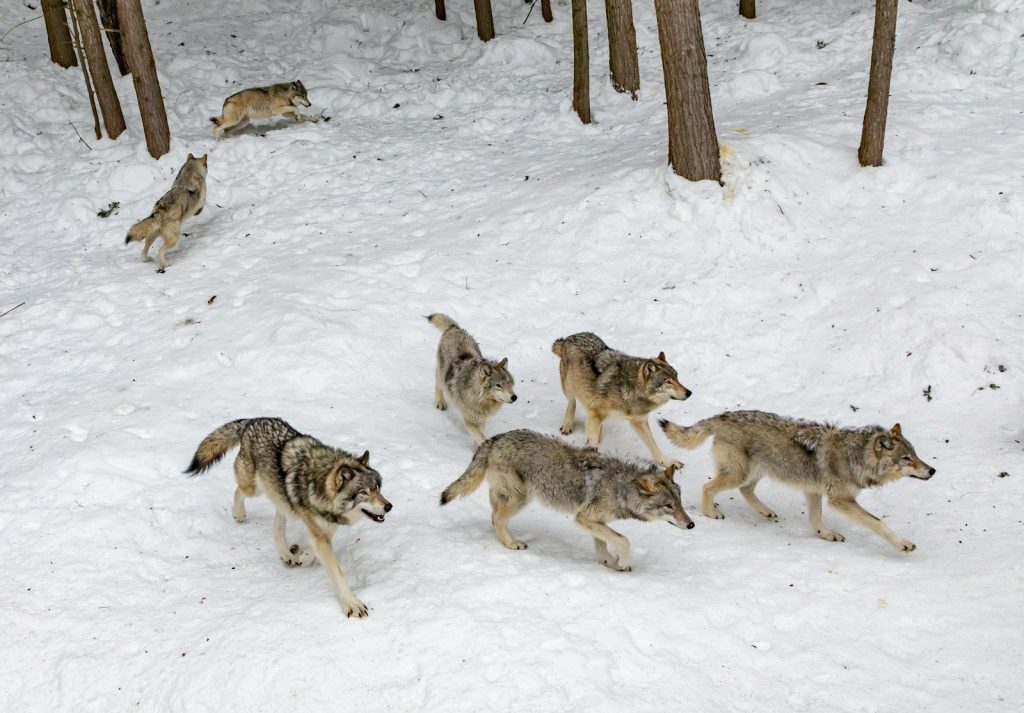
The account describes one animal, Rigs, as a pure wolf rescued shortly before he was scheduled to be euthanized. I could not independently verify the more specific claim that this was exactly one day before or that a gas chamber was going to be used, so those details should not be presented as established facts without the original sanctuary record.
What can be verified is the larger rescue mission. Wolf Connection describes itself as an educational sanctuary centered on rescued wolves, while independent coverage says its work grew from Alfero caring for the original pack of 16 wolves and wolf dogs.
Wolves communicate through subtle behavior
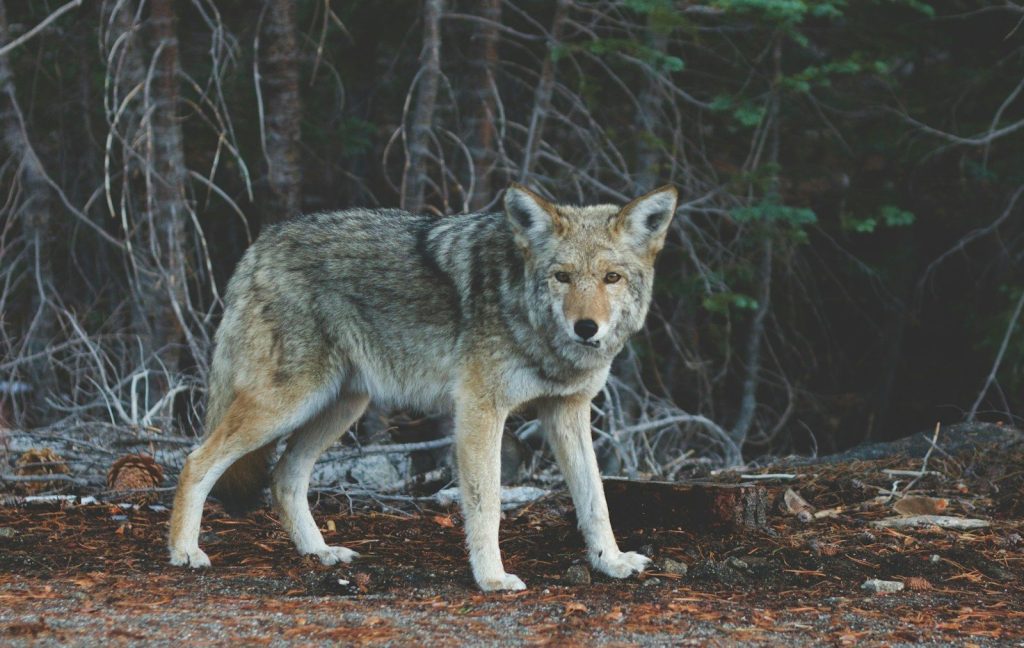
A wolf that watches, approaches or keeps its distance is communicating through behavior, but describing those actions as deliberately “testing” a person can go beyond what footage alone proves. Wolves use posture, facial expressions, movement and scent as part of complex social communication.
That makes patience particularly important around captive wolves. Familiarity with humans does not erase their wild characteristics, and behavior that looks affectionate or playful should not automatically be interpreted in exactly the same way as similar behavior from a pet dog.
The sanctuary uses wolves to help people
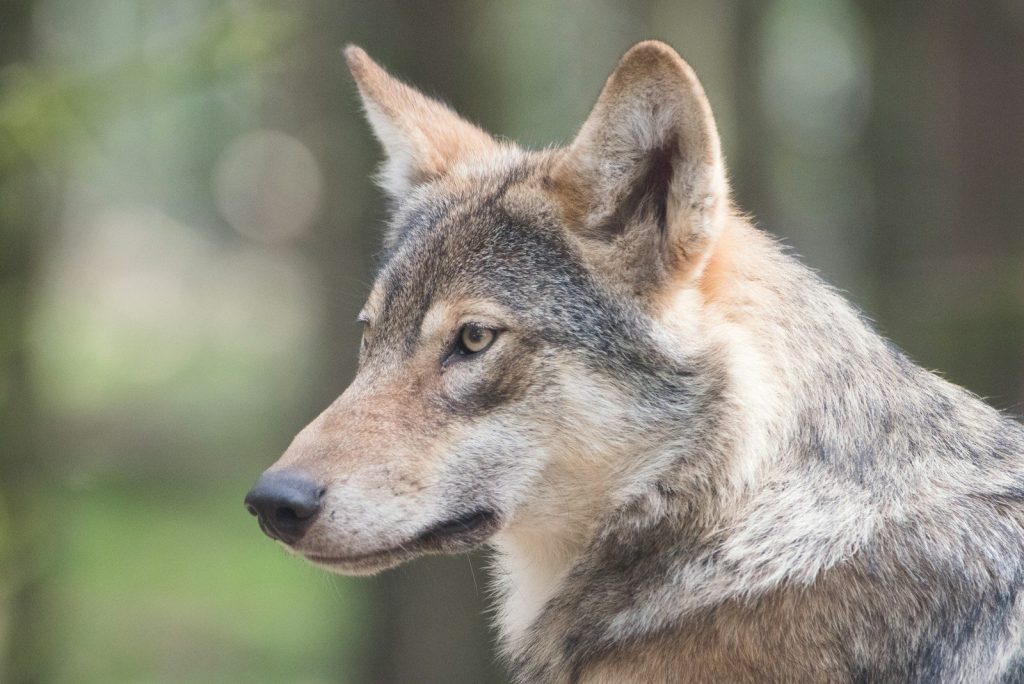
Wolf Connection’s work goes beyond providing animals with permanent homes. Its programs bring people, including at-risk young people, into structured experiences where caring for rescued wolves and wolf dogs is used to teach responsibility, emotional awareness, and connection with nature.
The sanctuary occupies about 165 acres in Southern California, giving its animals significantly more space than a conventional kennel environment. The organization says its broader purpose combines animal rescue, education, and programs intended to help people learn from their relationships with the wolves.
Walking with the pack required careful supervision
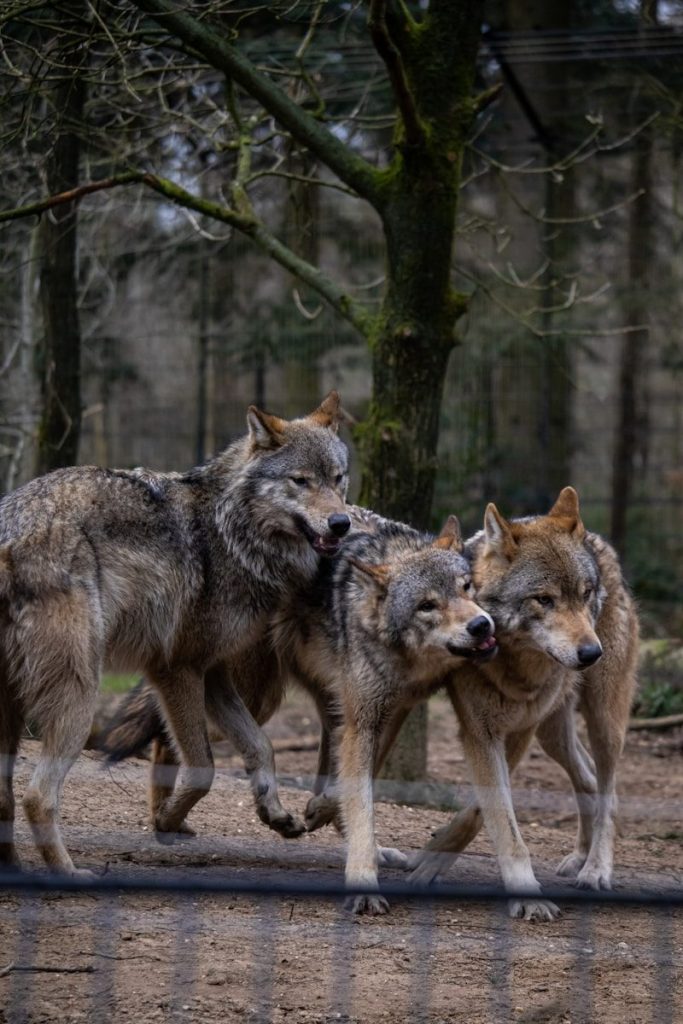
The account ends with the animals moving with the visitors in an open area, creating the impression that the relationship had changed dramatically over several days. That should not be interpreted as evidence that approaching or attempting to gain the trust of unfamiliar wolves is safe.
Sanctuary encounters occur under circumstances that ordinary wildlife encounters do not reproduce. These animals have individual histories and experienced caretakers who understand their behavior, while wild wolves should simply be observed from a safe distance rather than approached or treated like domestic dogs.
Leave a Reply