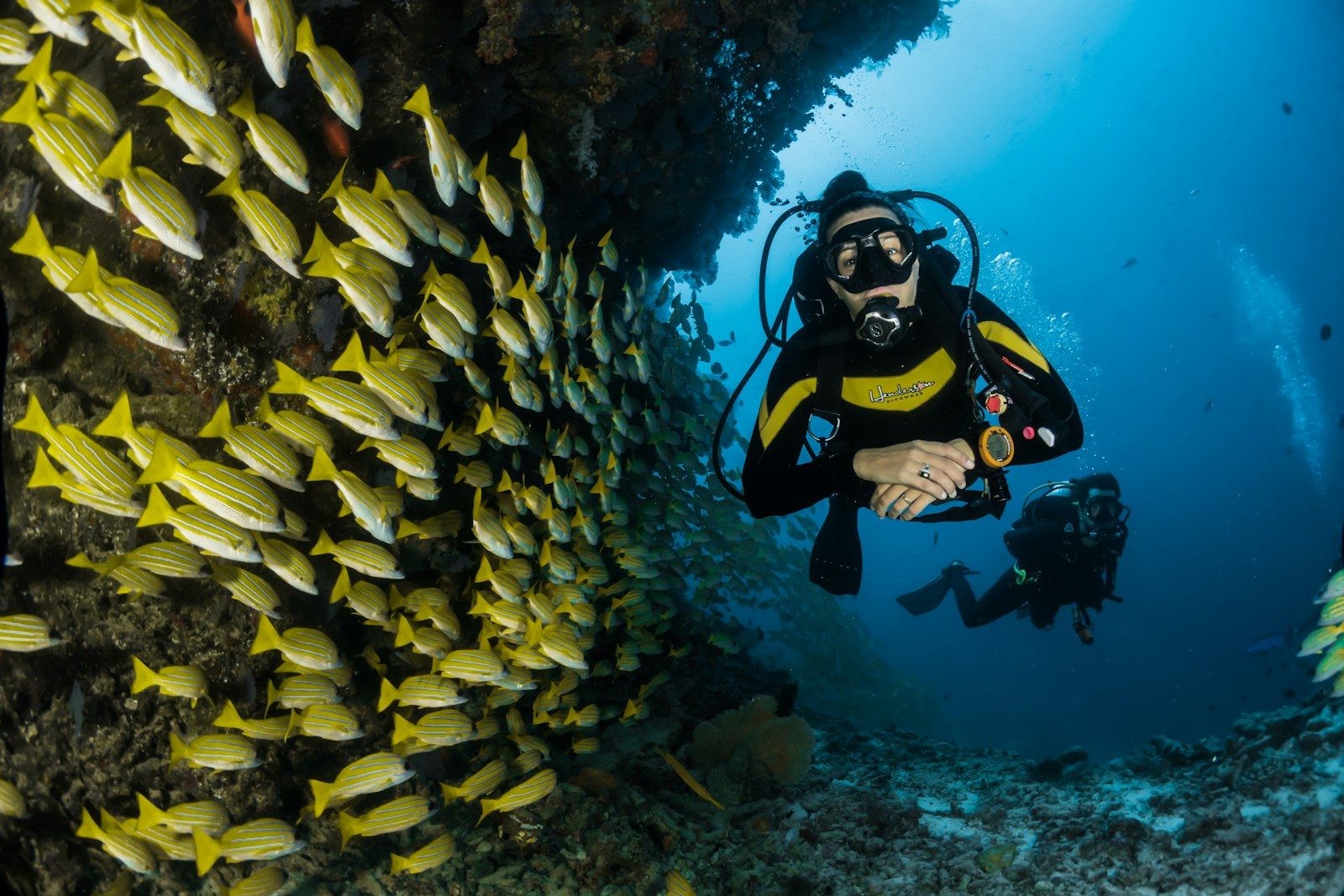
A scuba diver surrounded by venomous sea snakes might look like the beginning of an underwater attack. Olive sea snakes can swim directly toward divers, investigate them at extremely close range, and sometimes even coil around their limbs. Yet research from Australia’s Great Barrier Reef suggests these encounters are often very different from what they appear to be.
Scientists who studied free-ranging olive sea snakes found that many close approaches involved investigation or reproductive behavior rather than attempts to hunt people. Male snakes were particularly likely to approach during breeding season, and researchers believe some of the most intense encounters may result from mistaken identity.
Sea snakes can swim straight toward scuba divers
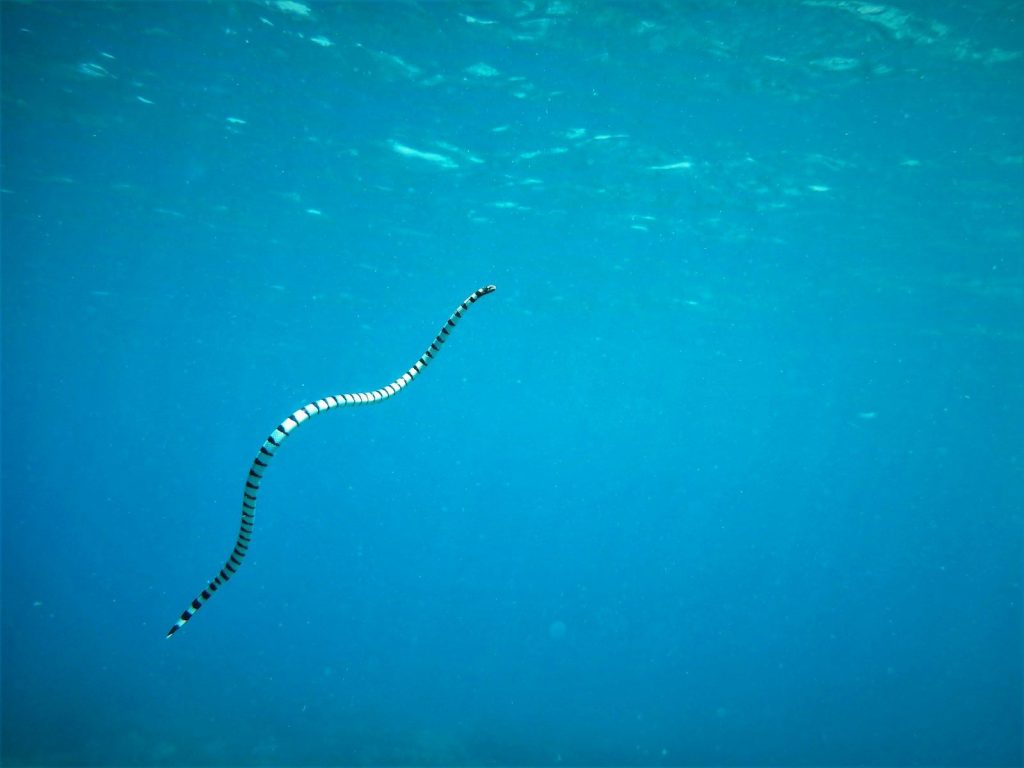
Olive sea snakes, scientifically known as Aipysurus laevis, live around coral reefs in the tropical waters of Australia and New Guinea. Females can exceed 2 meters in length and 3 kg in weight, making the species one of the larger sea snakes divers can encounter.
Their behavior around humans can be startling. Researchers have documented snakes deliberately swimming toward divers, flicking their tongues near them, and remaining close enough to investigate equipment and bodies. Some individuals have even wrapped themselves around a diver’s limbs.
Scientists recorded dozens of close encounters
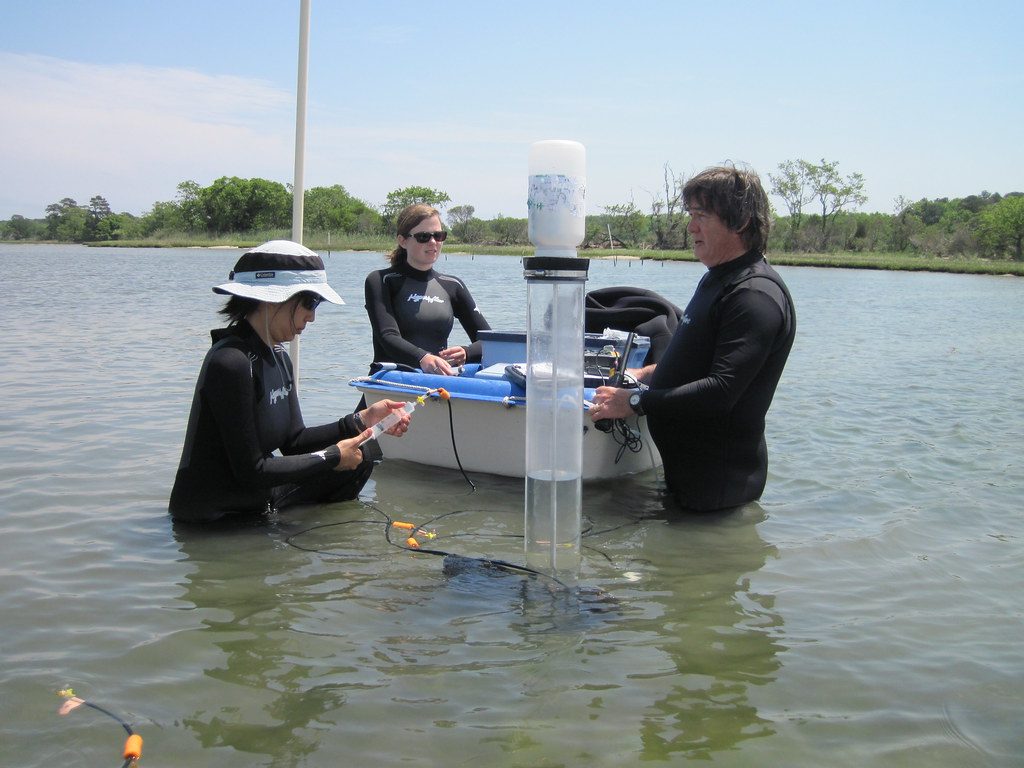
Researchers analyzed a 27-month behavioral study involving free-ranging olive sea snakes on the southern Great Barrier Reef. Of 158 encounters examined, snakes approached the diver during 74 of them.
Sex made a noticeable difference. Males approached during 39 of 58 encounters, while females approached during 35 of 100 encounters. Researchers concluded that males were significantly more likely to investigate the diver.
Breeding season changes how males behave
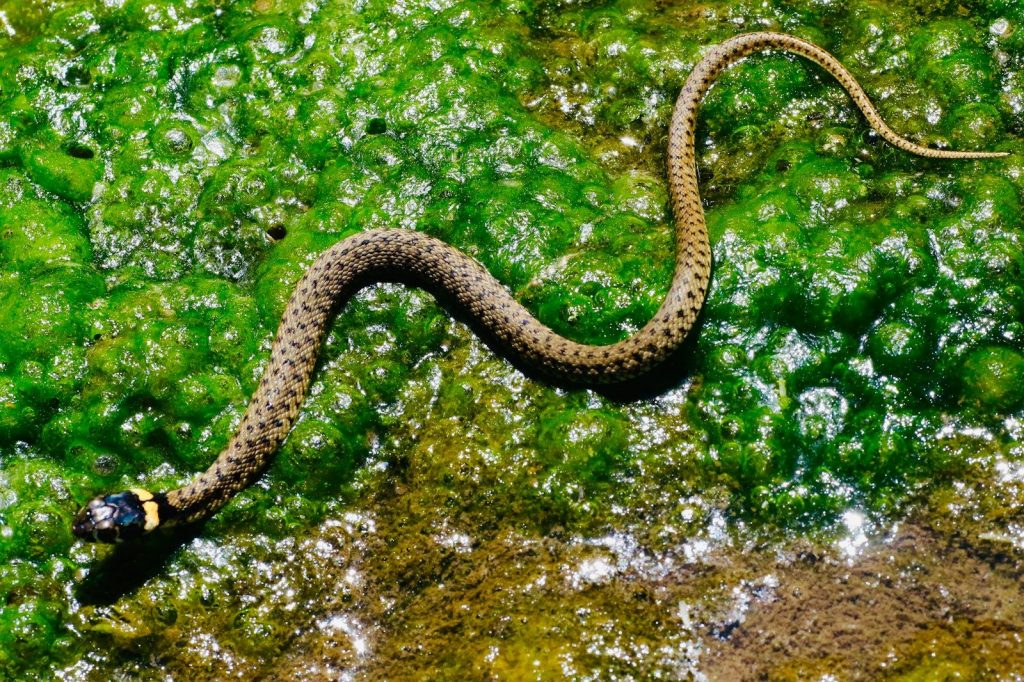
The strongest pattern emerged during the breeding season. At the study site, adult males were primarily present around the reefs during the winter breeding period from May through August, when they spent considerable time searching for females.
Males also made repeated approaches and spent more time around the diver during this period. Some rapid approaches happened immediately after males lost contact with females they had been pursuing or after encounters with competing males.
Some snakes may mistake a diver for another snake
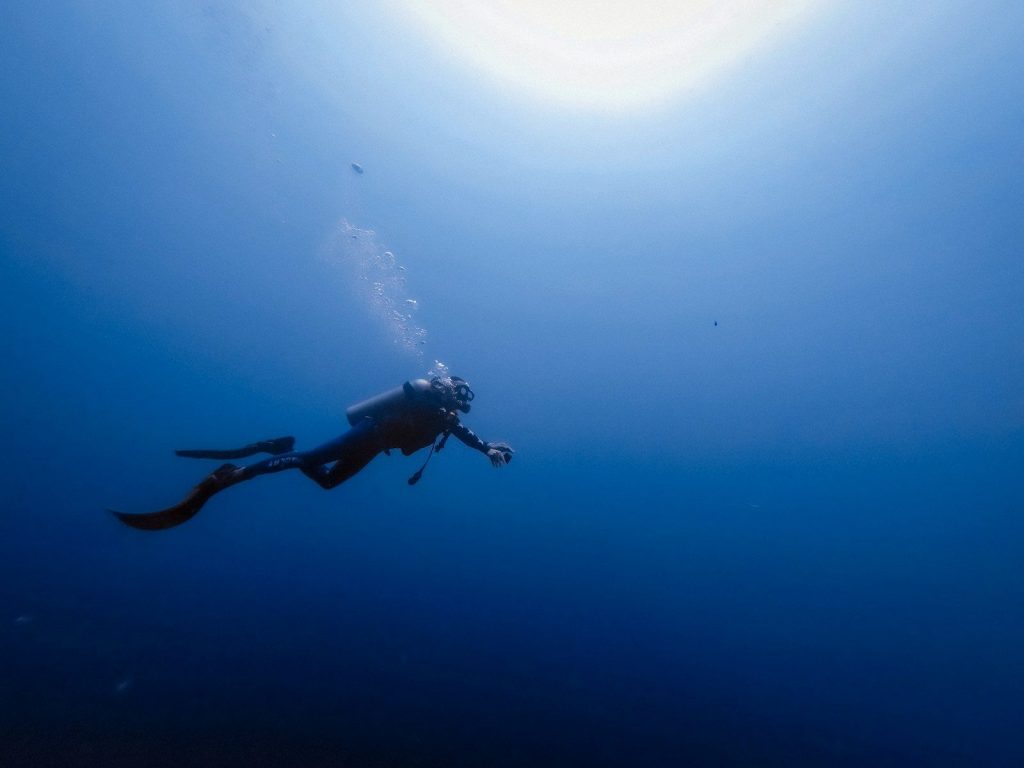
Researchers proposed a remarkable explanation for some encounters. A reproductively active male may temporarily mistake a diver for another sea snake, causing it to approach repeatedly and display behavior normally associated with courtship.
That interpretation is supported by observations of males sometimes coiling around a diver’s limb, something they also do during interactions with other snakes. Rapidly approaching females presented a different pattern because those females were generally fleeing males pursuing them.
Swimming away can make the encounter look even more intense
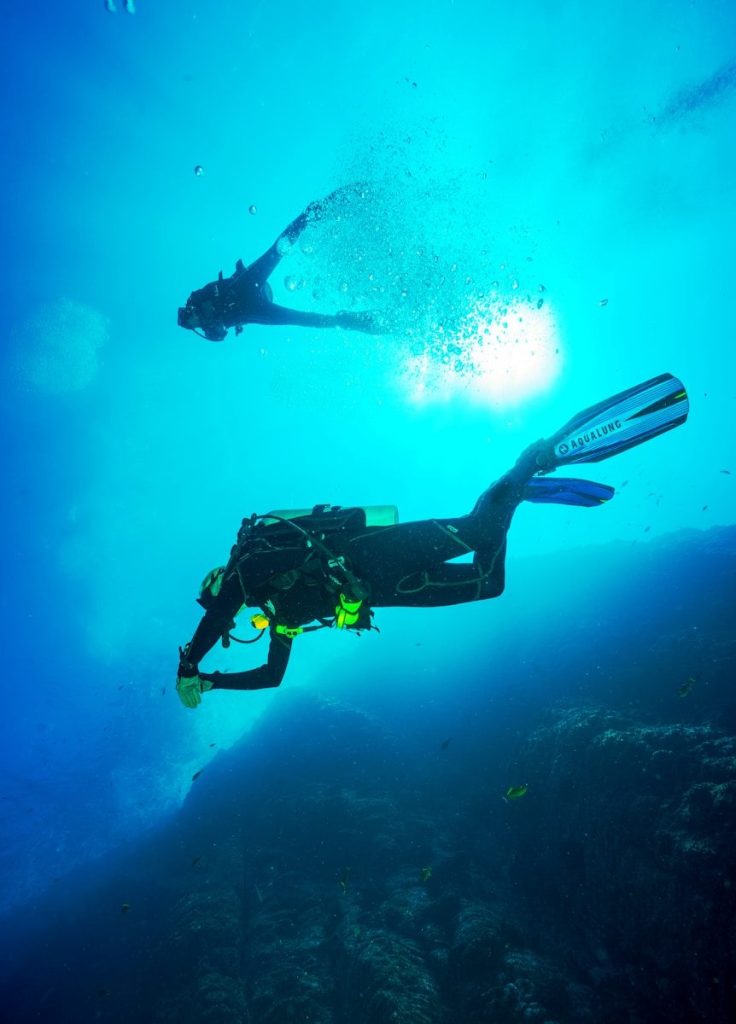
One of the study’s most interesting observations involved what happened when the diver moved away. Rapidly retreating from an approaching male could resemble the behavior of a female sea snake attempting to escape courtship.
That could explain why a snake sometimes appears to chase a diver who is trying to create distance. Researchers, therefore, cautioned against interpreting every rapid approach as evidence that the snake has deliberately selected a human as something to attack.
The frightening encounter has a surprising explanation
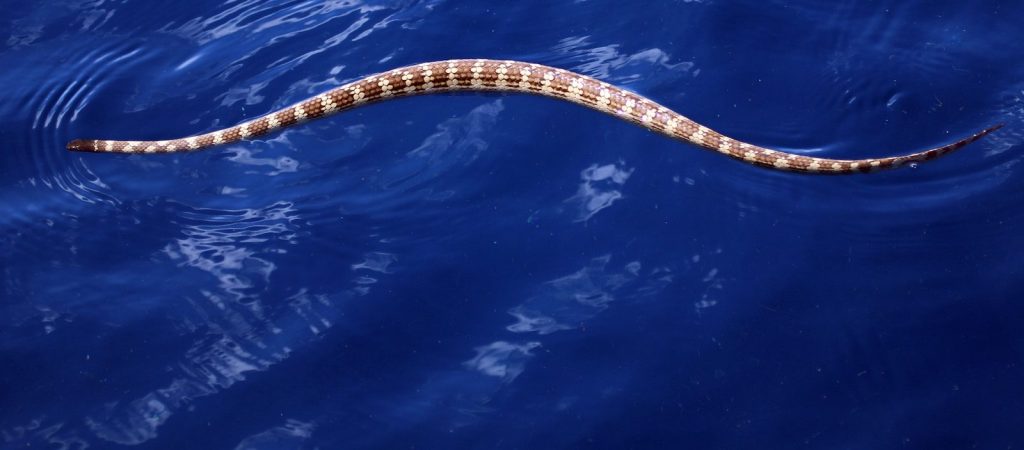
Olive sea snakes are venomous wild animals and should be treated with respect. But the research shows why dramatic underwater footage can be misleading when animal behavior is judged only by how frightening it appears to humans.
Some snakes simply appeared to investigate the unfamiliar diver, while the most intense male encounters were strongly associated with reproductive behavior. What looks like a sea snake deliberately targeting a person may therefore be an extraordinary case of curiosity or mistaken identity unfolding beneath the surface.
Featured Image: Photo by Sebastian Pena Lambarri on Unsplash
Leave a Reply