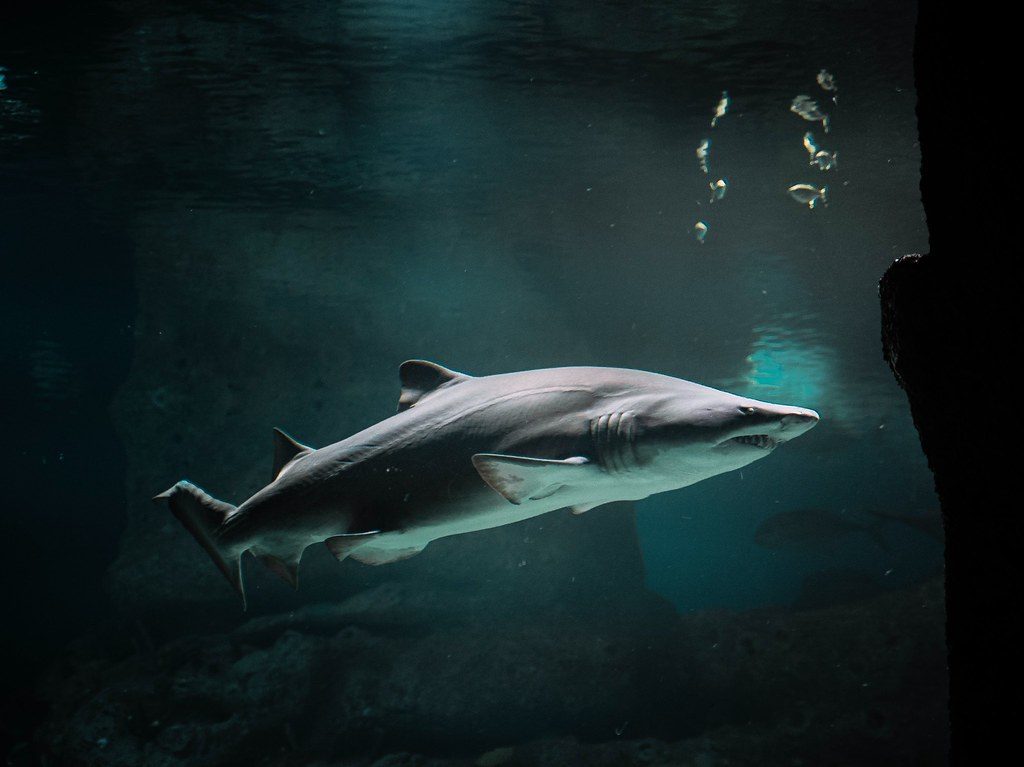
Shark attacks are extremely rare, but powerful shark bites have fascinated people for decades. Movies and television often portray sharks as relentless hunters, yet most species avoid humans whenever possible. Even so, some sharks possess incredible jaw strength, sharp teeth, and hunting abilities that make them among the ocean’s most effective predators.
From coastal waters to the open ocean, these sharks rely on powerful bites to catch prey and survive. Bite force, tooth design, body size, and feeding behavior all play a role in determining how devastating a shark’s bite can be. Here are five shark species known for having some of the strongest and most damaging bites in the sea.
Tiger shark combines power with size
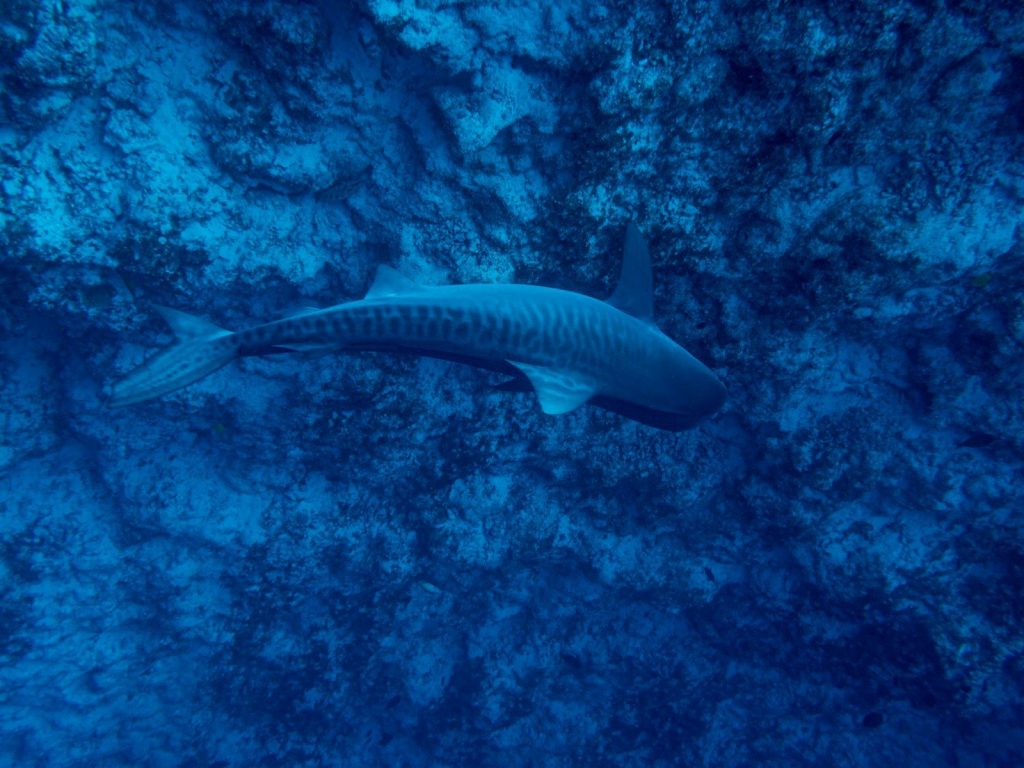
The tiger shark ranks among the largest predatory sharks in the world. Growing to 18 feet long and weighing up to 2,000 pounds, it has the size and strength to tackle a wide variety of prey. It’s estimated bite force reaches about 325 pounds per square inch, making it one of the strongest shark bites in the ocean.
Tiger sharks are known for their broad diet and powerful jaws. Their strong bite allows them to crush and tear through tough food items, helping them thrive in tropical and subtropical waters around the world. Although encounters with people are uncommon, their size and strength make them one of the ocean’s most formidable predators.
Great hammerhead uses a surprisingly strong bite
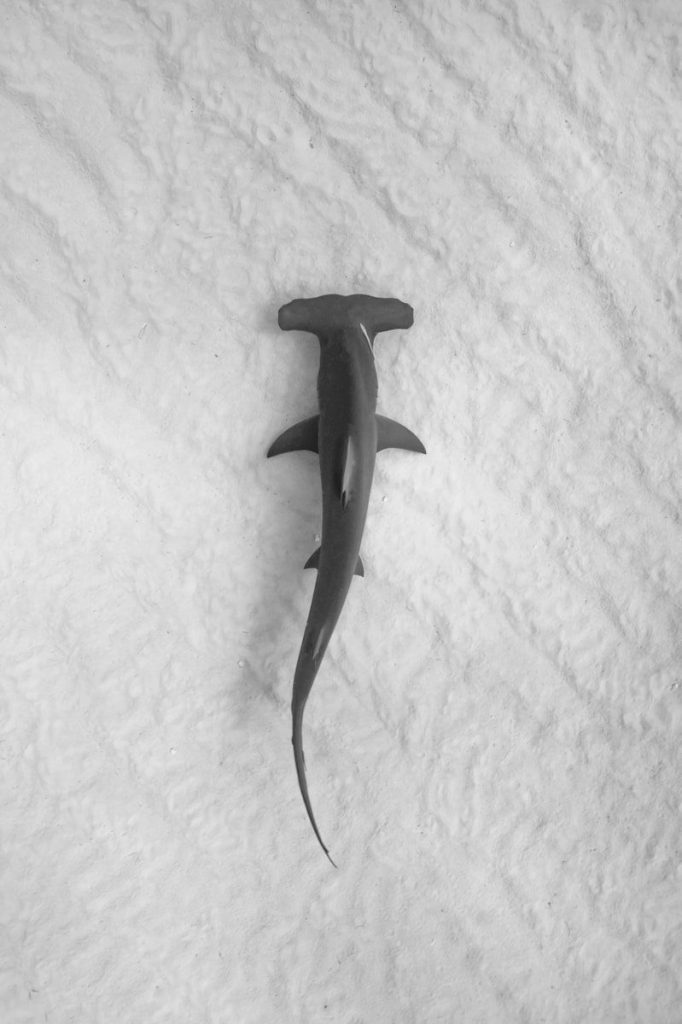
The great hammerhead is instantly recognizable because of its unique hammer-shaped head. While its appearance often gets the most attention, its bite force is equally impressive. Researchers estimate that the species can generate around 539 pounds per square inch of pressure.
Most great hammerheads grow to about 13 feet long, though some individuals have reached lengths near 20 feet. Their distinctive head helps them locate prey, while their strong jaws allow them to capture and consume a variety of marine animals. Together, these adaptations make the great hammerhead a highly effective hunter.
Bull sharks deliver crushing force near shore
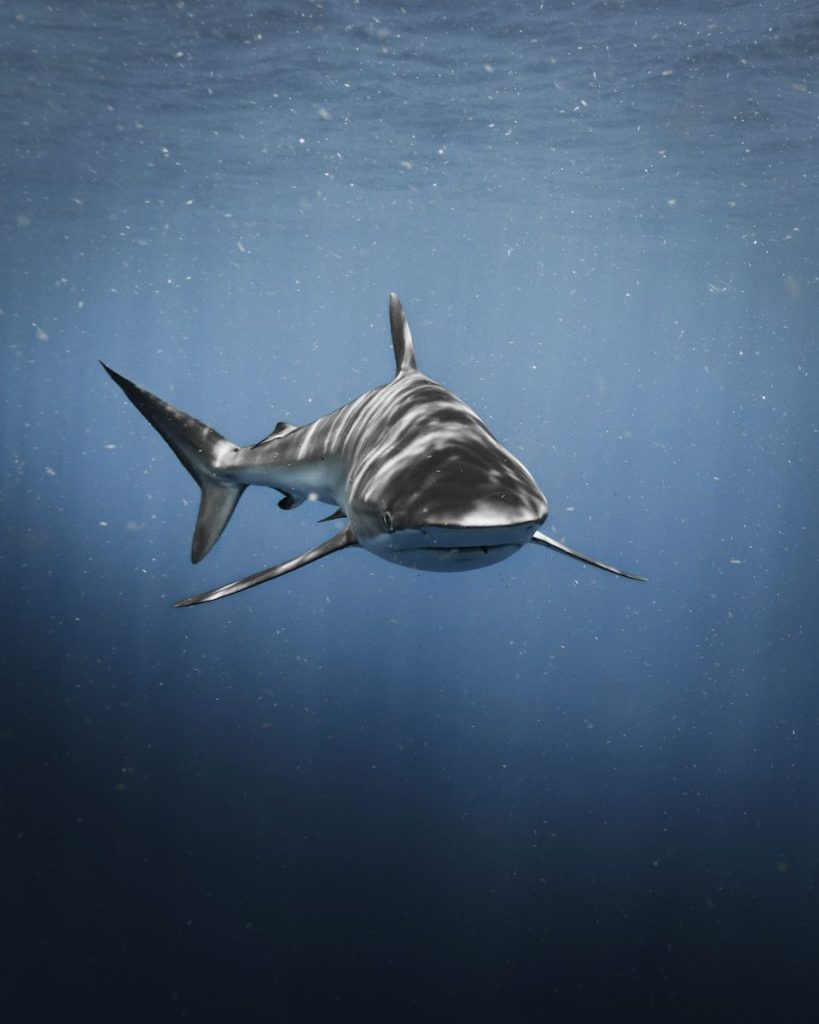
Bull sharks are famous for living in both saltwater and freshwater environments. Unlike most shark species, they can travel far up rivers and into large lakes, increasing the chances of encounters with humans. Their estimated bite force reaches around 1,300 pounds per square inch.
This tremendous bite strength, combined with their stocky bodies and aggressive reputation, makes bull sharks among the ocean’s most powerful predators. While attacks on people remain rare, a single bite from a large bull shark can cause serious injuries because of the force generated by its jaws.
Shortfin mako combines speed and strength
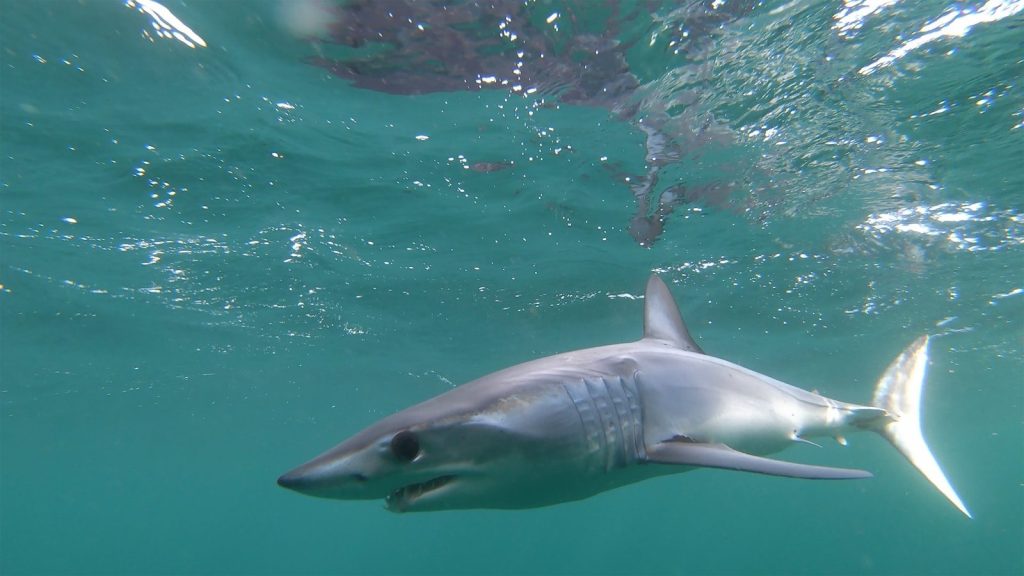
The shortfin mako is best known as the world’s fastest shark. Capable of reaching speeds of about 45 miles per hour, it is built for chasing fast-moving prey in the open ocean. However, speed is only part of its advantage. The species is also credited with a bite force of roughly 3,000 pounds per square inch.
Shortfin makos typically grow to around 12 feet long and can weigh more than 1,000 pounds. Their combination of speed, agility, and jaw strength allows them to hunt efficiently in deep offshore waters. These sharks are also known for spectacular leaps above the water while pursuing prey.
The great white shark has the strongest bite
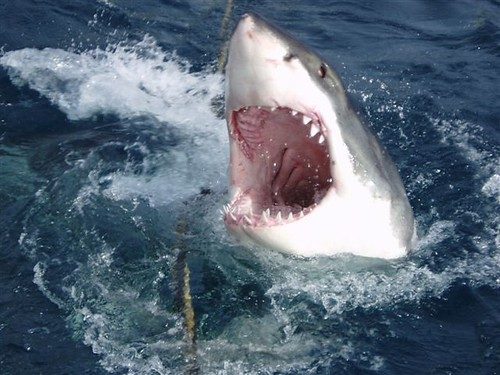
The great white shark sits at the top of the list. With an estimated bite force of about 4,000 pounds per square inch, it is considered to have the strongest bite of any living shark species. Scientists believe its powerful jaws are perfectly designed for gripping and tearing large prey.
Fully grown great whites can exceed 20 feet in length and weigh more than 4,000 pounds. Their torpedo-shaped bodies, powerful tails, and rows of sharp, serrated teeth make them one of the most efficient predators in the ocean. Despite their reputation, great whites do not typically hunt humans, and most interactions are believed to be cases of mistaken identity.
Why bite force is only part of the story
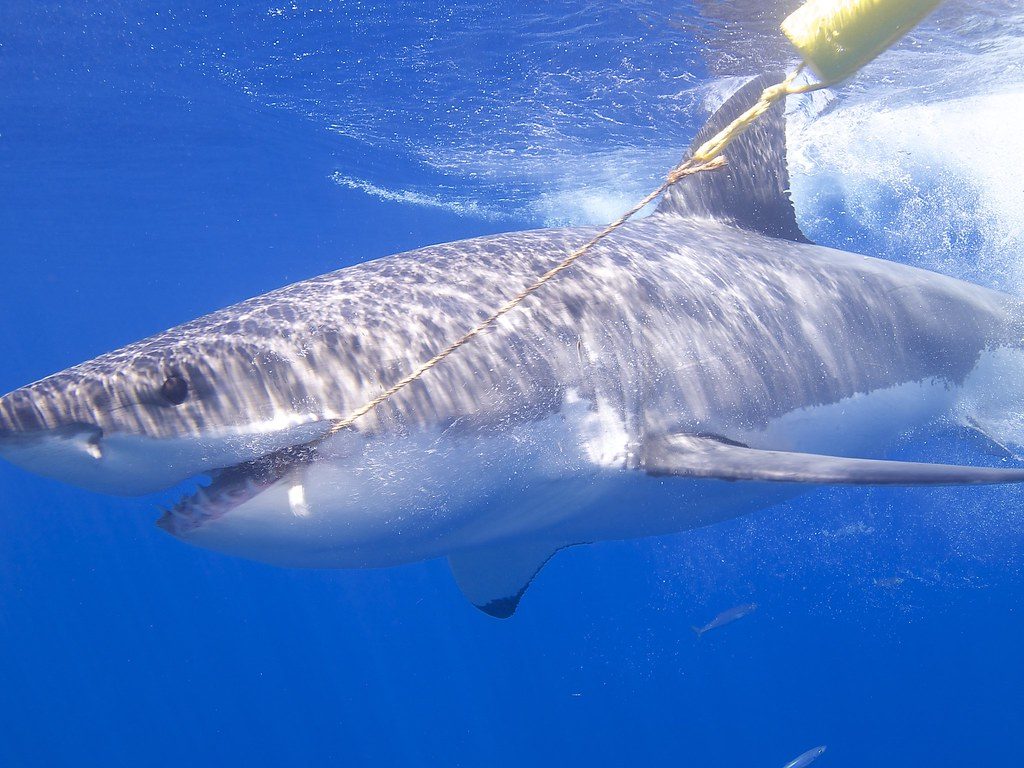
A powerful bite alone does not determine how dangerous a shark can be. Body size, hunting strategy, tooth shape, speed, and behavior all contribute to a shark’s ability to capture prey. Some sharks rely on crushing force, while others depend on speed or stealth to succeed.
These five species demonstrate the remarkable diversity of sharks. Each has evolved unique adaptations that help it survive in different parts of the ocean. While their bites are impressive, they also serve as reminders of how specialized and important sharks are within marine ecosystems.
Leave a Reply