
A dog paddling through shallow water. A hammerhead spinning at full speed. A shark shadowing a kayaker in open water. These moments often go viral because they look terrifying, mysterious, or impossible to explain. But what is really happening beneath the surface?
Many viral shark and ray videos are shared without context, leading to confusion and exaggerated claims. In reality, science often tells a very different story. By examining shark behavior, hunting instincts, curiosity, and environmental conditions, we can better understand these remarkable animals. This article breaks down some of the most unbelievable shark and ray encounters and explains what experts believe actually happened in each case.
When a dog swims near a shark

One of the most alarming viral clips shows a dog swimming dangerously close to a shark. The video appears terrifying because the shark seems to follow the animal through the water. Viewers often assume an attack is moments away.
However, sharks are naturally curious animals and frequently investigate unfamiliar objects in their environment. Curiosity does not always mean aggression. In many cases, sharks approach to inspect movement, sound, or vibrations before swimming away. Scientists note that sharks often investigate potential prey or unknown objects without attacking.
The hammerhead that seemed out of control

Another viral clip shows a hammerhead shark spinning rapidly through the water. At first glance, the behavior looks strange and even alarming. Some viewers suggested the shark was injured or behaving aggressively.
In reality, sharks display a wide range of movements that can look unusual to people unfamiliar with their behavior. Environmental conditions, navigation, hunting activity, or interactions with other marine animals can all influence how a shark moves. Without full context, dramatic footage often appears far more mysterious than it actually is.
The great white following a kayaker
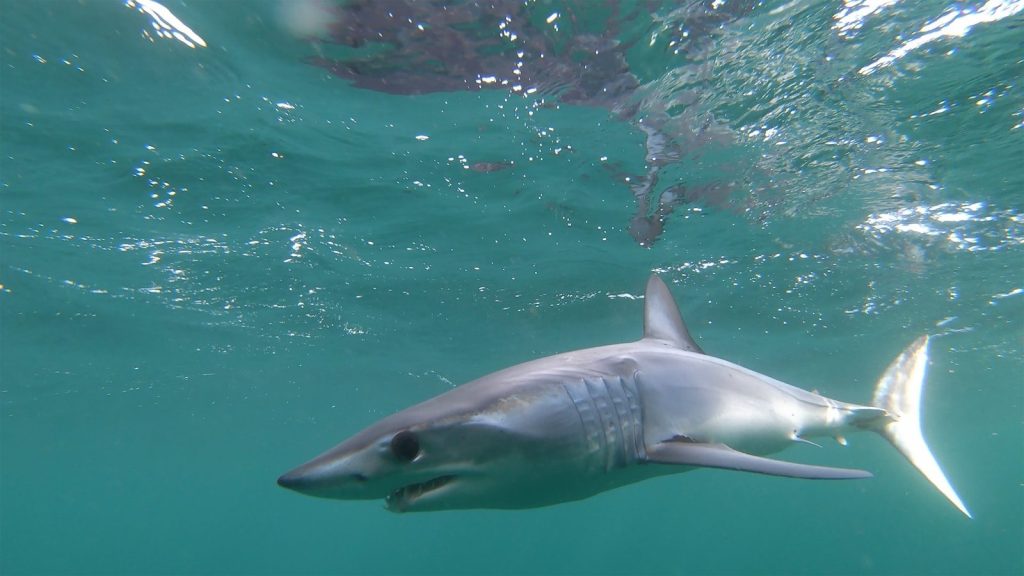
Few videos create more anxiety than footage of a large shark swimming beneath a kayak. In one widely shared clip from New Zealand, a white shark appeared to trail a kayaker through open water.
While the footage is undeniably dramatic, experts often explain that large sharks investigate objects near the surface as part of their normal behavior. Sharks use multiple senses to gather information about their surroundings. They may approach out of curiosity rather than predatory intent. Many encounters end without any aggressive action at all.
Why stingrays spit water
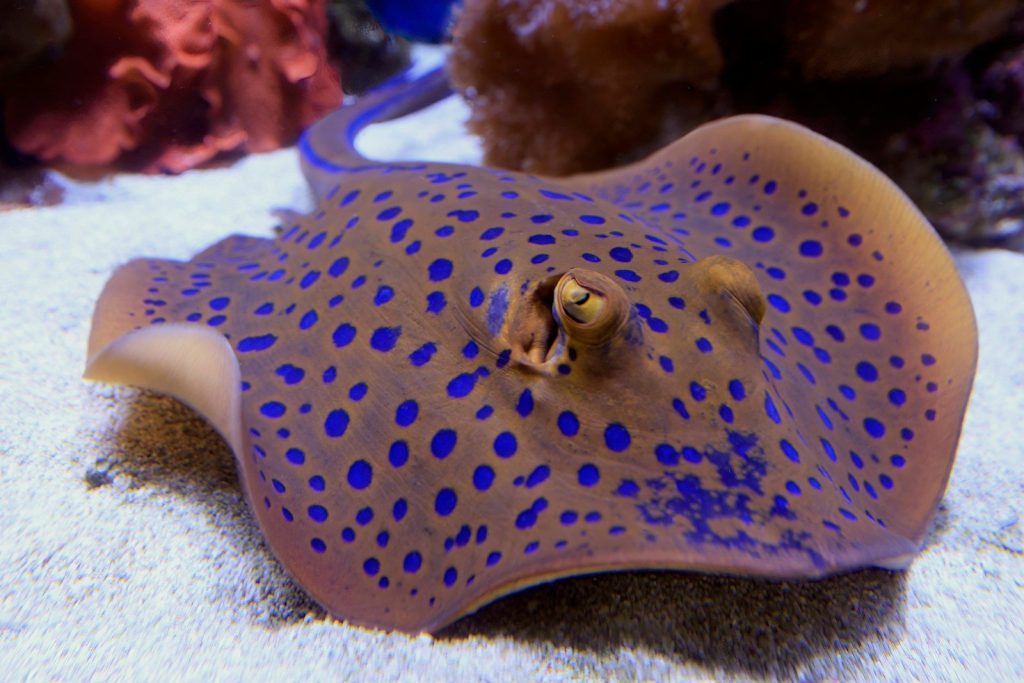
Some viral videos show stingrays squirting water at people standing near aquariums or docks. The behavior looks playful and sometimes appears almost intentional.
Researchers believe stingrays often learn that certain actions can attract attention or food. By spraying water, they may be attempting to interact with people who regularly feed them. While it may look amusing, it also demonstrates how adaptable some marine animals can become when repeatedly exposed to human interaction.
The octopus riding a shark
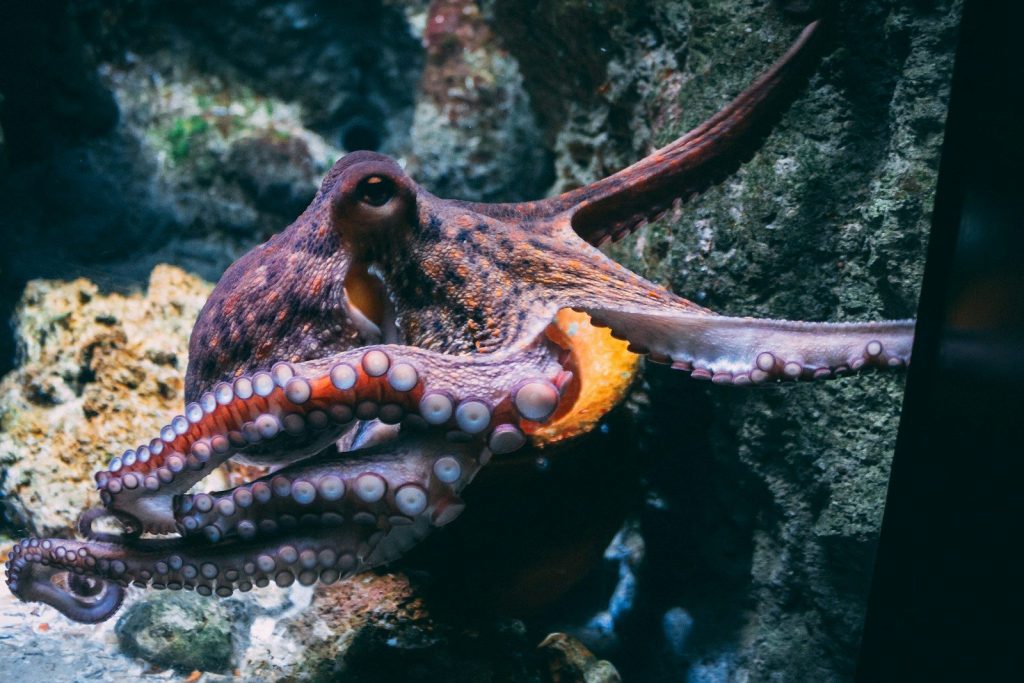
One of the strangest ocean clips ever recorded showed an octopus clinging to the back of a fast-moving shark. The footage quickly spread online because it looked almost impossible.
Marine experts suggest the octopus may have attached itself temporarily while searching for protection or simply because it encountered the shark unexpectedly. Encounters between species can produce surprising results, especially in complex ocean ecosystems where animals constantly interact in ways scientists are still discovering.
What viral videos often leave out

The biggest problem with viral wildlife clips is that viewers usually see only a few seconds of a much longer event. Important details such as animal behavior before and after the encounter are often missing.
As a result, ordinary curiosity can appear threatening, and natural behavior can seem mysterious or dangerous. Sharks remain among the most misunderstood animals on Earth. Despite their reputation, attacks on humans are extremely rare, and most shark encounters end without injury. Understanding the science behind these moments helps separate reality from fear and creates a clearer picture of life beneath the waves.
Leave a Reply