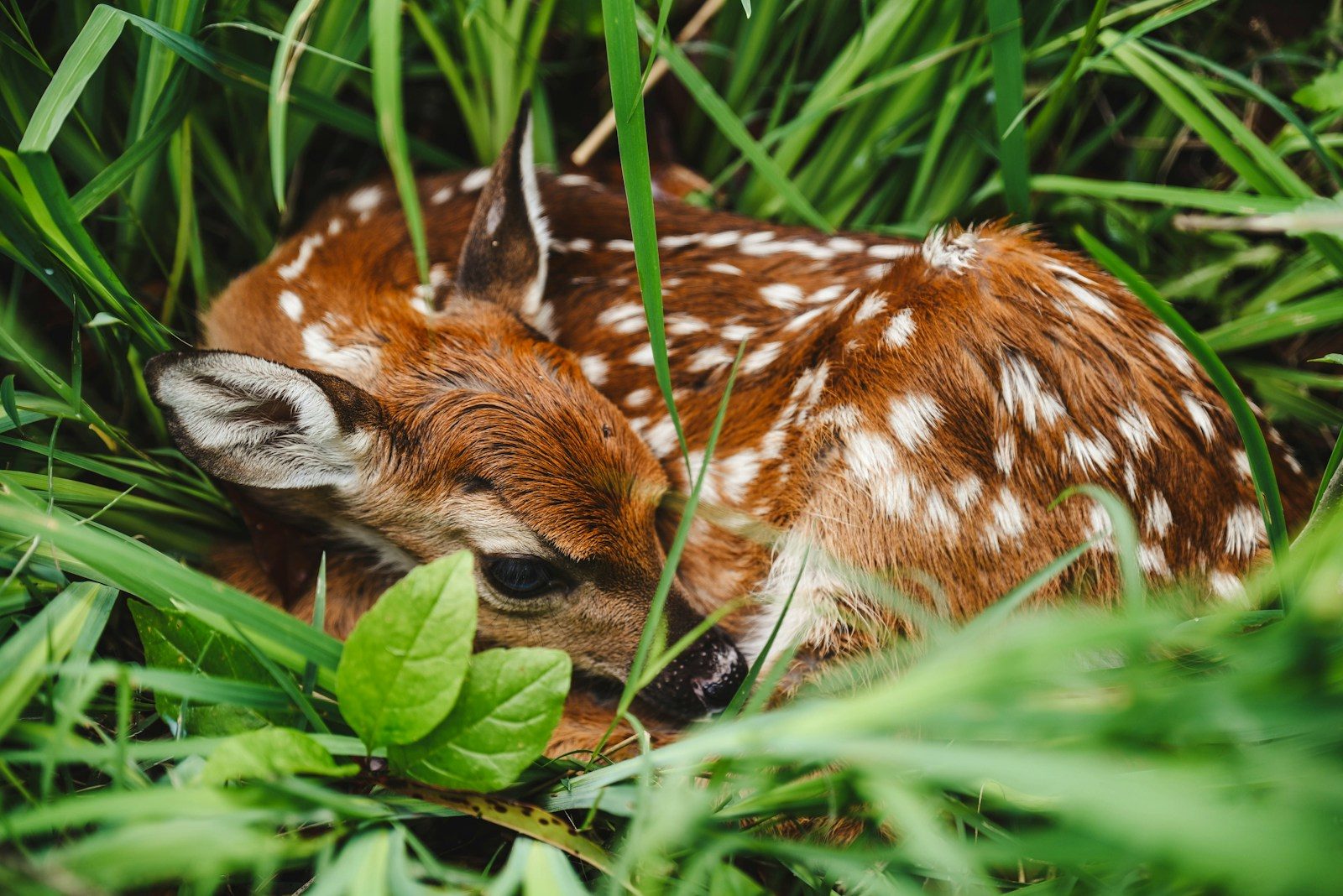
Have you ever wondered why some wild animals seem to remember the people who help them? That question recently came up after a rescued deer stayed close to the woman who saved its life. The touching moment captured attention online and showed the strong bond that can sometimes form between humans and wildlife. While deer are wild animals and usually avoid people, rescue situations can create unusual connections.
In this article, you’ll learn what happened when a woman rescued a trapped baby deer, why the fawn followed her afterward, how deer behavior works, and what wildlife experts say about helping young deer. You’ll also discover why stories like this continue to inspire people around the world.
How the rescue happened
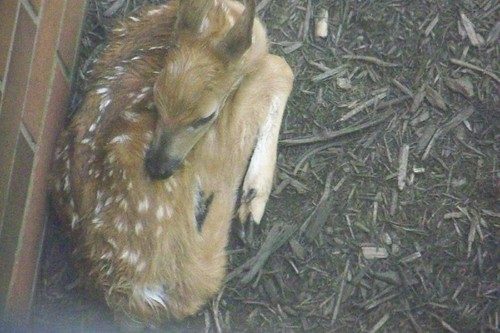
The story began when a woman in New Jersey spotted a young fawn trapped in a drain grate. The baby deer was unable to free itself and appeared frightened. Acting quickly, the woman carefully helped the animal out of the grate and got it back onto its feet. Once the fawn was free, many people expected it to run back into the woods right away. Instead, something surprising happened.
Rather than leaving, the young deer began following the woman wherever she went. Videos of the rescue showed the fawn staying close to its rescuer and seeming reluctant to wander off. The woman gently encouraged the animal to return to the nearby wooded area, but the little deer continued trailing behind her for a period of time.
Why the fawn stayed near its rescuer
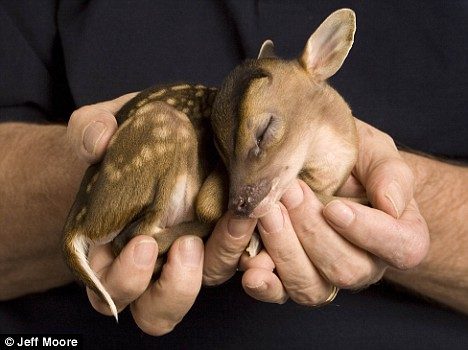
Wildlife experts explain that very young deer often look for safety when they become scared or separated from their mothers. After being trapped and then rescued, the fawn may have briefly viewed the woman as a source of comfort and protection. Young animals sometimes stay close to whoever helps them during a stressful situation.
The behavior does not mean the deer became a pet or permanently bonded with a human. Instead, it was likely a short-term response to fear and confusion. The rescue removed the immediate danger, but the fawn still needed reassurance. Staying near the person who helped it may have felt safer than suddenly venturing off alone.
The special bond between humans and rescued deer
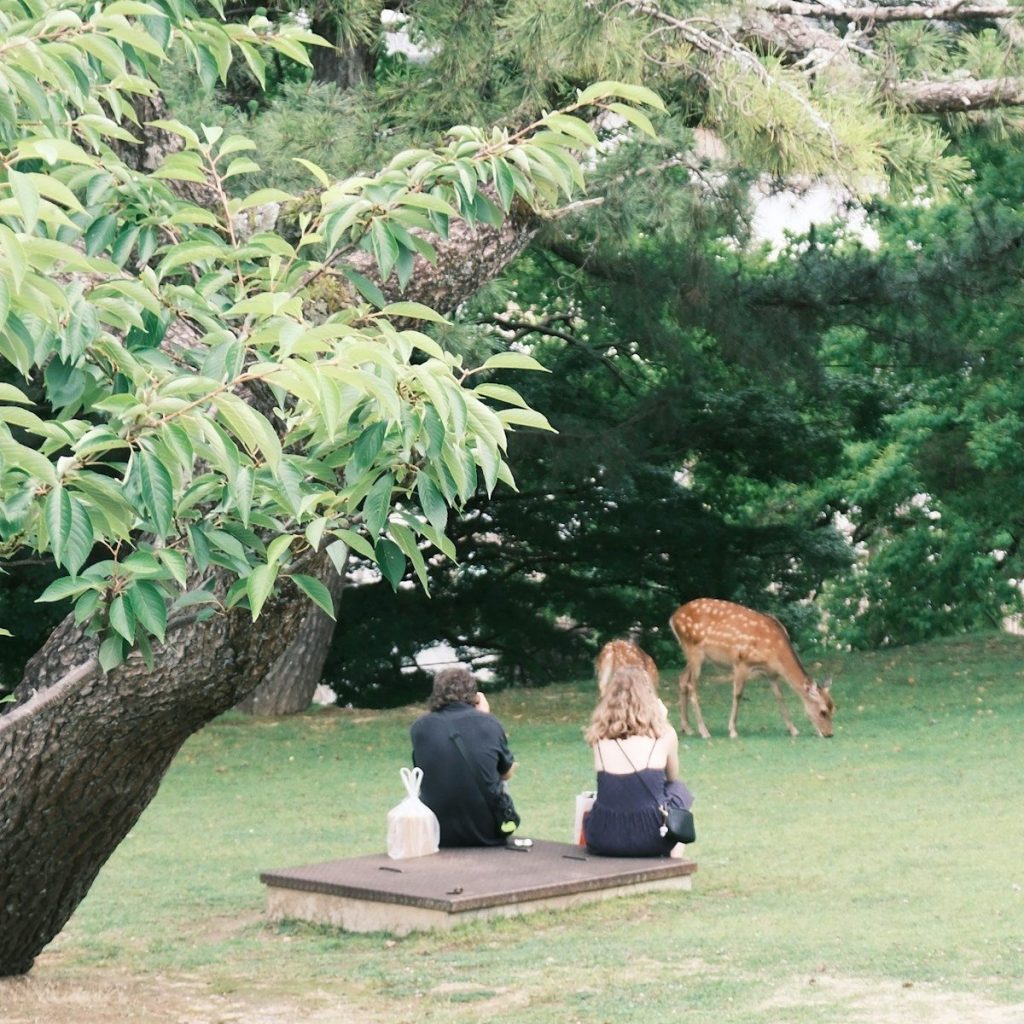
Stories about rescued deer returning to visit their rescuers are not new. Over the years, several documented cases have shown deer revisiting people who cared for them after injuries or emergencies. In one widely reported case, a fawn that had been rehabilitated after losing its mother continued returning to see the person who bottle-fed and cared for it.
These stories often capture public attention because they remind people that animals can remember positive experiences. However, wildlife specialists note that every animal is different. Some deer quickly return to normal wild behavior, while others may temporarily remain comfortable around humans after receiving care. Much depends on the animal’s age, circumstances, and amount of human contact.
How the fawn was reunited with its family
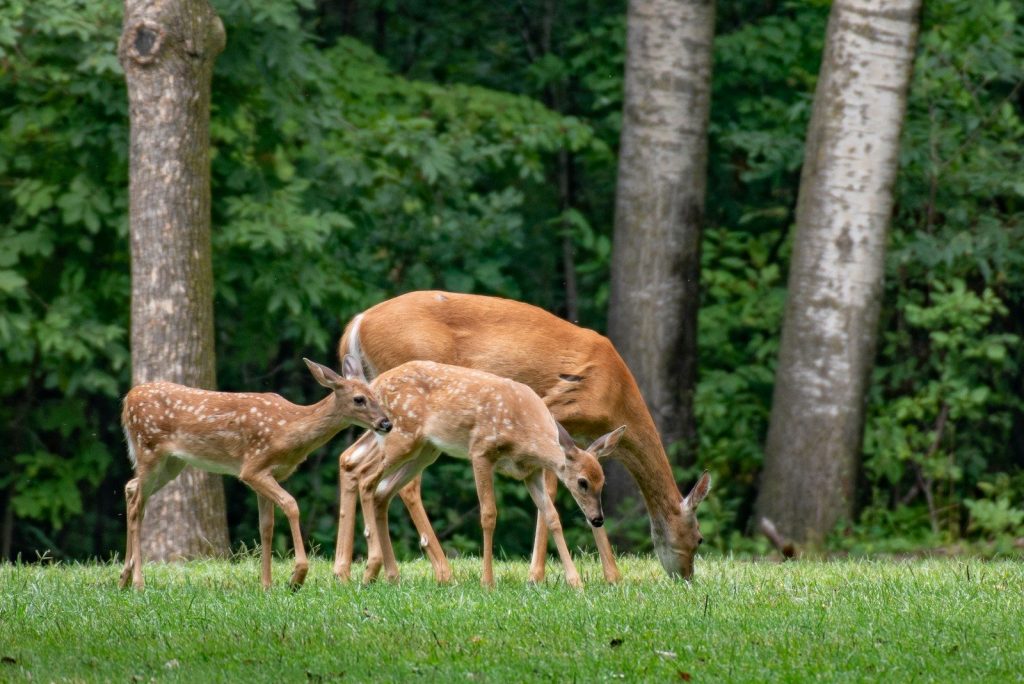
The woman who rescued the deer understood that the animal belonged in the wild. Instead of keeping the fawn close, she guided it toward the area where its mother and sibling were located. Reports later confirmed that the baby deer was reunited with its family after the rescue.
This outcome was important because young deer rely heavily on their mothers for protection and survival. A doe teaches her fawn where to feed, where to rest, and how to avoid danger. Reuniting the baby with its family gave it the best chance of continuing a healthy life in its natural habitat.
What people should know about finding a fawn?
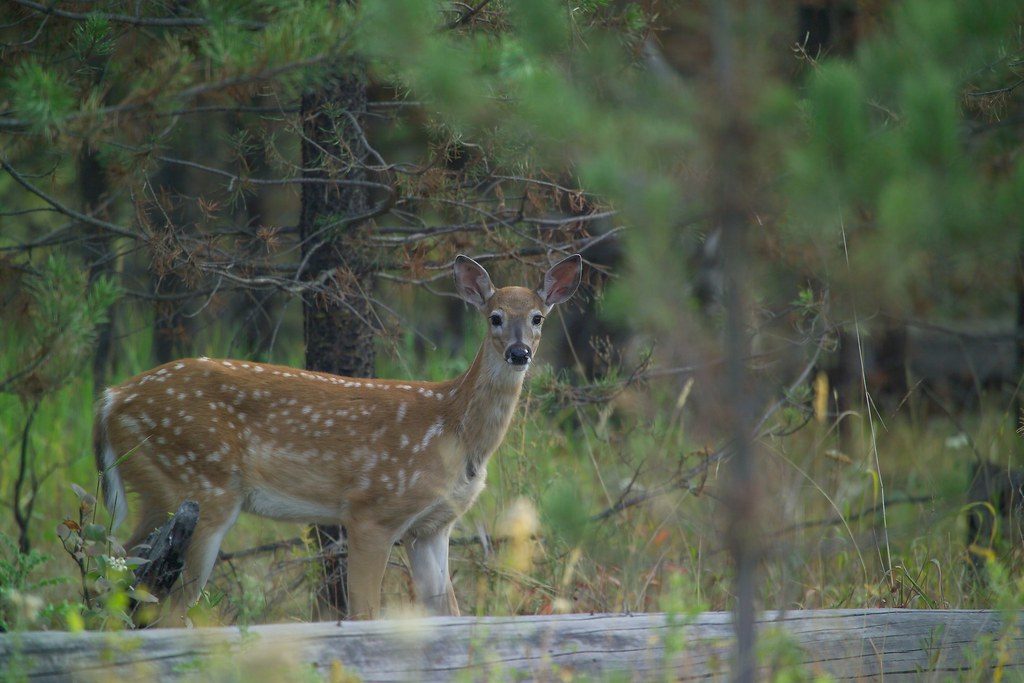
Many people assume a fawn is abandoned when they see one alone. In reality, mother deer often leave their babies hidden for several hours while they search for food. The fawns stay quiet and still, which helps keep them safe from predators. Wildlife rehabilitators frequently remind the public that an apparently lonely fawn may not actually need rescuing.
Experts recommend observing from a distance before intervening. If a fawn is clearly injured, trapped, or in immediate danger, help may be necessary. Otherwise, the best action is often to leave the animal alone and allow the mother to return. Every situation is different, which is why wildlife authorities are often consulted when people are unsure.
Why stories like this matter

The rescued deer story touched many people because it showed kindness in action. The woman did not expect recognition or attention when she helped the trapped animal. She simply saw a living creature in trouble and decided to help. That simple act changed the outcome for the young deer.
Stories like this also remind people about the challenges wildlife face every day. Deer can become trapped in fences, drains, and other human-made structures. When people act responsibly and safely, they can sometimes make a real difference. At the same time, these stories highlight the importance of respecting wildlife and allowing animals to remain wild whenever possible.
Leave a Reply