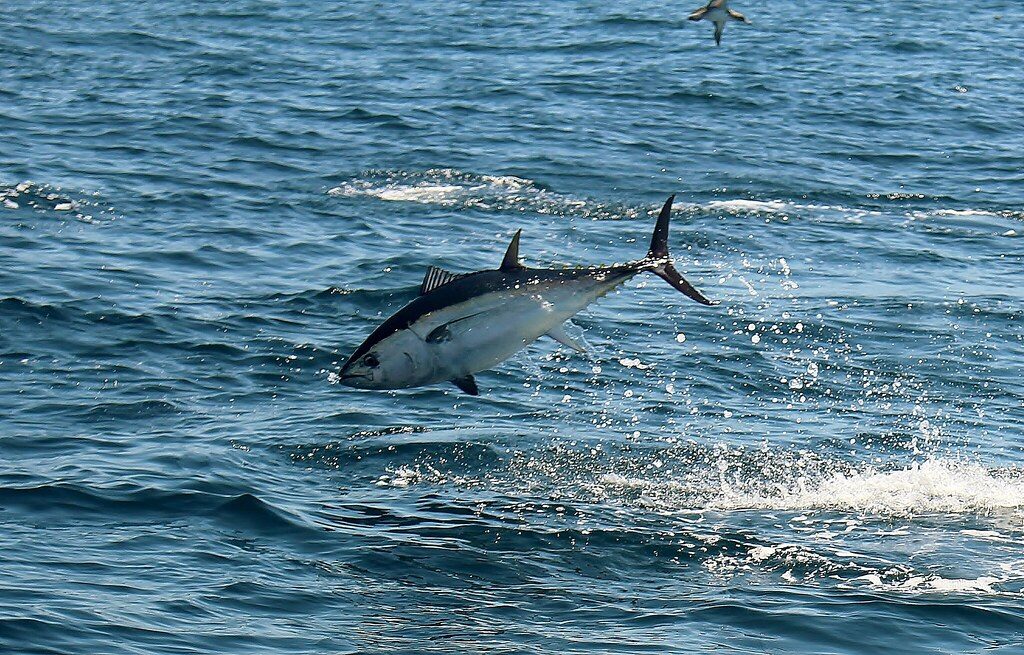
The Atlantic bluefin tuna is one of the fastest and most powerful fish in the ocean. It can reach speeds of up to 40 miles per hour, cross entire oceans in just a few months, and survive in both cold and warm waters. On the surface, it looks like a perfect ocean predator built for survival. But experts are deeply worried, not because of its strength, but because of the pressure humans are putting on it.
This article will explain what makes the Atlantic bluefin tuna so special, why it is considered one of the ocean’s top hunters, and how human demand for sushi and tuna has pushed this amazing fish into serious trouble. You will also learn why scientists are concerned about its future and what is being done to protect it.
What makes the Atlantic bluefin tuna so powerful
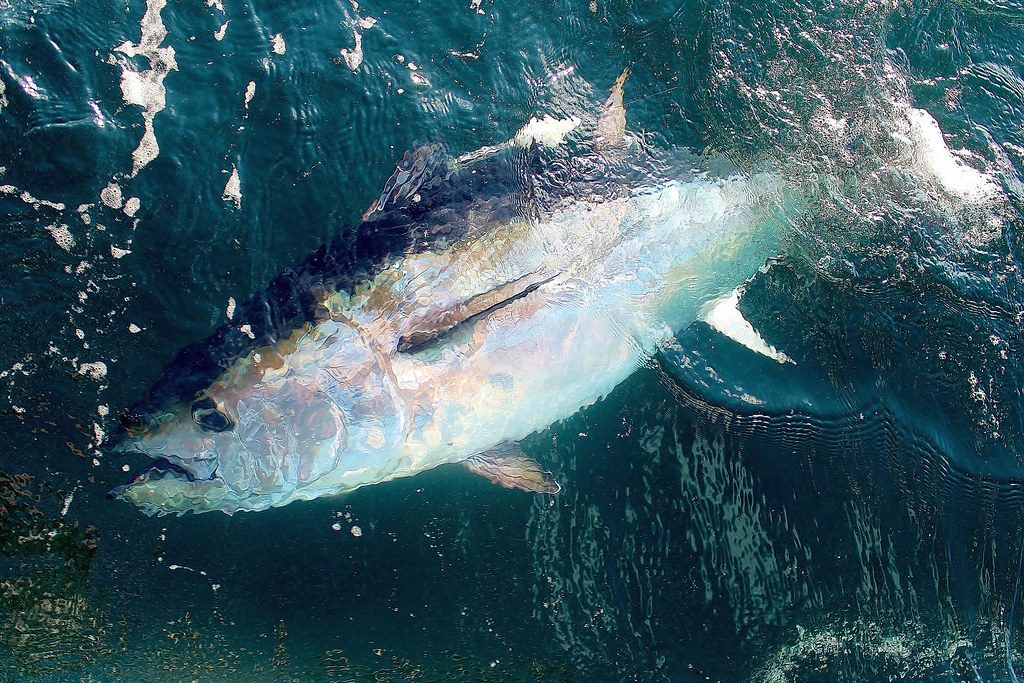
The Atlantic bluefin tuna is built for speed and endurance. Its body is shaped like a torpedo, which helps it move smoothly through water with very little resistance. This design allows it to burst forward quickly and maintain high speeds when chasing prey or traveling long distances.
These fish are also warm-blooded, which is rare for fish. This means they can keep parts of their body warmer than the surrounding water. Because of this ability, they can swim in freezing northern oceans and warm tropical seas without slowing down. Their muscles are extremely strong, and their fins are designed to reduce drag when swimming fast. All of these traits combine to make them one of the most efficient swimmers in the ocean.
How it reaches speeds of up to 40 mph
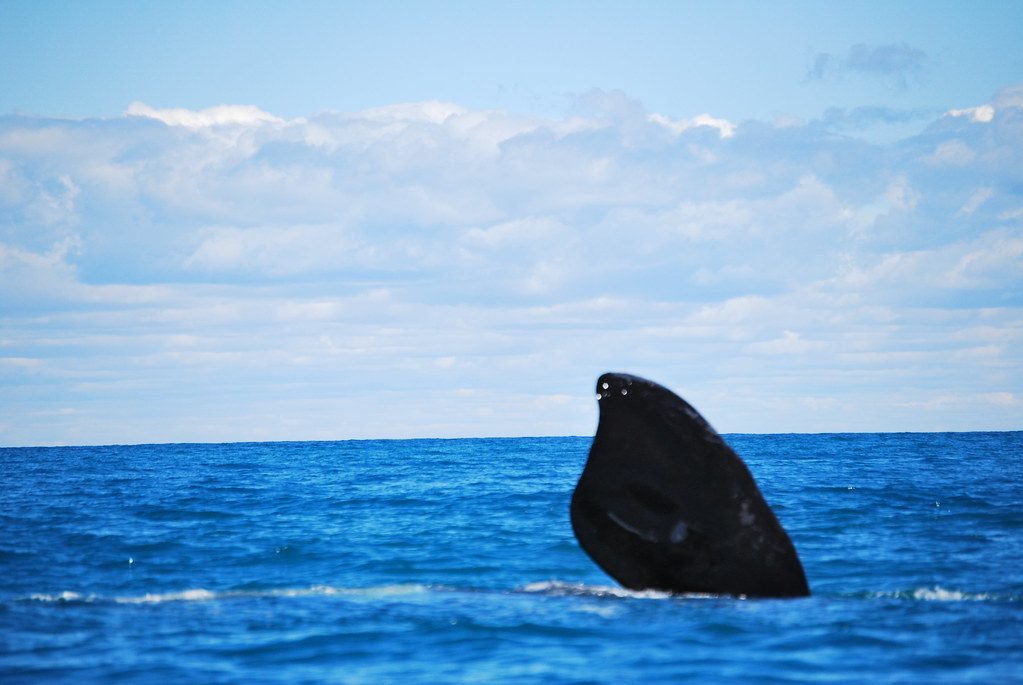
The Atlantic bluefin tuna can reach speeds of around 40 miles per hour in short bursts. It uses a powerful tail, called a caudal fin, to push through the water with strong, rapid movements. Unlike many fish that move their whole body side to side, bluefin tuna keep their bodies stiff and rely mostly on their tail for speed.
This swimming style gives them both power and control. It allows them to quickly chase fast prey like mackerel and sardines. It also helps them escape predators when they are young. Their body is supported by a highly efficient circulatory system that delivers oxygen quickly to their muscles, giving them the energy needed for such fast movement.
Why can it cross entire oceans?

One of the most impressive things about the Atlantic bluefin tuna is its ability to migrate across huge distances. These fish travel thousands of miles across the Atlantic Ocean every year. Some individuals move between spawning areas in the Gulf of Mexico and feeding grounds in the North Atlantic and Mediterranean Sea.
This migration is not random. It follows seasonal patterns tied to feeding and reproduction. Bluefin tuna need warm waters to spawn and colder waters rich in food to grow and build energy. Because of their strong bodies and temperature control abilities, they can complete these long journeys in just a few months. This makes them one of the most widely traveling fish species on Earth.
Why the ocean’s top predator is in trouble

Even though the Atlantic bluefin tuna is a strong and fast predator, it faces serious danger. The biggest problem is overfishing. These fish are highly valued in global seafood markets, especially for sushi and sashimi. This demand has led to decades of heavy fishing pressure.
Bluefin tuna grow slowly and take years to reach full maturity. This makes it difficult for populations to recover once they are reduced. In many parts of the ocean, their numbers dropped sharply because adult fish were caught before they could reproduce. Illegal and unreported fishing in some regions has made the problem worse, pushing certain populations close to collapse.
How sushi demand is driving the problem

A major reason for the decline in bluefin tuna is global demand for high-end sushi. In many countries, especially Japan, bluefin tuna is considered a luxury food. The best cuts can sell for extremely high prices, which encourages large-scale fishing operations to catch as many as possible.
Modern fishing methods also make it easier to capture entire schools of tuna at once. This means large numbers of fish can be removed from the ocean quickly. As demand continues, even strict regulations struggle to keep populations stable. Scientists warn that if fishing pressure stays too high, it could take decades for some populations to fully recover.
What scientists and conservationists are doing

To protect Atlantic bluefin tuna, international groups have created fishing limits and monitoring systems. These rules are designed to control how many fish can be caught each year and protect younger fish so they can grow and reproduce. Scientists also track tuna using tags to learn more about their migration and behavior.
In some regions, conservation efforts are showing signs of success. Better management and stricter rules have helped certain populations begin to recover slowly. However, experts agree that continued protection is needed. Without careful management, the progress that has been made could easily be reversed.
Leave a Reply