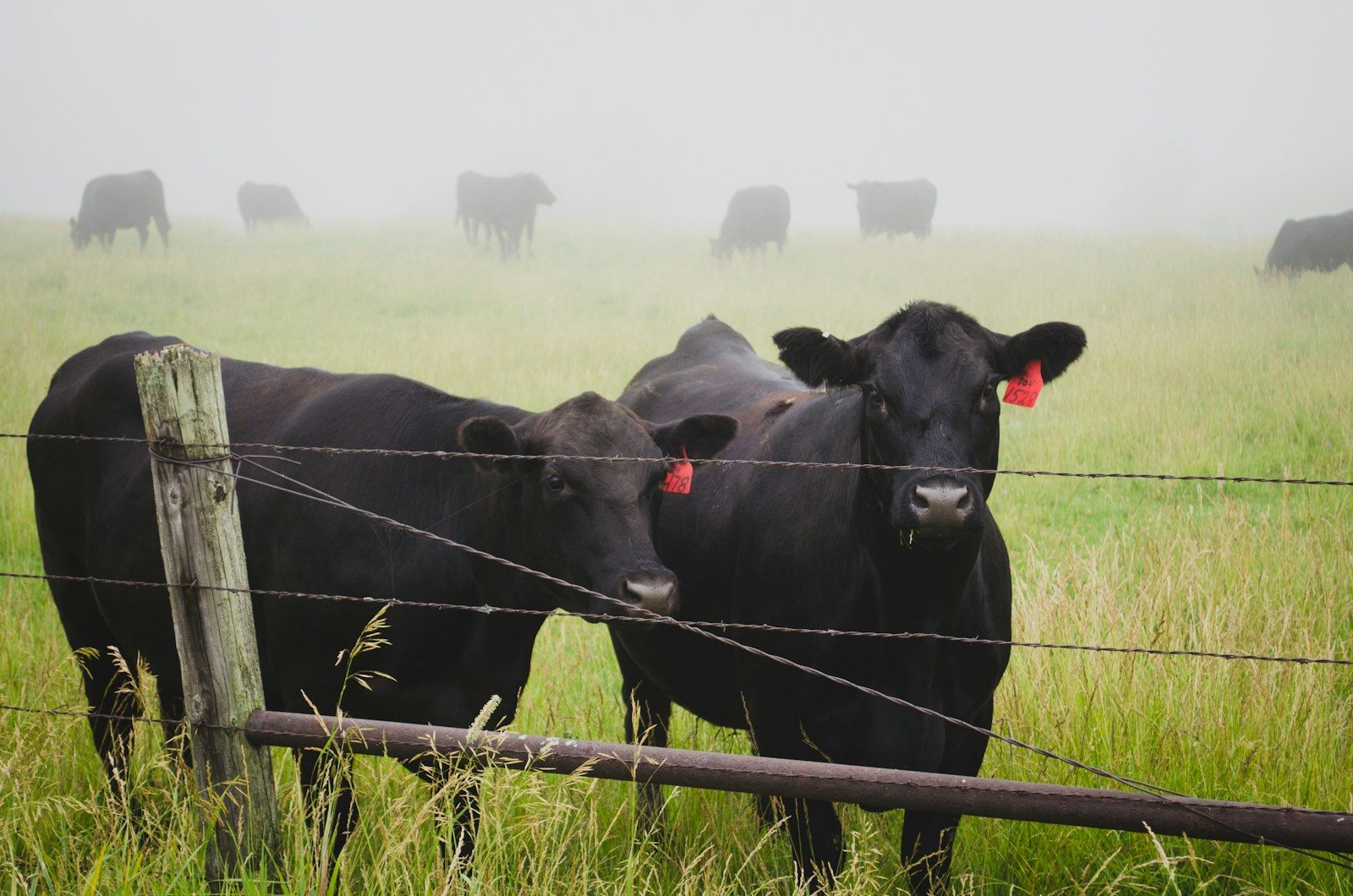
Canada has moved quickly to restrict livestock imports from Texas after officials confirmed the presence of the dangerous New World screwworm in the U.S. state. This decision comes as health and agriculture authorities warn that the parasite, once eradicated in North America, could threaten cattle, horses, and other farm animals if it spreads further. The issue has raised fresh concern among farmers, ranchers, and meat supply chains that depend on safe cross-border trade.
In this article, you will learn what led to Canada’s decision, what the New World screwworm is, how it affects livestock, and why governments are acting so fast. We will also explore the potential economic impact, the response from U.S. and Canadian officials, and what this means for food safety and future livestock trade between the two countries.
What triggered Canada’s import restrictions
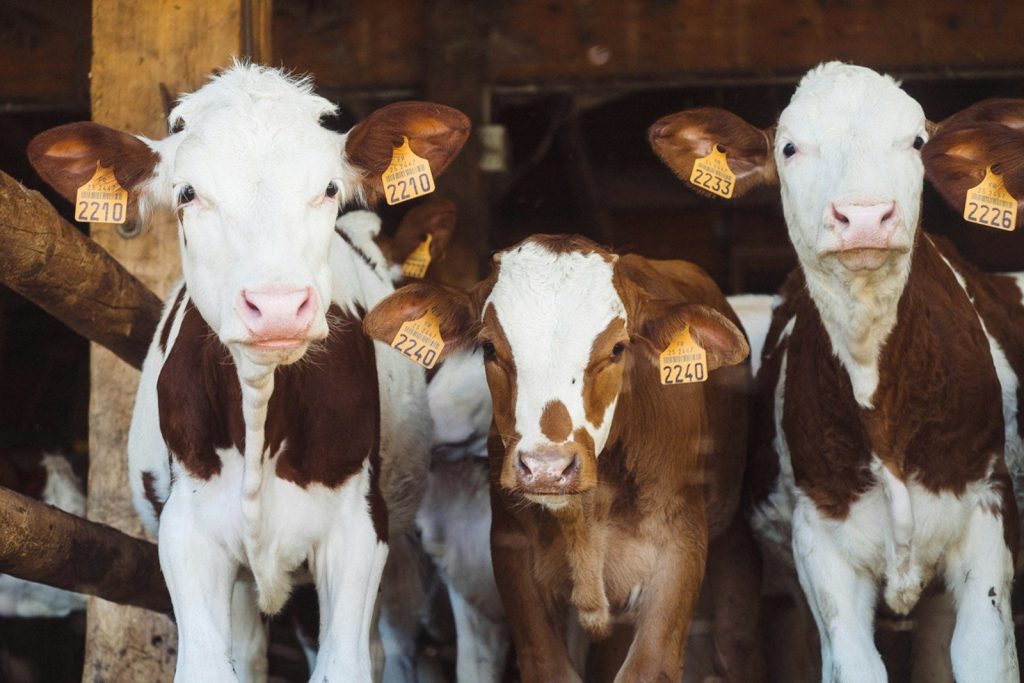
Canada’s decision to block livestock imports from Texas was triggered by a confirmed case of New World screwworm in a calf in southern Texas. This marked the first known appearance of the parasite in the state in decades, raising alarms across North America’s agriculture sector. The Canadian Food Inspection Agency responded by temporarily restricting animals such as cattle, horses, and other livestock that had been in Texas recently.
Officials said the goal is to prevent any chance of the parasite crossing the border and establishing itself in Canada. Even though Canada’s colder climate makes long-term survival of the screwworm unlikely, authorities stressed that short-term exposure risk during warmer months still exists. As a result, precautionary measures were introduced immediately to protect livestock health and prevent wider disruption.
What the New World screwworm is
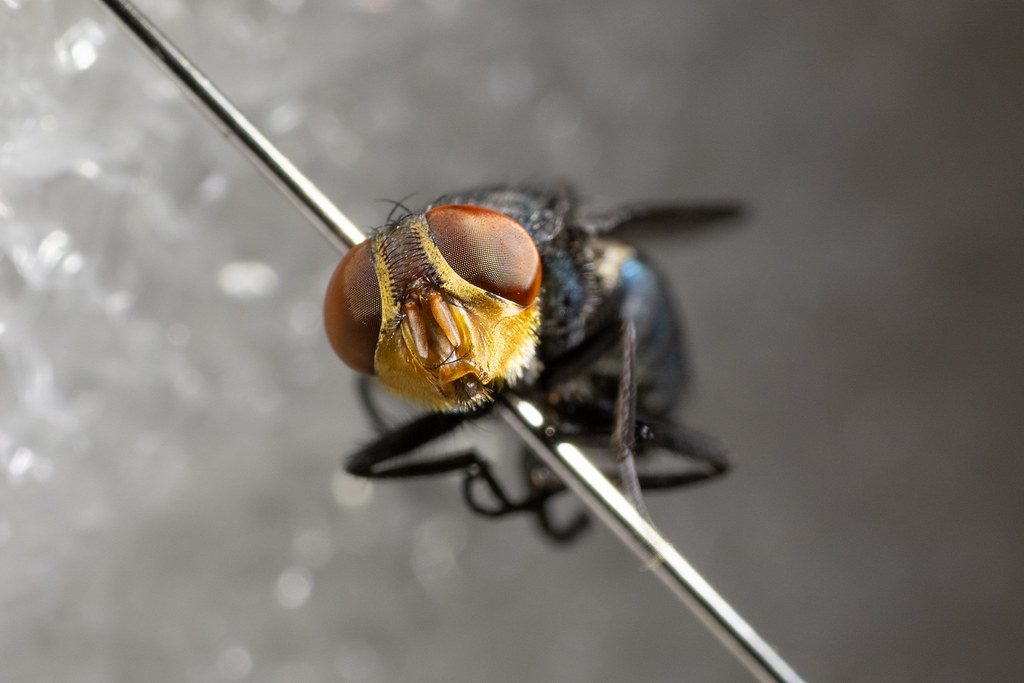
The New World screwworm is a parasitic fly whose larvae feed on the living flesh of warm-blooded animals. It typically enters through open wounds, cuts, or natural body openings, where the larvae begin to grow by consuming tissue. If not treated quickly, infestations can become severe and even deadly for livestock.
The parasite was previously eliminated from the United States in the 1960s through large-scale eradication programs. However, recent cases in Texas suggest it has been moving northward from parts of Central America and Mexico. Experts say that while human infections are rare, animals such as cattle, goats, and horses are highly vulnerable, making it a serious threat to agriculture.
Why livestock are at serious risk
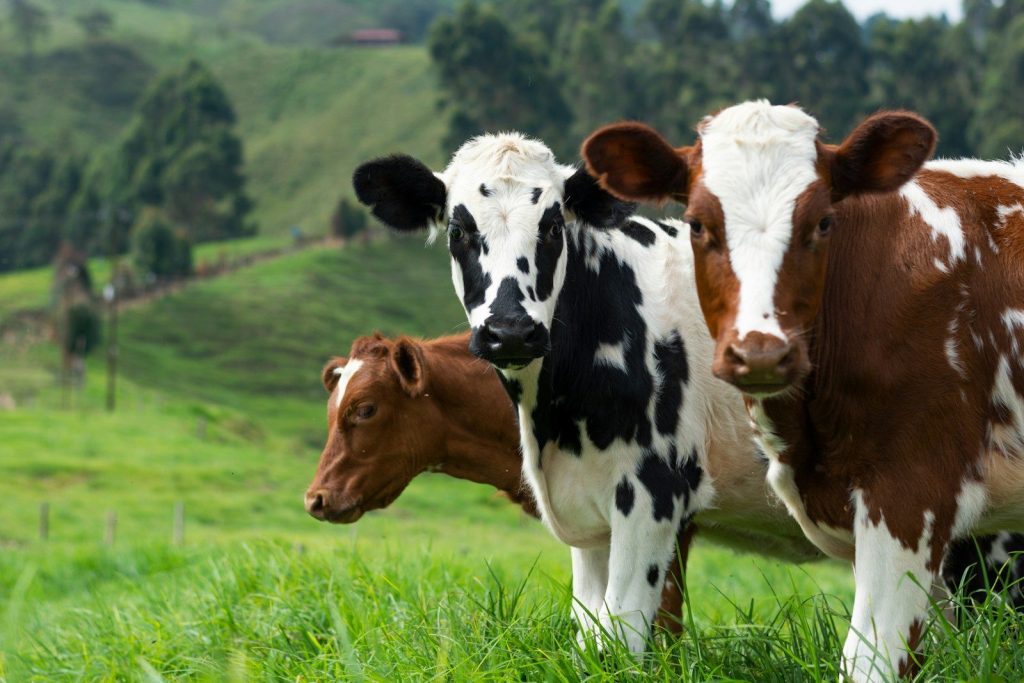
Livestock are especially vulnerable because farm animals often have minor wounds from grazing, handling, or transportation. These small injuries can attract screwworm flies, which lay eggs directly in the open tissue. Once the larvae hatch, they begin feeding aggressively, causing deep wounds and infections.
Without fast veterinary treatment, infected animals can weaken quickly and die. This creates major concern for ranchers who manage large herds, where spotting every infection early can be difficult. Even a small outbreak can spread rapidly through a herd, leading to high economic losses and increased pressure on veterinary systems.
How Canada is trying to prevent the spread
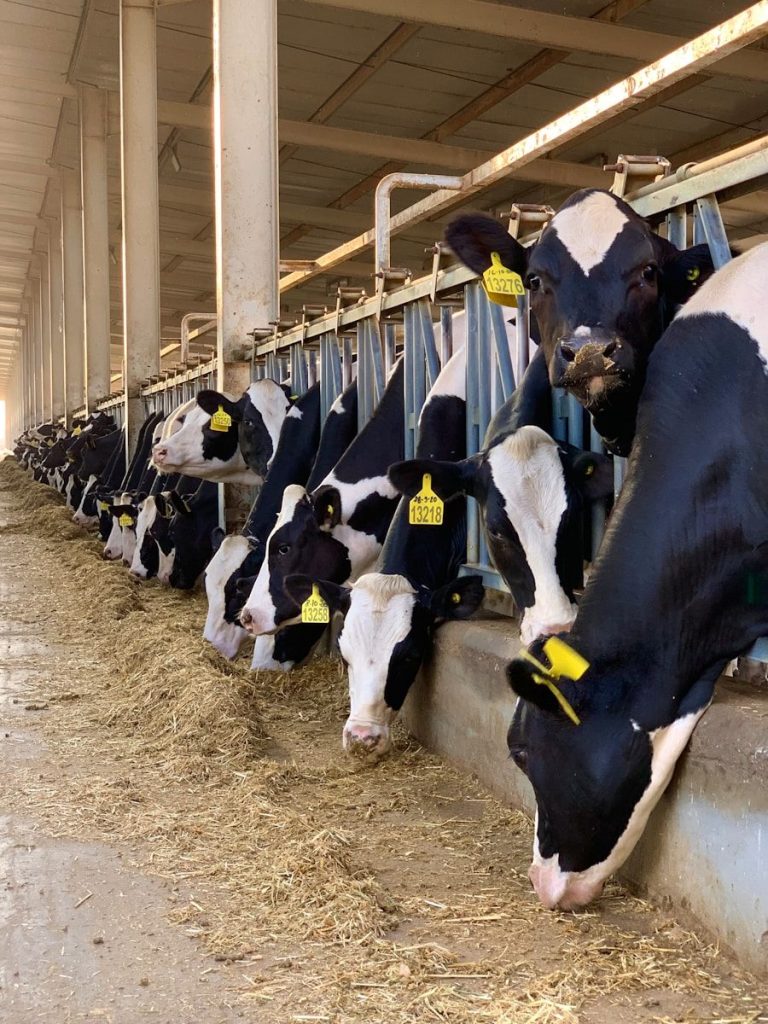
Canada’s restrictions focus on preventing any potentially exposed animals from entering the country. Livestock from Texas or animals that were recently in the region are now blocked from crossing the border. These rules apply mainly to cattle, horses, and other farm animals commonly traded between the two countries.
In addition to import limits, officials are encouraging strict inspections and monitoring. Farmers and veterinarians are being asked to watch for warning signs such as unusual wounds, infections, or foul-smelling discharge. The aim is early detection, which is considered the most effective way to stop any possible spread before it becomes a larger problem.
Economic impact on farmers and trade
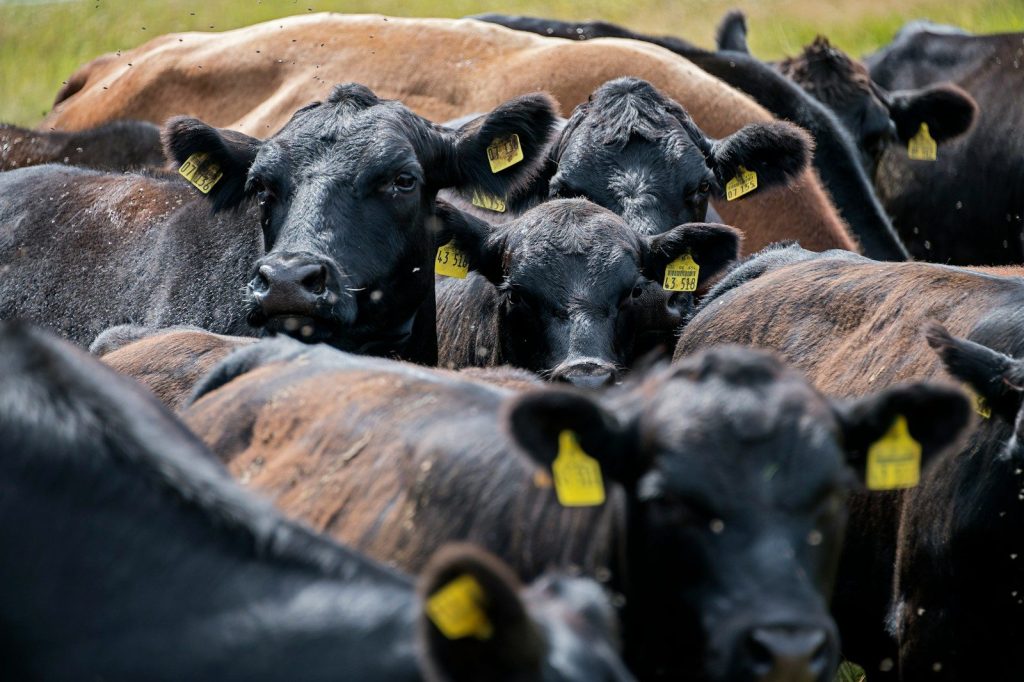
The restrictions are expected to have short-term effects on livestock trade between the United States and Canada. Texas is a major cattle-producing region, and Canada is one of its important export partners. Even temporary limits can slow down shipments and affect market prices.
For farmers and ranchers, uncertainty is a major concern. If the screwworm spreads further, it could lead to stricter controls, higher inspection costs, and reduced demand for livestock movement across borders. At the same time, governments are trying to balance disease prevention with keeping trade as stable as possible to avoid long-term disruption.
Government response and future outlook

Both U.S. and Canadian agricultural authorities are now working on containment strategies. In the United States, officials are using quarantine zones, surveillance, and sterile fly release programs to control the parasite. These methods aim to reduce reproduction and stop the spread of the insect population.
Canada, meanwhile, is taking a prevention-first approach by limiting imports early. Experts believe that coordinated action between both countries will be key to controlling the situation. While the risk of widespread infestation remains uncertain, authorities agree that fast response is necessary to protect livestock industries and maintain food system stability.
Leave a Reply