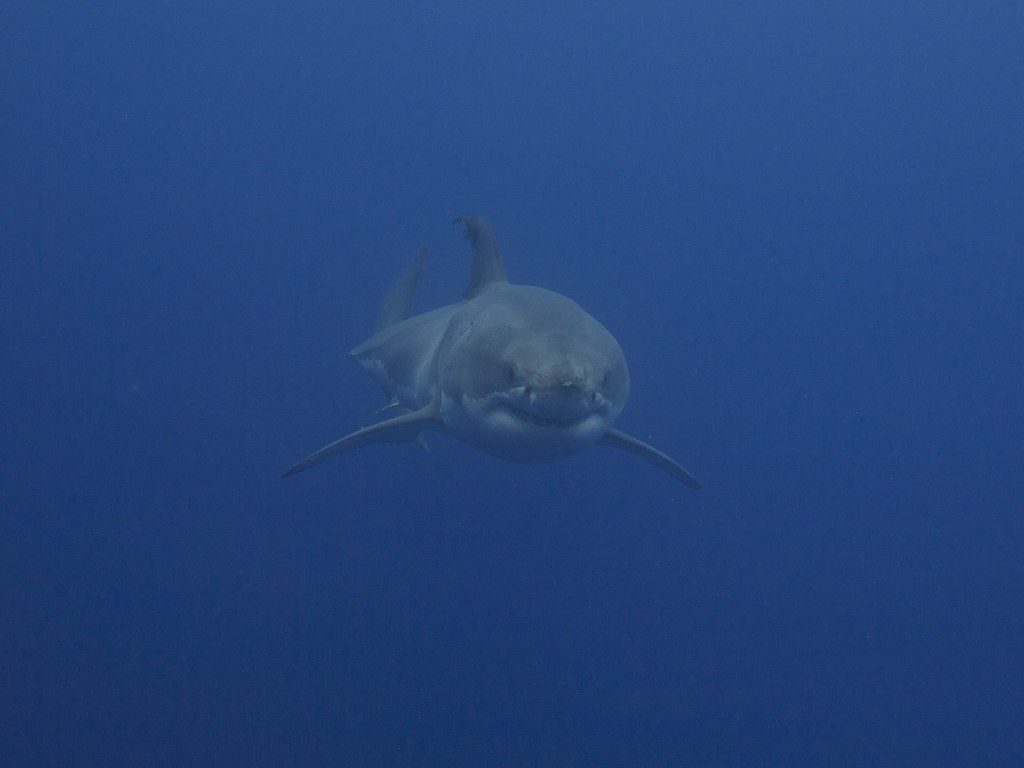
The ocean is home to many hunters, but few animals inspire as much awe as the great white shark. People often wonder what makes this shark so successful and why it has earned a reputation as one of the ocean’s most powerful predators. The answer lies in a combination of size, speed, intelligence, and specialized hunting skills that have helped the species survive for millions of years.
Great white sharks are not just large fish. They are highly adapted hunters that play an important role in keeping marine ecosystems balanced. From their powerful jaws to their advanced senses, every part of their body is built for survival. In this article, you will learn what makes great white sharks such effective predators, how they hunt, what they eat, and why they remain one of the most important animals in the sea.
Great white sharks are built for power
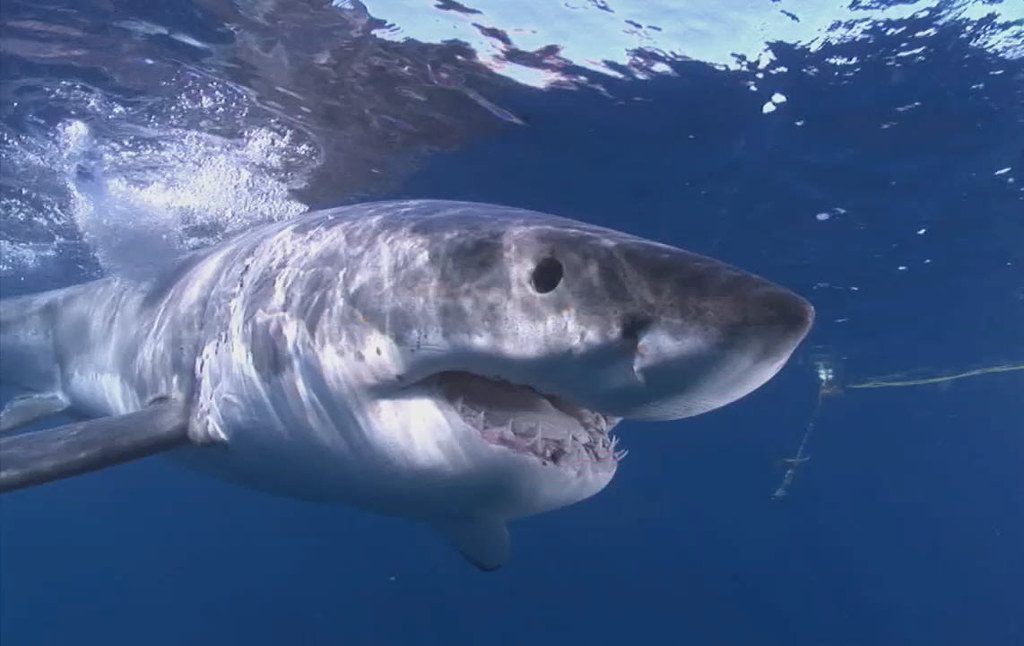
Great white sharks are among the largest predatory fish on Earth. Fully grown adults can reach lengths of about 21 feet and weigh several thousand pounds. Their bodies are shaped like torpedoes, allowing them to move efficiently through the water while using less energy than many other large marine animals. Their size alone gives them a major advantage over most prey species.
Their bodies are packed with strong muscles that help them swim fast and strike with incredible force. Unlike many fish, great white sharks can maintain parts of their body at temperatures warmer than the surrounding water. This special adaptation allows them to stay active in cooler seas and gives them greater endurance while hunting.
Their senses are highly advanced
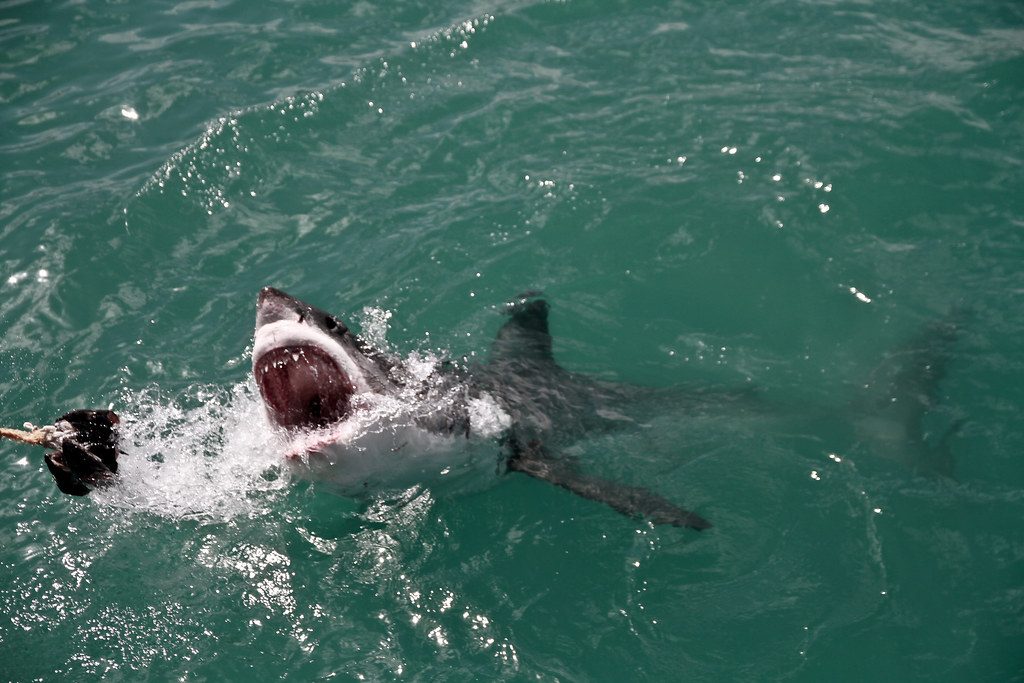
A great white shark’s success begins long before it reaches its prey. These sharks have excellent eyesight and can spot movement in the water from considerable distances. Their eyes are especially useful when hunting near the surface, where seals and sea lions are often found. Strong vision helps them identify potential prey and time their attacks with precision.
Their other senses are even more impressive. Great white sharks have an exceptional sense of smell and can detect tiny traces of substances in the water. They also possess special organs that allow them to sense electrical signals produced by living animals. Even when prey is hidden or difficult to see, these abilities help the shark locate it. Together, these senses create a hunting system that is among the most effective in the animal kingdom.
Their bite is one of the strongest in nature
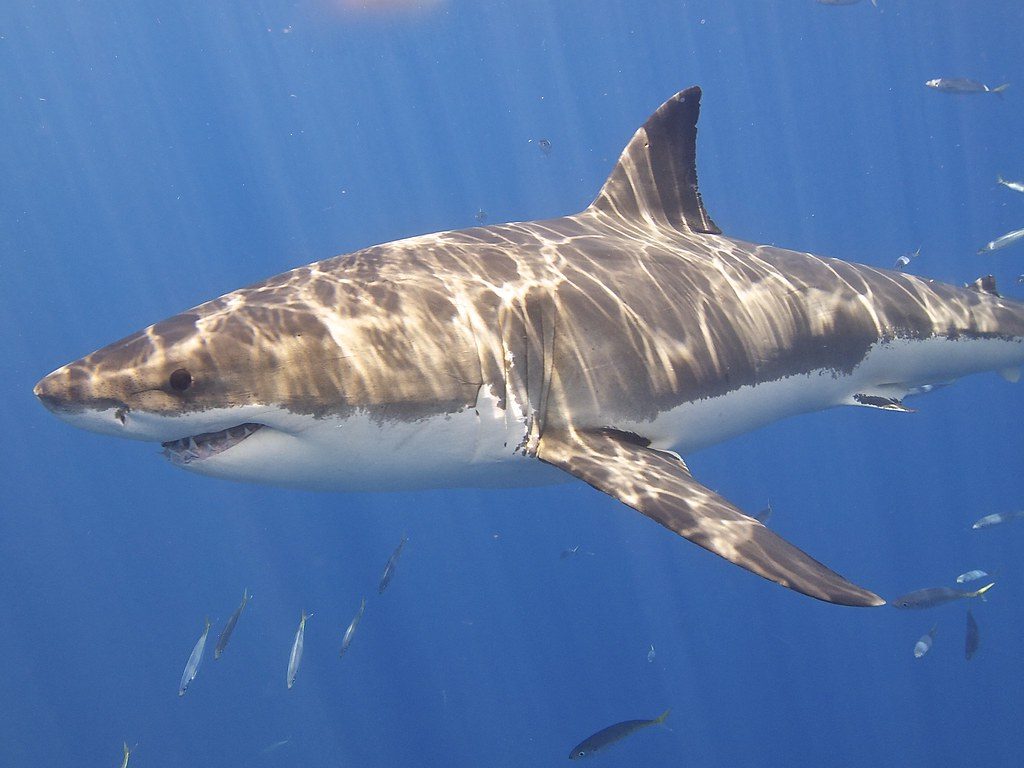
One of the most famous features of the great white shark is its powerful bite. Scientific studies estimate that a large great white can generate a bite force of around 18,000 newtons. This places it among the strongest bites ever recorded in the animal world. Such force allows the shark to quickly disable large prey and tear through thick skin, muscle, and bone.
The shark’s teeth are equally important. Great white sharks have large triangular teeth with sharp serrated edges. These teeth act like rows of steak knives, making it easier to slice through flesh. When a tooth is lost, another one moves into place. This constant replacement system ensures the shark is always equipped with effective tools for hunting and feeding.
They use smart hunting strategies

Great white sharks do not simply chase prey until it becomes tired. Instead, they often rely on surprise attacks. A shark may swim below a seal or sea lion and then rush upward at high speed. This sudden attack gives the prey little time to react. The force of the strike can sometimes launch the prey out of the water, creating the dramatic breaches often seen in wildlife documentaries.
Researchers have observed a hunting method often described as “bite and wait.” After delivering a powerful bite, the shark may back away and wait for the injured prey to weaken. This approach reduces the risk of injury to the shark while conserving energy. It demonstrates that great white sharks are not simply powerful animals but also strategic hunters capable of making efficient decisions.
Their diet places them near the top of the food chain
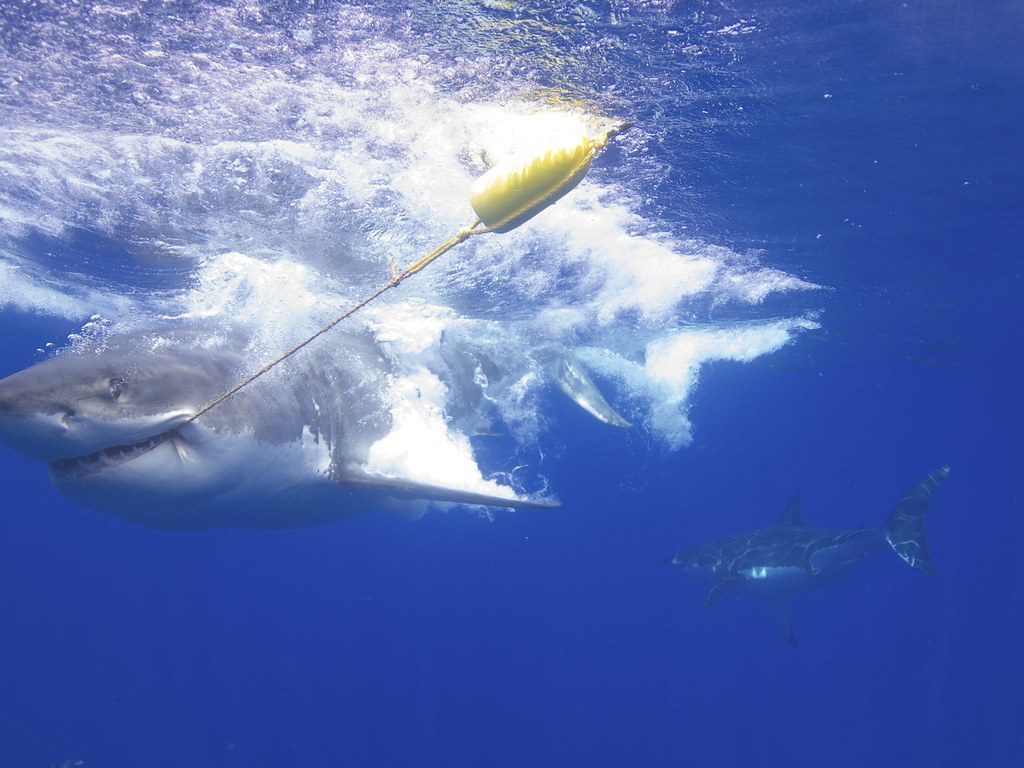
As young sharks, great whites feed mainly on fish and smaller sharks. As they grow larger, their diet expands significantly. Adult great white sharks hunt seals, sea lions, dolphins, porpoises, sea turtles, and occasionally small whales. They are also known to feed on whale carcasses when the opportunity arises. This wide range of prey allows them to thrive in many different marine environments.
Because they feed on large animals and have few natural enemies, great white sharks are generally considered apex predators in many marine ecosystems. Their presence helps regulate prey populations and contributes to healthy ocean food webs. When top predators disappear, entire ecosystems can become unbalanced, which shows how important these sharks are to ocean health.
Few animals challenge a great white shark

For most of their lives, great white sharks face very few threats from other animals. Their size, strength, and hunting ability make them dominant predators across much of their range. This status has helped them become one of the most recognized marine species in the world. In many ocean regions, adult great whites occupy the highest levels of the food chain.
There are exceptions. In some areas, killer whales, also known as orcas, have been observed hunting great white sharks. These encounters are rare compared with the shark’s overall range, but they show that even powerful predators can face challenges. Despite this, great white sharks remain among the most effective hunters in the ocean and continue to play a critical ecological role wherever they are found.
Leave a Reply