Across North America, many wild animals are struggling to survive in a changing world. From oceans to deserts to small lakes, their habitats are shrinking, polluted, or disrupted by human activity. In fact, more than one-third of wildlife in the United States is now at risk of extinction, showing how serious the problem has become.
In this article on the most endangered animals in North America, you will learn about six species that are in critical danger. These animals include land reptiles, ocean giants, and rare amphibians, each facing unique threats like habitat loss, fishing activity, pollution, and climate change. By understanding their situation, we can see why protecting wildlife is so important for the future of nature and ecosystems.
Red wolf survival is under threat
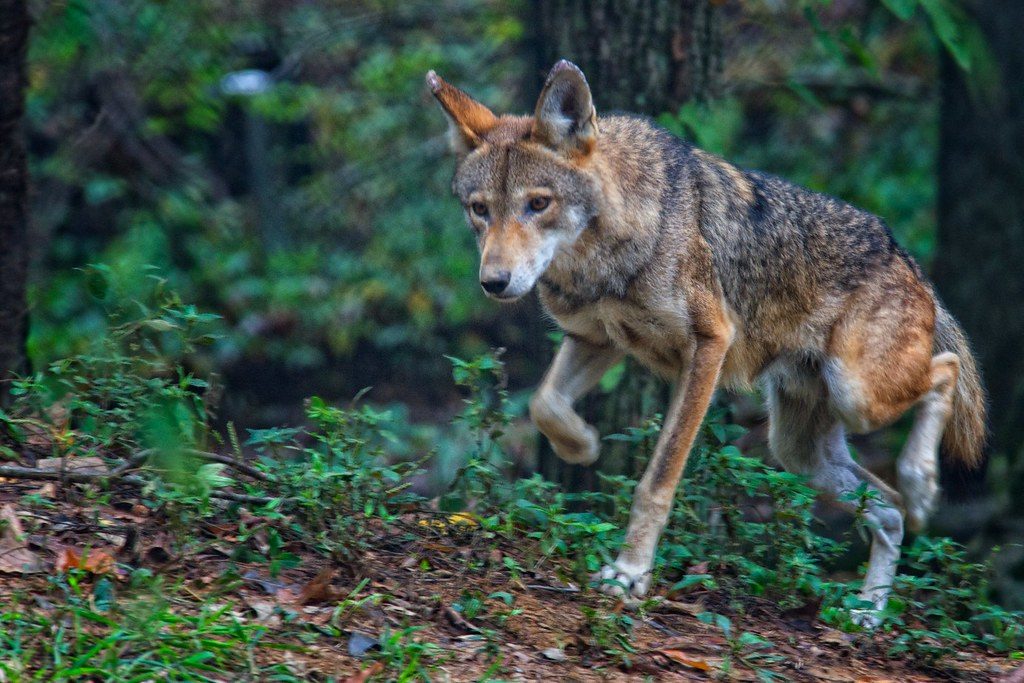
Red wolves are part of the dog family and are smaller than gray wolves but larger than coyotes. They have tawny red-gray coats and once lived across the eastern and southern United States. Today, they are found only in North Carolina, where they live in forests, swamps, and coastal prairies, and hunt deer, raccoons, and rabbits.
Red wolves were declared extinct in the wild in 1980, but were brought back in 1987. Even with this effort, their numbers are still falling. In 2025, only about 20 to 30 mature red wolves are left in the wild. They are listed as critically endangered.
One major threat is hybridization with coyotes. Another serious issue is illegal killing, especially when wolves come into conflict with landowners. These pressures continue to push the species closer to extinction.
Axolotls are disappearing from their only home
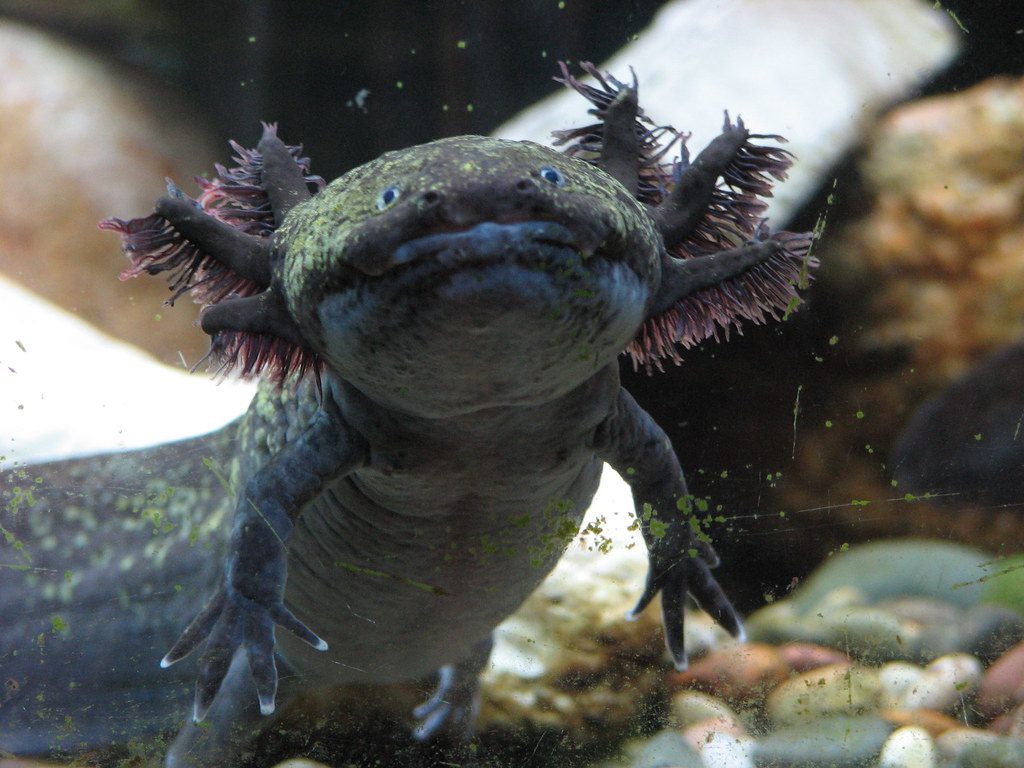
Axolotls are unique amphibians with feathery gills, webbed feet, and a permanent smile-like mouth shape. They are salamanders that never leave their larval stage and stay underwater for their entire lives. They grow to about 25 centimeters long and eat small aquatic animals, such as crustaceans and fish eggs.
These animals are found only in Lake Xochimilco in Mexico City. This very small natural range makes them extremely vulnerable. In the wild, axolotls are usually gray-brown and depend entirely on this water system to survive.
In 2025, axolotls are listed as critically endangered with a declining population. Pollution and the draining of their habitat for flood control are major threats. Even though conditions have improved slightly in recent years, their survival is still at risk.
North Atlantic right whales face ocean dangers
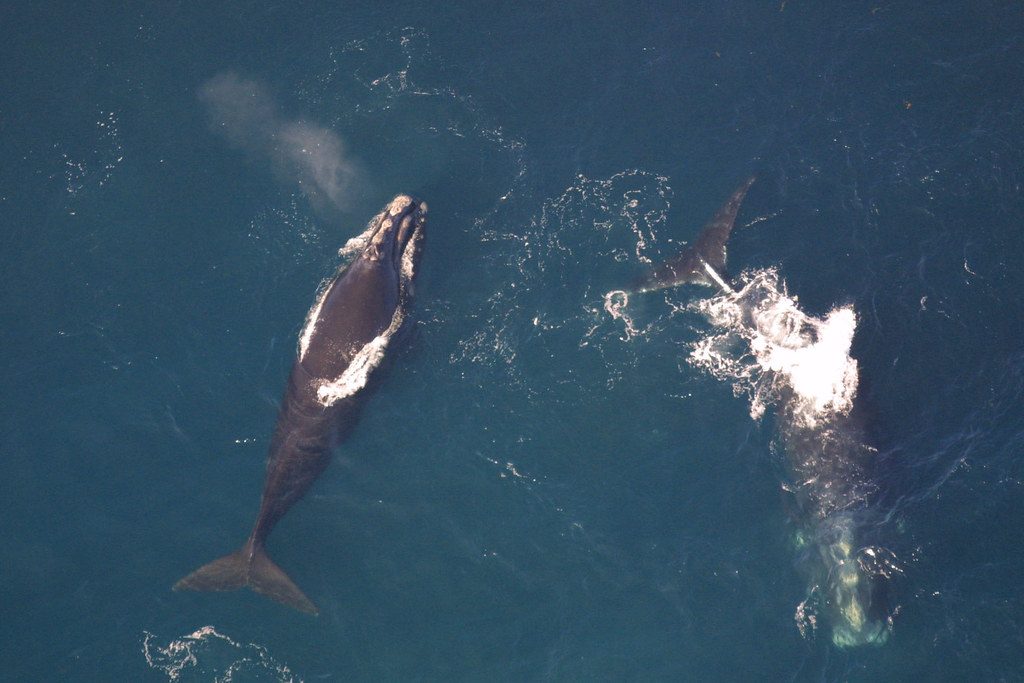
North Atlantic right whales are enormous marine mammals that can grow up to 15 meters long and weigh up to 70,000 kilograms. They move slowly through the Atlantic Ocean, feeding on tiny sea creatures like krill and zooplankton. They travel between deep waters for feeding and shallow waters for calving.
These whales are critically endangered, with only about 370 individuals left in 2025. Even more concerning, only around 70 are reproductive-age females. Their survival is extremely fragile.
The biggest threats to these whales are vessel strikes and entanglement in fishing gear. Climate change has also shifted their habitats, forcing them into areas with more human activity. This increases the chances of deadly encounters.
Vancouver Island marmot is critically endangered in Canada
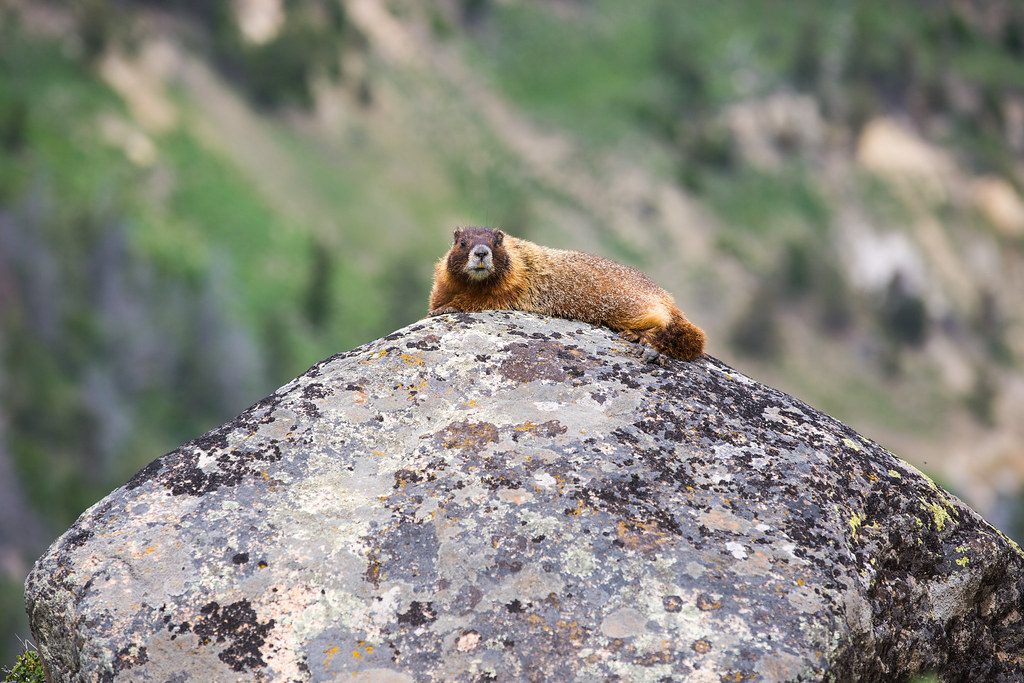
The Vancouver Island marmot lives only on Vancouver Island in Canada. It lives in forests, grasslands, and rocky mountain areas. These marmots are dark brown with white markings on their noses, bellies, and heads, and they also have bushy brown tails.
They are larger than many other marmots, growing up to about 62 to 72 centimeters long and weighing between 3.5 and 5.5 kilograms. Like many mountain animals, they gain weight in warmer months and lose weight during winter hibernation when they sleep for long periods underground.
This species is critically endangered. As of 2025, only about 90 mature individuals are left in the wild. Their biggest threats include predators like cougars and eagles. Human activities such as logging also destroy their habitat and make it easier for predators to reach them, putting the species at even greater risk.
Mojave Desert tortoises are losing their habitat
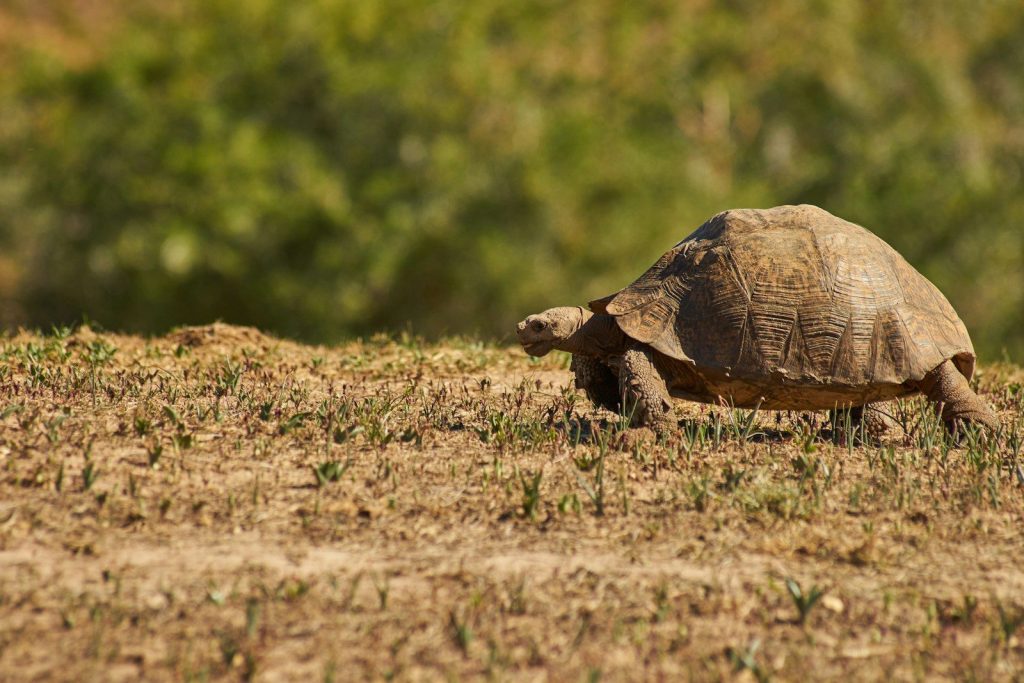
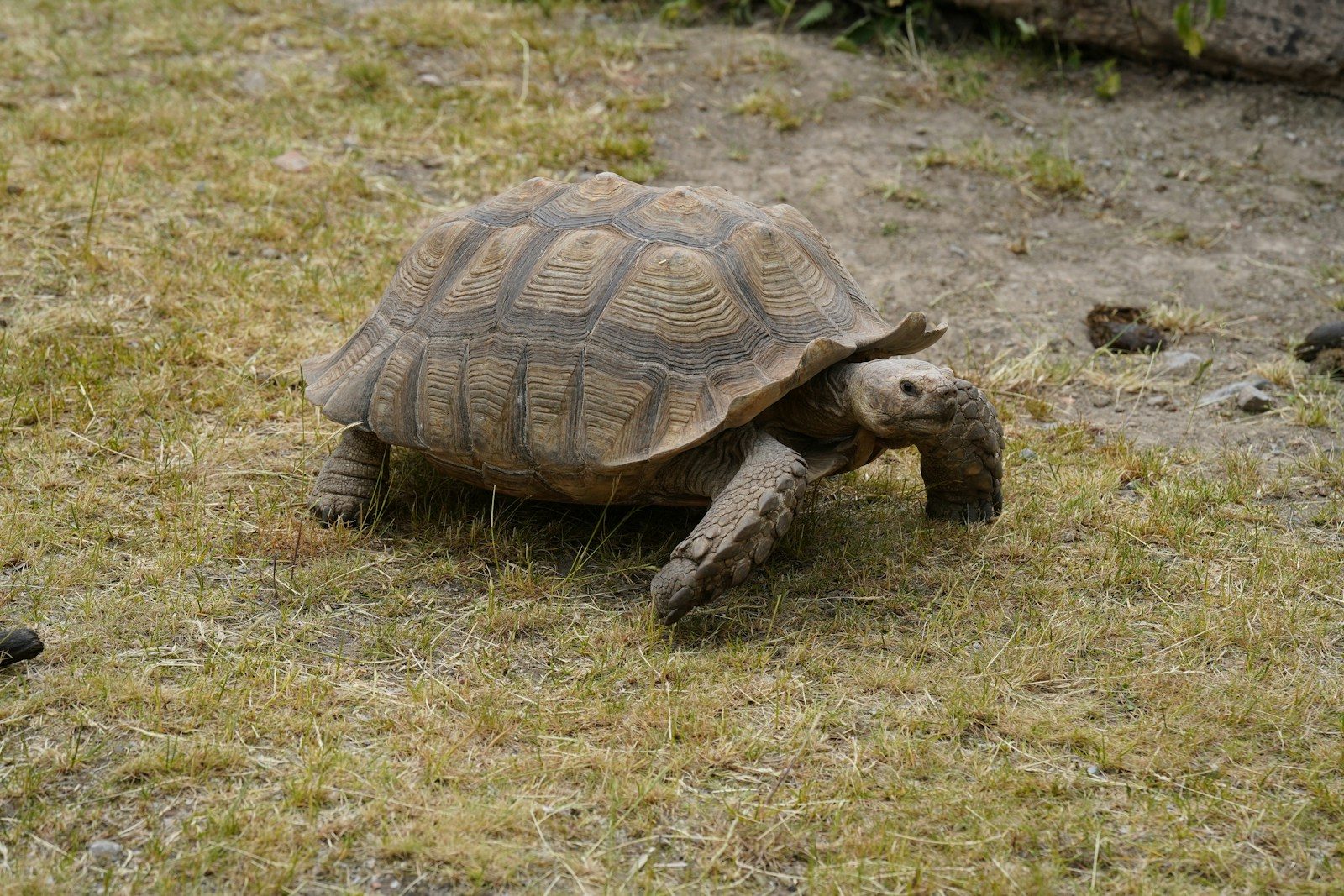
Mojave Desert tortoises have lived in the Mojave Desert for millions of years. They are medium-sized reptiles that feed on plants such as grasses, flowers, and shrubs, as well as cacti. They spend much of the year underground in burrows to avoid extreme heat.
These tortoises are critically endangered, and their numbers have declined significantly over time. Between 2001 and 2020, the number of adults decreased by 36 percent. Their population is also highly fragmented.
Human development is the main cause of their decline. Roads, towns, and cities break up their habitat. Invasive plants also compete with the native vegetation they depend on for food.
Kemp’s ridley sea turtles are caught in fishing activity
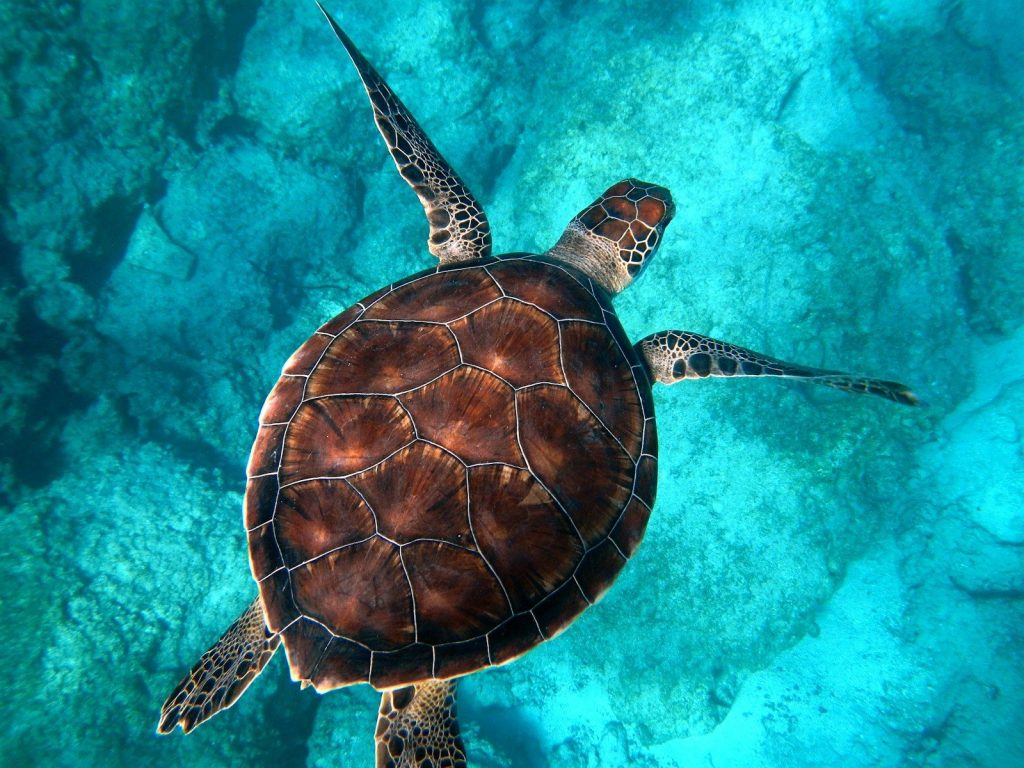
Kemp’s ridley sea turtles are the smallest sea turtles in the world. They live mainly in the Gulf of Mexico but can travel as far north as the Great Lakes. Adults can live up to 50 years and migrate long distances when it is time to nest.
These turtles are critically endangered, and their greatest threat is fishing. They often get accidentally caught in fishing nets and equipment, which can lead to drowning or injury.
Female turtles return to the same beaches where they were born to lay eggs. They sometimes gather in large groups during nesting events called arribadas. Despite this natural cycle, their survival remains uncertain due to ongoing human impacts.
Leave a Reply