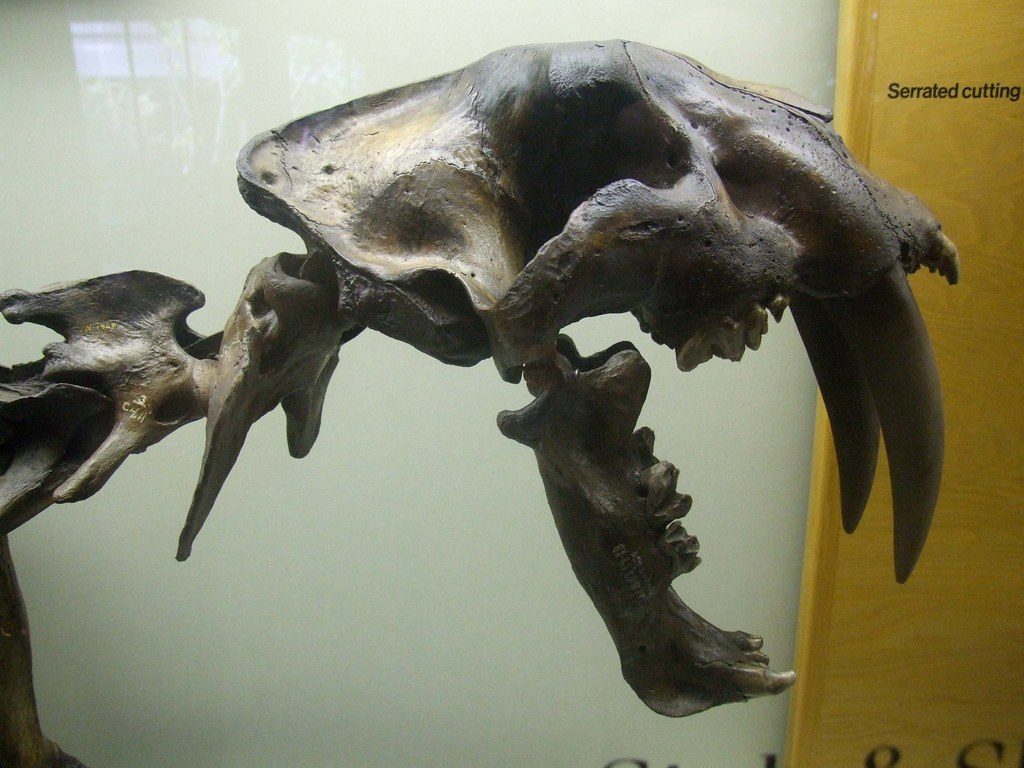
Long before humans walked the Earth, huge predators ruled land and sea. Some were powerful enough to hunt animals far larger than themselves, while others shaped their ecosystems simply by sitting at the top of the food chain. Ancient predators did not always wipe out their prey, as popular stories sometimes suggest, but they could place strong pressure on other animals.
From the giant megalodon to saber-toothed cats and Ice Age lions, their fossils reveal how powerful predators lived, hunted, and eventually disappeared.
Megalodon ruled the ancient seas
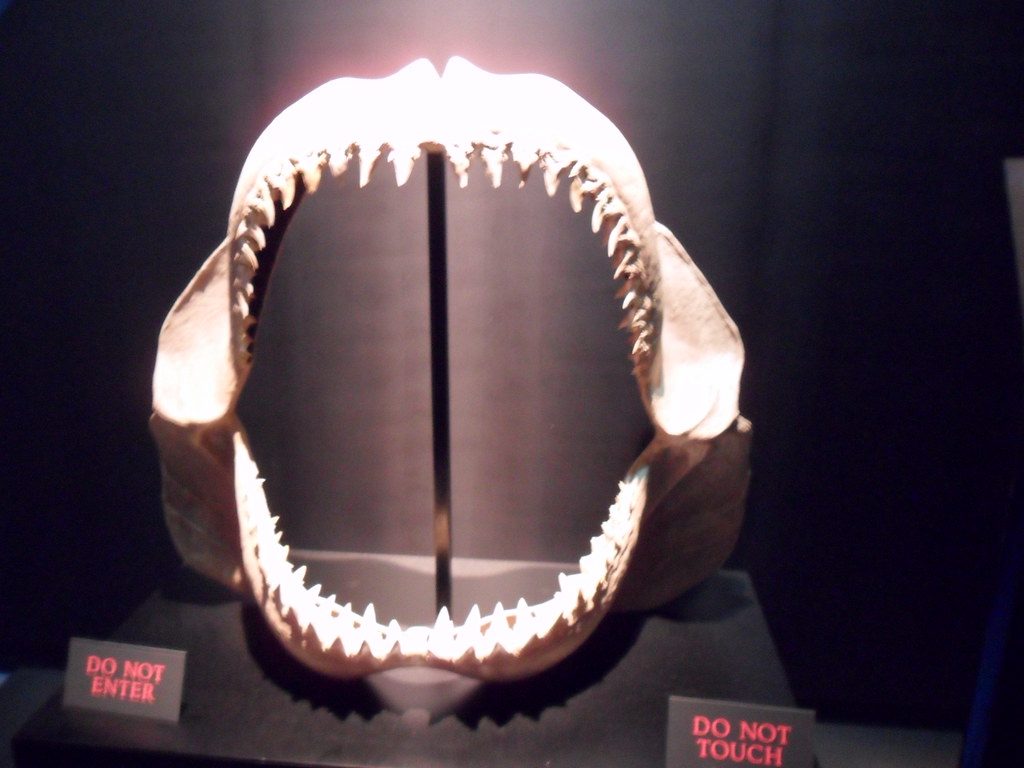
Megalodon was one of the largest predatory sharks ever known. It lived in warm oceans and hunted animals such as whales, seals, sea turtles, large fish, and other sharks. Fossil teeth show that this giant hunter had powerful jaws made for cutting through large prey.
Megalodon survived for millions of years, but it eventually disappeared about 3.6 million years ago. Scientists think several changes may have played a part, including cooling oceans, shrinking prey populations, changing habitats, and competition from other predators.
Saber-toothed cats hunted large prey
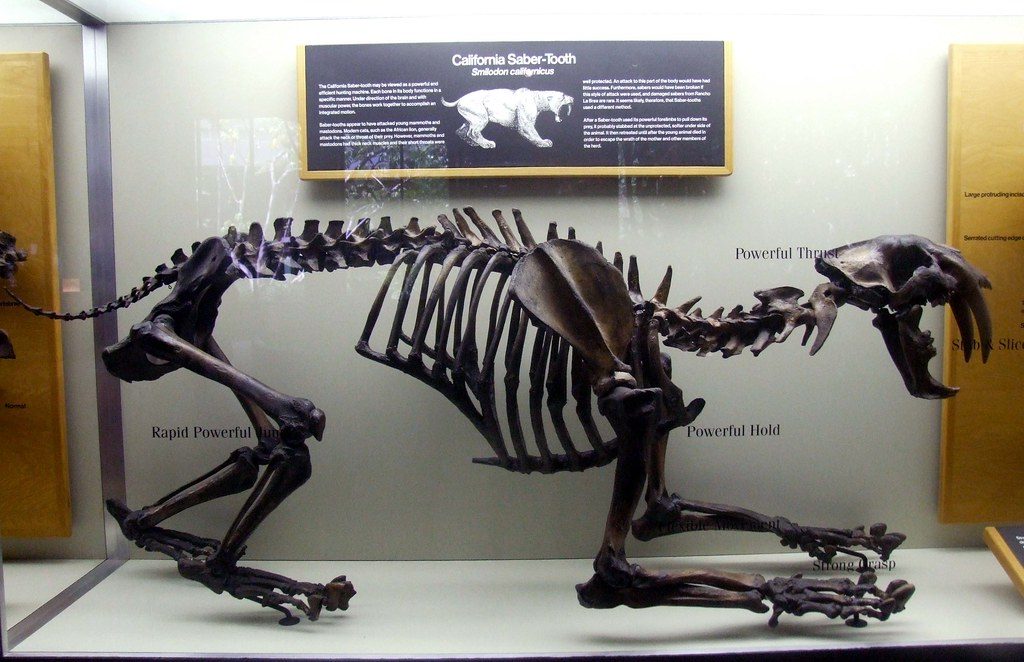
Smilodon, often called the saber-toothed cat, was a powerful predator that lived during the Ice Age. It had very large canine teeth and strong front legs. Fossil evidence from California’s La Brea Tar Pits suggests that Smilodon often hunted animals such as deer and tapirs in forest habitats.
These cats were not simply killing every animal around them. Predators and prey existed as part of a larger food web. Smilodon depended on healthy prey populations, which meant major changes to its environment could eventually hurt the predator as well.
Cave lions faced a changing world
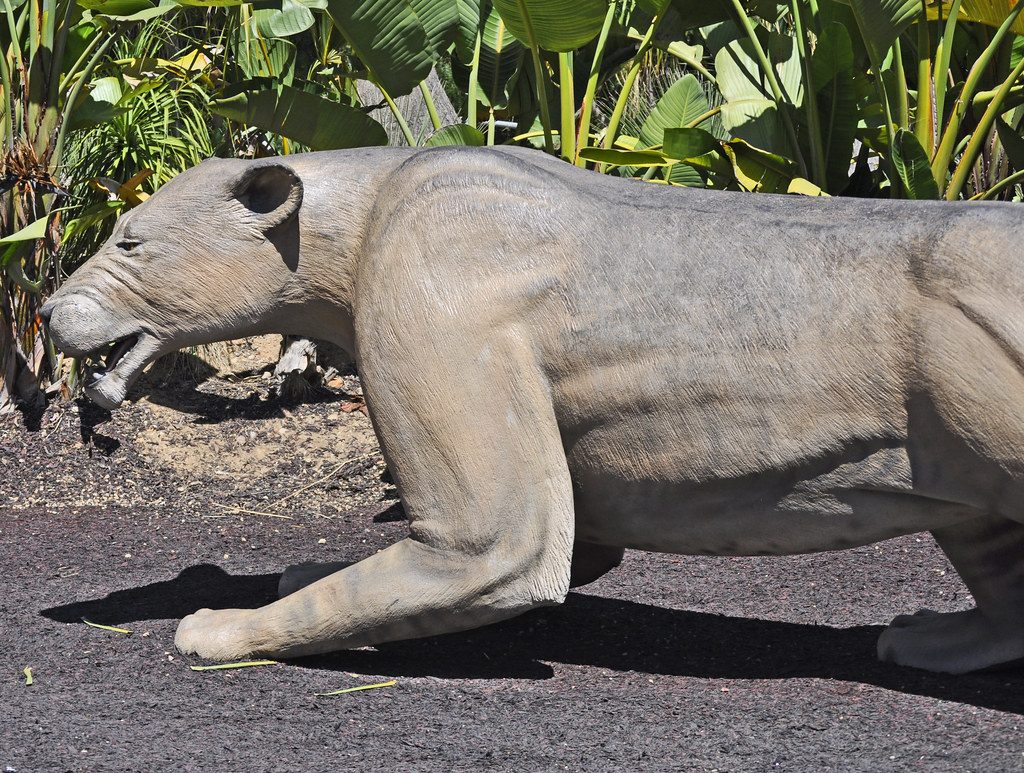
Cave lions were among the major predators of the Ice Age. They lived across a huge area of Europe, Asia, and North America and hunted large animals in the cold mammoth steppe. Their possible prey included young or older mammoths, woolly rhinoceroses, horses, bison, reindeer, and other large animals.
Cave lions disappeared around 14,000 years ago. Their extinction happened during a time of major climate change and the decline of many large Ice Age animals. Growing human populations may also have added pressure, but scientists do not point to one single cause.
Giant predators could affect ecosystems
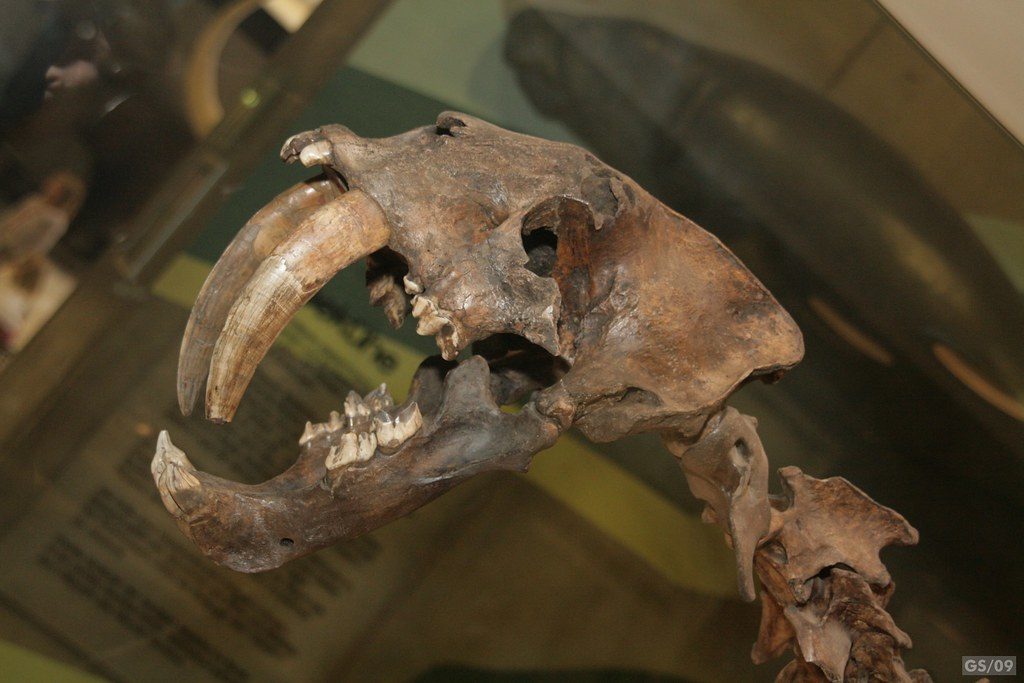
Being an apex predator means having few or no natural predators of your own. These animals could influence which prey survived and where those animals lived. Their presence could therefore affect the wider food web, even when they did not directly kill enough prey to cause an extinction.
This is why the idea that ancient predators simply “wiped out their prey” needs care. Extinctions are usually complicated, and factors such as climate, habitat changes, food supplies, competition, and human activity can work together.
Their size was also a weakness
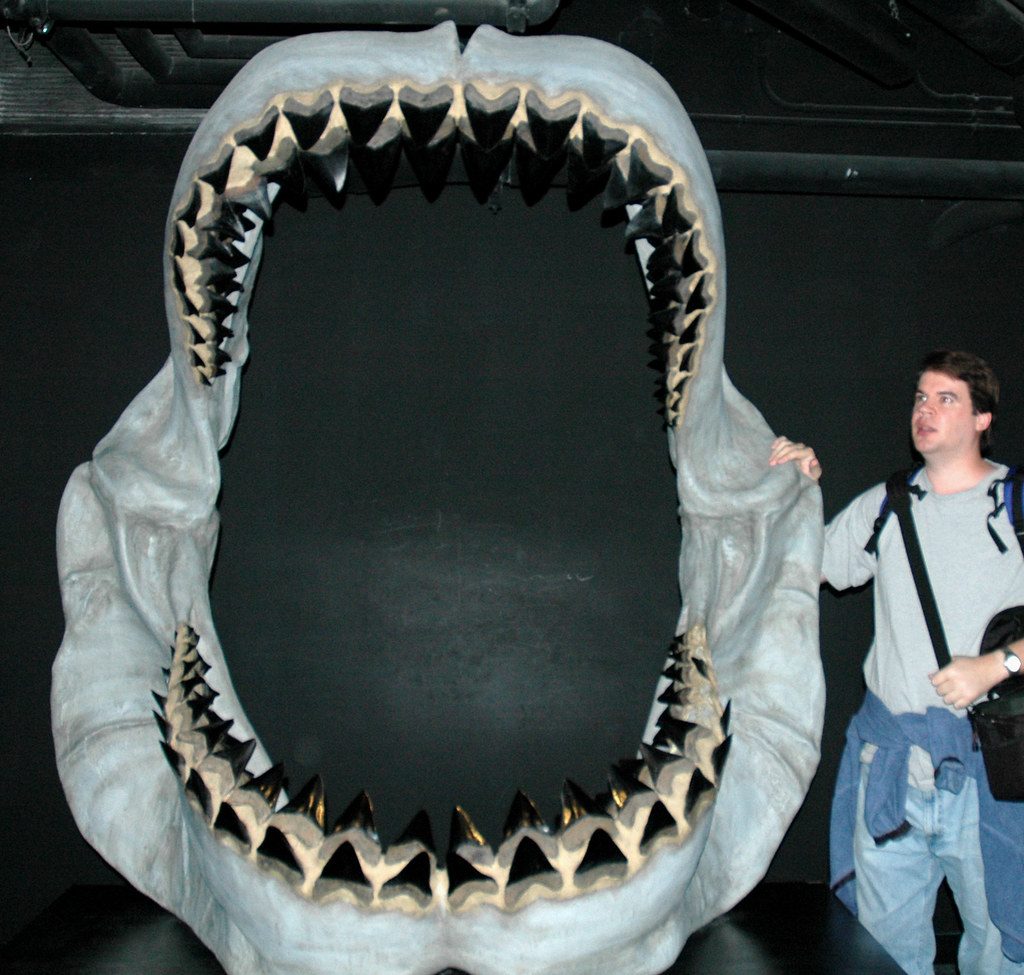
Being enormous helped some predators catch or overpower large prey, but it also came with a cost. A giant animal needs lots of food, so a drop in prey numbers can become a serious problem. This may have been especially important for megalodon as ocean conditions changed.
The same basic problem affected some Ice Age predators. When large herbivores became less common and habitats changed, predators that depended on those animals could struggle. The end of an ecosystem can therefore bring down animals at the very top of it.
Fossils tell the story today
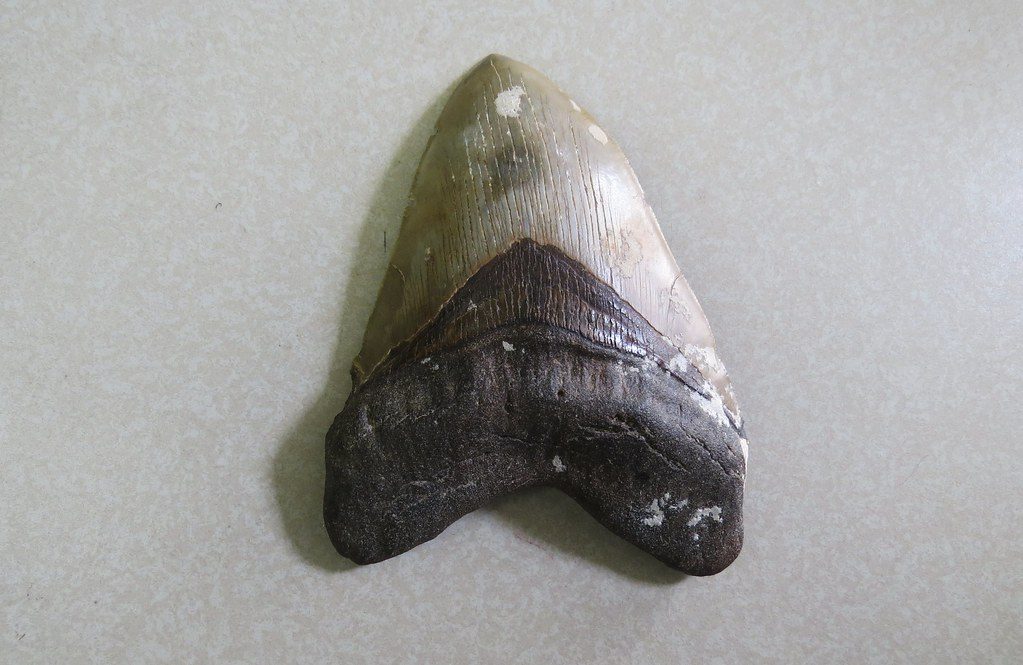
Most of what we know about ancient predators comes from fossils. Teeth can reveal what an animal ate, while bones can show its size, injuries, movement, and sometimes signs of disease. Even tiny clues can help scientists rebuild parts of a world that disappeared long ago.
These fossils also show that being a powerful predator did not guarantee survival. The biggest hunters eventually vanished when their environments changed. Their story is a reminder that even the strongest animals depend on the health of the world around them.
Featured Image: “Saber-Toothed Cat Skull” by Travis S. is licensed under CC BY-NC 2.0
Leave a Reply