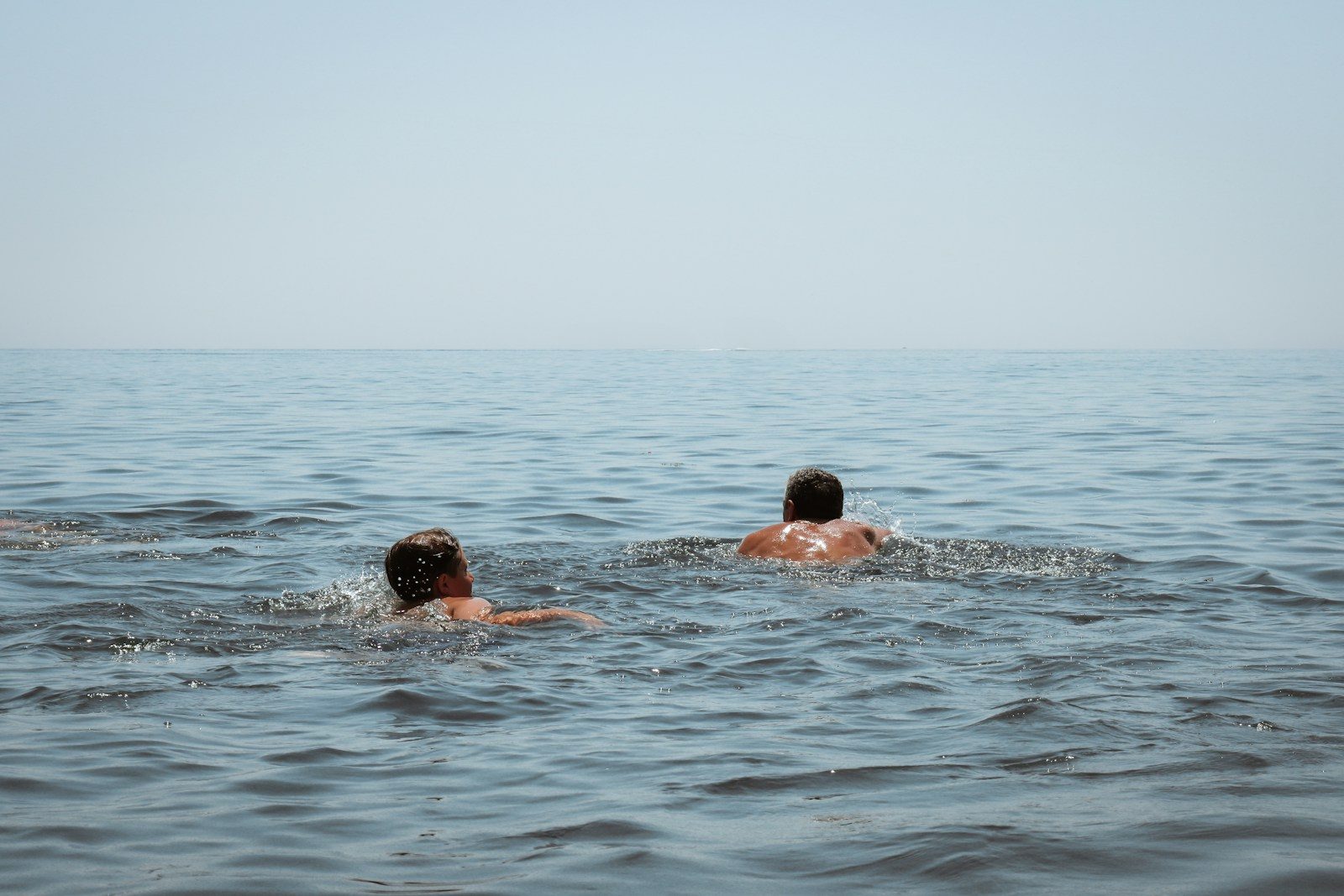
Imagine swimming beneath the surface and finding marine life moving through the water all around you. Footage credited to underwater photographer Ken Kiefer captures a swimmer moving through clear ocean water as different sea creatures pass nearby. The scene brings the swimmer and marine wildlife into the same underwater view, creating a striking look at life below the surface.
Kiefer has spent years photographing people alongside ocean animals, including sharks and dolphins. His work often uses the human body to show the size and beauty of marine wildlife. This underwater encounter follows that idea by placing one swimmer inside a much larger ocean world.
The swimmer enters a busy underwater world
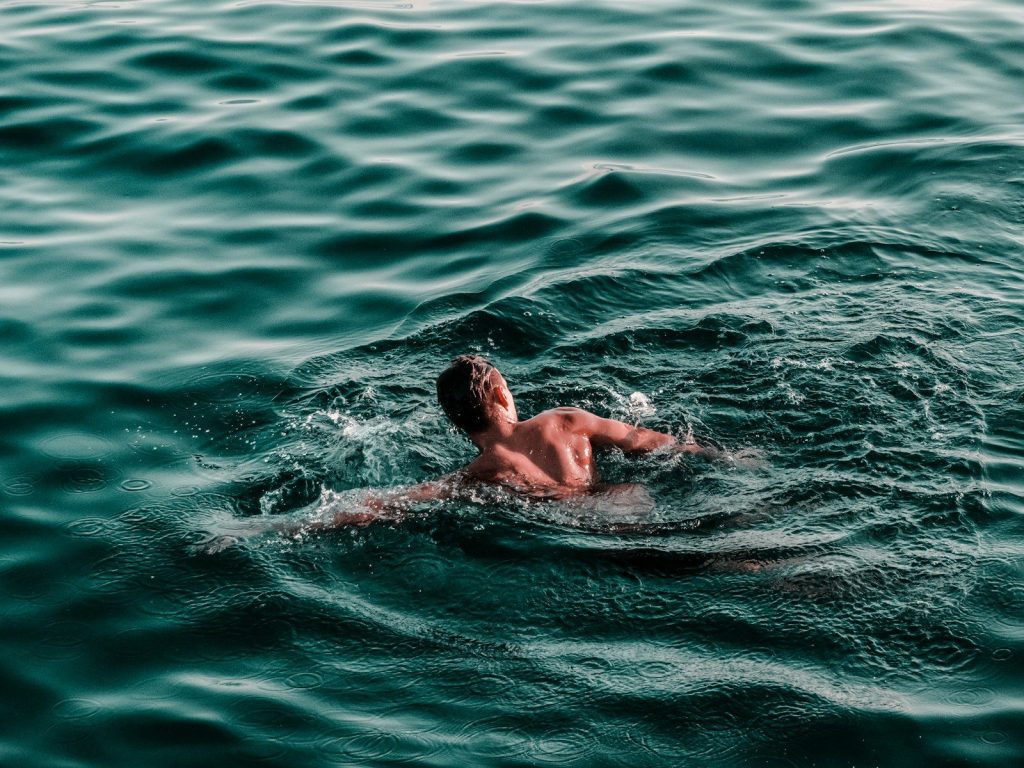
The footage begins with a view that feels very different from watching the ocean from shore. Instead of looking down at the surface, the camera takes viewers below it. A swimmer moves through clear water while marine animals remain visible nearby. Fish pass through the scene, creating constant movement around the much larger human figure.
Clear water makes a major difference to the view. It allows the camera to capture animals at different distances while still showing the swimmer. From above the surface, much of this activity could easily remain hidden. A person on a boat might notice a large animal or a group of fish near the top of the water, but an underwater camera can reveal a much wider scene. It allows viewers to see how the swimmer fits into the surrounding marine environment.
Ken Kiefer specializes in underwater photography
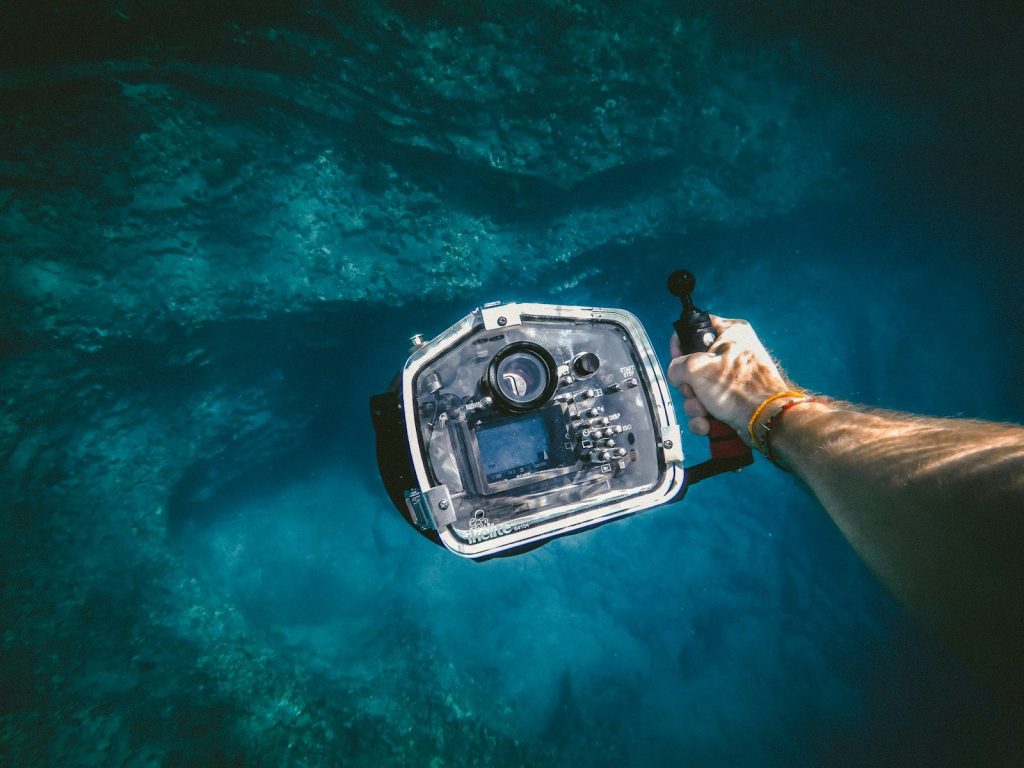
Ken Kiefer is an award-winning underwater photographer based in Texas. His work covers many subjects, but marine wildlife has become an important part of his career. He has photographed sharks, dolphins, rays, crocodiles, swimmers, freedivers, and underwater models. His photographs often place a person in the same frame as a large marine animal.
Kiefer’s interest in underwater photography developed from his long connection with the water. He grew up surfing and swimming and later worked as a lifeguard. He also trained in scuba diving and became a diving instructor. Photography eventually became the way he wanted to share the underwater world with people who might never experience it themselves.
Freedivers can become part of the photograph
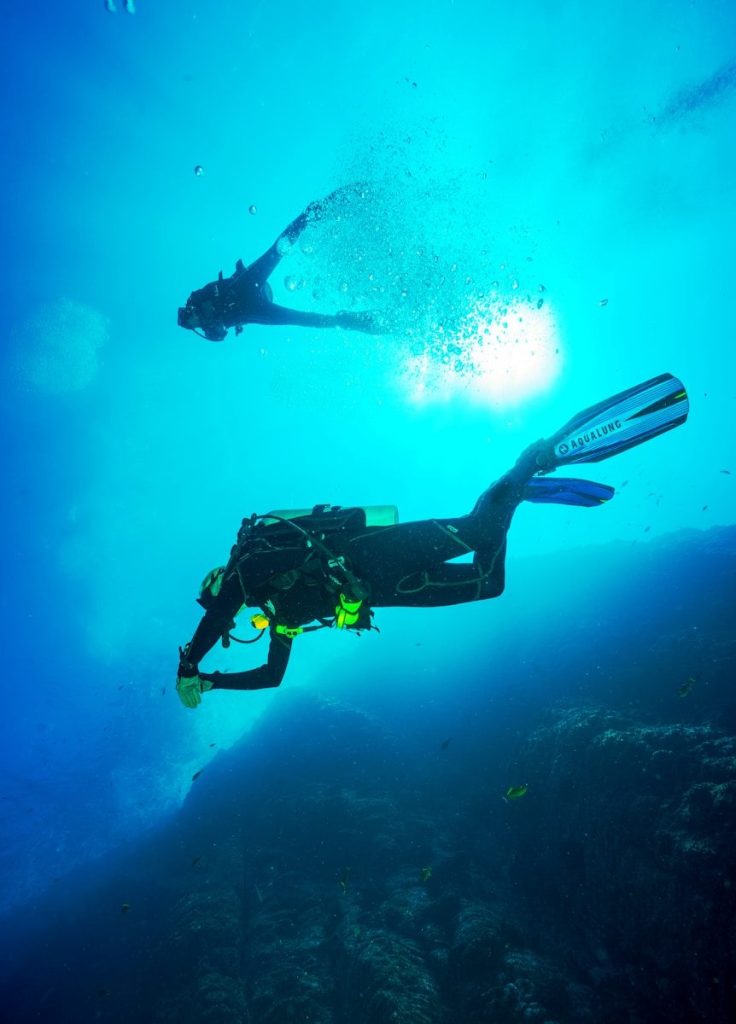
Adding a swimmer to an underwater wildlife photograph can provide something that a picture of an animal alone cannot. The human body gives viewers a familiar point of comparison. When a freediver swims near a large animal, the difference in size becomes much easier to understand. Even smaller fish can look different when their movement is seen around a person.
Kiefer has used this approach in earlier work. One documented photograph from Bimini in the Bahamas shows a freediver swimming near a great hammerhead shark. Kiefer explained that he wanted to capture the calm movement of the diver and shark within the same scene. The photograph later earned recognition in an underwater photography competition.
Marine life creates constant movement around the swimmer
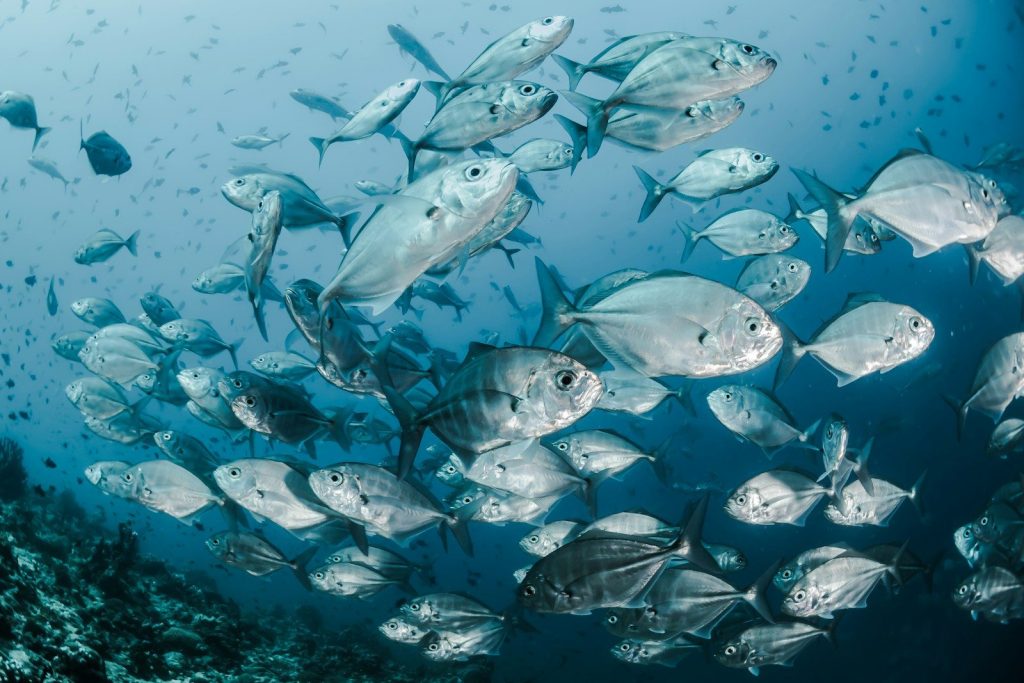
One of the strongest parts of the supplied footage is the amount of activity around the swimmer. Different animals can move at different speeds and in different directions. Small fish may change direction quickly, while larger animals can appear to move more slowly across the frame. The swimmer adds another pattern of movement between them.
This creates an underwater scene that can be difficult to plan. Wild animals do not follow directions from a photographer. They can move away, change course, disappear into deeper water, or approach from an unexpected direction. Kiefer has spoken about this challenge in interviews about his work. Weather, visibility, sunlight, currents, and animal behavior can all affect what a photographer is able to capture.
Clear water reveals details normally hidden from view
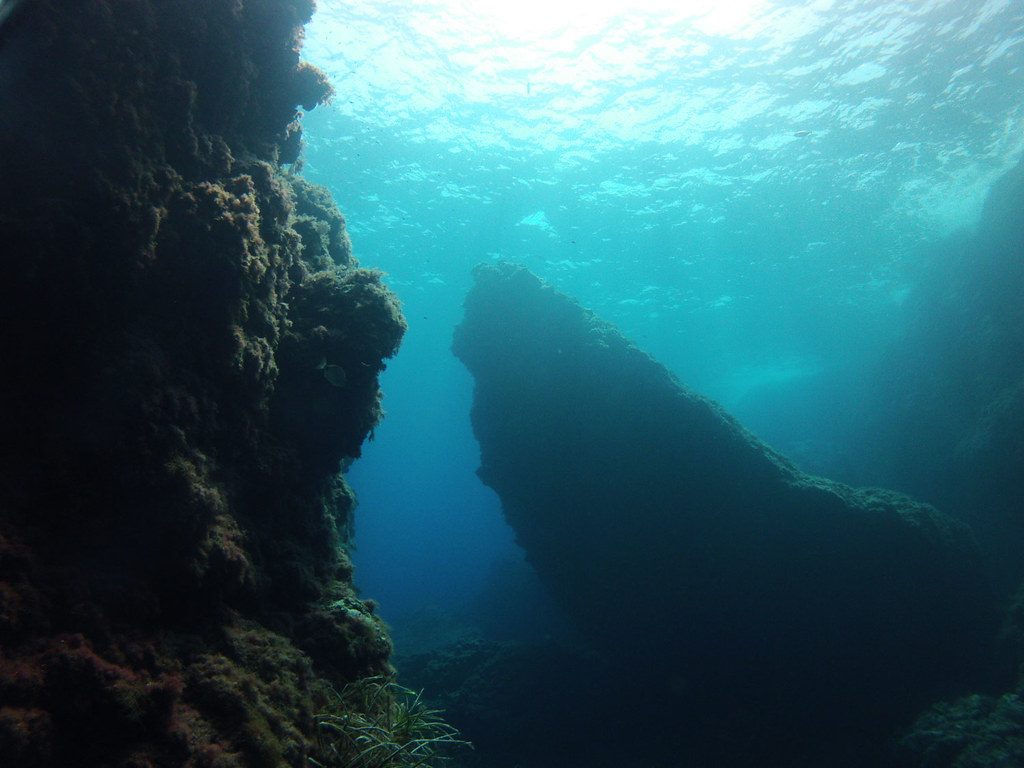
Underwater visibility shapes almost everything the camera can capture. In clear water, sunlight can travel farther below the surface, and animals can remain visible from a greater distance. Their shapes, movements, and positions become easier to follow. A swimmer can also remain visible while fish move through the foreground and background.
Kiefer’s previous work shows how strongly underwater conditions can shape a photograph. His award-winning Grand Cayman image involved enormous numbers of small silversides moving through underwater passages. Instead of photographing one large animal, he captured a huge group of tiny fish moving together. The result showed how an entire underwater space can seem to change when marine life fills it.
The encounter offers a window into ocean life
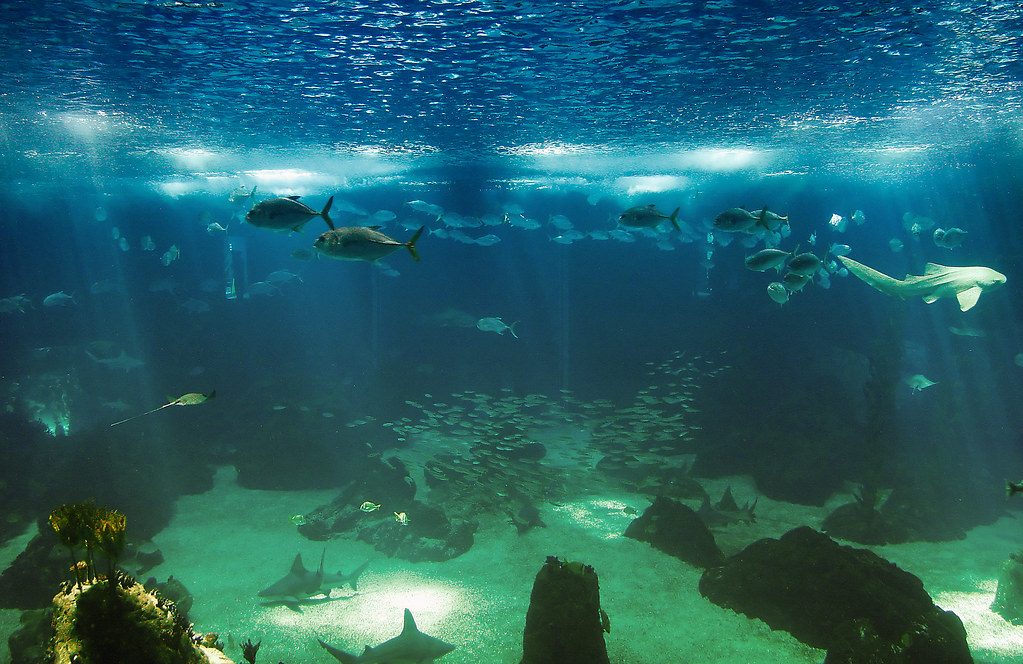
The strongest way to understand the footage is not to claim that the animals are interacting with the swimmer. Being close together in one camera view does not prove that wild animals are following, trusting, or forming a relationship with a person. The available description simply shows marine life and a swimmer occupying the same underwater space.
That distinction keeps the focus on what makes the scene interesting. A human moves through clear water while different forms of marine life appear nearby. Their different sizes, shapes, and swimming styles create the visual effect. Kiefer’s camera allows viewers to see the scene from inside the water instead of looking down from a boat or shoreline.
Featured Image: Photo by Sara Ruffoni on Unsplash
Leave a Reply