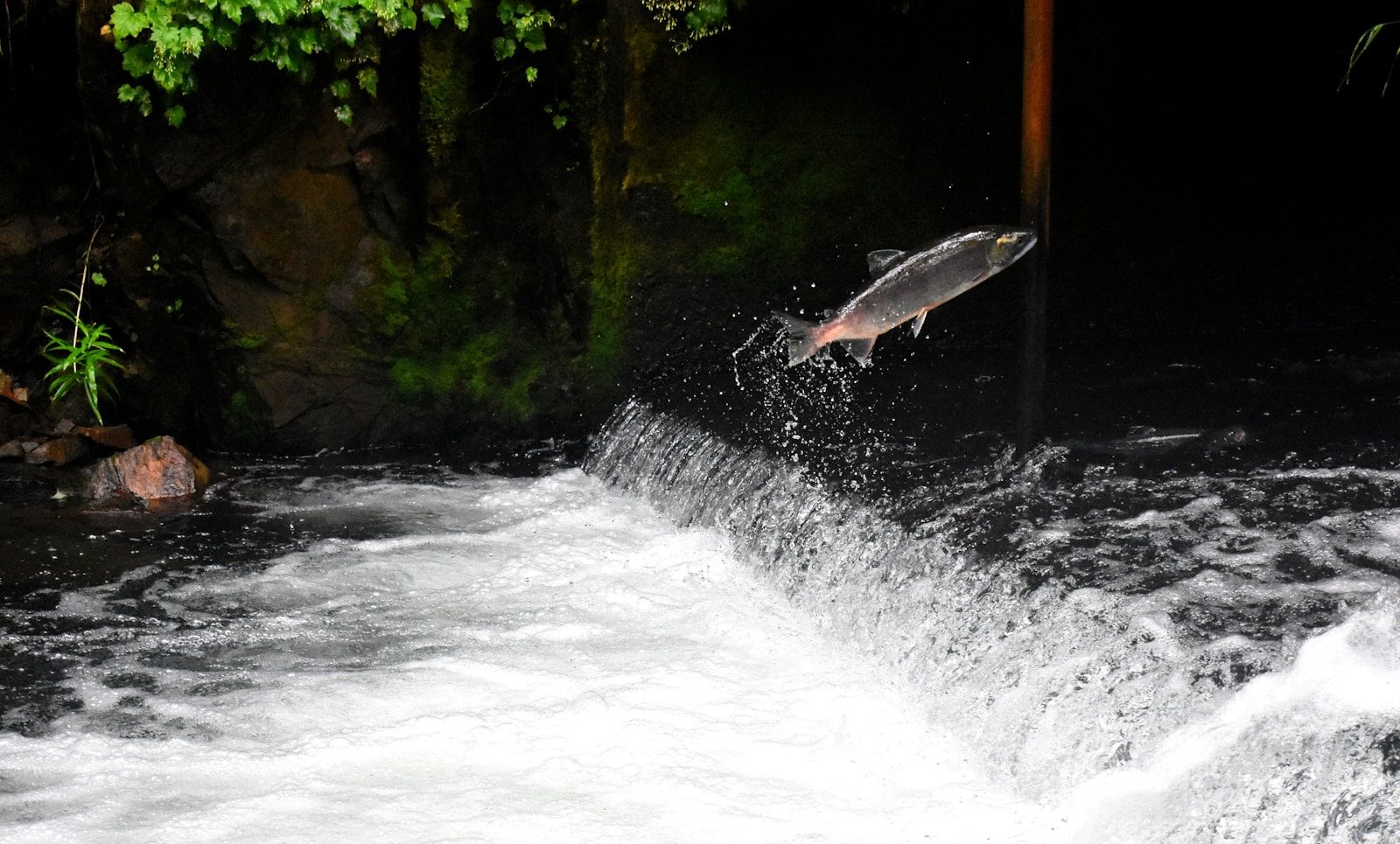
England’s rivers are becoming dangerously warm for some of their most famous fish. A series of heatwaves and long dry periods in 2026 has pushed river temperatures higher while water levels have fallen. These conditions are putting wild Atlantic salmon under added pressure. Salmon need cool, well-oxygenated water to survive and complete their long journey to spawning areas.
Warm water holds less oxygen, while drought can leave rivers too shallow for fish to move upstream. Thousands of fish deaths have already been linked to problems, including low oxygen, algae, and pollution, this year. Experts now warn that another period of extreme heat could make conditions even harder for England’s struggling wild salmon.
England’s rivers are reaching dangerous temperatures
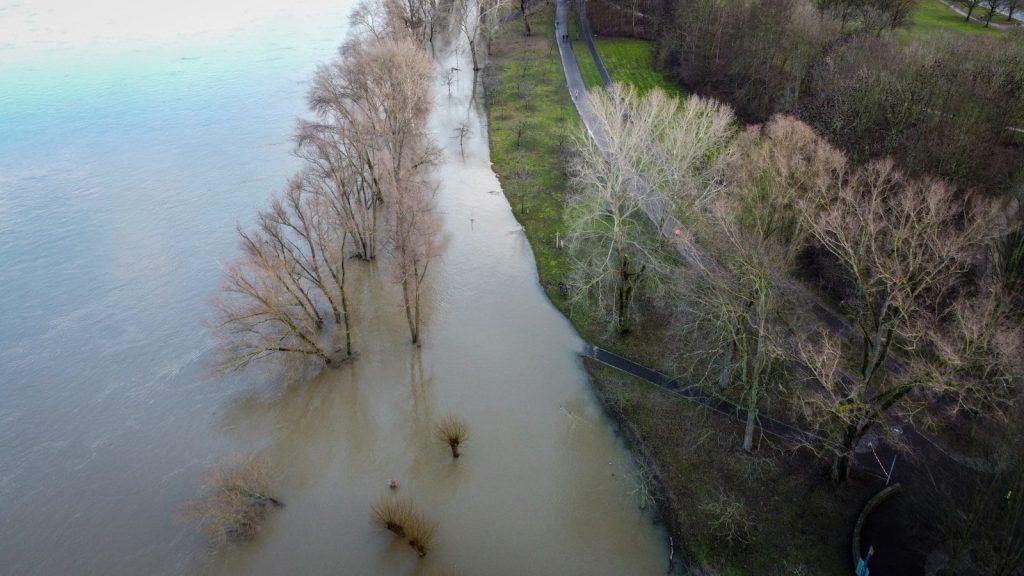
River temperatures have climbed sharply during the hot and dry summer of 2026. The River Wye provides one of the clearest examples. Environment Agency sensor data cited by campaigners showed the river reaching 27.7°C at the end of June. That was reported as 3.7°C warmer than at the same point a year earlier and 1.2°C above the previous record measured there. Other important salmon rivers have also experienced unusually warm conditions.
These temperatures create serious problems for cold-water fish. Salmon and trout are built for cooler environments, and their bodies come under greater stress as the water warms. Angling guidance recommends extra care once temperatures climb into the high teens. At around 20°C and above, conditions can become especially difficult for salmon. Some rivers have climbed several degrees beyond that level during the 2026 heatwaves, leaving fish with fewer cool places where they can escape the heat.
Warm water means less oxygen for salmon
Temperature is only part of the problem. As river water gets warmer, it holds less dissolved oxygen. Fish need that oxygen to survive, just as animals on land need oxygen from the air. Salmon already use a great deal of energy when swimming against currents and moving upstream. Hot water can make that difficult journey even more demanding while giving them less oxygen to work with.
Low river levels can make the situation worse. Deep pools and flowing sections can shrink during drought, leaving fish crowded into smaller areas. Some pools can become warmer as hot weather continues. Fish may become trapped when stretches of river become too shallow to cross. A salmon trying to reach cooler water or spawning habitat can therefore face several problems at once. It may have warmer water, less oxygen, and fewer routes through the river.
Drought can block the journey to the spawning grounds
Atlantic salmon complete one of nature’s demanding migrations. They begin life in freshwater before moving out to sea. Adult fish later return to rivers to reproduce. To complete that cycle, they must travel upstream toward suitable spawning areas. Low river flows can turn that journey into a major challenge.
Drought reduces the amount of water moving through rivers. Shallow sections can become difficult or impossible for large salmon to cross. Fish may have to wait for better conditions before continuing upstream. That delay matters because they need to reach the right habitat for spawning.
Wild Atlantic salmon are already struggling
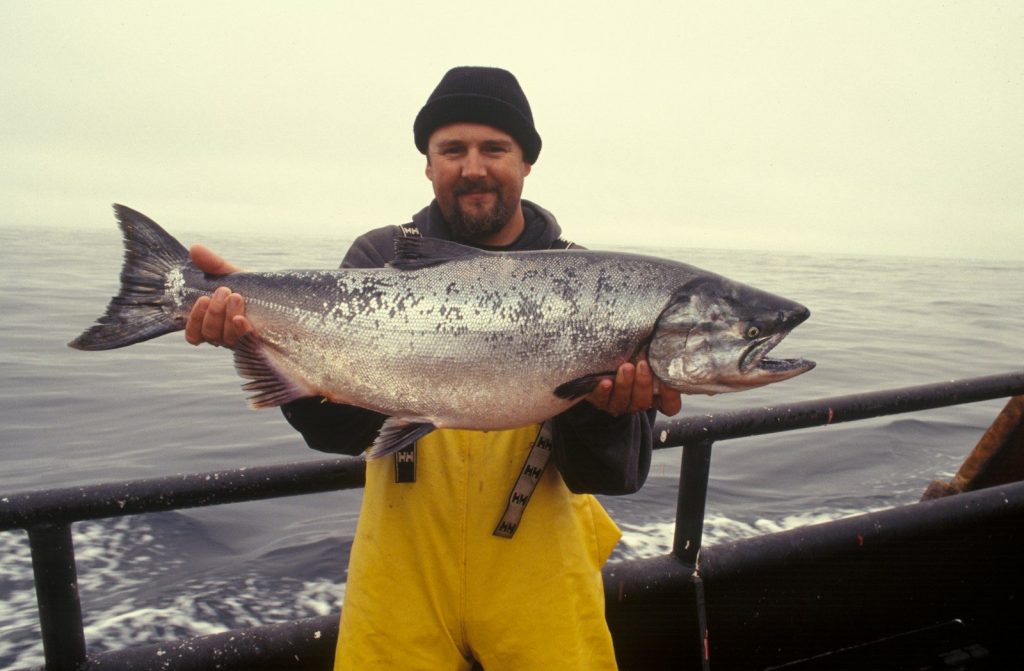
The heatwave is hitting a species that was already facing serious problems. Research from the Game & Wildlife Conservation Trust has tracked wild Atlantic salmon over many years. Its latest findings show a steep decline in the share of young salmon that leave rivers, survive their time at sea, and eventually return as adults.
Recent monitoring found that about 3% returned to spawn on average. In some years, the figure fell below 1%. This does not mean that only 1% of salmon from every river in Britain return. The figure comes from long-term monitoring of particular salmon populations. Still, the trend shows how difficult survival has become.
Fish rescues are taking place as rivers shrink
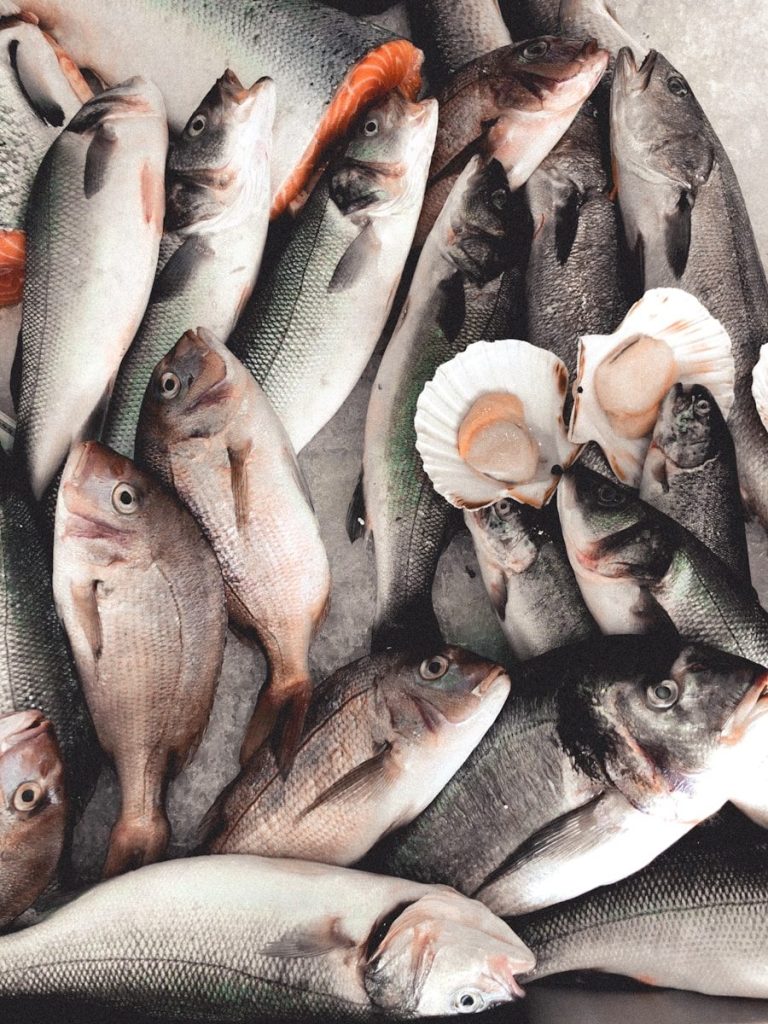
The effects of drought have forced environmental teams to step in when fish become trapped. Environment Agency staff have carried out dozens of fish rescues during periods of low water. Rivers, including the Teme, Onny, and Redlake, have required intervention as water levels fell and fish became stranded.
A rescue can involve moving fish from a shrinking or poorly oxygenated section of water to a safer place. This can prevent animals from dying when a pool is drying out or becoming unsuitable. Hundreds of fish can sometimes be moved during one operation. These efforts provide emergency help while teams wait for river conditions to improve.
Protecting salmon requires cooler and healthier rivers
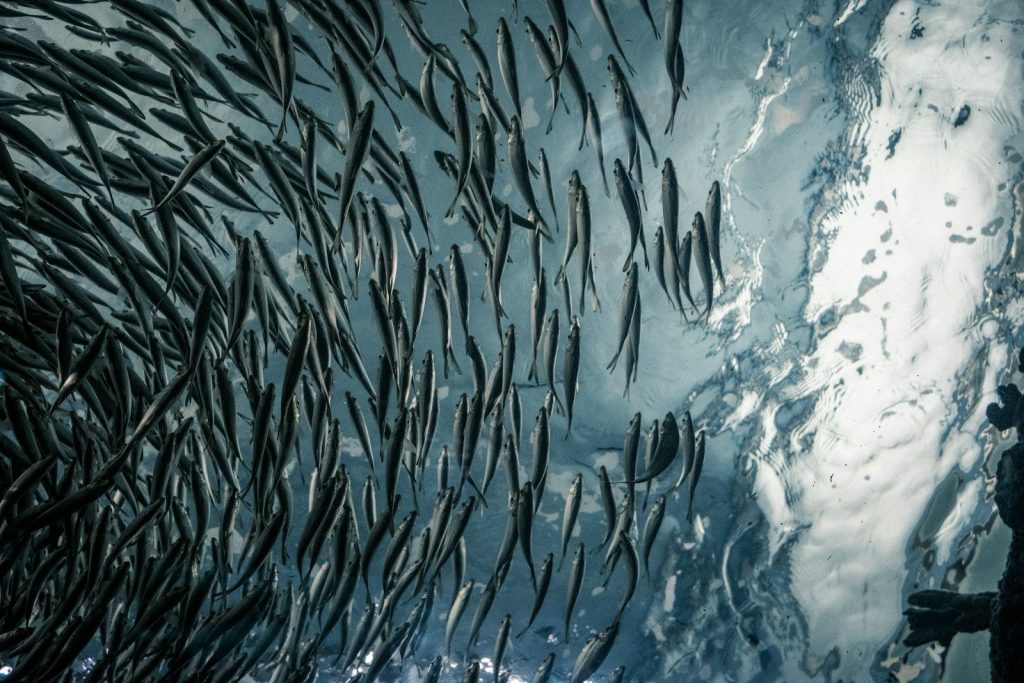
The immediate challenge is helping fish survive periods of extreme heat. Anglers can reduce extra pressure by avoiding fishing for salmon and other cold-water species when rivers become too warm. Fisheries groups recommend checking water temperatures because conditions that feel comfortable to people can already be stressful for salmon and trout.
The larger challenge is keeping rivers healthy over the long term. Salmon need enough clean, cool, and flowing water to move between habitats. They also need access to suitable spawning areas. Heatwaves and drought can make all of these needs harder to meet at the same time.
Featured Image: Photo by Drew Farwell on Unsplash
Leave a Reply