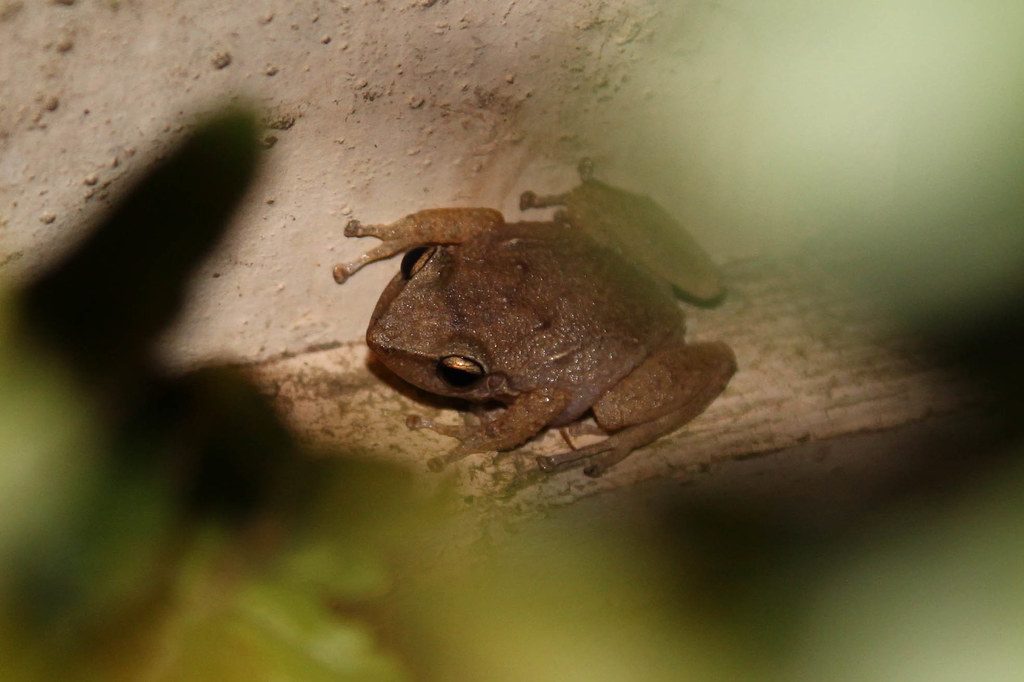
Residents in Maui recently faced a surprising and exhausting problem when two invasive coqui frogs were discovered near a neighborhood area. What seemed like a small issue quickly turned into a two night effort involving careful tracking, spraying, and coordination among locals trying to protect their environment.
These frogs are not native to Hawaii and can spread quickly, causing loud nighttime noise and disturbing local ecosystems. In this article, you will learn what happened during the two night effort, why these frogs are considered invasive, how residents and local crews respond to them, and what this situation reveals about the ongoing fight against invasive species in Maui. The goal is to help you clearly understand the real challenges communities face when dealing with fast-spreading wildlife threats.
How the invasive frogs arrived in Maui
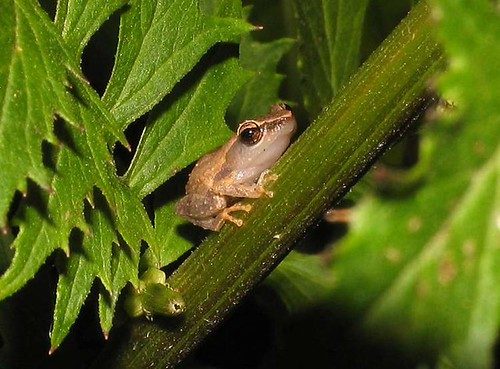
Coqui frogs are originally from Puerto Rico and were accidentally introduced to Hawaii through imported plants in the late 1980s. Since then, they have spread across parts of the Hawaiian Islands, including Maui. These frogs are small, usually about the size of a quarter, but they create a very loud two-note call that sounds like “co-kee,” especially at night. Because Hawaii has no natural predators that control its population, the frogs have been able to multiply quickly in areas with dense vegetation and warm, wet weather.
Over time, small groups of coqui frogs have been found in different neighborhoods on Maui, especially in areas like Haiku and nearby gulches. Some populations have been controlled or removed, but new sightings still appear from time to time. This makes early detection very important, because even a few frogs can grow into a much larger problem if not addressed quickly.
What happened during the two night effort
In the recent case, residents discovered two coqui frogs in vegetation near homes, prompting immediate action. Over the course of two nights, community members worked together using a citric acid solution to locate and eliminate the frogs. Reports from similar efforts show that large amounts of this solution are often used in targeted spraying, since it is effective at stopping the frogs when applied directly.
The process was not simple. The frogs are small, well hidden during the day, and become active mainly at night when they call. Residents had to carefully listen for the calls, search through plants with flashlights, and treat specific areas where the frogs were hiding. Even though only two frogs were confirmed, the effort required patience, coordination, and repeated checks to ensure no additional frogs were present nearby.
Why coqui frogs are a serious concern
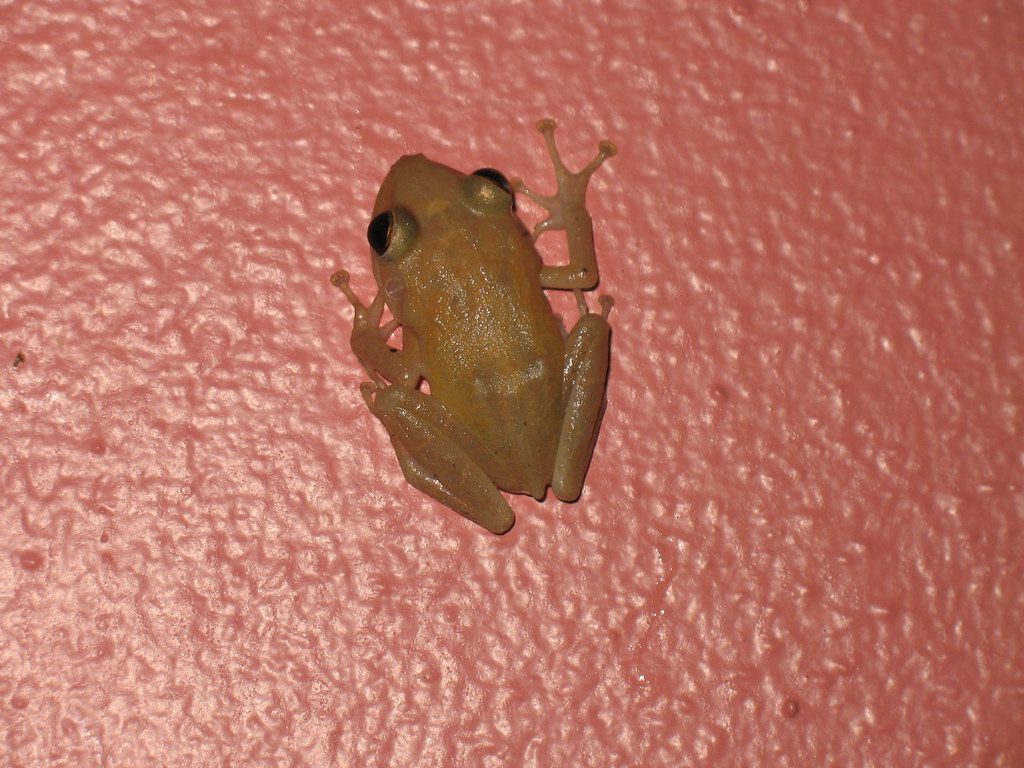
Coqui frogs may seem harmless at first, but they create several problems for local communities and ecosystems. One of the biggest issues is their loud nighttime calling, which can reach levels similar to household appliances. This noise can disturb sleep and reduce quality of life for people living near infested areas. Because the frogs call throughout the night, even a small population can become a major nuisance.
Beyond noise, coqui frogs also affect the natural environment. They feed heavily on insects, which can disrupt the balance of local ecosystems. In places where they have spread widely, their population density can become extremely high due to the lack of natural predators. This allows them to dominate areas quickly, making control efforts more difficult and expensive over time.
How Maui communities respond to invasions
Maui has an ongoing system in place to manage coqui frog populations, led by invasive species control programs and supported by local residents. These efforts often include nighttime field work, since that is when the frogs are easiest to locate. Teams may use sprayers, monitoring tools, and reporting systems to track new sightings and respond quickly.
Community involvement plays a major role. Many residents report frog calls, help locate hiding spots, and sometimes even assist in small-scale removal efforts on private property. Education is also important, as people are encouraged to check plants and outdoor items that could accidentally transport frogs to new locations. Without early reporting and cooperation, small infestations can spread much faster across neighborhoods.
Challenges in controlling invasive species on Maui
Even with strong efforts, controlling coqui frogs on Maui remains difficult. The island’s warm and humid climate provides ideal conditions for the frogs to survive and reproduce. Dense vegetation and remote terrain also make it hard to reach all affected areas, especially in gulches and private lands where access may be limited.
Another challenge is that eradication is rarely simple. Even when a few frogs are removed, others may remain hidden or enter the area again through plant movement or natural spread. This means control efforts must continue repeatedly over time, often for months or even years, to ensure a population does not return. Because of this, many programs focus on containment and reduction rather than complete elimination.
What this effort shows about environmental protection
The two night effort to remove invasive frogs highlights how much time and energy goes into protecting local ecosystems. Even a small number of invasive animals can require careful planning and coordinated work to manage. It also shows how important community awareness is in spotting problems early before they grow larger.
At the same time, it reflects the ongoing balance between human neighborhoods and natural environments in Hawaii. Residents, scientists, and local programs all play a role in keeping invasive species under control, even when success requires repeated effort and patience.
Leave a Reply