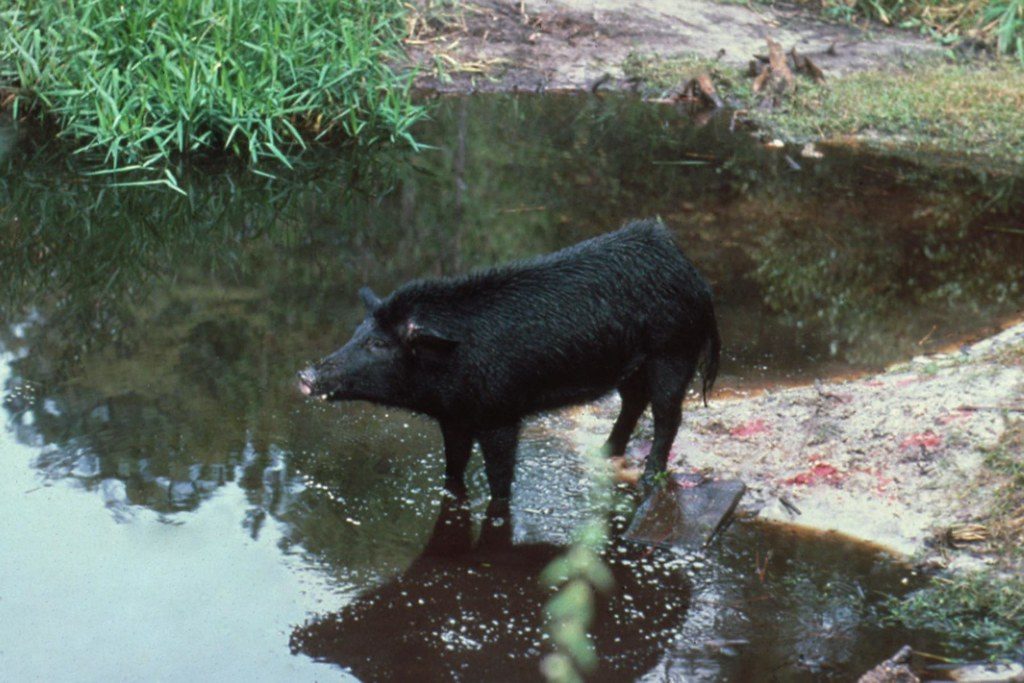
Feral hogs have become one of the most damaging invasive animals in the United States, and their spread is getting worse each year. If you live in certain parts of the country, you may have already seen torn-up yards, ruined crops, or even hogs roaming near roads and neighborhoods. These animals are not native to the U.S., but they now number in the millions and are found in more than 35 states.
The biggest concern is that their damage is not evenly spread. Some states are dealing with far more hogs than others, and the costs are huge for farmers, landowners, and even local governments. In this article, you will learn exactly where feral hog populations are the worst, why those places are most affected, and how these animals are impacting land, farming, and communities across America.
Texas leads the nation in feral hog damage
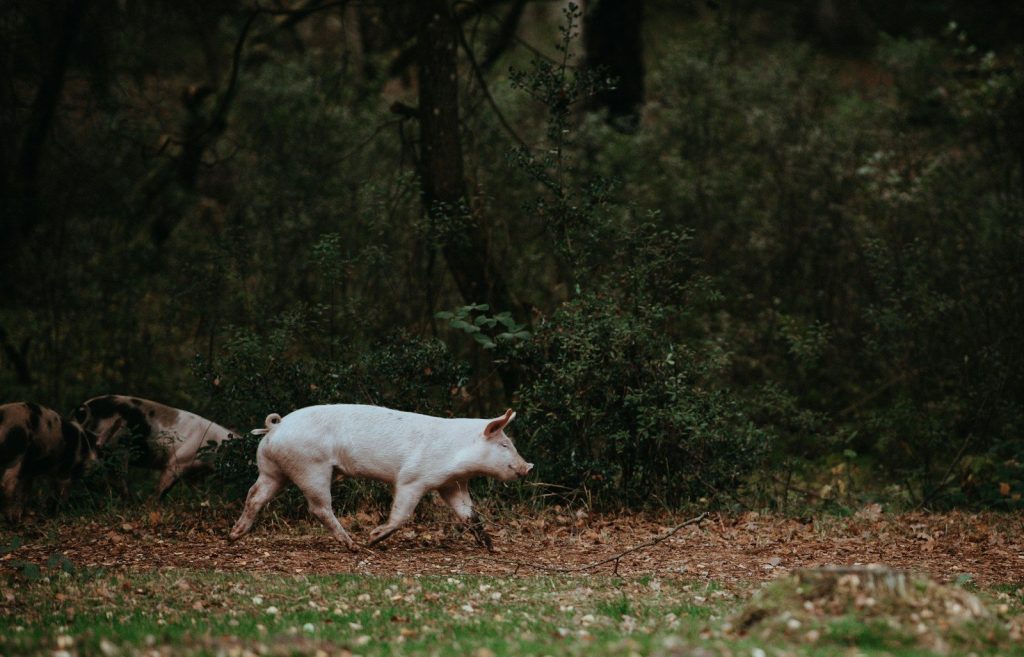
Texas is by far the hardest-hit state when it comes to feral hog problems. It has the largest population of wild pigs in the country, with millions spread across nearly every county. The state’s wide open land, farms, and rivers make it the perfect environment for these animals to survive and multiply quickly.
The damage in Texas is serious and constant. Farmers report crops like corn, cotton, and wheat being destroyed overnight, while ranchers deal with ruined pastures and damaged fences. In many rural areas, hogs also move into suburban neighborhoods, digging up lawns and even causing traffic problems when they cross roads. Texas alone suffers hundreds of millions of dollars in agricultural losses every year due to these animals.
Georgia faces heavy crop and land destruction
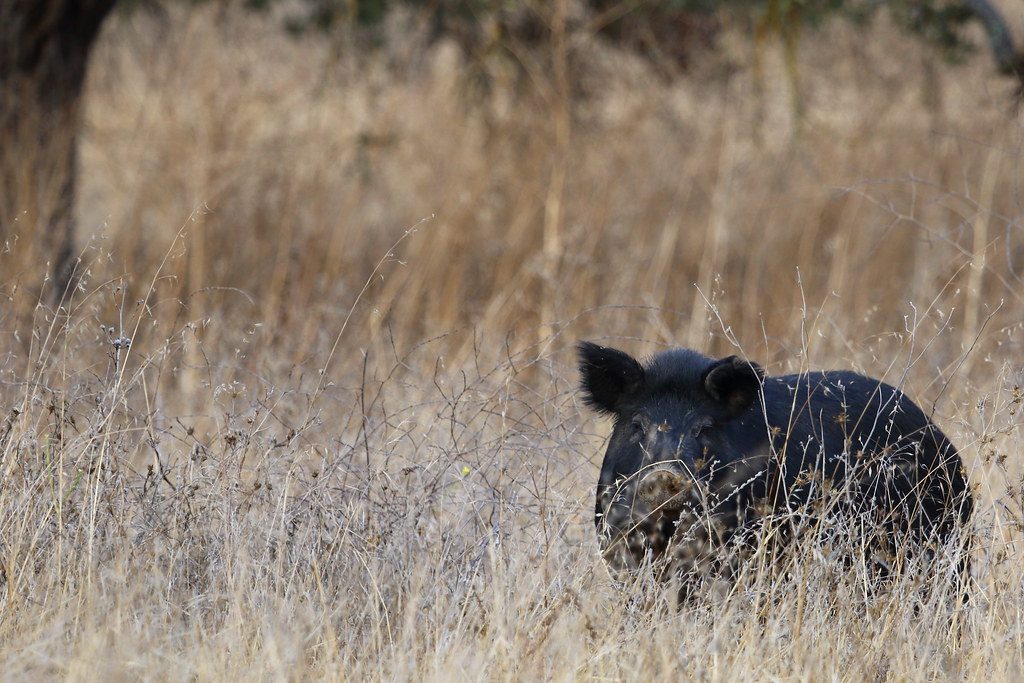
Georgia is another major hotspot for feral hog activity. The state has a large and growing population of wild pigs, especially in rural farming areas and forested land. Warm weather and steady food sources help the population grow quickly, making control efforts very difficult.
Farmers in Georgia deal with repeated damage to crops such as peanuts, corn, and cotton. These animals also destroy soil structure by rooting deeply into the ground, which can lead to long-term land damage. Many landowners report that hog activity has increased over the years, making it harder to protect farmland and natural habitats.
Florida struggles with widespread hog invasions
Florida has one of the most widespread feral hog populations in the United States. These animals are found in almost every region of the state, from rural farmland to wetlands and even areas near cities. The mix of swampy land, forests, and agriculture gives hogs plenty of places to thrive.
In Florida, the damage goes beyond farms. Feral hogs often destroy wetland restoration projects, damage irrigation systems, and tear up pastureland used for cattle. Citrus groves and vegetable farms are also at risk. Because Florida has such a mix of environments, controlling hog populations there is especially challenging and ongoing year-round.
Louisiana and Alabama deal with fast-growing populations
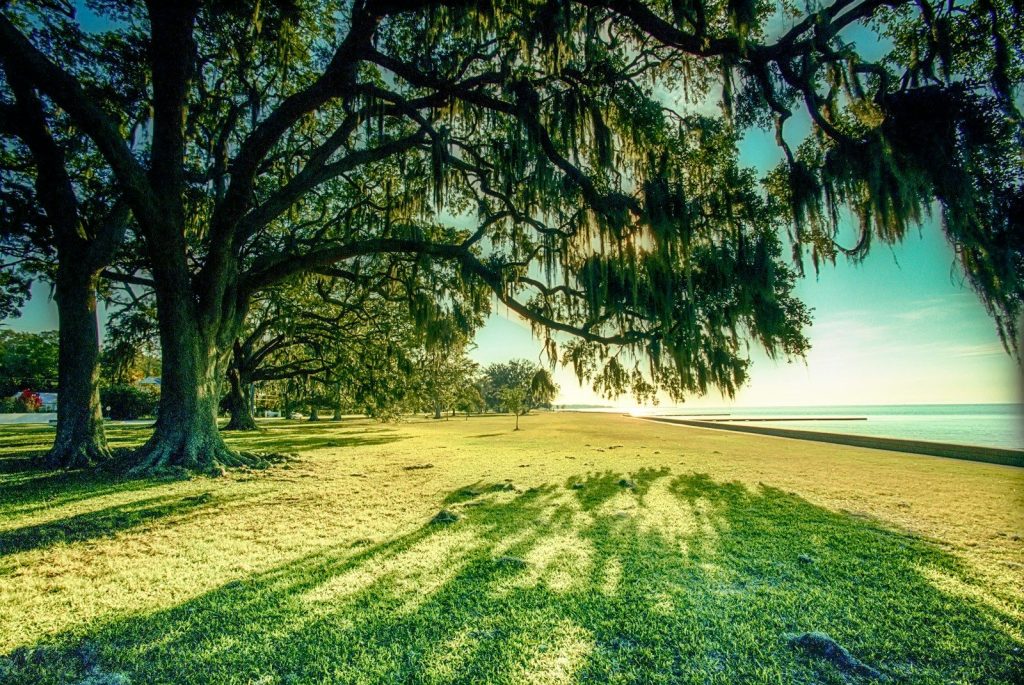
Louisiana and Alabama are two states where feral hog populations have grown rapidly in recent years. Both states have large rural areas with forests, farmland, and wetlands that provide ideal conditions for wild pigs to spread.
In these states, farmers often report increasing damage year after year. Rice fields, soybean crops, and pasturelands are commonly affected. In addition, hogs can cause erosion by digging into wet soil, which leads to flooding issues in some areas. Many landowners in both states say the population growth feels out of control and difficult to manage without constant trapping and hunting efforts.
Mississippi and South Carolina face rural land destruction
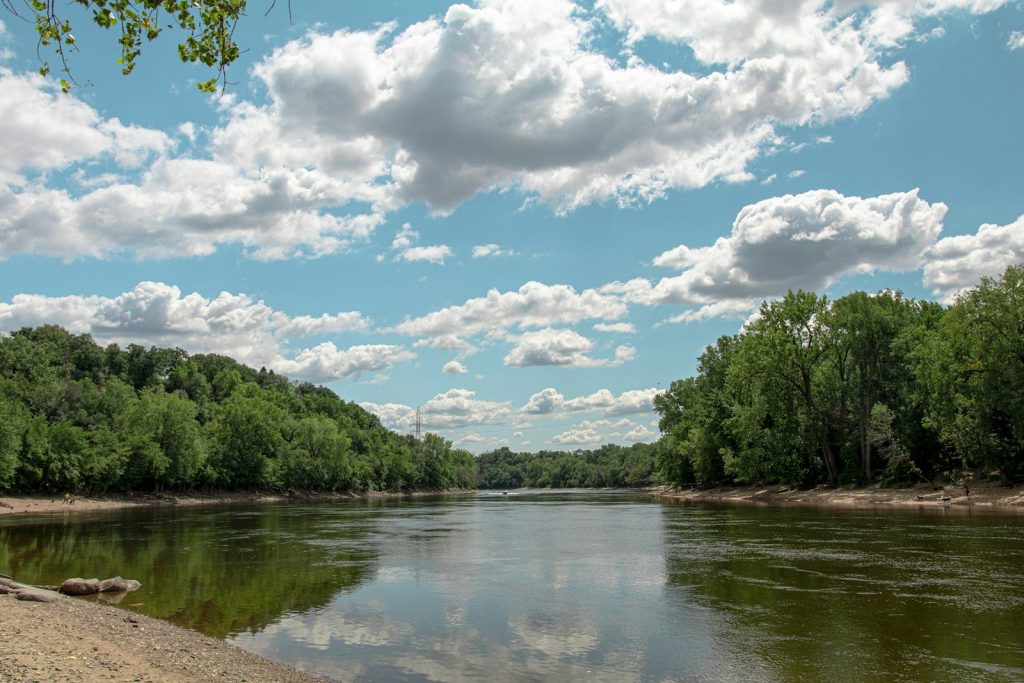
Mississippi and South Carolina also rank high among states struggling with feral hog problems. These states have large agricultural sectors combined with wooded land, which gives hogs both food and shelter. As a result, the animals are deeply established in many rural regions.
The damage here often includes destroyed crops, weakened soil, and harm to young trees in forestry areas. In South Carolina, hogs are especially known for damaging forest regeneration projects, which affects long-term timber production. Mississippi farmers face similar issues with soybeans, corn, and pastureland being repeatedly rooted up and destroyed.
Oklahoma and California see expanding hog populations
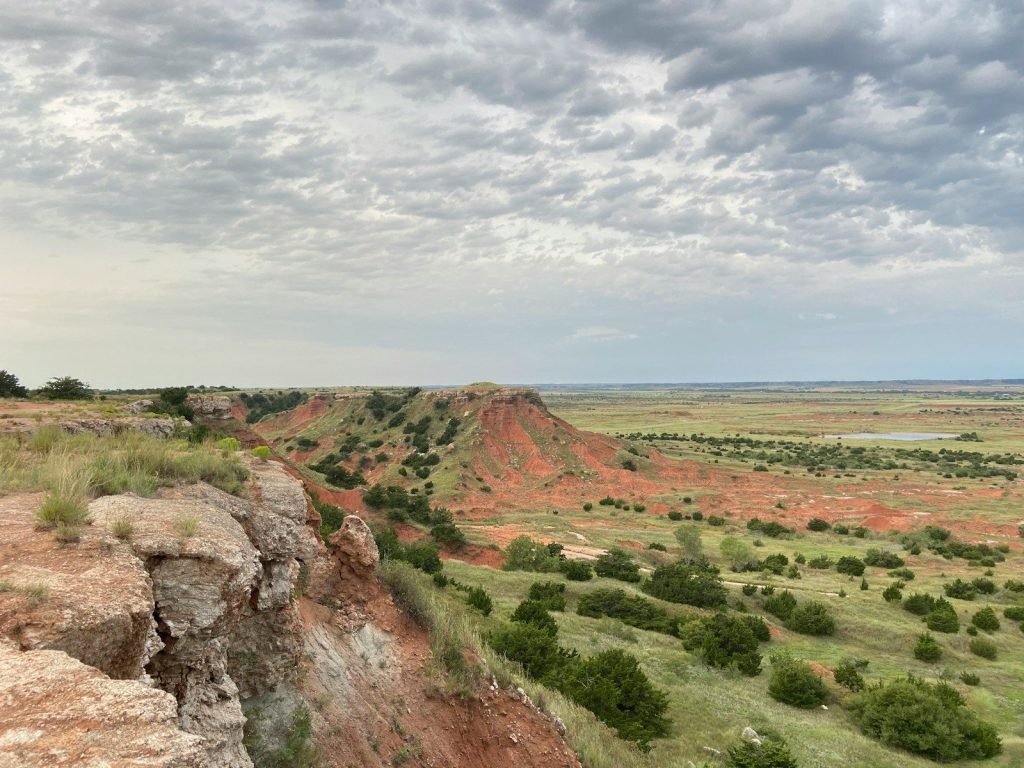
Oklahoma has seen a steady increase in feral hog numbers over the past several years. The animals are spreading across farmland and grasslands, causing growing concern among ranchers. Crop damage and pasture destruction are the main problems, especially in areas where livestock farming is important.
California, while not as heavily impacted as southern states, is also dealing with expanding hog populations. Wild pigs are found in both coastal and inland regions, where they damage farmland, vineyards, and natural habitats. The concern in California is that the population continues to spread into new areas, making future control more difficult.
Leave a Reply