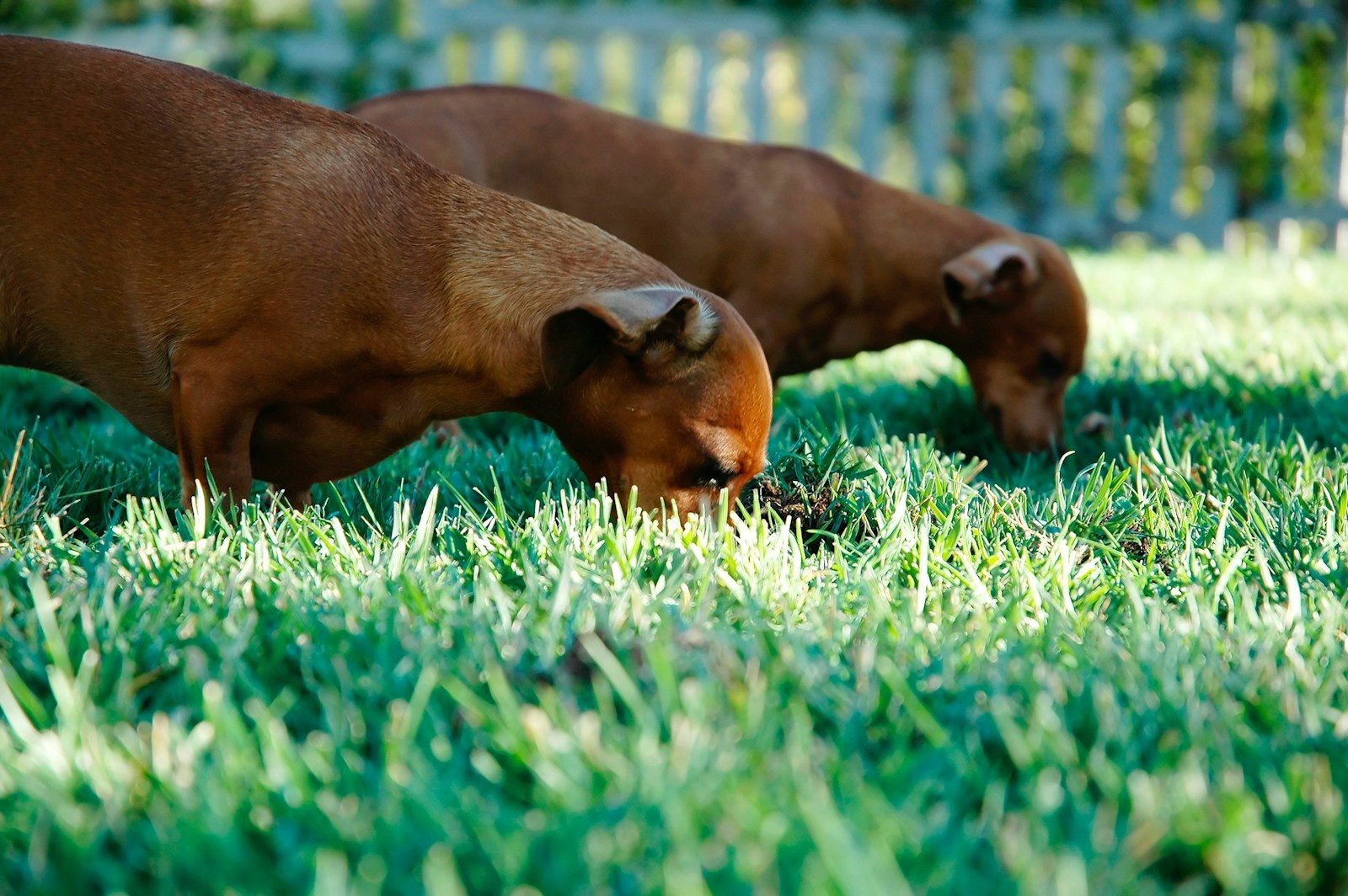
Have you ever looked outside and seen your dog happily chewing on grass? Many dog owners worry when they notice this behavior. They often wonder if their pet is sick, missing nutrients, or trying to throw up. The good news is that dogs eating grass is very common, and in most cases, it is not a sign of a serious problem. Veterinary experts and studies have found that many healthy dogs eat grass from time to time without showing any signs of illness.
Understanding why dogs eat grass can help you know when the behavior is normal and when it might need attention. In this article, you will learn the most common reasons dogs eat grass, what the behavior may mean, possible risks, and the signs that tell you it is time to contact your veterinarian.
Grass eating is often normal dog behavior

One of the most important things to know is that grass eating is considered normal for many dogs. Researchers have studied this behavior and found that a large number of healthy dogs regularly chew on grass. Most of these dogs do not appear sick before eating it, and many do not vomit afterward. This suggests that grass eating is usually a natural behavior rather than a sign of disease.
Experts believe this behavior may be linked to dogs’ wild ancestors. Wolves and other wild members of the canine family have been found to consume plant material, including grass. Because of this, modern dogs may have inherited a natural tendency to nibble on plants from time to time. For many dogs, eating grass can simply be part of being a dog.
Your dog may simply enjoy the taste or texture

Sometimes the explanation is surprisingly simple. Many dogs appear to like the taste, smell, or texture of grass. Fresh grass can be appealing, especially in the spring when new growth is soft and tender. Some dogs casually nibble on a few blades and then continue with their day without any problems.
Dogs explore the world with their mouths much more than people do. Just as they sniff different smells, they may also investigate things by tasting them. Younger dogs and puppies are especially curious and may sample grass as part of learning about their environment. In these cases, grass eating is often harmless and does not indicate a health issue.
Hunger and fiber may play a role
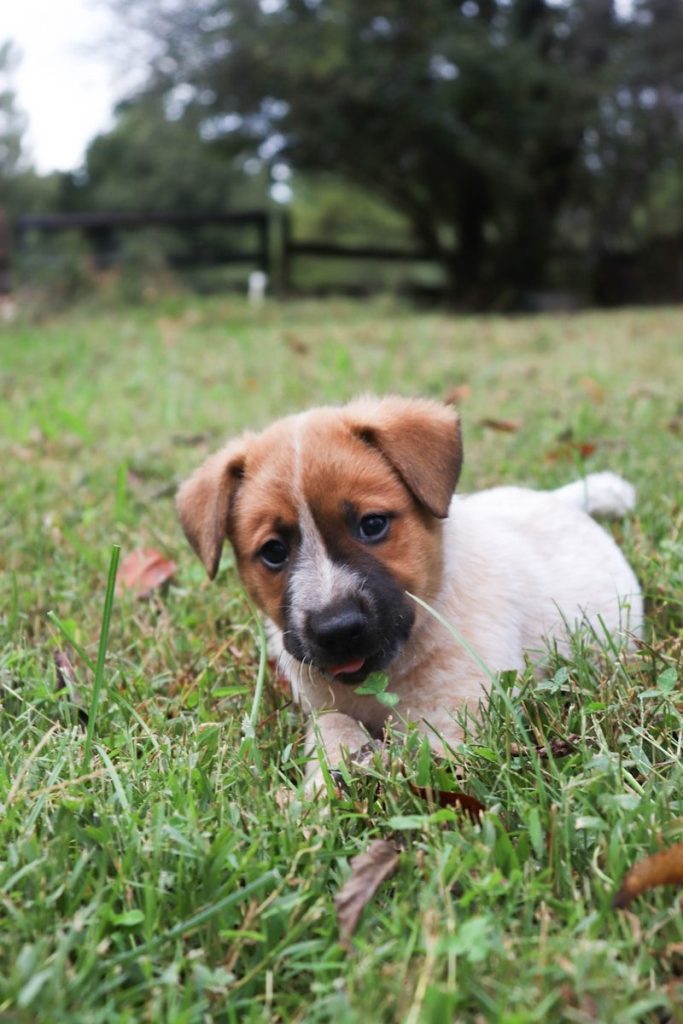
Research suggests that some dogs are more likely to eat grass when they are hungry. One study found that grass eating happened more often before meals and less often after dogs had eaten. This has led experts to believe that hunger may influence the behavior in certain dogs.
Fiber may also be part of the story. Although dogs cannot fully digest grass, some dogs may seek out plant material when they want additional roughage in their diet. There have been cases where dogs that frequently ate grass stopped doing so after switching to a higher-fiber diet. However, experts do not believe that most grass-eating dogs are suffering from a nutritional deficiency. Instead, fiber may be one factor among several that influences the behavior.
An upset stomach is not always the reason
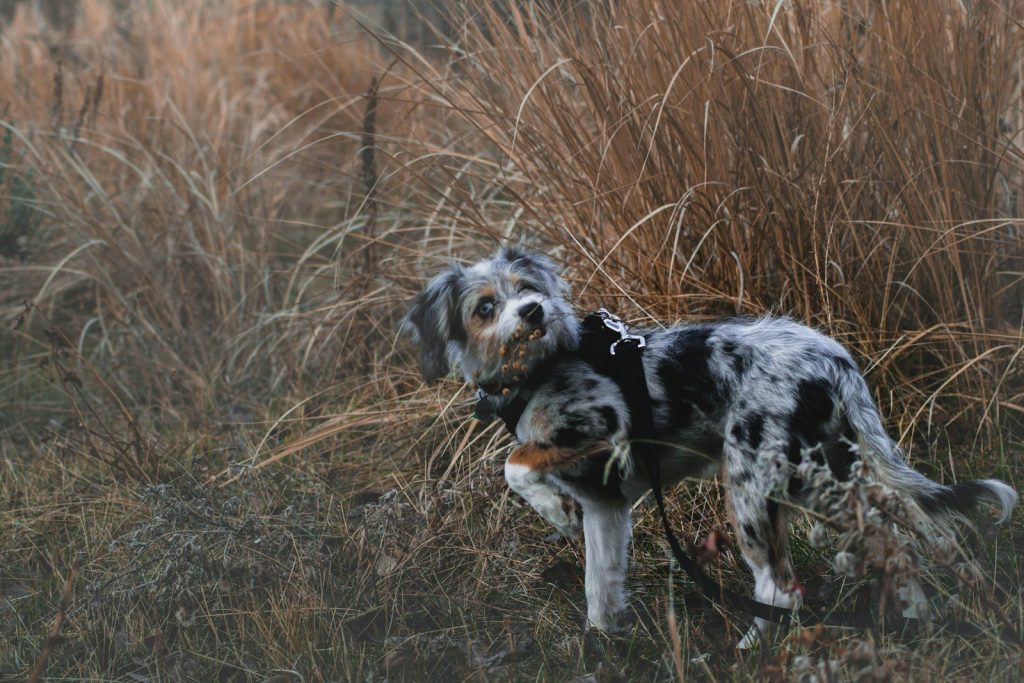
Many people believe dogs eat grass because they feel sick and want to make themselves vomit. While this idea has been around for years, scientific studies do not strongly support it. Most dogs that eat grass do not show signs of illness beforehand, and only a small percentage vomit after eating it. Research suggests that vomiting is not the main reason most dogs chew on grass.
That said, some dogs do appear to eat grass when they have mild stomach discomfort. In certain cases, grass may irritate the stomach lining and lead to vomiting. If a dog occasionally eats grass and throws up once, it may not be a major concern. However, repeated vomiting, loss of appetite, diarrhea, or other symptoms should never be ignored because they can point to a real health problem that needs veterinary care.
Boredom and attention seeking can contribute
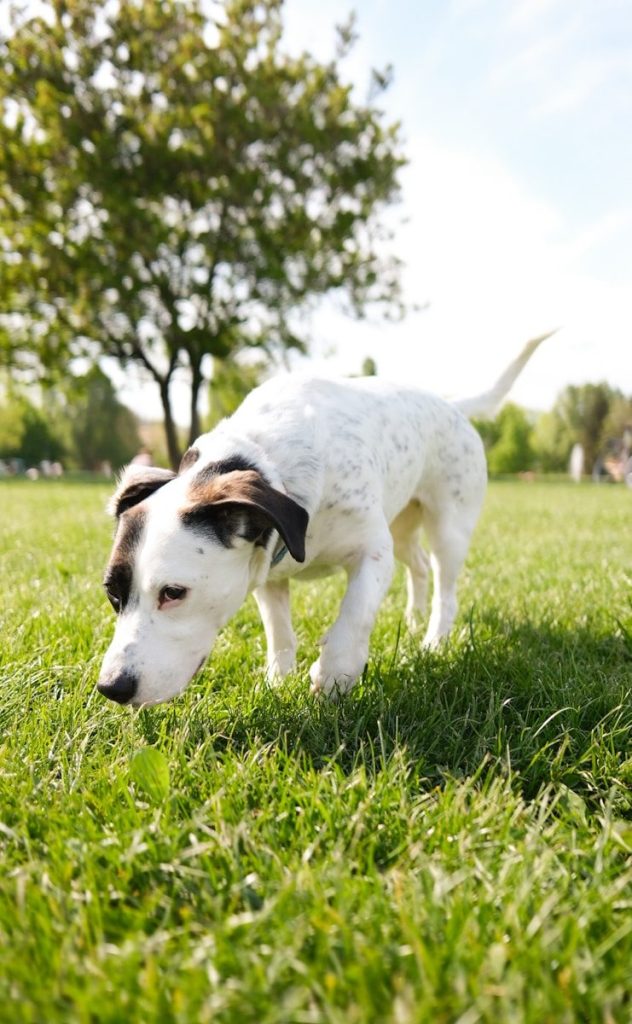
Dogs need both physical exercise and mental stimulation. When they do not get enough activity, they may develop habits simply to entertain themselves. Chewing on grass can become one of those habits. Some dogs nibble grass when they are bored, especially if they spend a lot of time alone in a yard.
Attention may also play a role. Dogs are very observant and quickly learn which actions get a reaction from their owners. If a dog notices that eating grass causes people to rush over, talk to them, or offer treats, the behavior may become reinforced. Over time, some dogs learn that grass eating is an easy way to get extra attention from their family members.
When grass eating could signal a problem
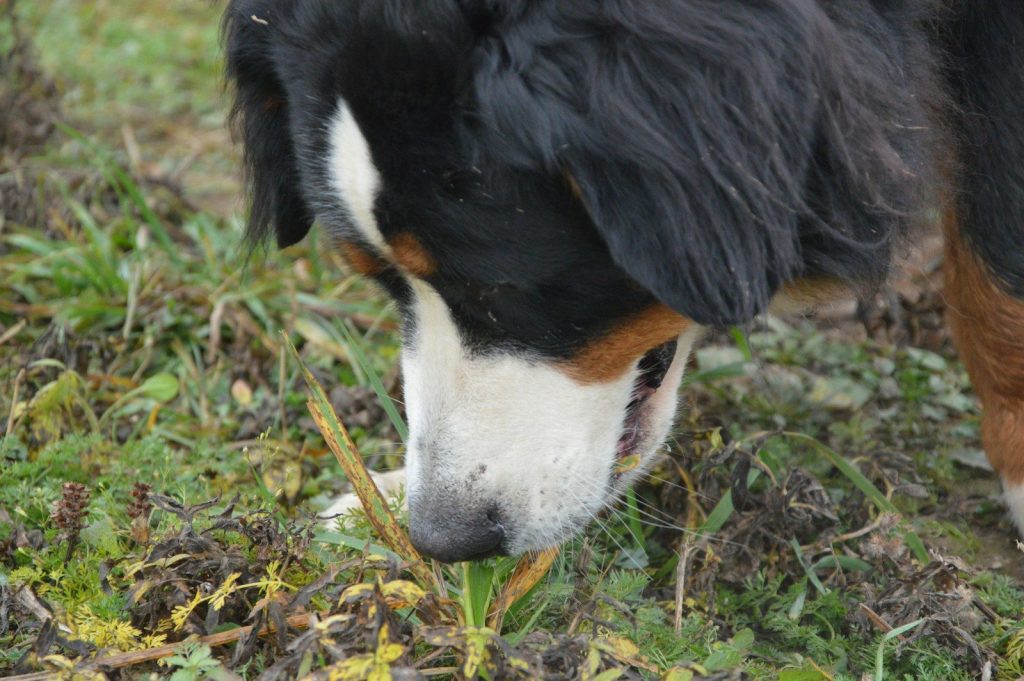
Although grass eating is usually harmless, there are situations where it may point to an underlying issue. A dog that suddenly begins eating large amounts of grass or becomes obsessed with it may be trying to tell you something. Changes in behavior are often more important than the behavior itself. If the habit appears suddenly and is much more frequent than normal, it deserves closer attention.
Watch for warning signs that occur alongside grass eating. These include frequent vomiting, diarrhea, weight loss, low energy, abdominal pain, poor appetite, or changes in bowel habits. A veterinarian can help determine whether digestive disease, parasites, dietary issues, or another medical condition is involved. While occasional grass chewing is common, persistent symptoms should always be checked by a professional.
Leave a Reply