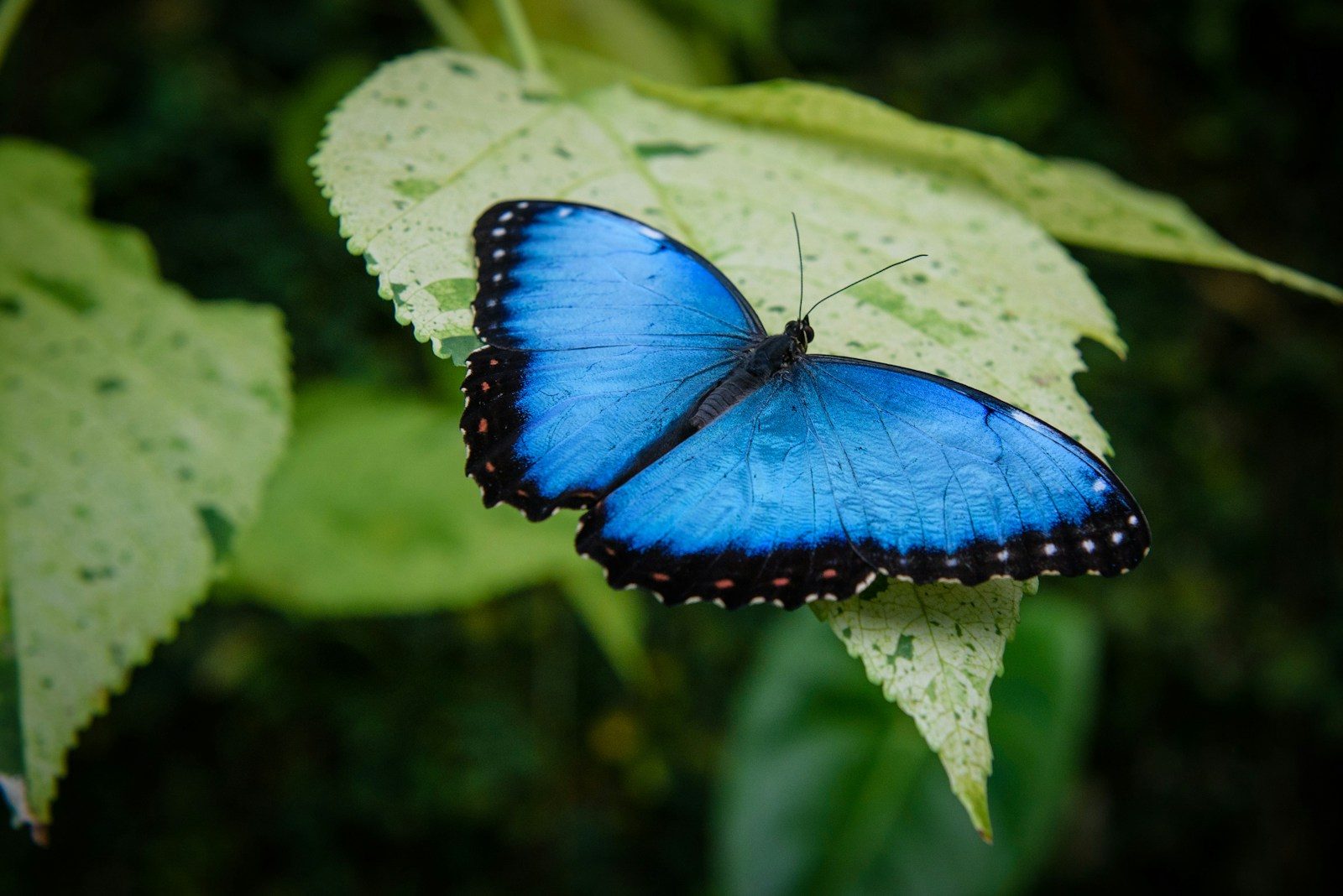
A dramatic rise in butterfly numbers has caught the attention of conservationists and nature lovers across the world. After years of worrying declines, some protected habitats have reported a sudden rebound, with one population showing an increase of about 9,000 percent. This kind of recovery is rare and usually happens only when damaged ecosystems are carefully restored and left undisturbed for long periods.
In this article, you will learn what caused this unexpected butterfly comeback, what scientists think is behind the rapid growth, and why it matters for the environment. You will also see how habitat protection, climate conditions, and human action all play a role in helping butterfly species recover. Understanding this story helps show how fragile nature is, but also how quickly it can heal when conditions improve.
What the 9,000 percent increase really means
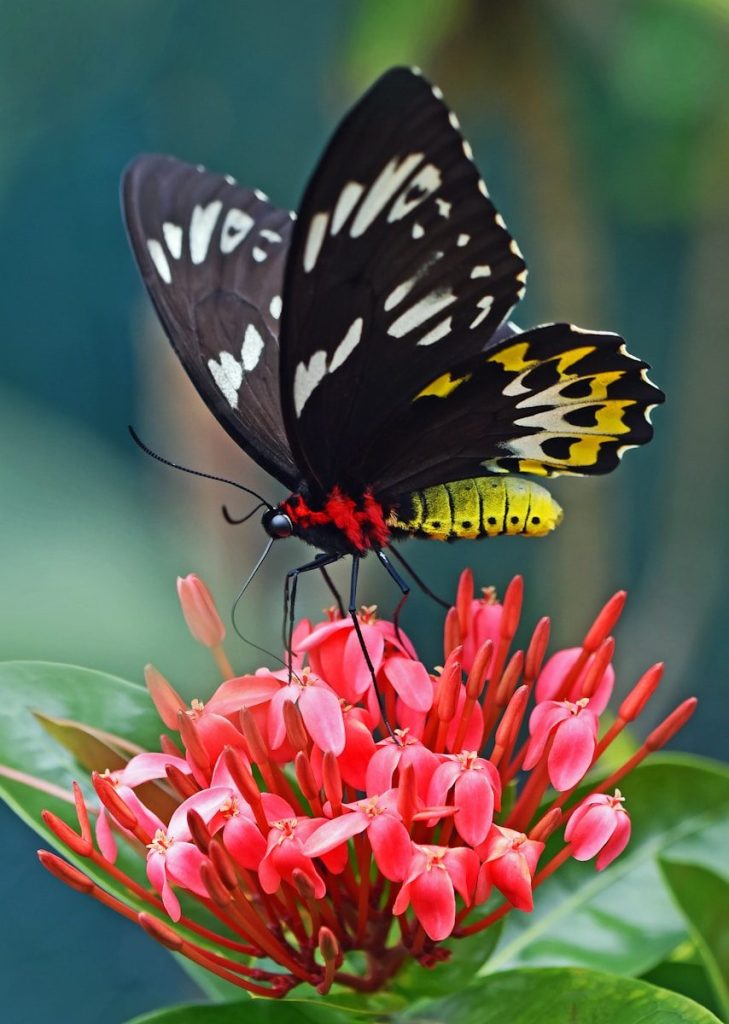
When scientists report a 9,000 percent increase, it does not mean butterflies suddenly appeared everywhere overnight. It usually means the population started from a very small number and then grew significantly over time in a specific monitored area. For example, if only a few dozen butterflies were counted in an earlier survey, a return to several thousand later can produce a very large percentage increase.
Research on butterfly recovery often shows that short-term spikes like this are possible when conditions become ideal. This includes better weather patterns, fewer pesticides, and restored plant life. However, experts always caution that such sharp increases do not always reflect a permanent national or global trend. Butterfly populations can rise quickly, but they can also fall just as fast if conditions change again.
Why butterfly populations dropped in the first place
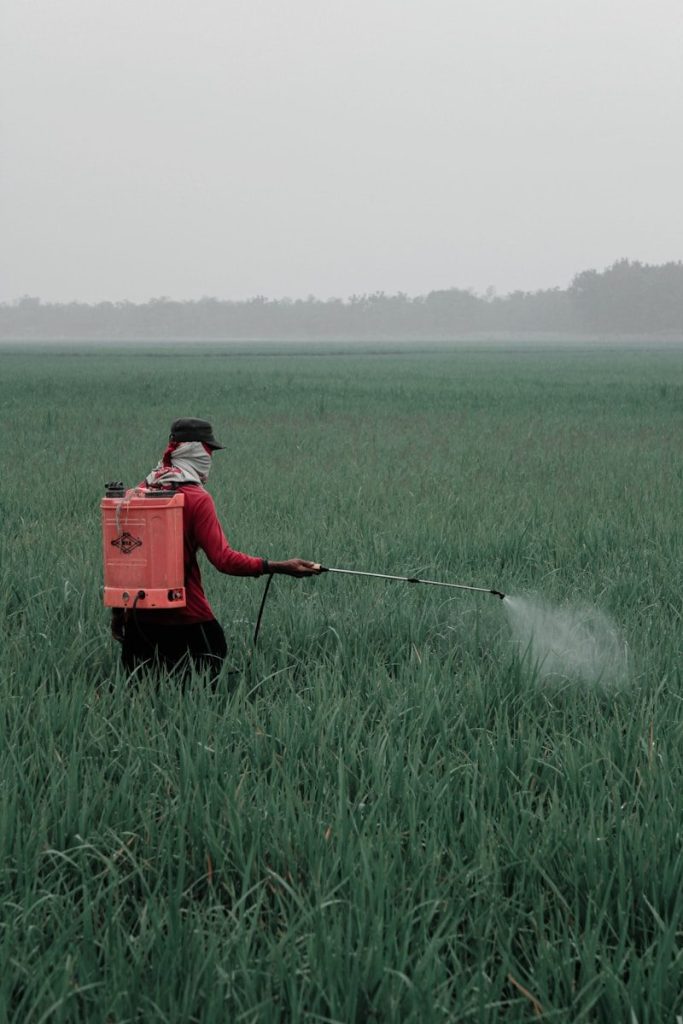
To understand this recovery, it is important to know why butterfly numbers fell so sharply in many regions. Studies across North America show long-term declines caused mainly by habitat loss, pesticide use, and climate change. One large scientific review found that U.S. butterfly populations dropped by about 22 percent between 2000 and 2020, showing how serious the problem has been over time.
A major issue is the loss of native plants like milkweed, which monarch butterflies depend on for laying eggs and feeding caterpillars. Farming practices, land development, and heavy herbicide use have reduced these plants in many areas. In addition, warmer temperatures and unpredictable weather patterns have made survival harder for many species. These combined pressures pushed many butterfly populations into steep decline before recovery efforts began.
How conservation efforts helped the recovery
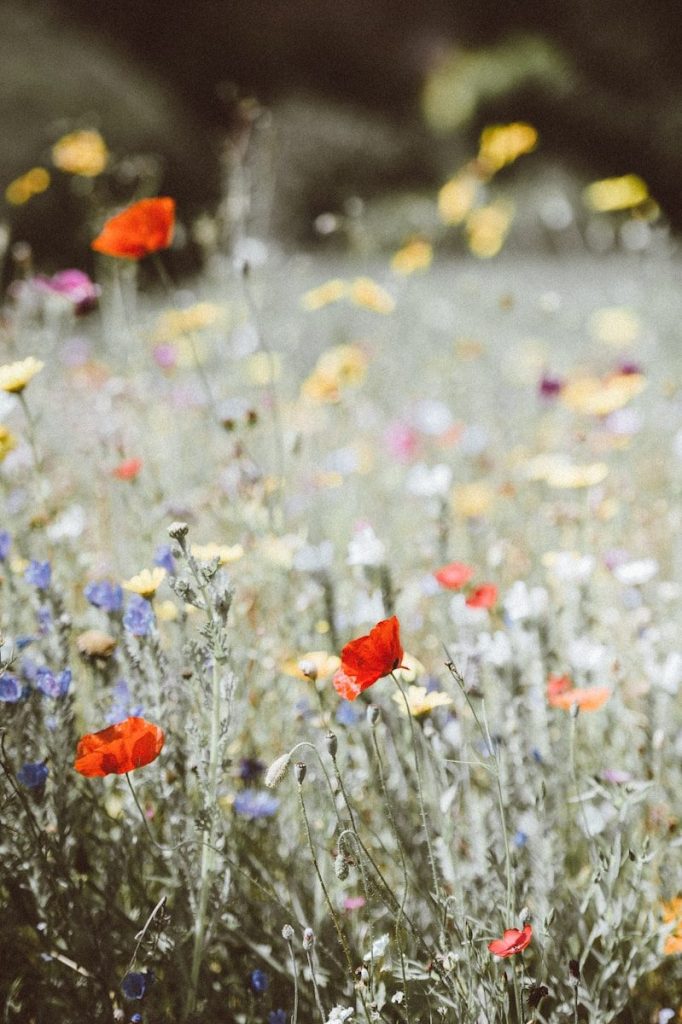
The sudden rise in butterfly numbers is closely linked to conservation work. In areas where land was protected or restored, native plants began to return, giving butterflies the food and shelter they need. When milkweed and wildflowers come back, butterflies can complete their life cycles more successfully, leading to faster population growth.
In some protected zones, conservation groups also reduced pesticide use and limited human disturbance. These changes allowed eggs, caterpillars, and adult butterflies to survive in greater numbers. Scientists note that butterflies respond quickly to improved conditions because they reproduce many times in a single year, so even small improvements in habitat can lead to big population changes over time.
The role of weather and natural cycles
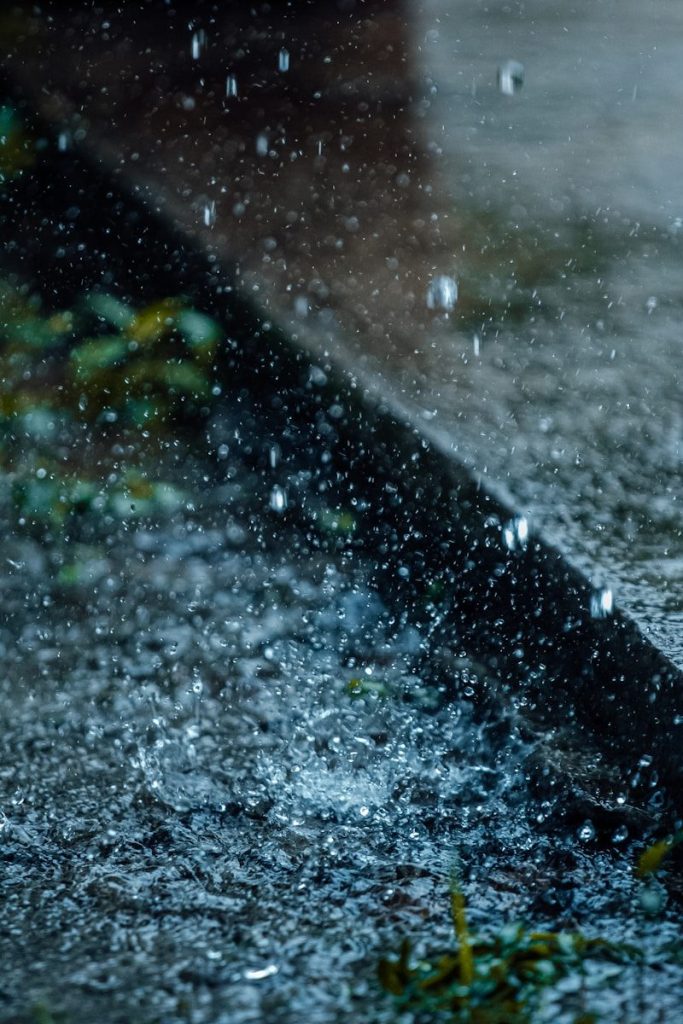
Weather plays a major role in butterfly population changes. A single good season with the right balance of rain, temperature, and plant growth can help butterfly numbers rise quickly. Mild winters can also improve survival rates for eggs and pupae, leading to stronger spring populations.
However, butterfly populations are naturally unstable because they depend so heavily on seasonal conditions. Even in recovering areas, a sudden drought or heat wave can slow growth or cause temporary declines. Scientists say that the 9,000 percent jump likely reflects a combination of ideal weather conditions and successful habitat restoration working together at the same time.
Why this recovery matters for the environment
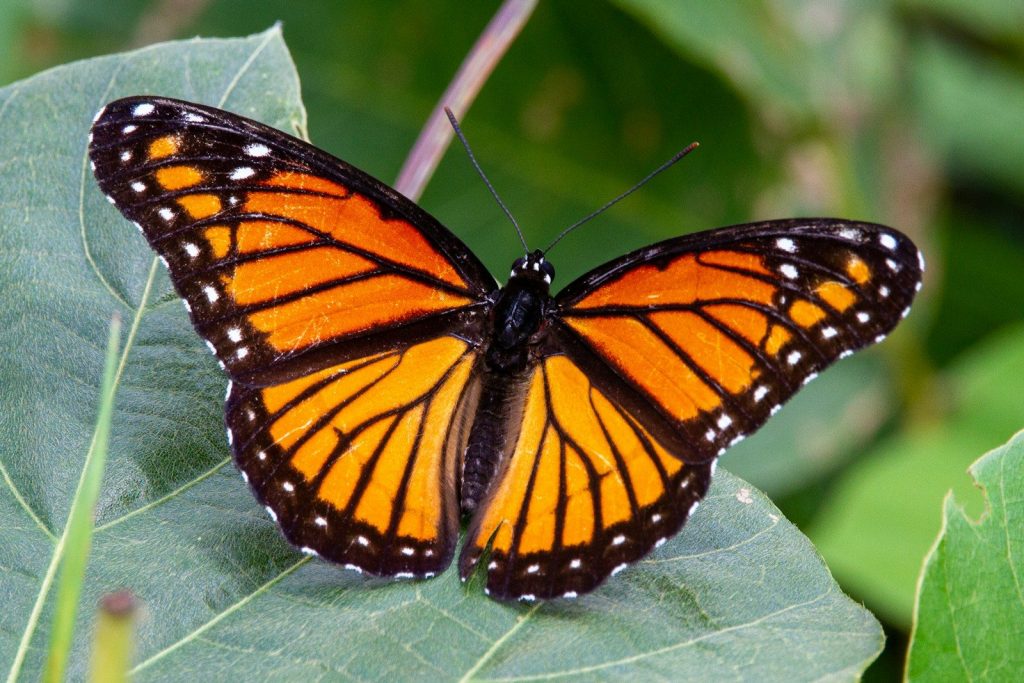
Butterflies are more than just colorful insects. They play an important role in pollination, helping flowers, crops, and wild plants reproduce. When butterfly numbers drop, it can affect the entire food chain, including birds and other wildlife that depend on them for food.
A strong recovery like this shows that ecosystems can heal when stress is reduced. It also gives scientists hope that long-term declines can be slowed or even reversed in some areas. However, experts also warn that isolated recoveries do not mean the overall problem is solved. Many regions are still seeing long-term declines, so continued conservation is necessary.
What scientists expect next
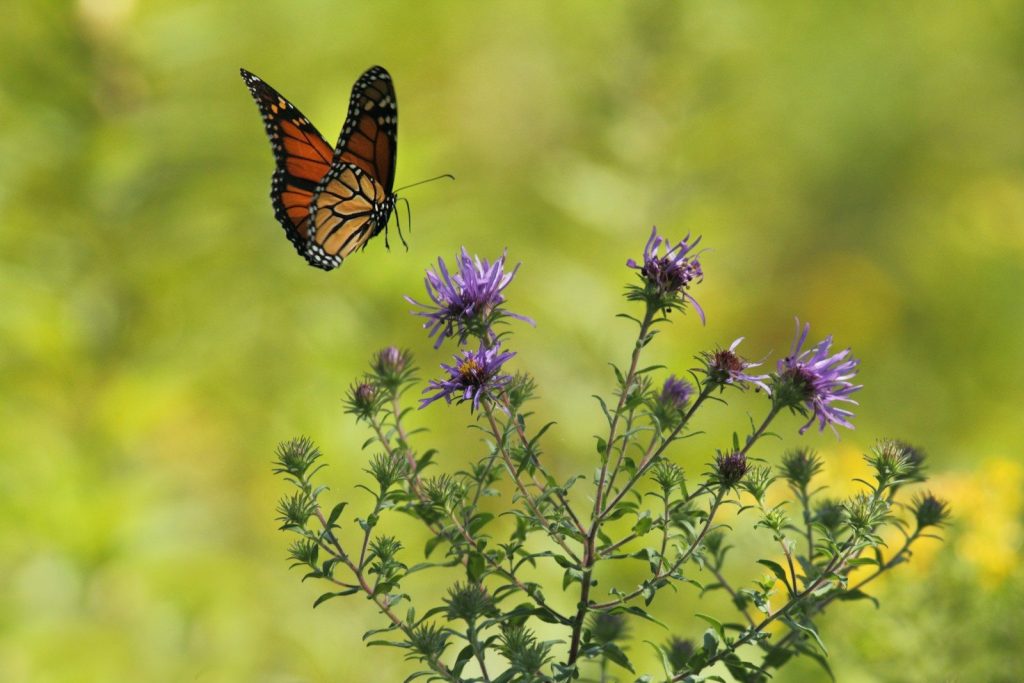
Scientists are careful when looking at sudden population increases like this one. While the 9,000 percent rise sounds impressive, they say it must be tracked over many years to understand if it is stable. Butterfly populations naturally rise and fall, so one strong season does not guarantee long-term recovery.
Researchers will continue monitoring the same areas to see if numbers stay high or drop again. They will also study how climate change, farming practices, and conservation efforts affect future trends. The goal is to understand what conditions lead to lasting recovery instead of short-term spikes.
Leave a Reply