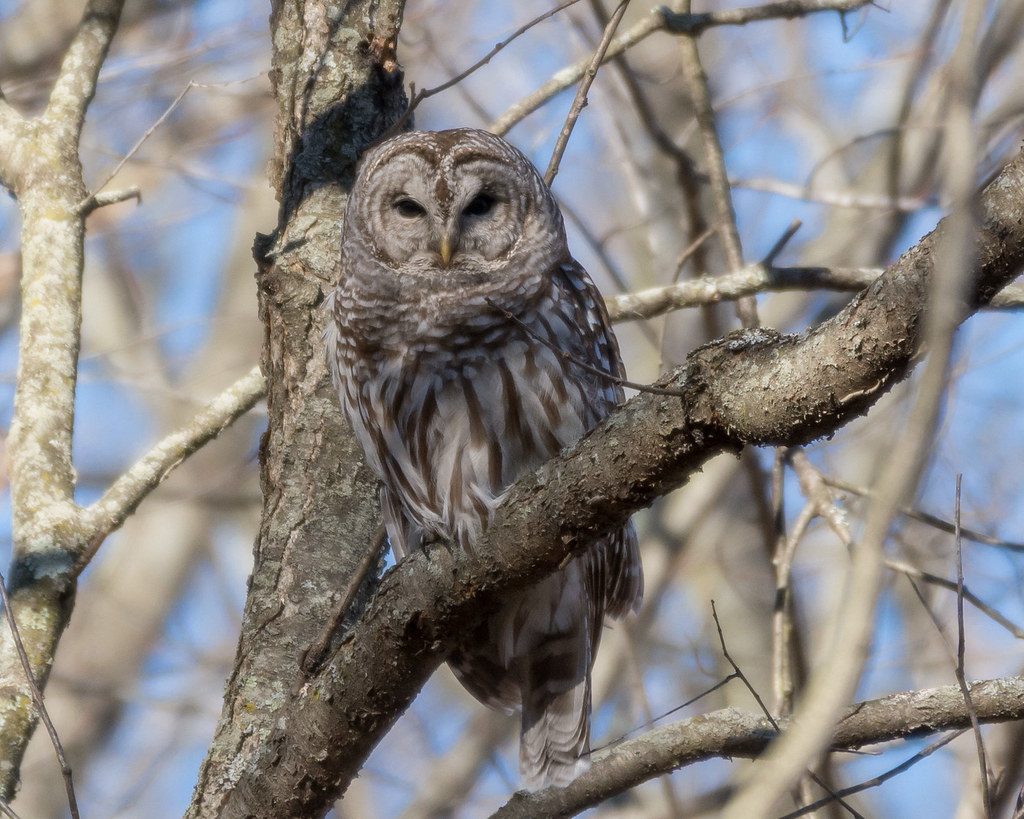
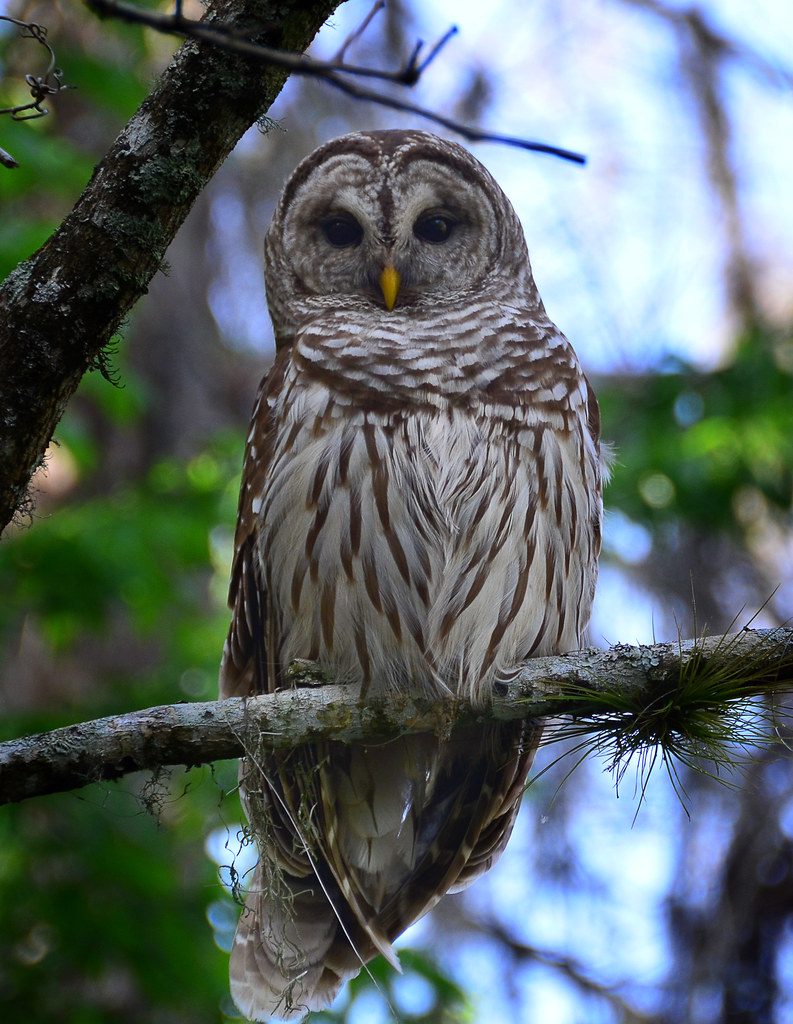
A controversial wildlife plan in the United States is raising serious debate among scientists, conservationists, and animal welfare groups. The plan focuses on reducing populations of barred owls, a bird that has spread across western forests and is now competing with the threatened northern spotted owl. Supporters say this action is needed to prevent the spotted owl from disappearing entirely, while critics argue it raises ethical concerns about killing one species to save another.
At the heart of this issue is a complex question about human responsibility in nature. The barred owl is not originally native to western forests, but its expansion has changed the balance of the ecosystem. This article will explain why the plan exists, how it would work, and why it has become one of the most debated wildlife decisions in recent years.
Why barred owls are spreading west
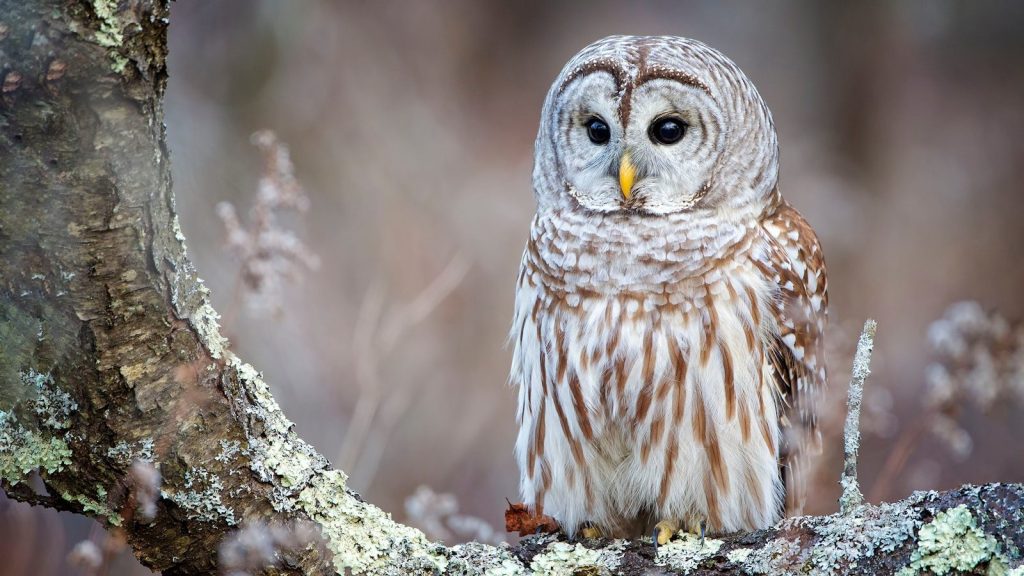
Barred owls originally lived in eastern North America, but over the last century, they gradually moved west into forests across Washington, Oregon, and California. Scientists believe this spread happened due to changes in land use, forest conditions, and human development that removed natural barriers to their movement. Over time, they established strong populations in areas once dominated by the northern spotted owl.
Unlike spotted owls, barred owls are more flexible in their habitat needs. They can live in a wider range of forest types, including areas that have been altered by logging or development. This adaptability has allowed them to grow in number and expand their territory, often into spaces already occupied by other owl species.
Impact on northern spotted owls
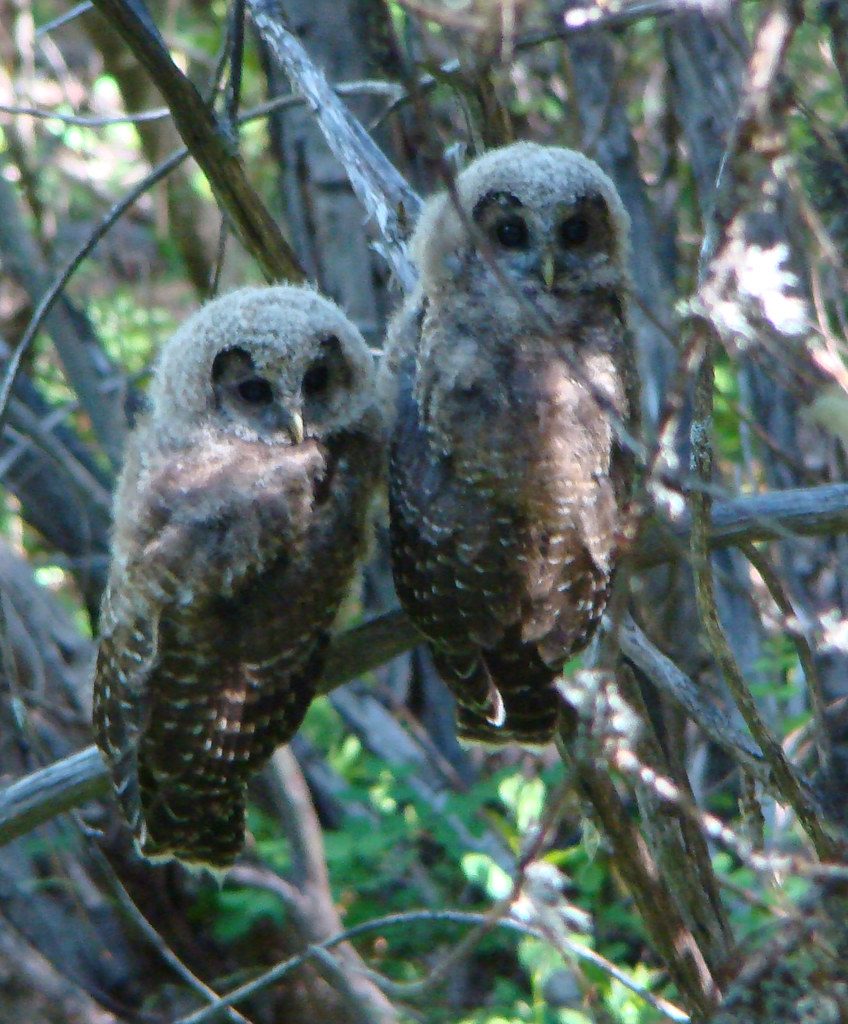
The northern spotted owl is already listed as threatened in the United States, mainly because of historic logging of old-growth forests. These owls depend on large, old trees for nesting and hunting. When their habitat shrank, their population became more fragile and spread out across fewer suitable areas.
According to wildlife agencies, barred owls now compete directly with spotted owls for food, nesting sites, and territory. In many cases, barred owls are larger and more aggressive, which gives them an advantage. Studies have shown that where barred owls are present, spotted owl survival and reproduction rates often decline, making recovery much harder.
The federal management strategy explained

To address this issue, the U.S. Fish and Wildlife Service developed a long-term management strategy aimed at reducing barred owl numbers in selected areas. The plan allows trained wildlife professionals to remove barred owls from regions where spotted owls are still present or trying to recover.
The strategy is expected to operate across parts of Washington, Oregon, and California. If fully carried out over several decades, it could involve the removal of hundreds of thousands of barred owls. Wildlife officials argue that this is not about hunting for sport, but about targeted population control designed to protect a threatened species from extinction.
Methods used in owl removal
The process used in this plan is highly controlled and not open to the public. Trained professionals identify barred owls in specific forest zones and use recorded calls to attract them. Once located, the owls are then removed using approved wildlife management methods under federal permits.
Officials emphasize that the work is carefully regulated. It is only carried out in designated areas where spotted owls are under the most pressure. The goal is not to eliminate barred owls everywhere, but to reduce their impact in key habitats where conservation efforts are focused.
Ethical debate and public reaction

The plan has sparked a strong ethical debate across the United States. Supporters argue that difficult choices are sometimes necessary in conservation, especially when a species is at risk of extinction. They say that without intervention, the northern spotted owl could continue to decline due to ongoing competition.
Opponents, including animal welfare groups and some conservation voices, argue that killing one native species to protect another is morally wrong. They also question whether the plan will have long-term success, since barred owls are still expanding their range. Some critics believe that protecting and restoring forests should be the main solution instead of removing animals.
What this means for future conservation
This controversial plan reflects a larger challenge in modern conservation: how to manage ecosystems that have already been changed by human activity. Wildlife agencies are trying to balance species protection with ethical concerns, scientific evidence, and long-term environmental stability.
As climate change, habitat loss, and shifting species ranges continue, similar decisions may become more common. The barred owl case shows that conservation is no longer just about protecting nature, but also about deciding how far humans should go to correct ecological imbalances.
Leave a Reply