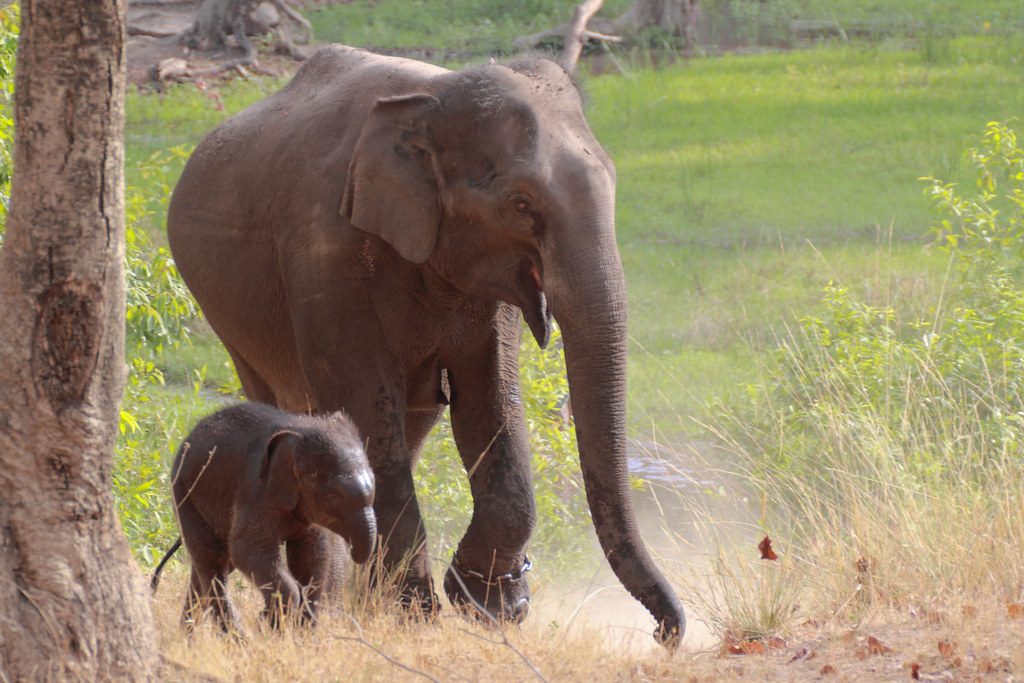
What happens when an elephant who once lost everything comes back years later as a mother? A deeply emotional moment shared by the Sheldrick Wildlife Trust shows exactly that. An elephant named Melia, who was rescued as a young orphan, returned to the sanctuary years later with a surprising gift, her own baby calf.
The visit quickly became a heartwarming full-circle moment as Melia introduced her newborn daughter to the caretakers who once helped raise her. In the first moments of the video, Melia confidently approaches the team while her calf follows closely behind, marking a powerful reunion filled with trust and memory. This article explores Melia’s journey, the care she received as an orphan, and why this emotional return means so much for conservation efforts and elephant families.
Melia’s early life as an orphaned calf
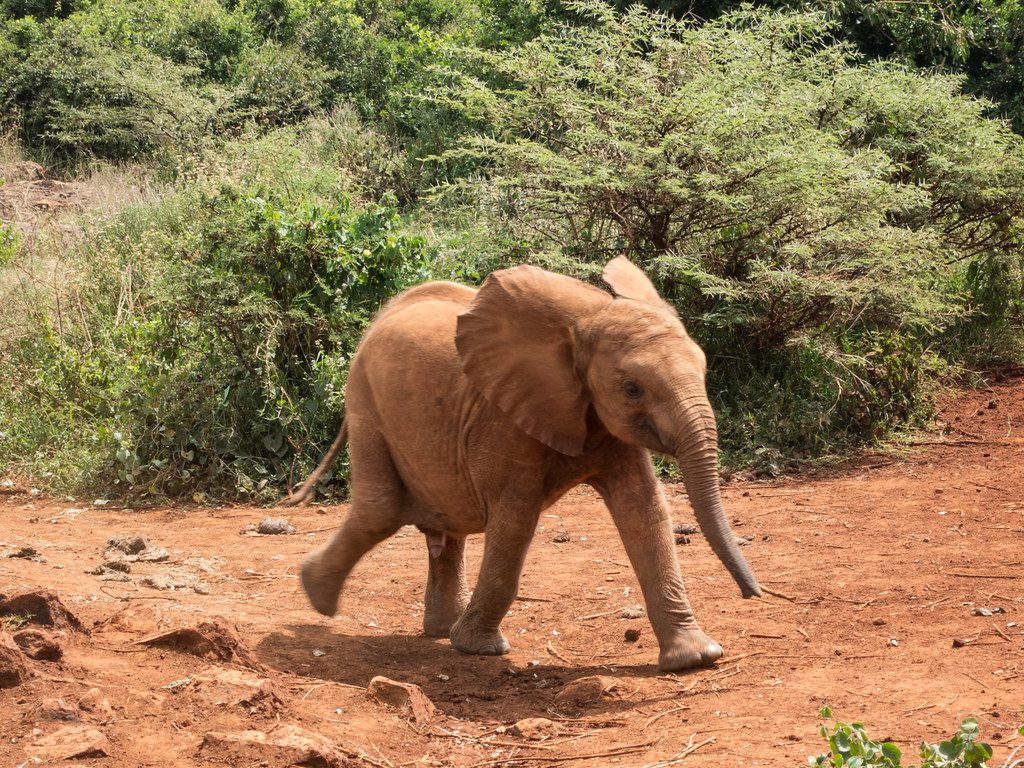
Melia’s story begins in a situation many young elephants sadly face in the wild. As a calf, she was separated from her family and left vulnerable during a critical stage of life. Elephant calves depend completely on their mothers for milk, warmth, and protection, and without that support, survival becomes extremely difficult.
She was rescued and brought into the care of the Sheldrick Wildlife Trust, where she began her recovery. Like many orphaned elephants, Melia was likely frightened and stressed when she first arrived. The sanctuary provided her with a safe place where she could heal and slowly adjust to a new environment filled with caretakers who acted as her new family.
Life inside the Sheldrick Wildlife Trust nursery
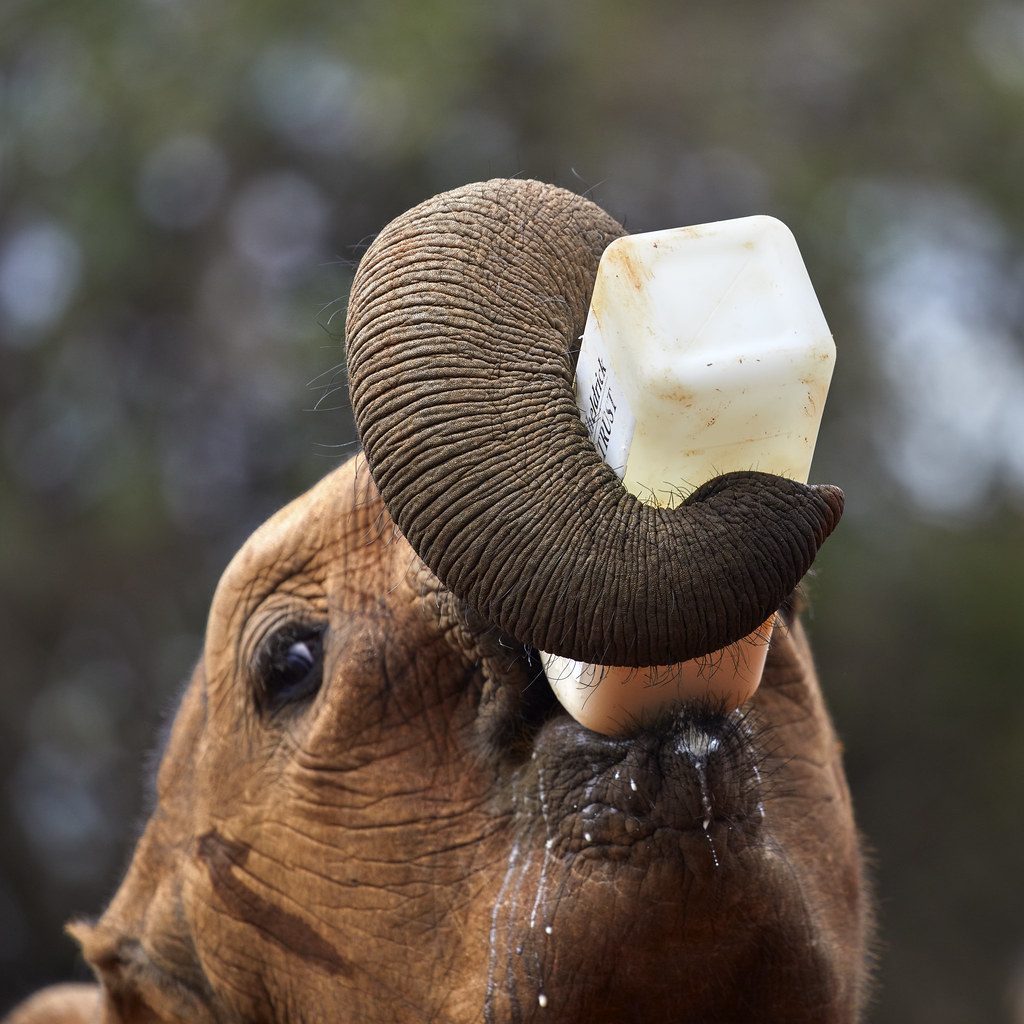
At the Sheldrick Wildlife Trust nurseries in Kenya, orphaned elephants like Melia receive constant care. Caretakers stay with them day and night, feeding them milk, comforting them, and helping them feel secure again after trauma. These early months are extremely important because young elephants form emotional bonds very quickly.
The nurseries are not just about survival, but also about rebuilding trust. Elephants begin to recognize their caregivers as protective figures. Over time, they learn to socialize with other orphaned elephants, forming friendships and learning natural behaviors that prepare them for future life in the wild.
Growing up and becoming independent
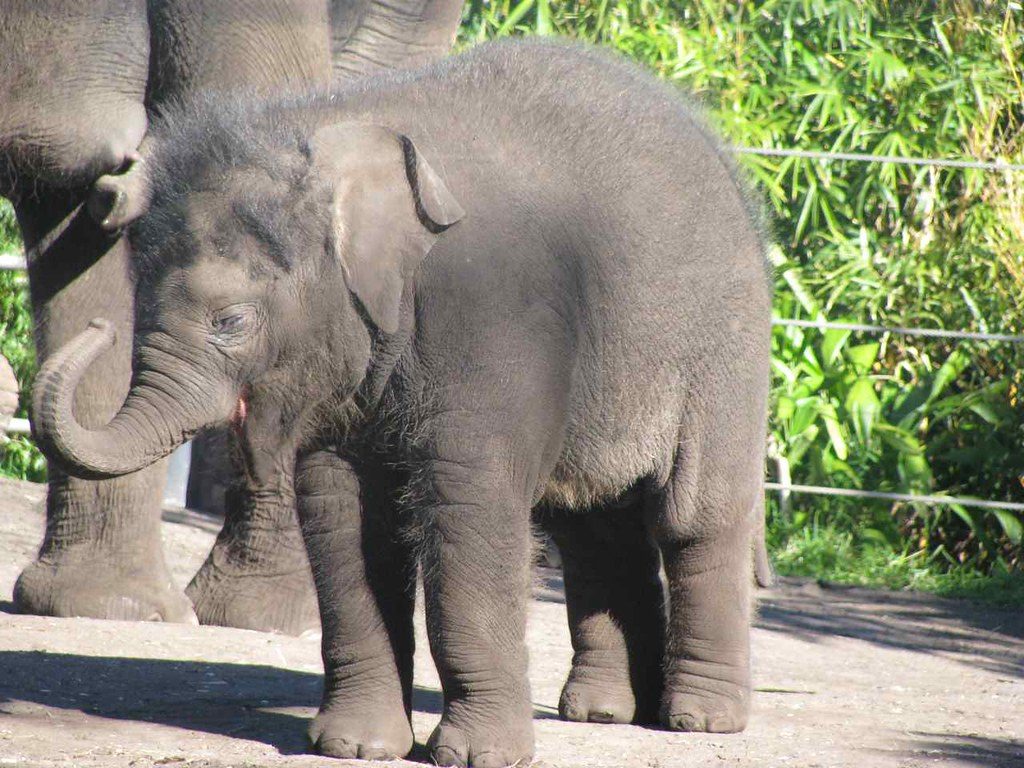
As Melia grew older, she went through a gradual transition from nursery care to more independent living. This stage is carefully managed by the sanctuary. Elephants move from close human care to Reintegration Units, where they start interacting with wild elephants while still having support from their caretakers.
During this time, they learn essential survival skills such as finding food, understanding herd behavior, and navigating their environment. Female elephants like Melia often develop nurturing instincts, sometimes helping younger orphans in the group, almost like mini matriarchs learning leadership roles early in life.
Melia’s return with her baby calf, Moon
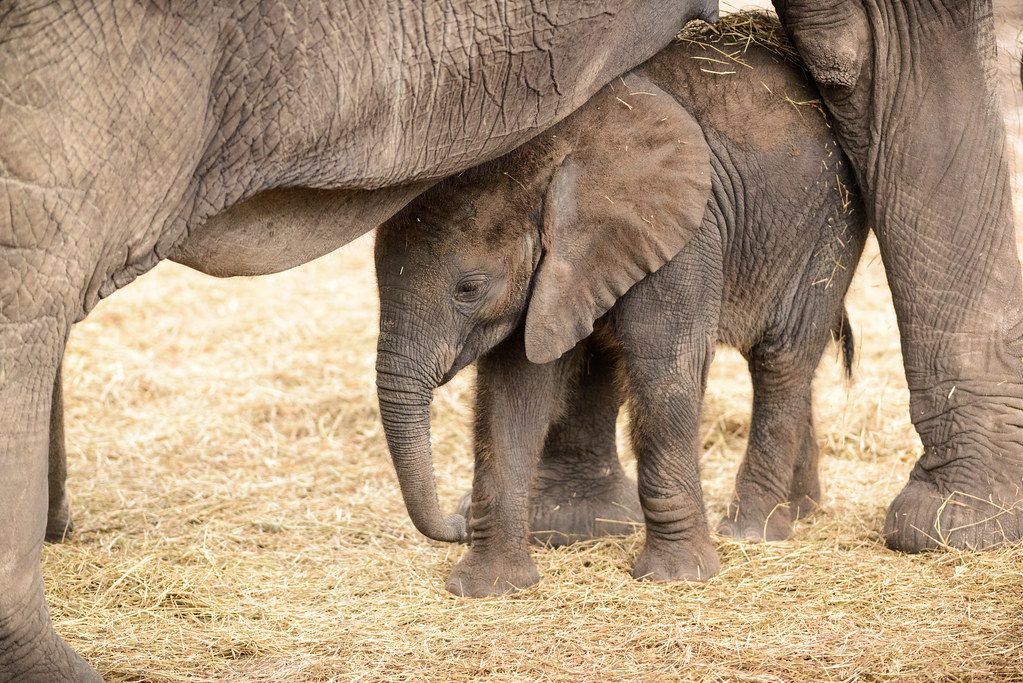
Years later, Melia returned to the Ithumba team with exciting news that surprised and delighted the caretakers. She arrived confidently with her baby calf following closely behind her. The baby, later named Moon by the team, stayed near her mother at first, then cautiously stepped forward toward the humans she had never met before but was connected to through Melia’s trust.
The Sheldrick Wildlife Trust shared that this was not Melia’s first baby, but her second, showing that she had fully adapted to life in the wild. The team described Moon as a bold and spirited young elephant, full of personality even at a very early age.
The emotional reunion with caretakers
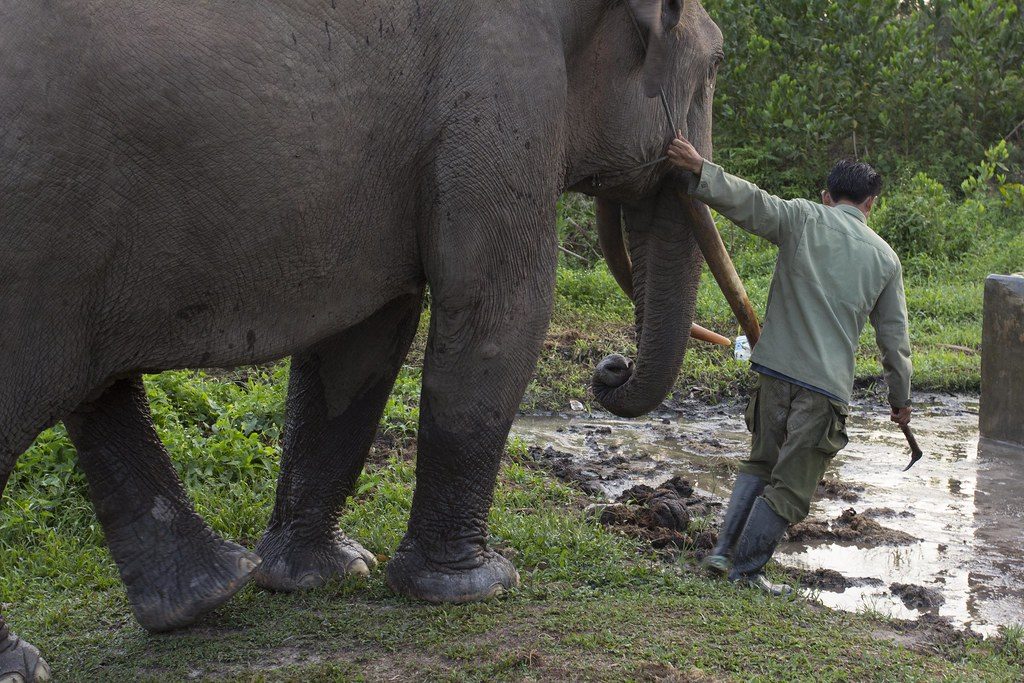
When Melia approached the caretakers, the moment was calm but deeply meaningful. She paused, allowing her baby to observe the environment, before gently guiding her closer to the familiar human presence. The caretakers, including Head Keeper Benjamin and the Ithumba team, welcomed her with quiet excitement and care.
Viewers who saw the video described the moment as powerful and emotional. Many were moved by how Melia seemed to remember the safety she once felt as an orphan. The fact that she brought her baby back to meet her former caregivers showed a strong bond that had lasted across years, proving how deeply elephants can remember those who cared for them.
Why this moment matters for elephant conservation
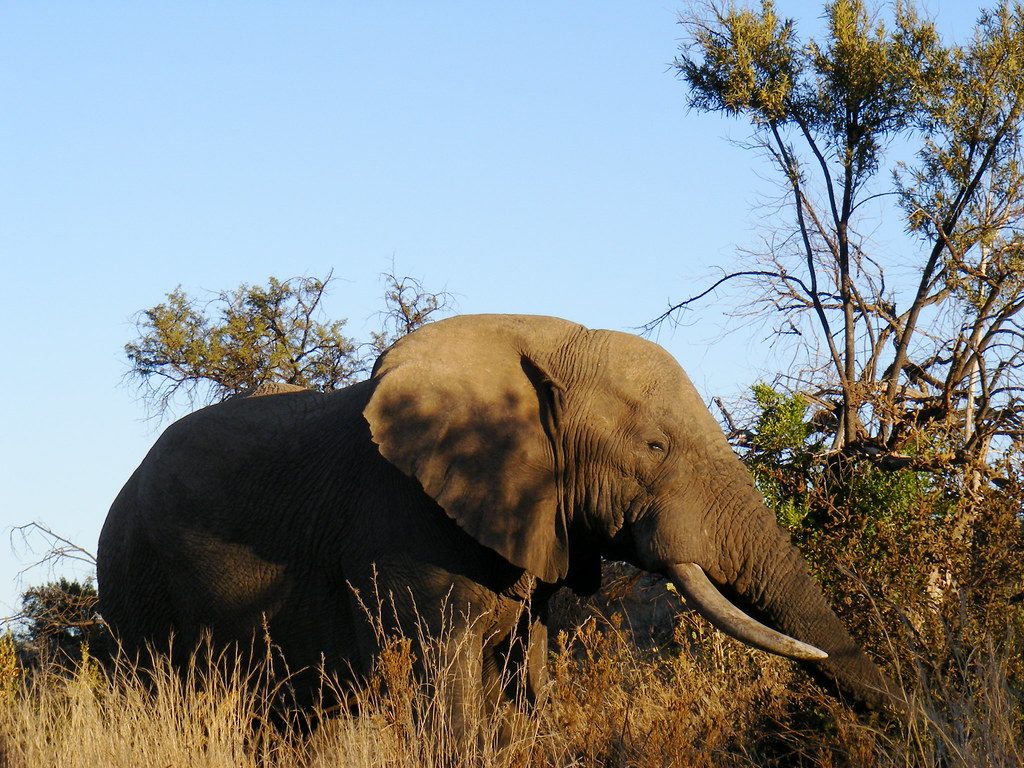
Melia’s return with her calf is more than just a touching story. It highlights the long-term impact of conservation work. The Sheldrick Wildlife Trust focuses on raising orphaned elephants so they can eventually return to the wild and live independently. These elephants often carry the memory of their caregivers with them, showing the emotional depth of their experiences.
This full-circle moment also shows how conservation efforts can continue across generations. By helping orphaned elephants survive and grow, organizations are not only saving individual lives but also supporting future wild populations. Melia and her calf Moon represent that success, proving that care, patience, and protection can lead to thriving elephant families in the wild.
Leave a Reply