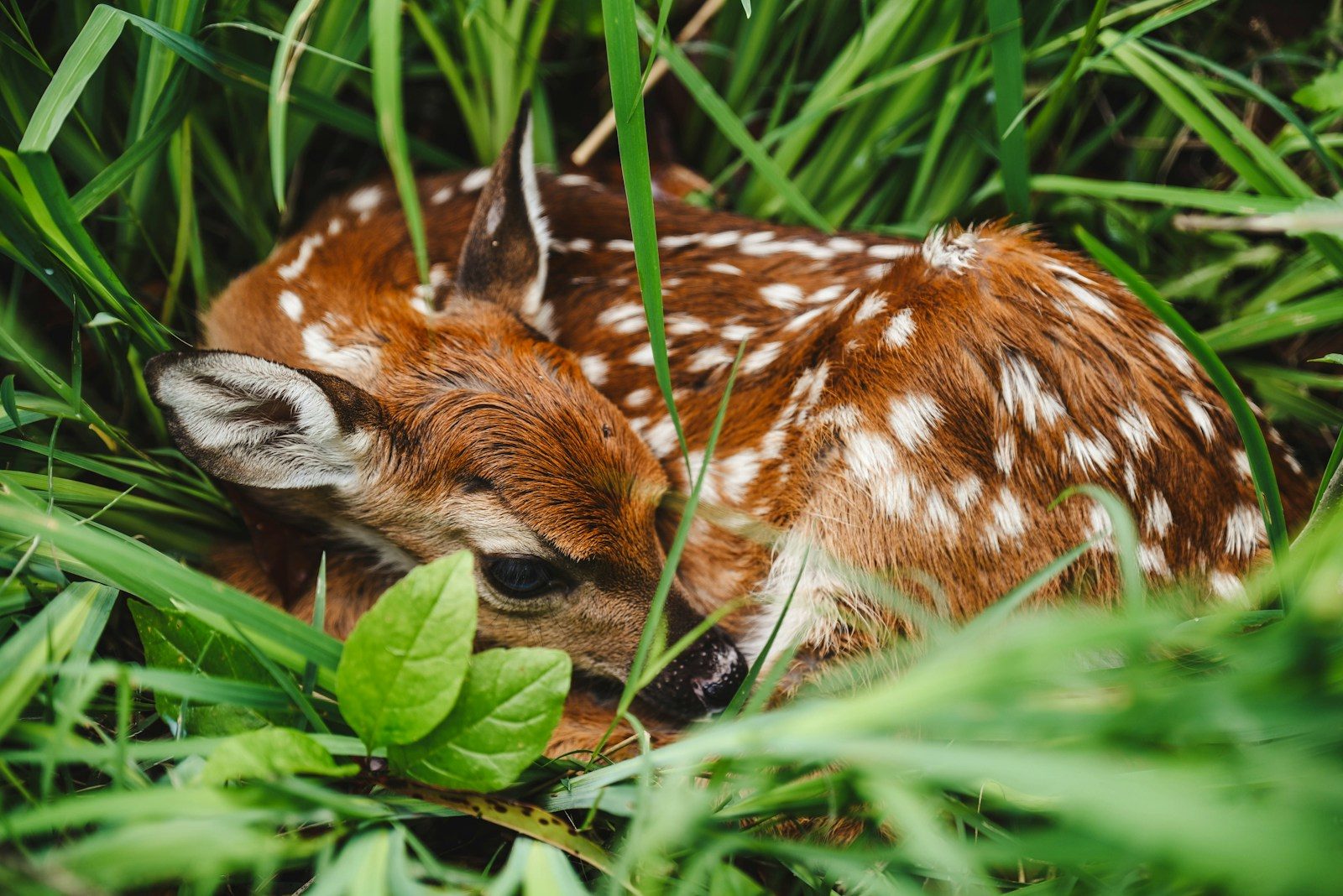
What seems like a kind act can sometimes do more harm than good when it comes to wild animals. That was the case in Sonoma County, California, where a deer fawn was rescued after being kept in a dog crate outside a home for more than three weeks. Wildlife officials say the people involved believed they were helping the young animal after finding it alone in the wild.
However, experts explain that many fawns are not abandoned, even when they appear to be by themselves. The rescue highlights the importance of understanding wildlife behavior and knowing when to contact trained professionals.
The report leads officers to the fawn
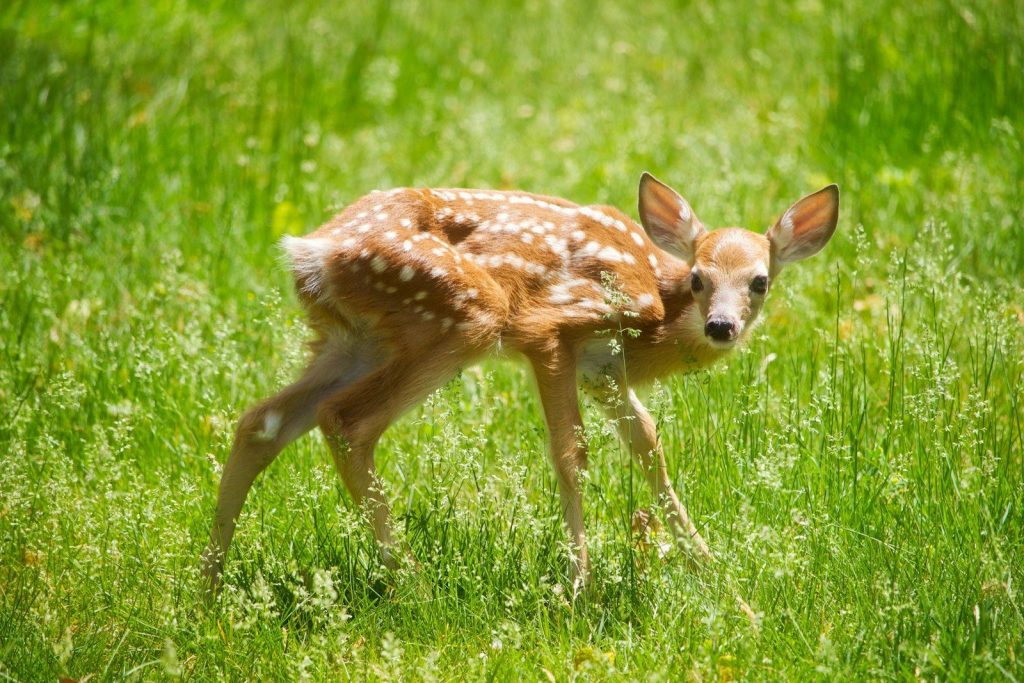
The rescue began when the California Department of Fish and Wildlife received a report about a deer fawn being taken from the wild. According to officials, a group of people had allegedly removed the animal from its natural habitat and placed it in a cage.
Wildlife Officer Cameron Blechert responded to the report and visited the location where the fawn was reportedly being kept. Upon arrival, he found the young deer confined inside an outdoor wire dog crate at a residence in Sonoma County.
Residents admitted to keeping the animal
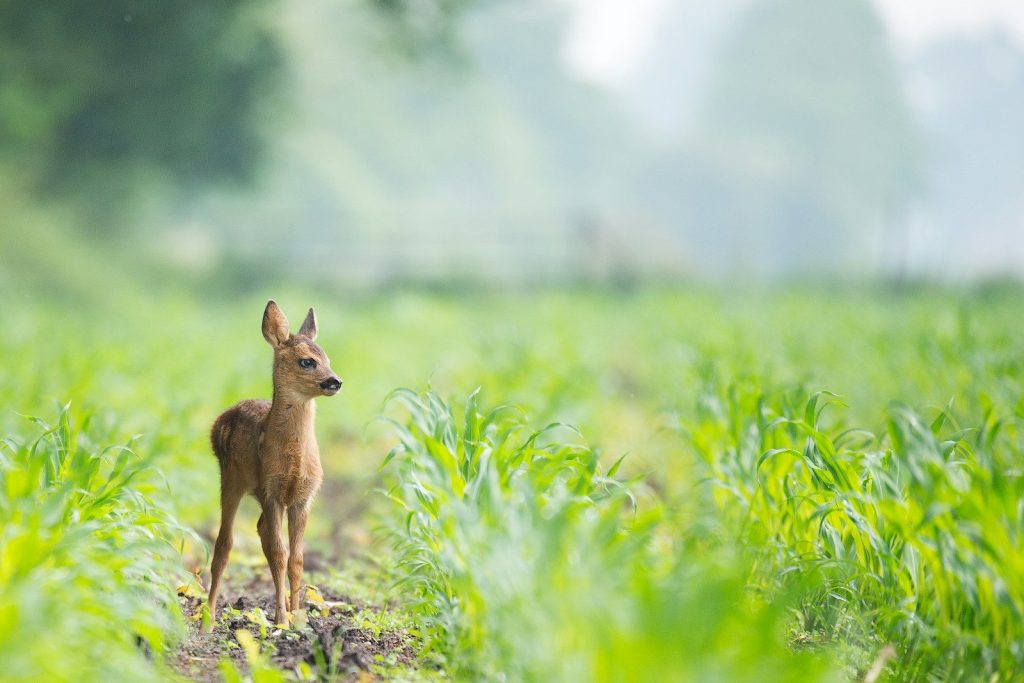
According to wildlife officials, the people at the home said they had found the fawn alone in the wild. They believed the animal needed help and decided to take it home.
The residents also acknowledged that they had been caring for the fawn for more than three weeks. While their actions may have been intended to protect the animal, keeping wildlife in captivity without authorization violates state regulations.
Wildlife laws protect deer and other animals
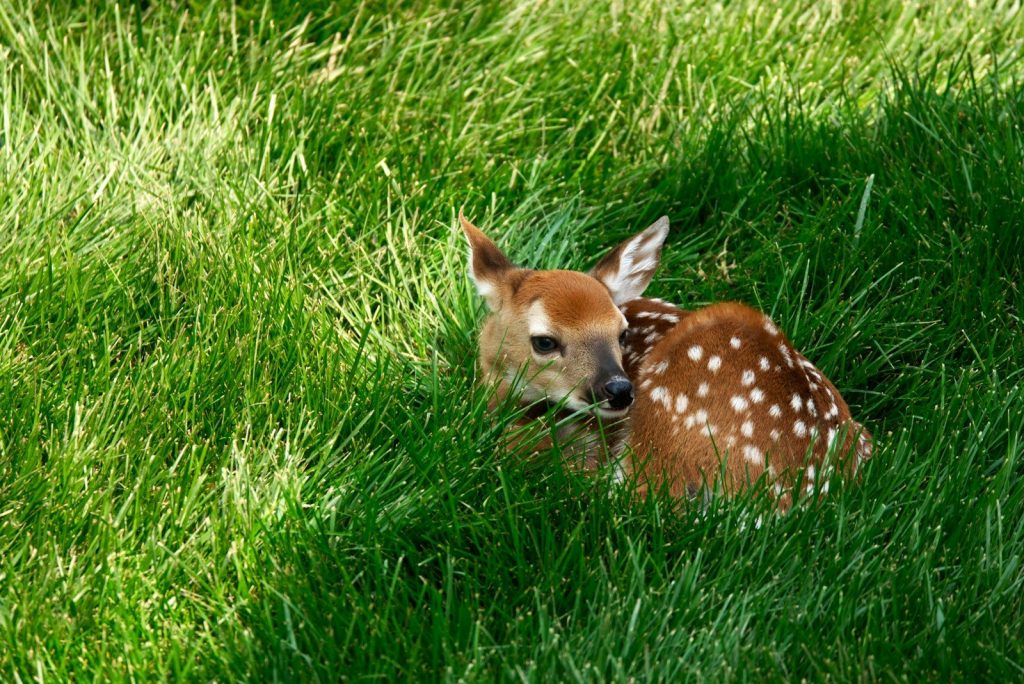
Following the investigation, one of the individuals involved received a citation for unlawfully capturing and confining wildlife. California wildlife officials take these cases seriously because wild animals require specialized care and natural environments.
The department noted that keeping deer in personal possession is illegal. Violations are considered misdemeanors and can result in penalties including fines of up to $1,000, jail time of up to 6 months, or both.
Fawn transferred to the rehabilitation experts
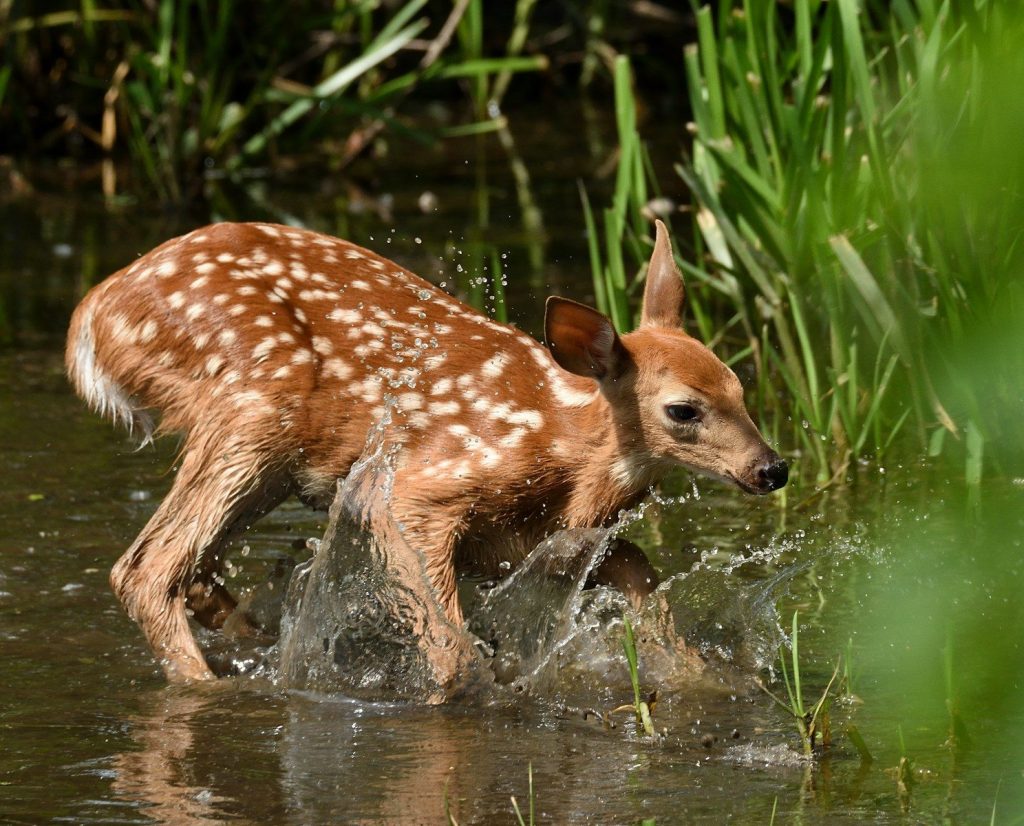
After being removed from the property, the fawn was transported to a wildlife rehabilitation center. There, trained professionals can provide the care needed to prepare the animal for a return to the wild.
The goal of wildlife rehabilitation is to help animals recover while limiting human contact whenever possible. Officials said the fawn will receive appropriate treatment and care before eventually being released back into its natural habitat.
Why fawns are often left alone
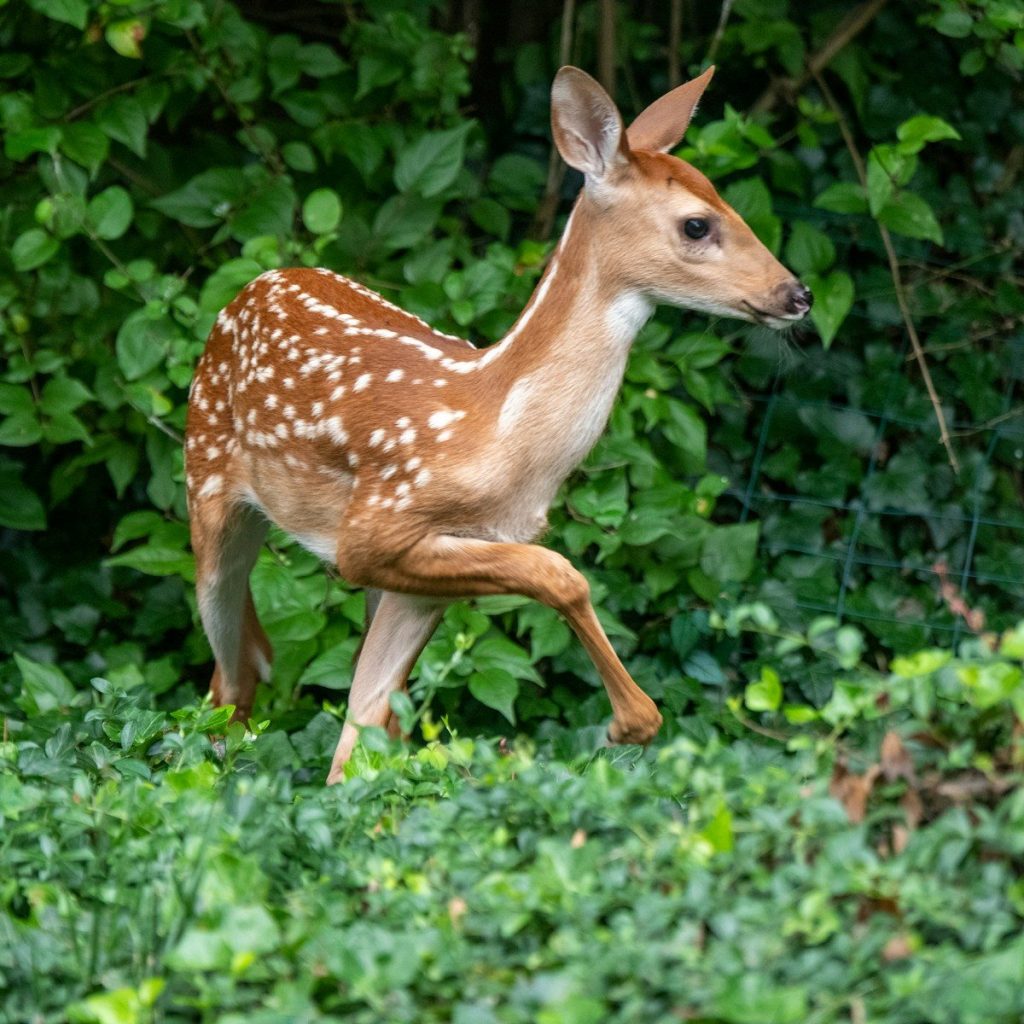
Wildlife experts explain that people frequently mistake normal deer behavior for abandonment. During the spring and summer months, mother deer often leave their fawns alone for extended periods while they search for food.
According to wildlife rescue organizations, it is common for does to leave and return several times throughout the day. A fawn that appears to be alone is often exactly where it is supposed to be, waiting for its mother to return.
Officials urge the public to call for help
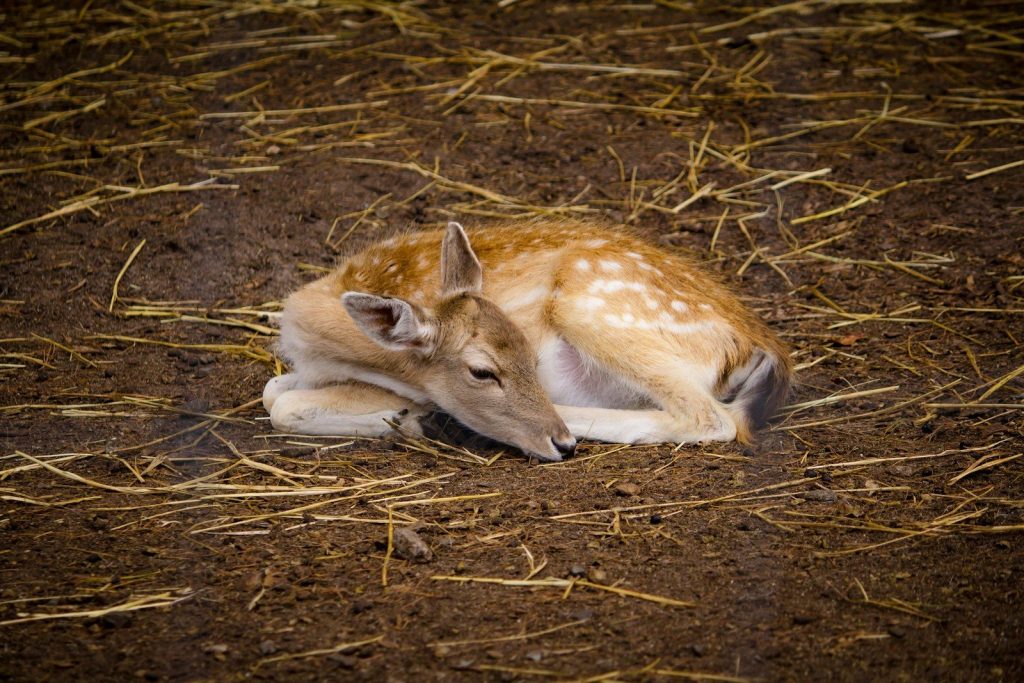
The California Department of Fish and Wildlife and wildlife rehabilitation groups encourage residents to avoid touching or moving fawns they encounter. Human intervention can sometimes create additional risks for young wildlife.
If someone is concerned that a fawn is injured, sick, or truly orphaned, experts recommend contacting wildlife professionals immediately. Trained specialists can assess the situation and determine whether assistance is actually needed.
Leave a Reply