A hug from a lioness looks very different from a hug between people. In the supplied footage, a lioness pulls her caretaker close, placing her powerful paws near his head as she holds him against her body. The moment appears affectionate, but the animal’s enormous strength makes the scene tense at the same time.
The footage comes from a sanctuary setting where the year reportedly included medical problems, emotional moments, and difficult work with the animals. Close relationships can develop between some captive lions and experienced caretakers, but familiarity does not remove the physical risks. The encounter offers a striking look at the trust involved in sanctuary work and the power that always remains behind it.
The lioness pulls him into her space
The main moment in the supplied footage begins when the lioness brings the man extremely close to her body. Her front legs reach around him, and her paws move near his head. From the camera’s point of view, the position immediately looks dangerous.
The scene can also look like affection. Lions are social animals, and physical contact plays an important role in their lives. However, we cannot know exactly what this particular lioness intended simply by looking at a short piece of footage.
Lions are naturally social animals
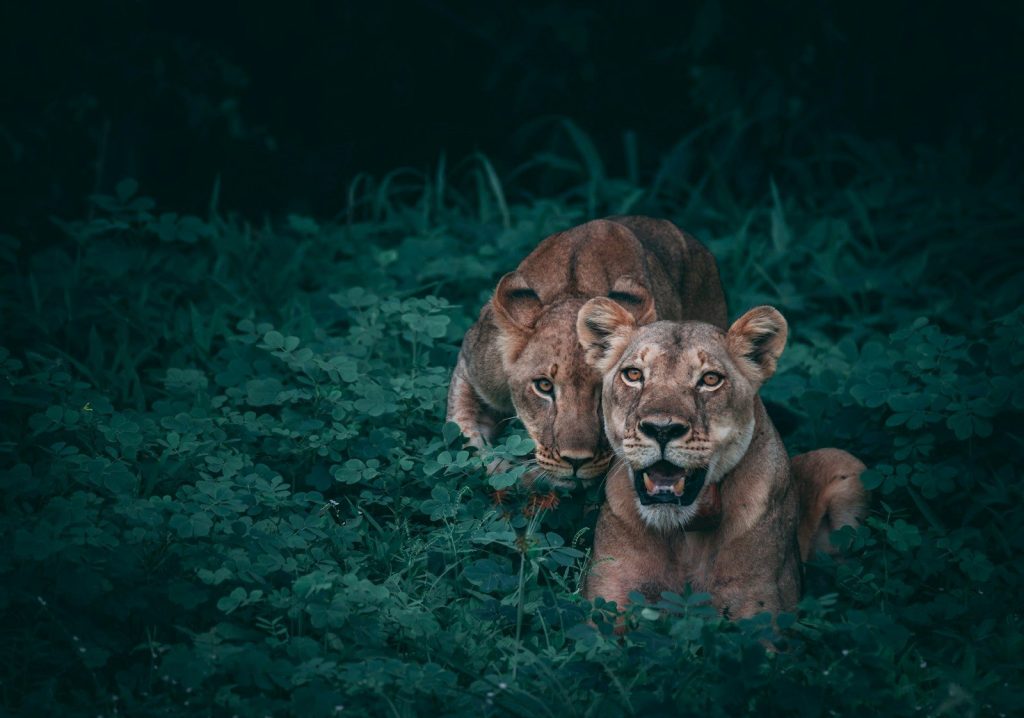
Unlike most other wild cats, lions have highly social lives. They commonly live in groups and form relationships with other members of those groups. This makes social behavior an important part of understanding what viewers see when lions interact.
FOUR PAWS specifically describes lions as highly social animals when discussing the care of lioness Manuschka at FELIDA Big Cat Sanctuary. The sanctuary hopes to socialize her with other lions while allowing her to adjust to her new surroundings gradually.
Her paws make the encounter look intense
The lioness’s paws are what make the supplied scene especially striking. They reportedly rest close to the man’s head while she holds him near her body.
Up close, the size and strength of a lion become much easier to understand. National Geographic described one researcher placing a hand beside the heavy paw of a sedated lioness during a scientific health check. The writer noted that the animal looked very different when viewed from such a short distance.
Sanctuary relationships can develop over time

The supplied material describes the encounter as part of a year filled with work at a sanctuary. That context matters because relationships between caretakers and individual animals can develop over long periods.
Modern sanctuaries can use regular routines and positive reinforcement to help lions become comfortable with necessary care. At FELIDA Big Cat Sanctuary, positive reinforcement training provides mental stimulation and helps staff monitor animals’ health. It can also prepare lions for medical care.
Medical care can become a major challenge
The supplied footage also refers to medical struggles during the year. Health problems can become especially complicated when the patient is a lion.
Veterinary teams cannot examine a large wild cat exactly as they would examine an ordinary house cat. A lion’s strength means even routine medical work can require careful planning and special procedures.
Trust does not erase a lion’s strength
The supplied encounter works because two ideas exist at the same time. The lioness appears comfortable enough to bring the man extremely close, yet her physical power makes that closeness impossible to ignore.
Familiarity with people does not make a lion a domestic animal. Even lions raised around humans retain the bodies and natural behaviors of large wild predators.
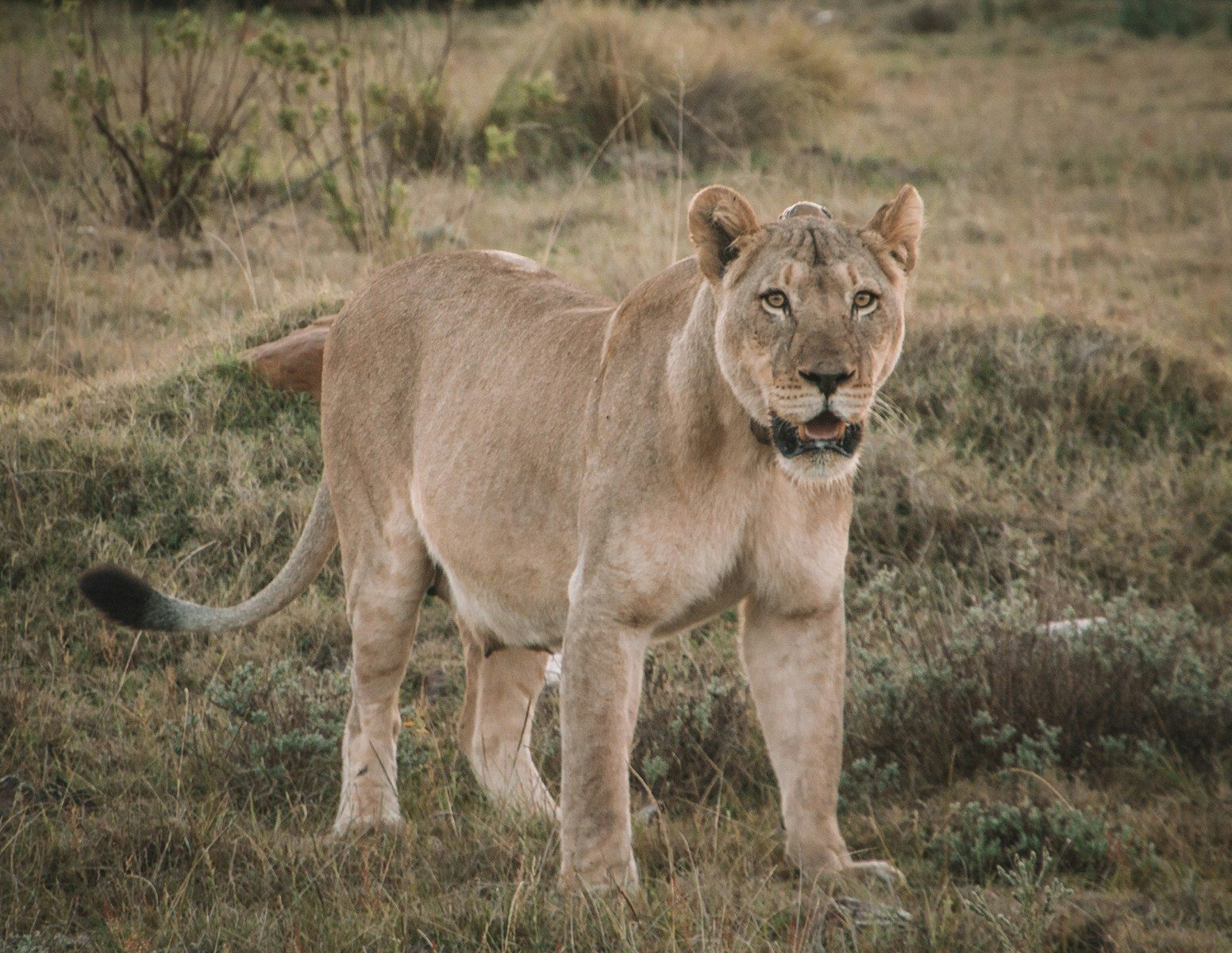
Featured Image: Photo by Brianna R. on Unsplash
Leave a Reply