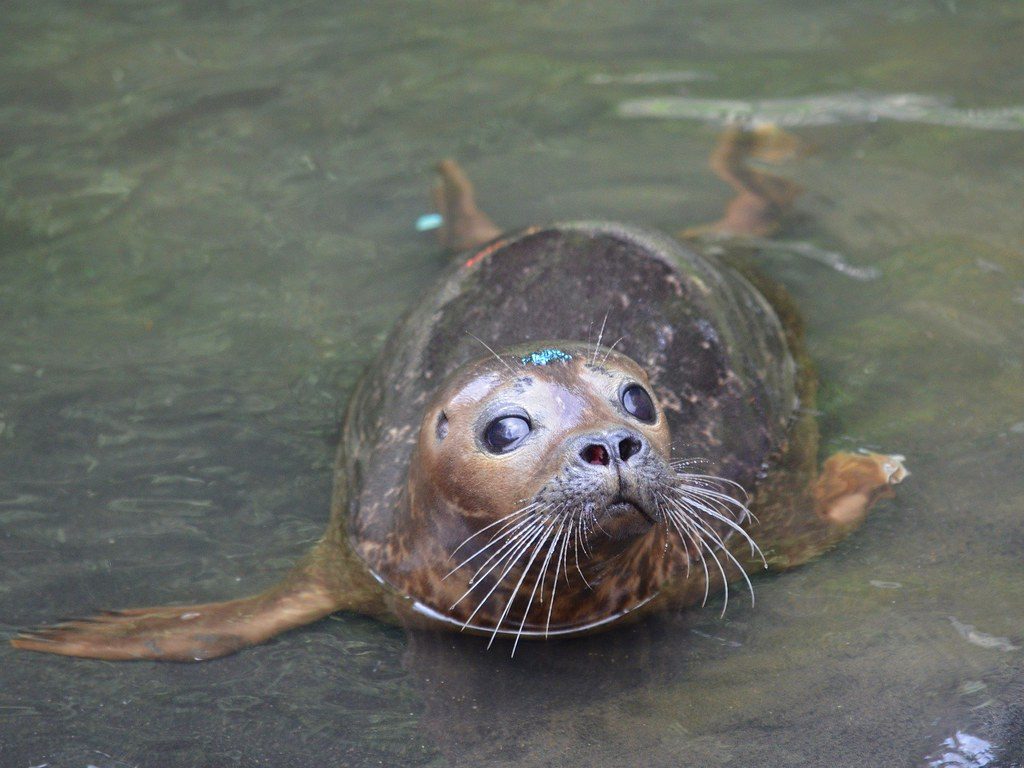
A young seal faced a serious fight for survival after suffering a severe shark bite. The female New Zealand fur seal was discovered in the canals of Newport, Australia, far north of the normal range reported for her species. She had a major wound on the left side of her abdomen and was severely underweight when rescuers found her.
The seal shark bite was serious enough that her early chances of recovery were uncertain. Sea World Foundation brought the animal into care and began treatment. What followed was about 6 weeks of rehabilitation that changed the outcome completely. Instead of remaining weak and injured, the young seal recovered and eventually returned to the ocean.
The young seal was found far from home
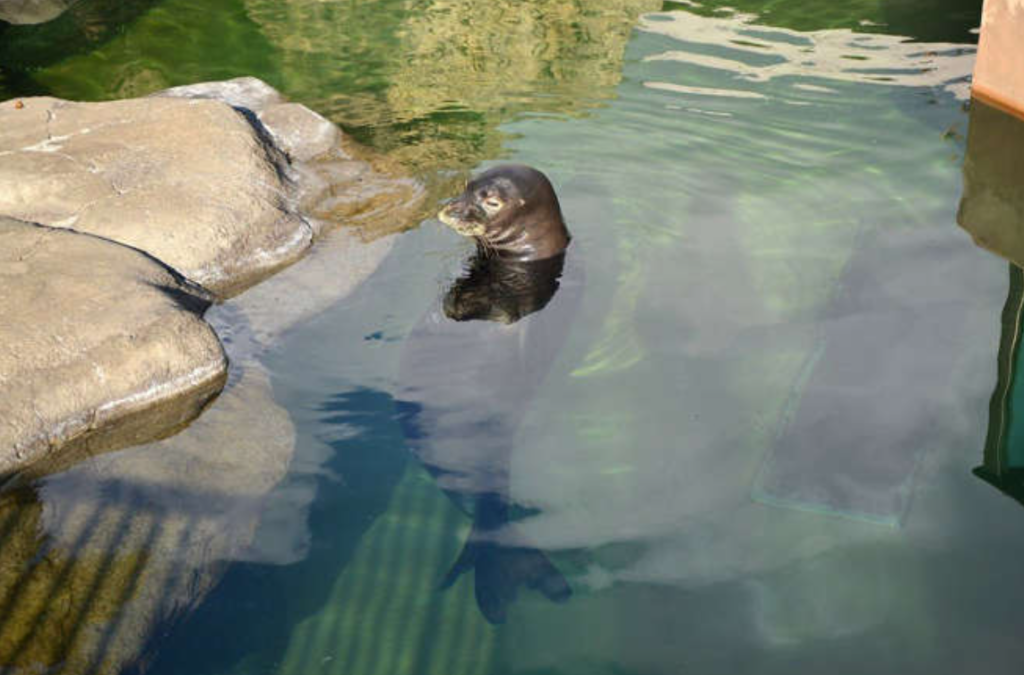
The young New Zealand fur seal was discovered in June 2025 in the canals of Newport, north of Brisbane, Australia. Her location immediately stood out because she was well beyond the normal range reported for her species along the New South Wales coast.
The seal was also in poor physical condition. She was severely underweight and had a significant wound on the left side of her abdomen. Veterinarians determined that the injury had been caused by a shark bite. The combination of the wound, low body weight, and unusual location meant the animal needed professional care.
Her condition was serious when help arrived
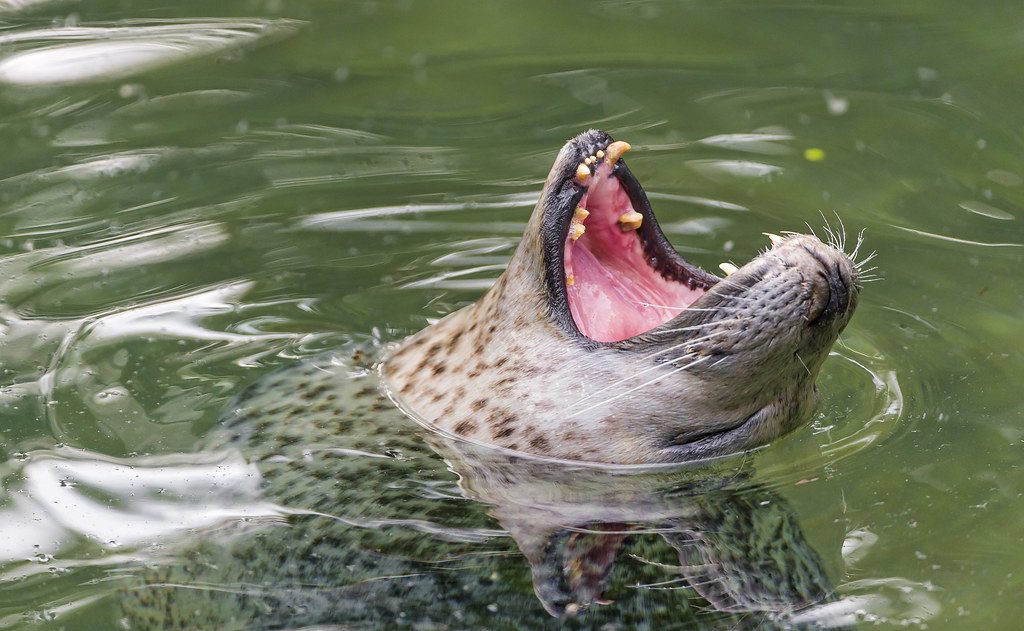
Sea World Foundation took responsibility for the injured seal after she was found. The organization’s veterinary team began treating the wound while also addressing her poor body condition. The case was difficult enough that Sea World head veterinarian Dr. Claire Madden later described the early situation as touch-and-go.
That description provides a factual way to explain the seriousness of the rescue. There is no need to say the seal had emotionally given up or believed that nobody would help her. We cannot know what the animal was thinking.
Shark bites can leave serious injuries
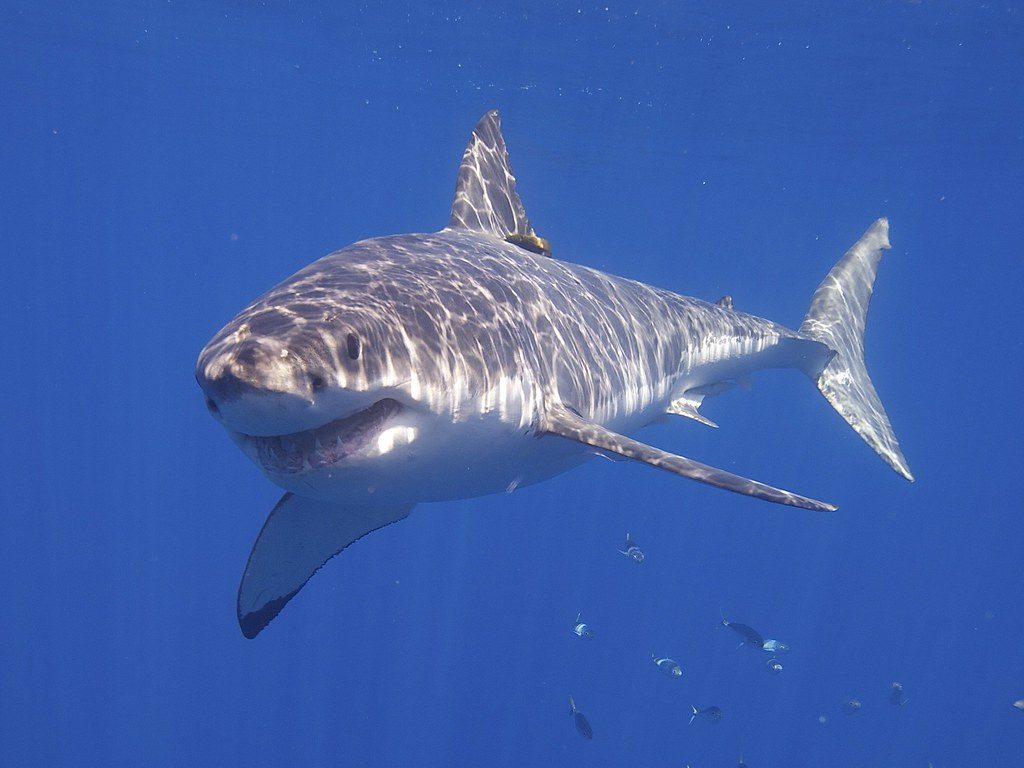
Sharks and seals naturally share marine environments, and predation is part of those ecosystems. NOAA has documented shark predation as an important source of death among young Hawaiian monk seals in some locations. At French Frigate Shoals, NOAA estimates that shark predation can account for up to 30% of pups lost each year.
Not every encounter ends with the seal dying. Marine mammal rescue organizations have treated multiple seals and sea lions that survived shark bites. The injuries can still be severe enough to require weeks of professional care.
Six weeks of rehabilitation changed everything
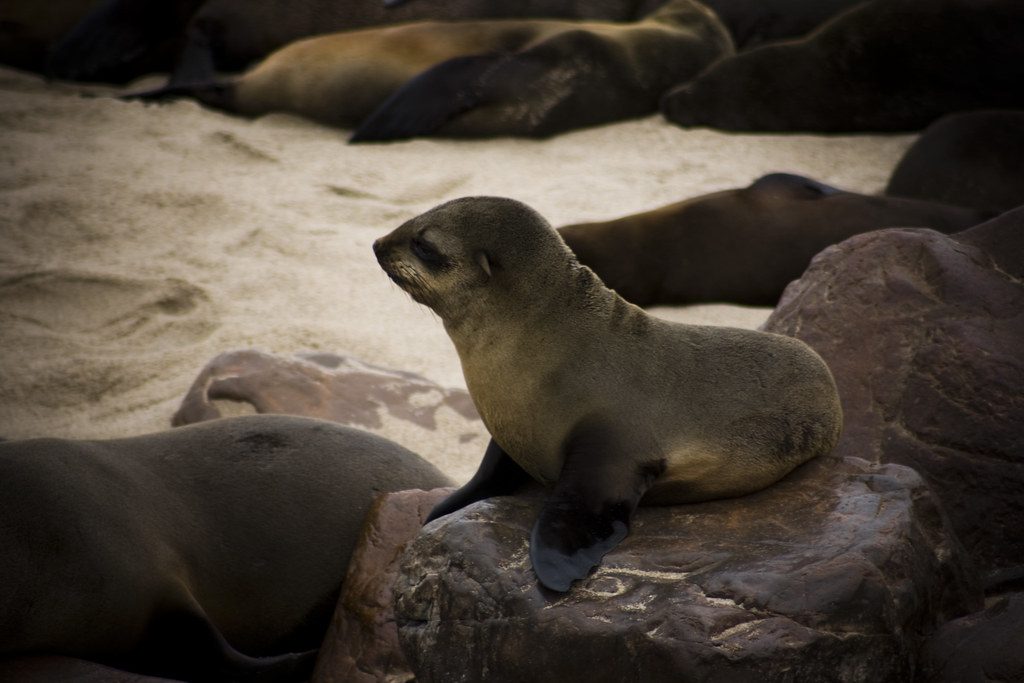
The Newport seal remained in rehabilitation for about 6 weeks. During that period, the Sea World Foundation team worked to help her recover from the shark bite and regain the condition needed to survive independently.
Recovery had to involve more than the appearance of the wound. A wild seal being released needs to be healthy enough to swim, find food, and handle the normal demands of life in the ocean.
The seal was finally ready for the ocean
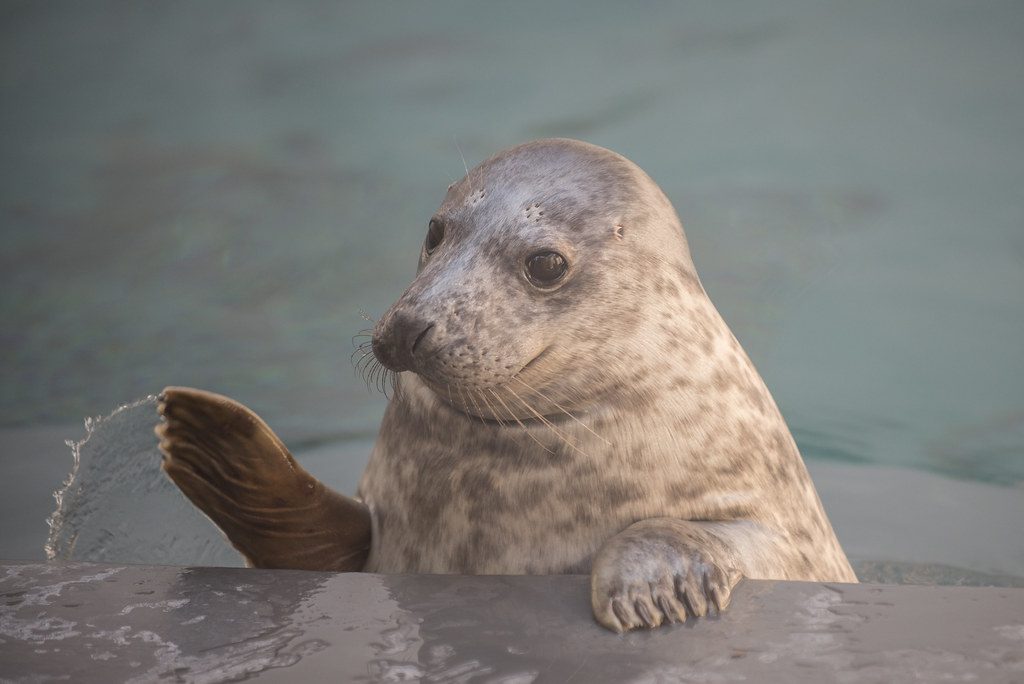
After approximately 6 weeks in care, the young New Zealand fur seal reached the most important point in her recovery. Rescuers determined that she was ready to return to the wild.
Her release changed the meaning of the entire story. The severe shark bite had once left her in a condition serious enough to require rescue, but the injury did not prevent her from eventually returning to the ocean.
Featured Image: “Seal Rescue Ireland” by chripell is licensed under CC BY-SA 2.0
Leave a Reply