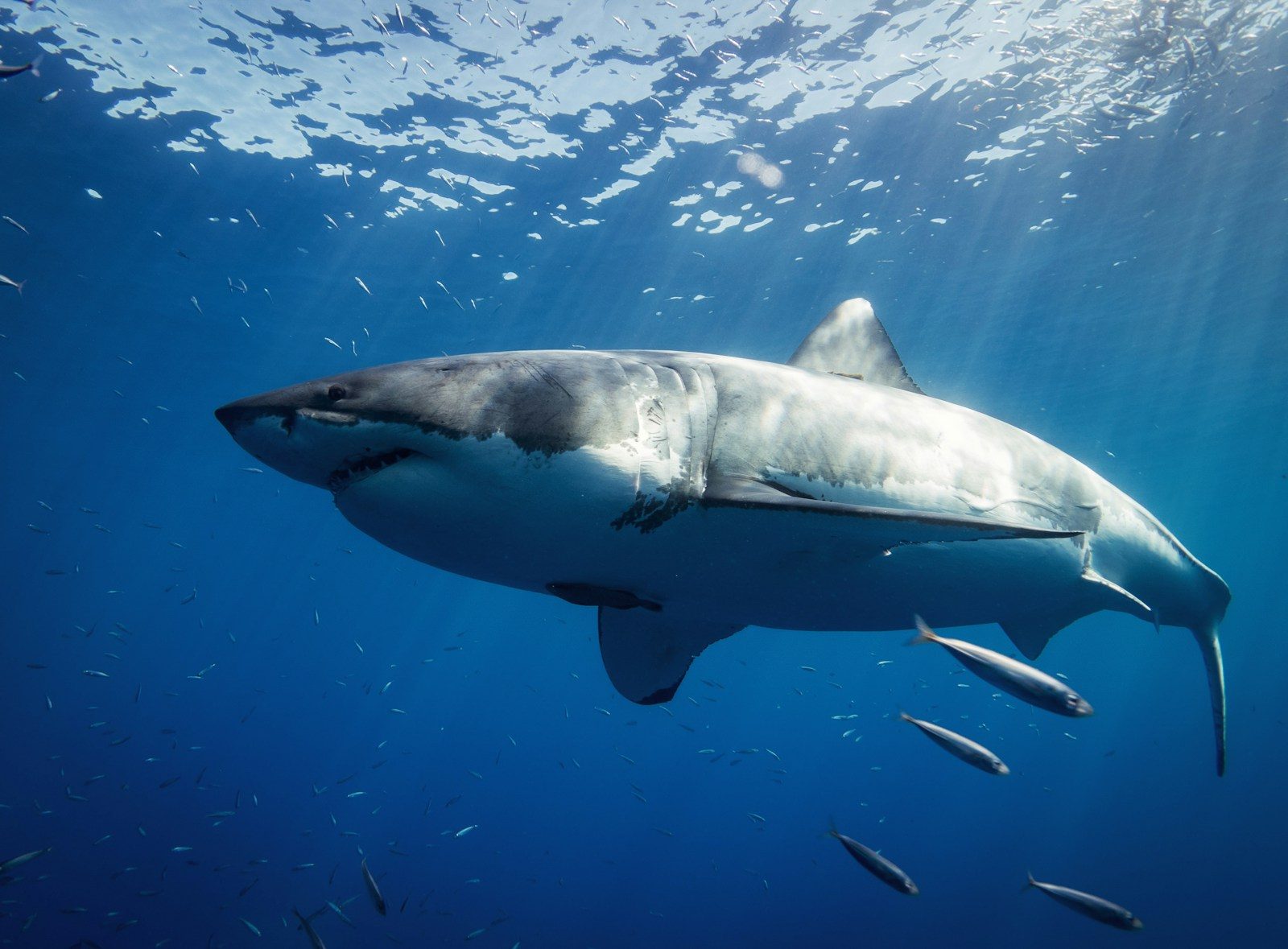
Great white sharks are among the most recognizable predators in the ocean, yet there is one place where you are unlikely to see them: a public aquarium.
While aquariums around the world successfully keep several species of sharks, great whites have proven exceptionally difficult to maintain in captivity. Their biology, behavior and enormous need for open space make life in a tank a serious challenge.
Great Whites Need To Keep Moving
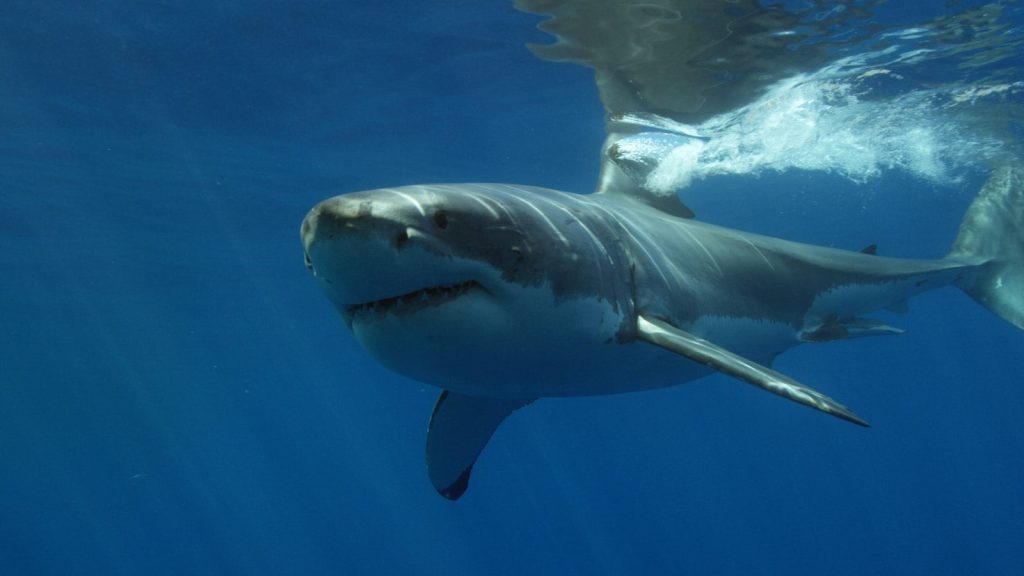
One of the biggest problems is the way great white sharks breathe. They rely heavily on forward movement to push oxygen-rich water across their gills, meaning they cannot simply stop and rest like some other shark species.
An aquarium would have to provide enough space for a great white to swim continuously without repeatedly making tight turns. Even enormous aquarium exhibits cannot replicate the open ocean environment these sharks are adapted to.
Captive Great Whites Often Struggle To Eat
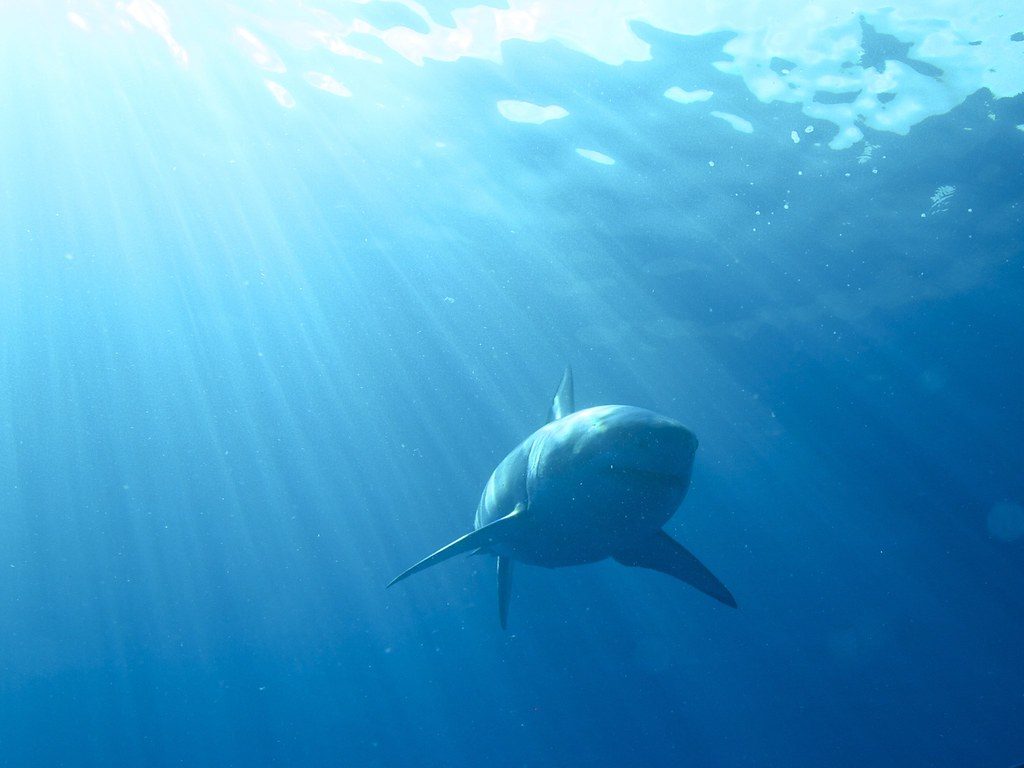
Feeding is another major challenge. Great whites have specialized diets and are active predators that hunt a variety of marine animals.
Some great whites brought into captivity have refused food, making it extremely difficult to keep them healthy. Captive shark care also requires carefully balanced nutrition, including essential vitamins and minerals.
Captivity Can Cause Serious Stress
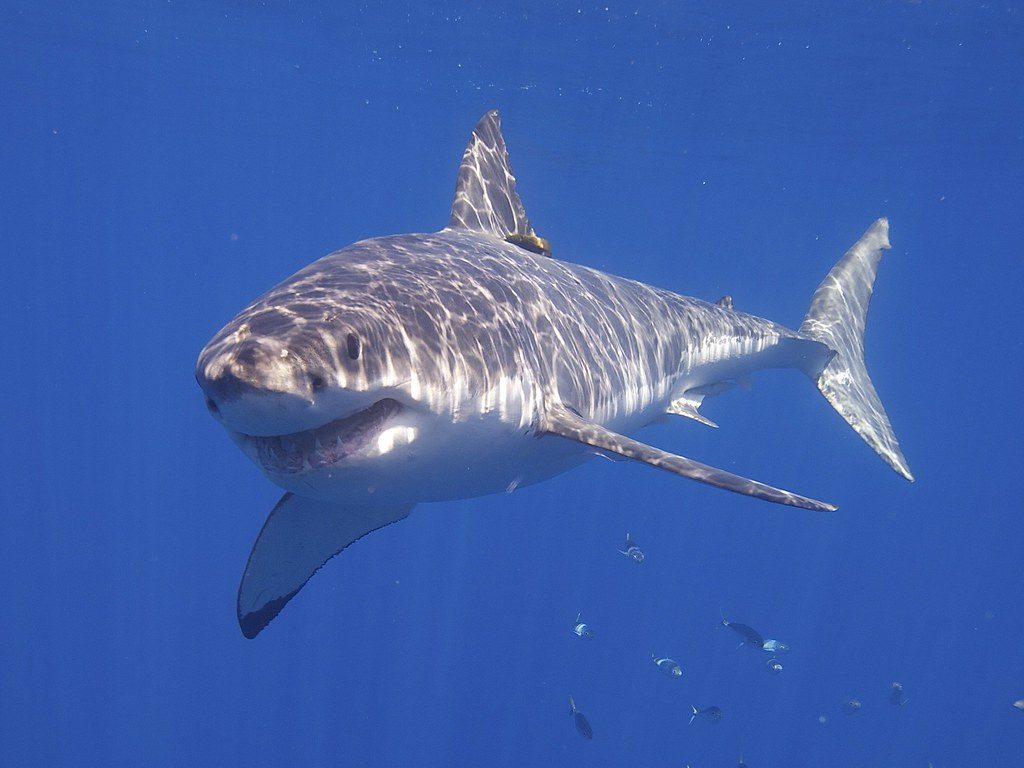
Great whites are highly adapted to life in the open ocean, and an artificial enclosure can create significant physical and behavioral problems.
Captured individuals have sometimes repeatedly collided with aquarium walls or struggled to adjust to their surroundings. Their sensitive sensory systems and constant need for movement make confinement particularly challenging.
Catching And Transporting Them Is Difficult
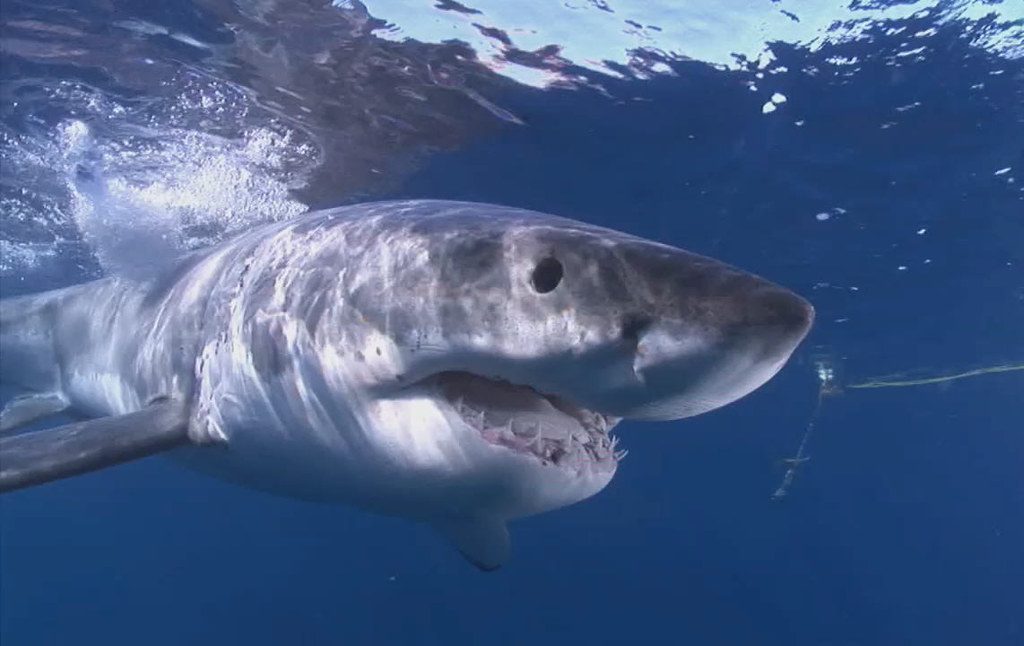
Even getting a great white into an aquarium presents enormous challenges. These large, powerful animals are difficult to capture and transport safely.
Because great whites depend on water moving continuously over their gills, specialized transport systems are required to maintain water flow during relocation. Their skin can also be vulnerable to abrasions, which may lead to infections.
Other Sharks Adapt Better To Aquarium Life
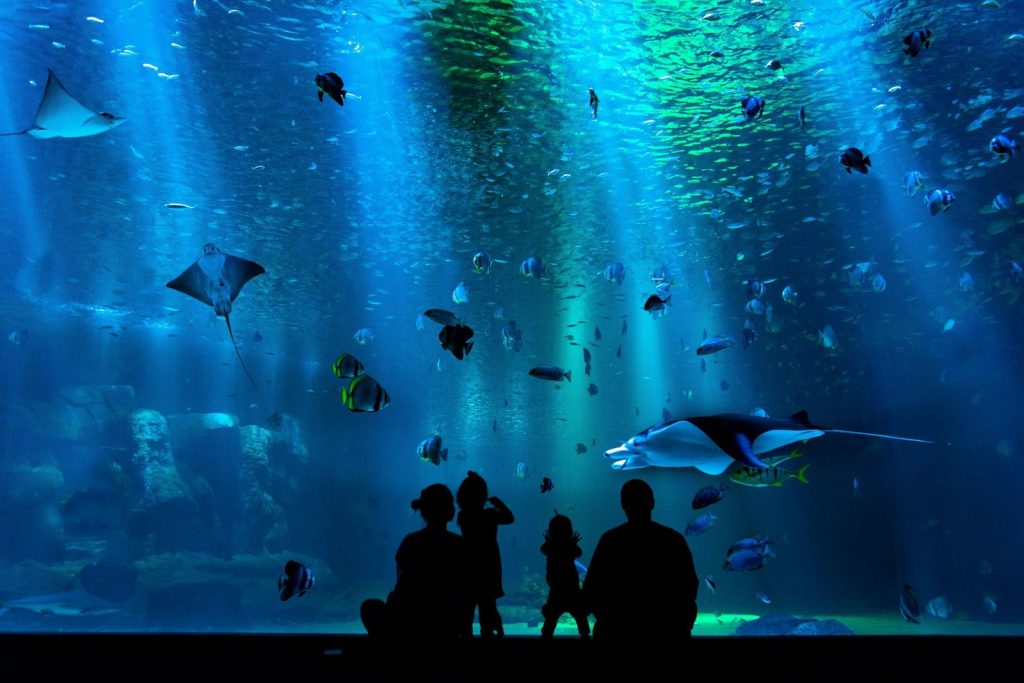
The absence of great whites does not mean aquariums cannot keep sharks. Many facilities successfully house species that are better suited to controlled environments.
Aquariums generally favor sharks that can tolerate captivity, adapt to available space and accept food provided by caretakers. Species such as sand tiger, blacktip and lemon sharks can therefore be much more practical choices for public exhibits.
Featured Image: Photo by Gerald Schömbs on Unsplash
Leave a Reply