Finding wildlife on your property can be surprising. Some people may want to move an animal right away, especially if it settles near a home, garden, or outdoor structure. However, many wild animals in the United States are protected by federal and state laws that limit what property owners can do.
These protections help preserve wildlife populations and maintain healthy ecosystems. Understanding these rules is important because disturbing certain animals, their nests, or their habitats can lead to legal penalties. Here are six protected animals that may appear on private property, along with the reasons they are given special protection.
Barn owls help control rodent populations
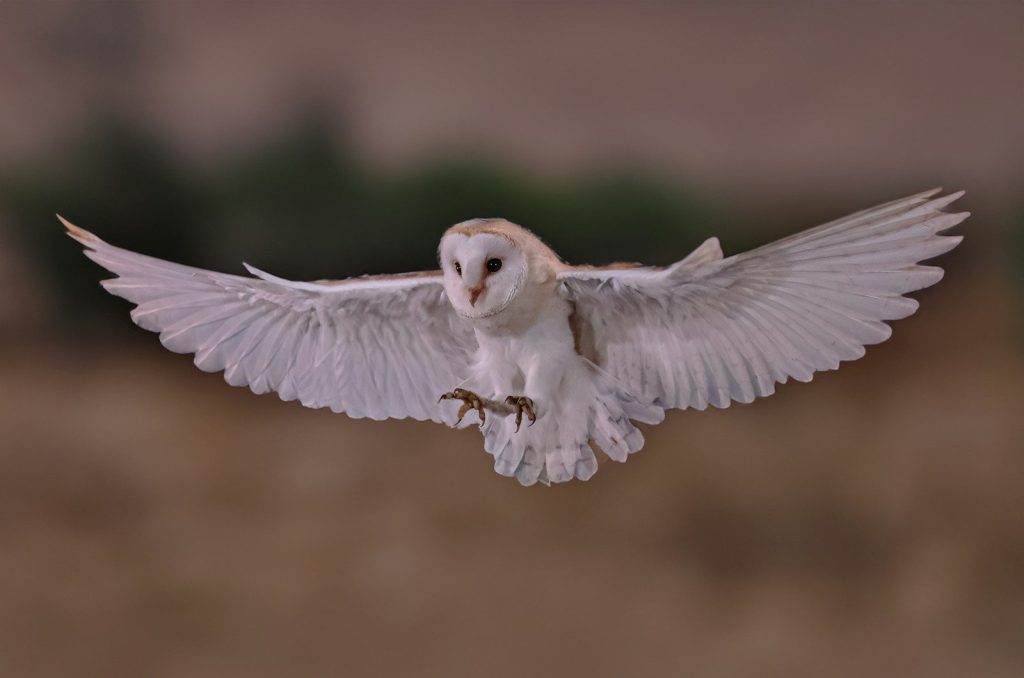
Barn owls are highly valued for their ability to hunt mice and rats around homes, farms, and open land. Their populations have faced challenges due to habitat loss and pesticide use, prompting strong legal protections in many areas.
Property owners cannot remove barn owls or disturb their nesting sites without proper authorization. Having barn owls nearby can be beneficial, as a single family can consume thousands of rodents during a breeding season, providing natural pest control.
Great horned owls receive federal protection
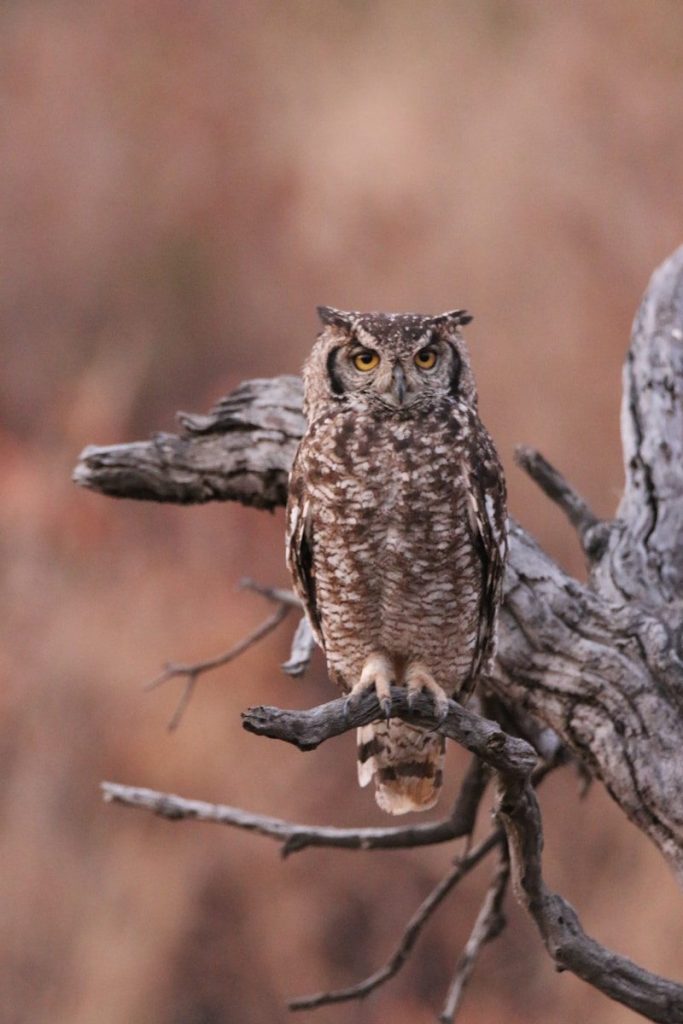
Great horned owls are protected under federal migratory bird laws. These powerful birds often live in suburban and rural areas and commonly use abandoned nests originally built by hawks or crows.
Because they are important predators, disturbing their nests or breeding activities can result in serious legal consequences. If a great horned owl nests on a property, homeowners must allow the birds to complete their nesting cycle before the area can be disturbed.
Monarch butterflies need safe breeding habitats
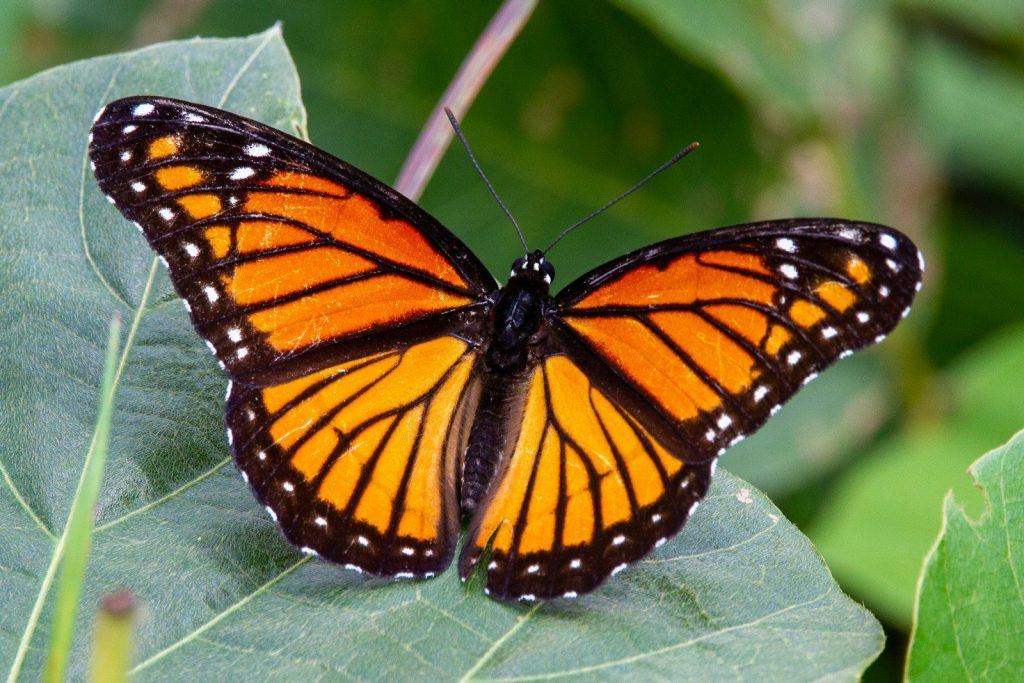
Monarch butterflies have experienced significant population declines over the past few decades. As a result, several regions provide special protections for these well-known pollinators and their breeding habitats.
These butterflies depend on milkweed plants to reproduce successfully. Destroying caterpillars or using pesticides near active breeding areas can threaten local populations. Allowing milkweed and other native plants to remain undisturbed helps support monarch survival and migration.
Desert tortoises are a protected threatened species
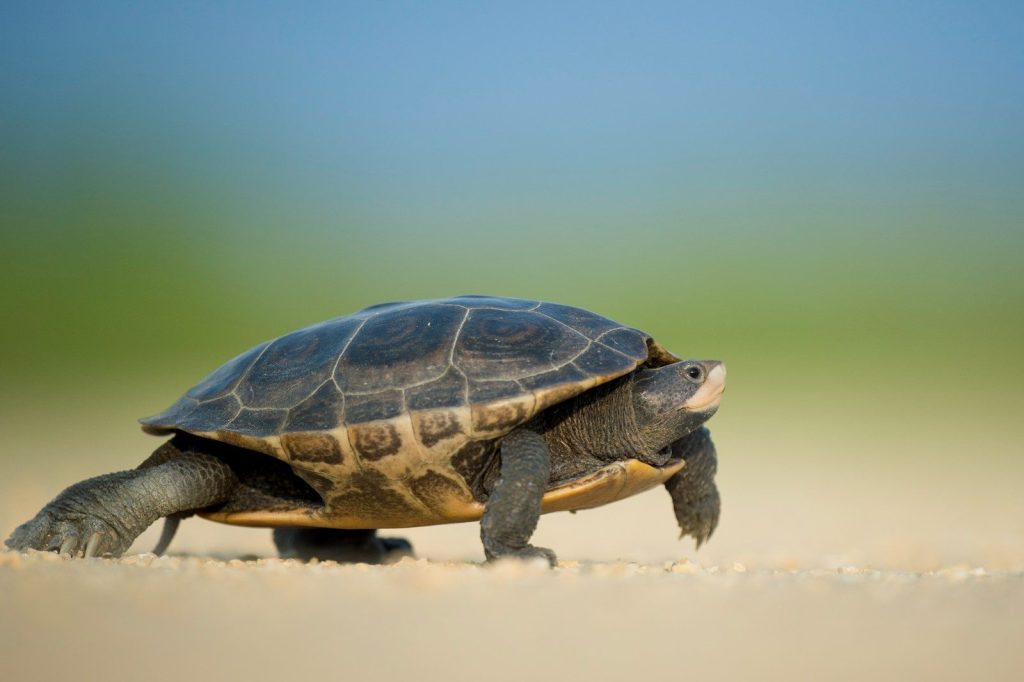
Desert tortoises are listed as a threatened species under the Endangered Species Act. These reptiles face many environmental pressures, making legal protection necessary for their survival.
Property owners are not allowed to touch, move, or harass wild desert tortoises. If one enters a residential area, construction or landscaping activities nearby may need to be paused until the tortoise naturally leaves. Officials closely monitor violations involving this protected species.
Bobcats are regulated by wildlife laws
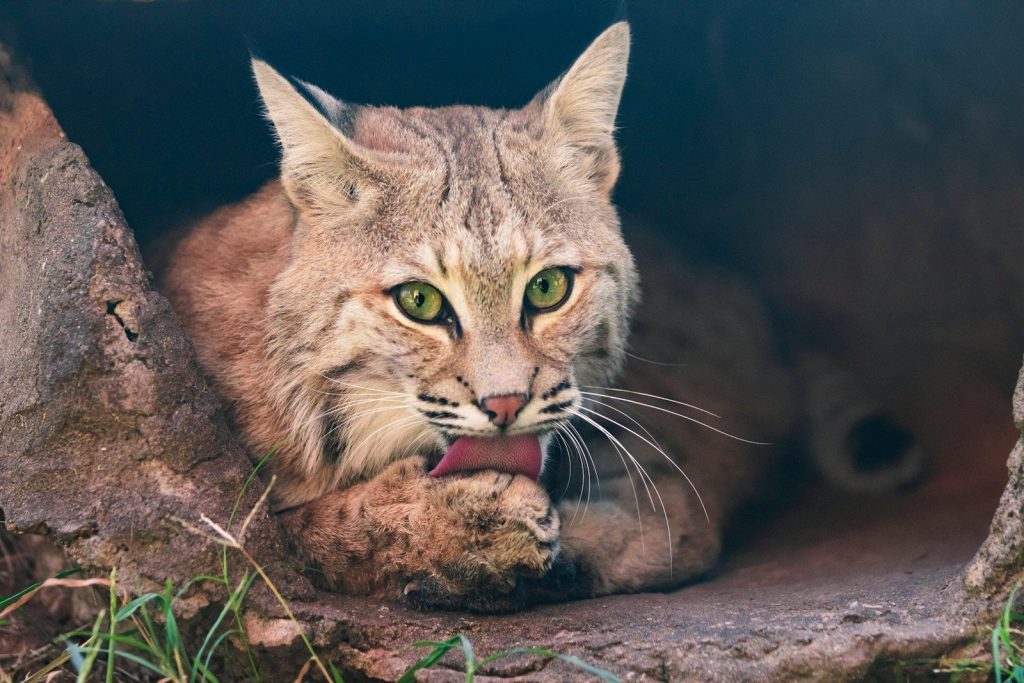
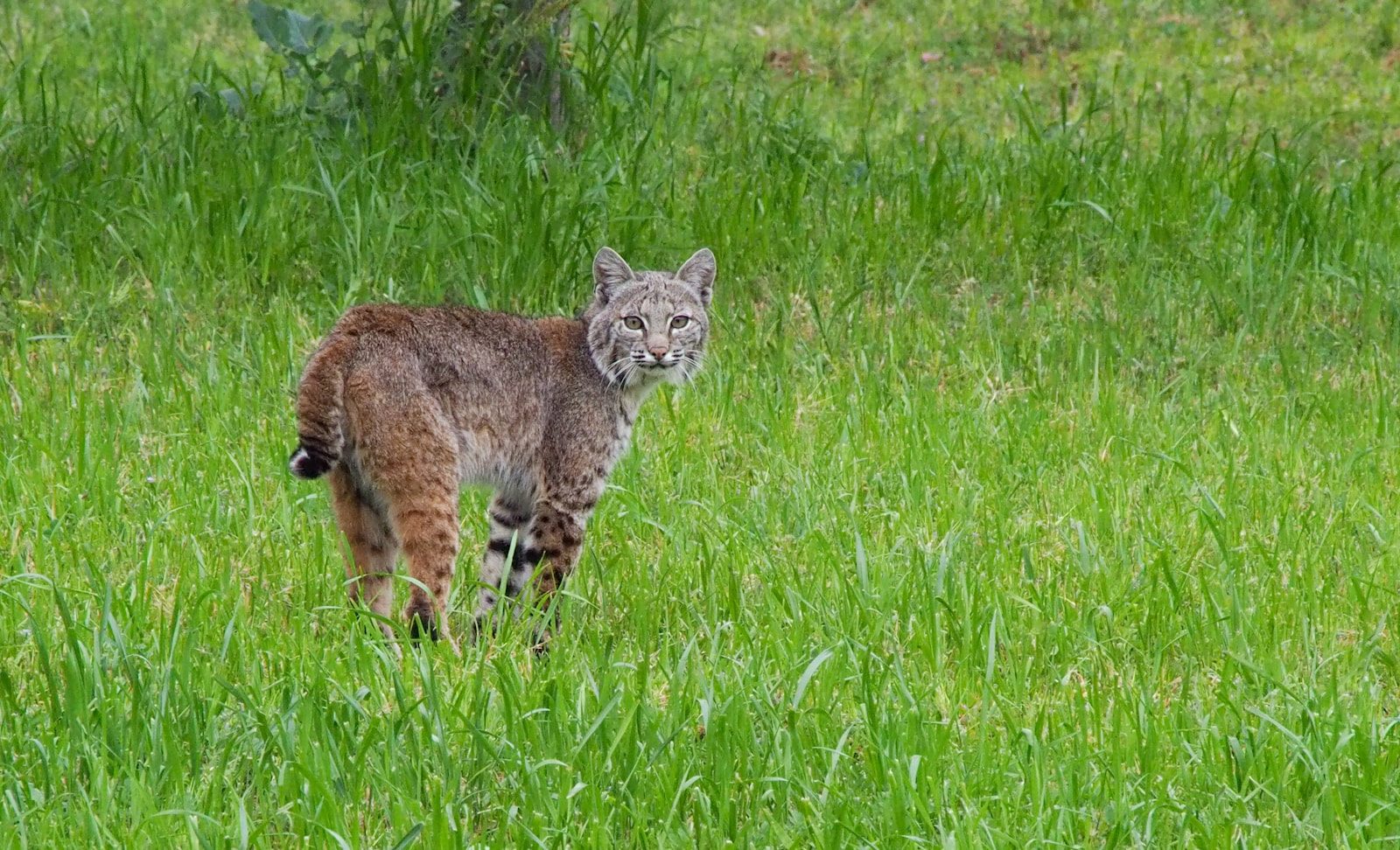
Bobcats are skilled predators that help control populations of rabbits, rodents, and other small animals. Although they occasionally pass through residential areas, they generally avoid direct contact with people.
Many states strictly regulate the trapping, relocation, and handling of bobcats. Property owners who encounter one should keep pets indoors and allow the animal to move through the area naturally. In most cases, bobcats leave on their own without causing problems.
Hummingbird nests cannot be disturbed
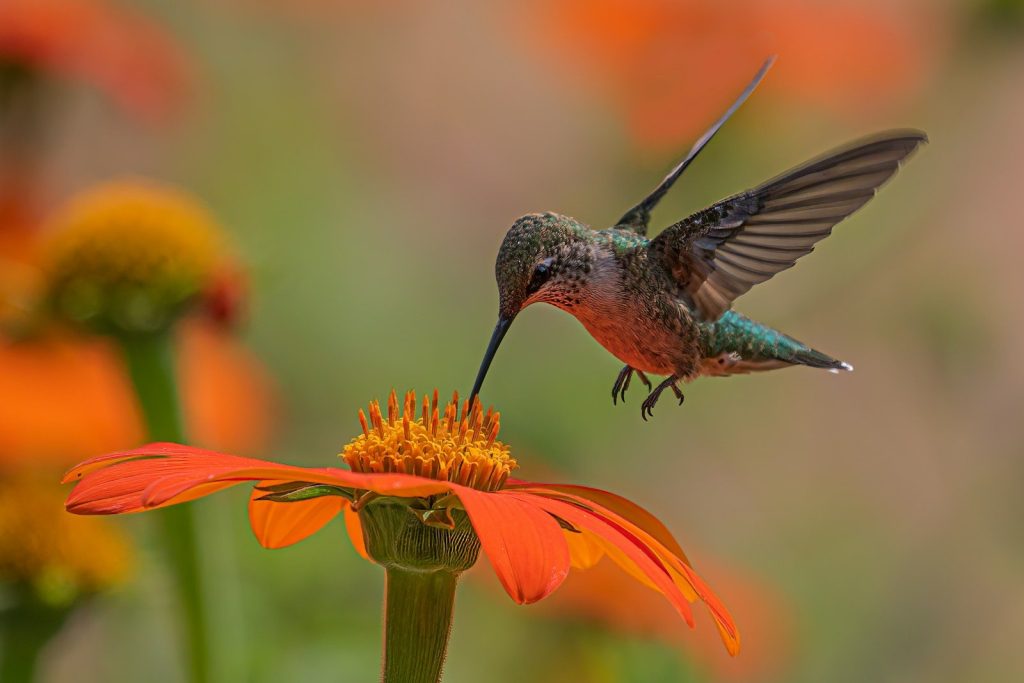
Hummingbirds are fully protected under federal migratory bird laws. Once a female hummingbird begins building a nest, the structure and its contents are protected from disturbance.
Even when nests are built in inconvenient locations, such as hanging plants or porch fixtures, they must remain untouched. Moving a nest often causes the mother bird to abandon her eggs or young. Homeowners must wait until the chicks have left before removing any remaining nesting materials.
Leave a Reply