
Have you ever wondered which dog breeds are the smartest? Many people think intelligence in dogs is only about learning tricks, but it is much more than that. Some dogs learn commands very quickly, while others are great problem-solvers or have strong natural skills for herding, guarding, or tracking.
When discussing dog breeds ranked by intelligence, experts often look at trainability, obedience, problem-solving ability, and how well dogs work with people. This article explores how canine intelligence is measured and highlights some of the smartest dog breeds in the world. By the end, you will understand why certain breeds consistently top intelligence rankings and why every dog can be smart in its own way.
How dog intelligence is measured
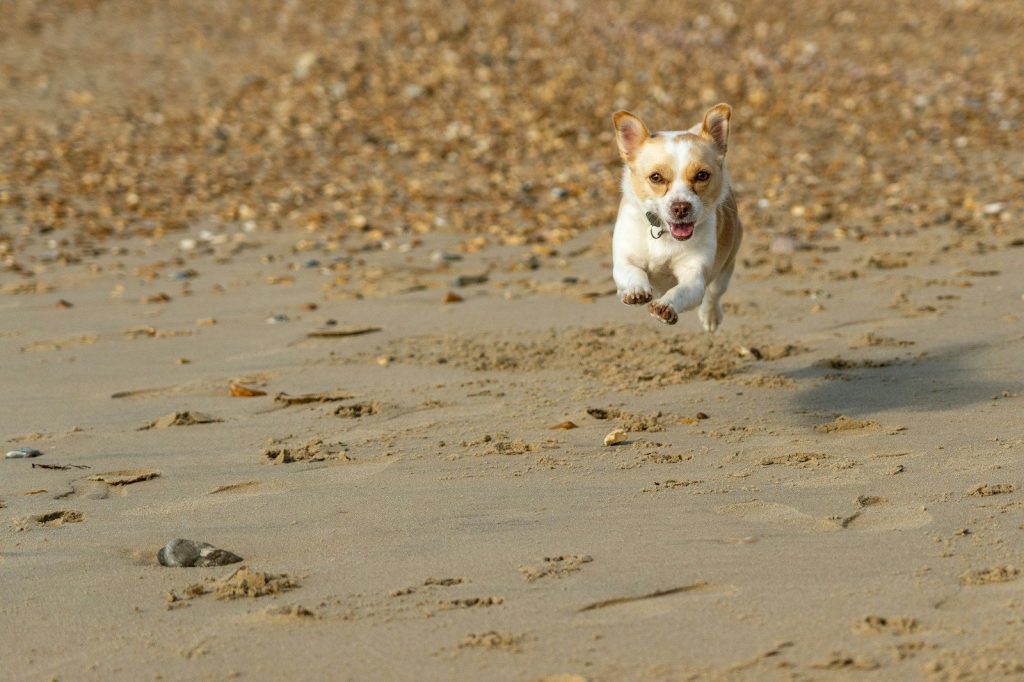
Dog intelligence is not measured the same way human intelligence is measured. Researchers and canine experts generally look at several different types of intelligence. These include instinctive intelligence, adaptive intelligence, and working or obedience intelligence. Instinctive intelligence refers to the tasks a breed was developed to perform, such as herding sheep or retrieving game. Adaptive intelligence measures a dog’s ability to solve problems on its own.
Working and obedience intelligence is the type most often used in breed rankings. It focuses on how quickly a dog learns new commands and how reliably it follows them. Much of the widely known ranking system comes from research by psychologist Stanley Coren, who gathered information from hundreds of professional dog obedience judges. His work showed clear differences in how quickly various breeds learned and responded to commands.
Border Collie leads the rankings
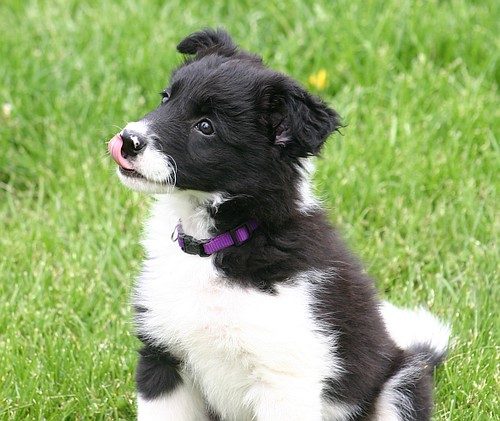
The Border Collie is widely considered the most intelligent dog breed in the world. These dogs were developed to herd sheep and other livestock, and they are known for their incredible focus, energy, and ability to learn. Border Collies can often understand new commands after only a few repetitions and perform them with remarkable accuracy.
Their intelligence goes beyond obedience. Border Collies are excellent problem-solvers and can make decisions independently while working. Many owners describe them as dogs that seem to think several steps ahead. Because of their intelligence and energy, they need plenty of mental stimulation and exercise. Without enough activity, they can become bored and develop unwanted behaviors.
Poodle and German Shepherd follow closely
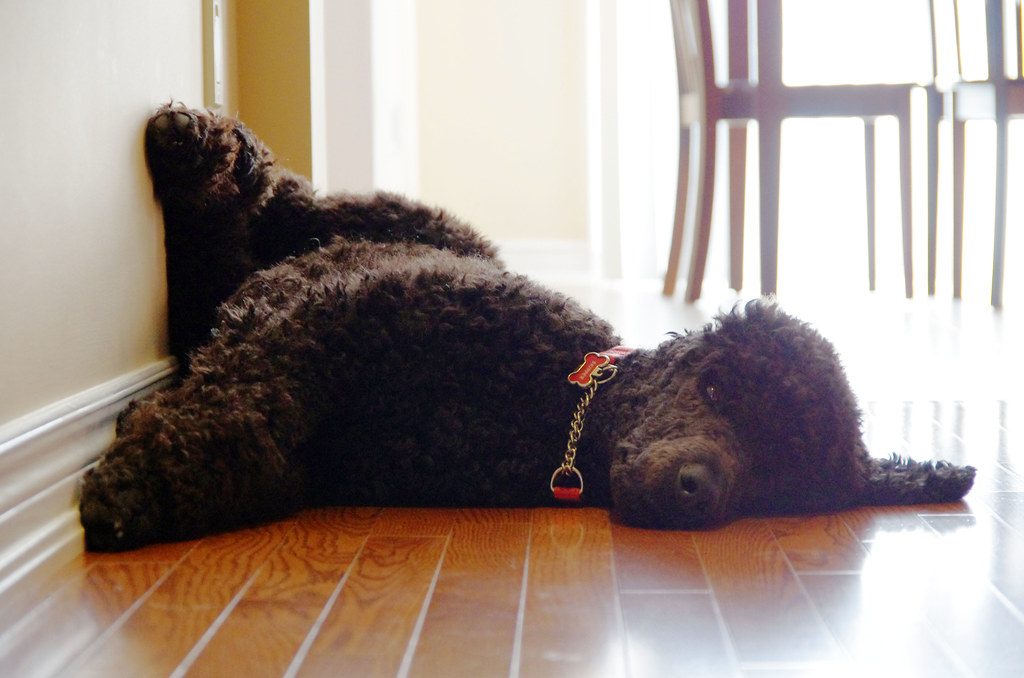
The Poodle often surprises people by ranking near the very top of intelligence lists. While many people know Poodles for their stylish appearance, they are actually highly intelligent working dogs. They learn commands quickly, excel in obedience training, and perform well in activities such as agility, tracking, and service work.
The German Shepherd is another breed known for exceptional intelligence. These dogs are commonly used in police work, military operations, search-and-rescue missions, and service roles. Their ability to learn complex tasks, remember commands, and work closely with people makes them one of the most versatile breeds. German Shepherds combine intelligence with loyalty and courage, which is why they remain popular worldwide.
Golden Retrievers and Dobermans shine
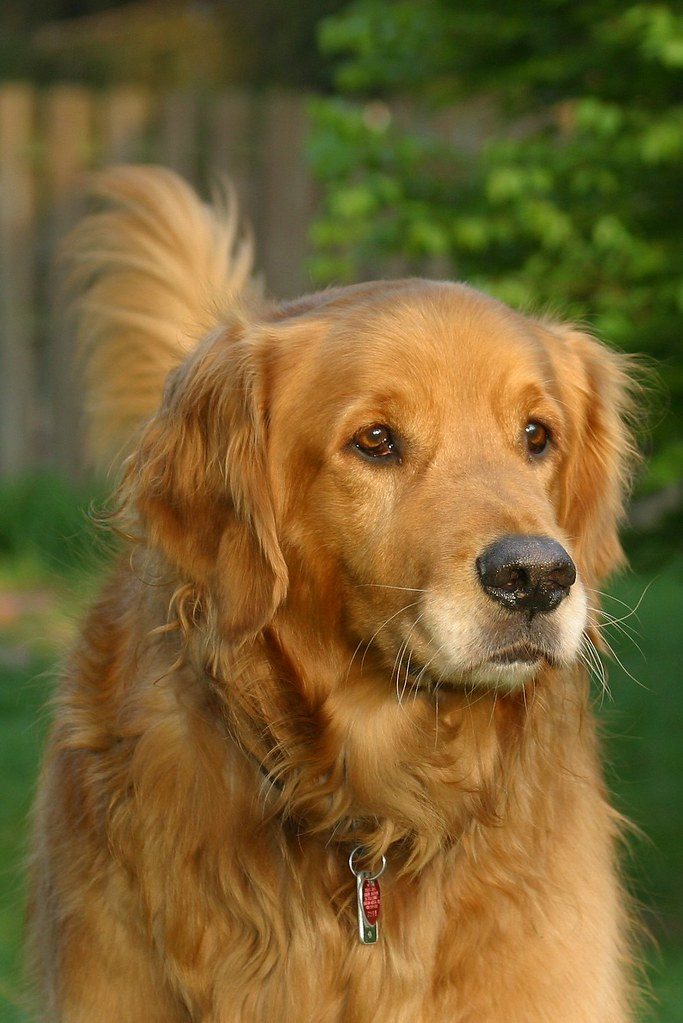
Golden Retrievers are famous for their friendly personalities, but they are also among the smartest dog breeds. They learn quickly and are eager to please, which makes training easier for many owners. Their intelligence and gentle nature make them excellent service dogs, therapy dogs, and family pets.
Doberman Pinschers are equally impressive when it comes to intelligence. They are known for their alertness, confidence, and ability to learn complex commands. Dobermans were originally developed for protection work, and their intelligence helps them assess situations quickly. With proper training and socialization, they become reliable companions who can excel in many different activities.
Other highly intelligent breeds
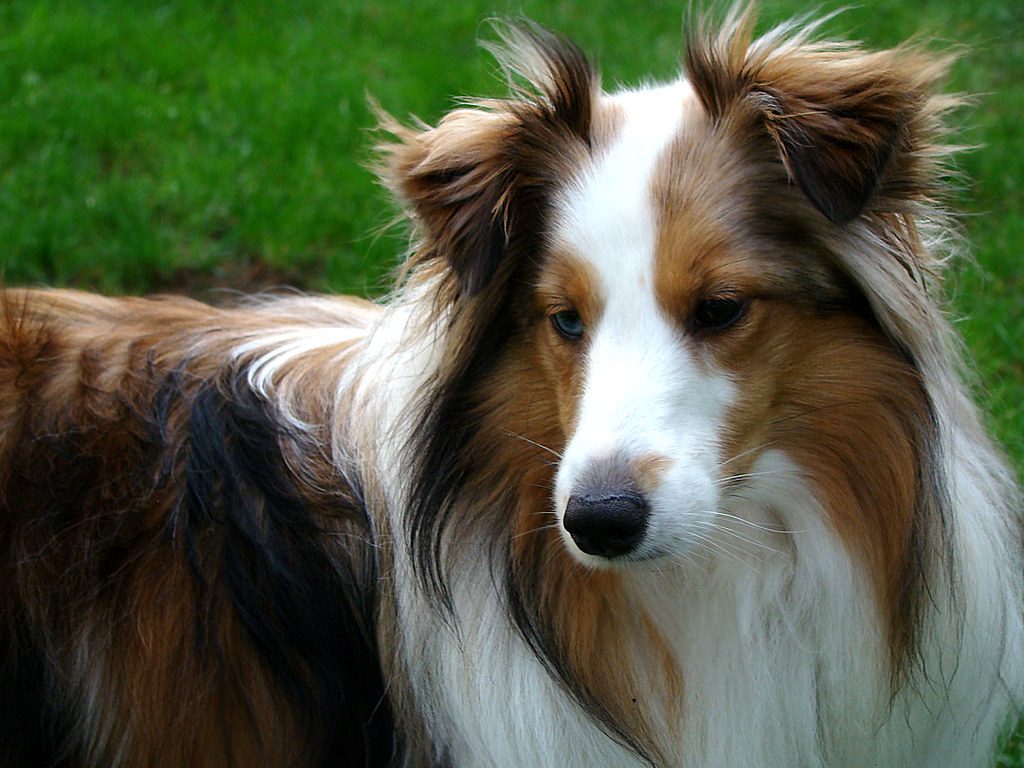
Several other breeds consistently appear near the top of intelligence rankings. The Shetland Sheepdog is often praised for its ability to learn commands rapidly and perform well in obedience competitions. Despite its smaller size, it possesses remarkable intelligence and a strong desire to work with people.
Labrador Retrievers, Papillons, Rottweilers, and Australian Cattle Dogs are also highly regarded for their intelligence. Labrador Retrievers are among the most popular service and assistance dogs because they are trainable and eager to work. Papillons demonstrate that small dogs can be extremely intelligent, while Rottweilers combine intelligence with strength and confidence. Australian Cattle Dogs are known for their problem-solving skills and strong work ethic developed through generations of herding livestock.
Why rankings do not tell the whole story

Although intelligence rankings are useful, they do not tell the entire story. Most rankings focus heavily on obedience and trainability. Some breeds may rank lower simply because they were bred to work independently rather than follow human commands immediately. This does not mean they are less intelligent.
For example, scent hounds can follow complex trails for miles using their powerful sense of smell. Terriers often show excellent problem-solving abilities when hunting small animals. Many dog experts point out that intelligence comes in different forms. A dog that seems stubborn during training may actually be making independent decisions based on its instincts and breeding history. Different breeds excel at different tasks, making intelligence much more complex than a simple list can show.
Every dog has unique strengths
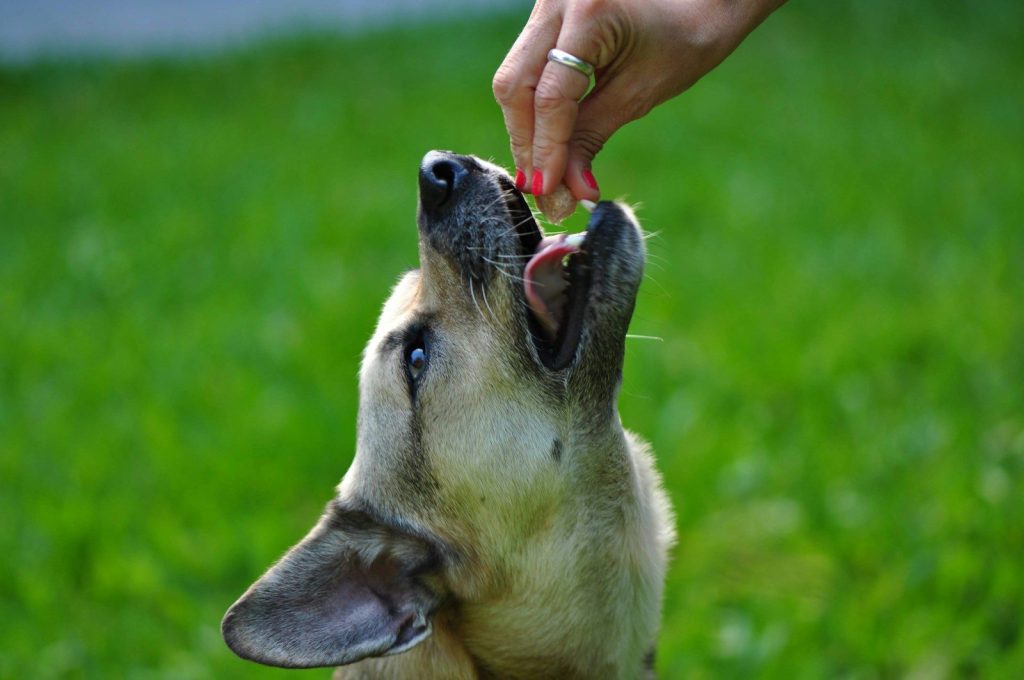
One important lesson from canine intelligence research is that every dog has strengths. Some dogs are exceptional at learning commands, while others are skilled at reading human emotions, solving problems, or performing specialized tasks. Researchers have even found that many dogs can understand a large number of words and human cues, showing just how closely they connect with people.
A breed’s ranking should never be the only factor when choosing a dog. Energy level, temperament, size, grooming needs, and compatibility with your lifestyle are just as important. A highly intelligent dog may require more mental stimulation and training than some owners can provide. In many cases, the best dog is not necessarily the smartest one but the one whose personality and needs match your home and family.
Leave a Reply