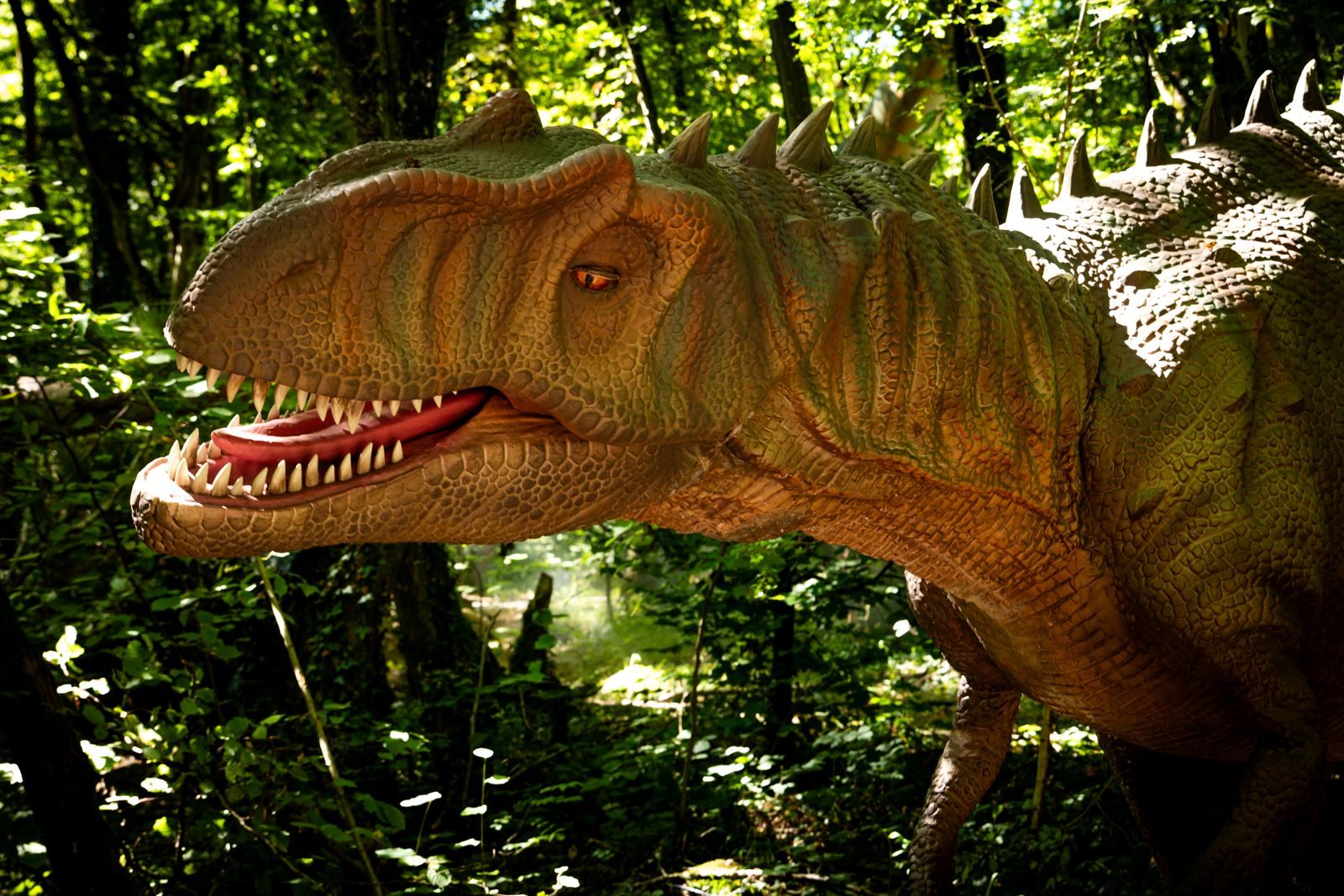
The idea of a giant octopus-like predator attacking dinosaurs sounds like something from a movie. But recent fossil discoveries have made scientists rethink what ruled the oceans during the age of dinosaurs. The question “Did giant octopus-like predators feast on dinosaurs?” has become one of the most exciting topics in paleontology.
New evidence suggests that enormous octopus relatives lived in ancient seas and may have been among the top hunters of their time. While there is no proof that they hunted land dinosaurs, researchers believe these giant creatures could have preyed on large marine animals. In this article, you will learn what these animals were, how big they became, what they ate, and why scientists are so excited about this surprising discovery.
The giant predators hiding in ancient oceans
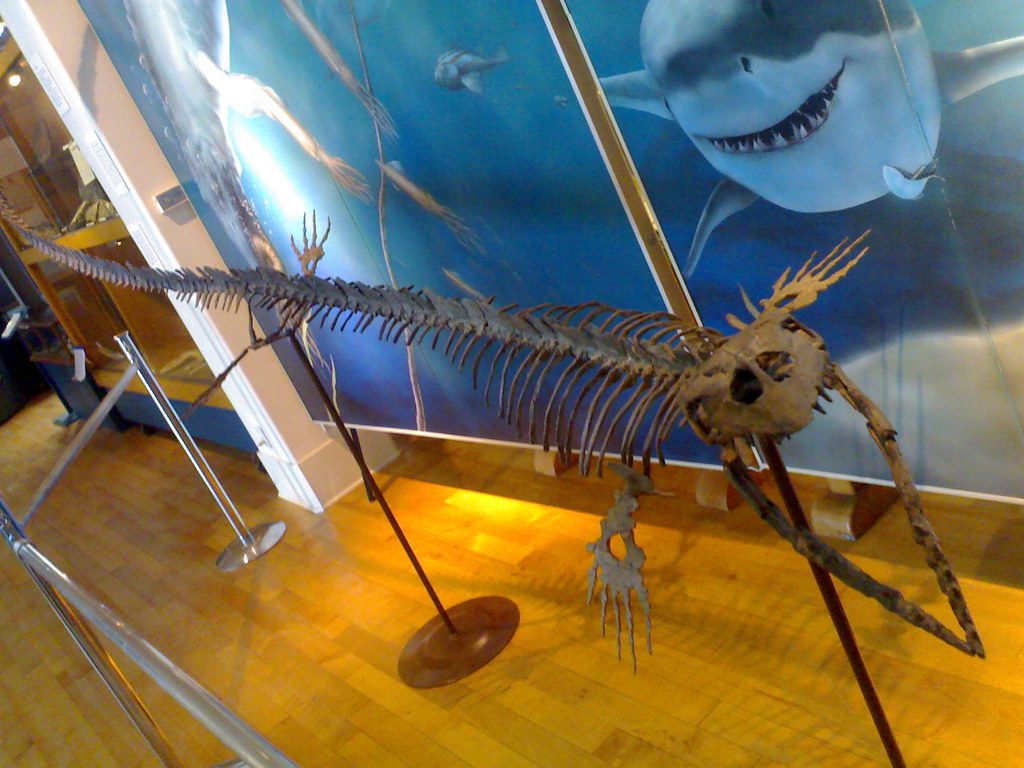
For many years, scientists believed that giant marine reptiles such as mosasaurs and plesiosaurs ruled the seas during the Late Cretaceous Period. That period lasted from about 100 million to 66 million years ago and overlapped with the final chapter of dinosaur history. The biggest hunters were thought to be sharks and reptiles with powerful jaws. Soft-bodied animals like octopuses were not seen as major predators because their bodies rarely fossilize. Most of what scientists knew about ancient octopuses came from tiny remains, making it difficult to understand their true size or lifestyle.
That changed when researchers studied fossil jaws found in Japan and western Canada. The fossils belonged to an extinct group of octopus relatives called Nanaimoteuthis. Scientists estimated that one species, Nanaimoteuthis haggarti, may have reached lengths of around 19 meters, or about 62 feet. That is longer than a school bus and larger than today’s giant squid. The fossils showed heavy wear and damage, suggesting these animals crushed hard prey with strong beaks and occupied the top of the marine food chain.
Were they really octopuses
These giant creatures were not exactly the same as modern octopuses swimming in today’s oceans. They belonged to a group of cephalopods called cirrates, also known as finned octopuses. Modern finned octopuses are small, deep-sea animals with soft bodies and webbed arms. Their ancient relatives shared some features with them, but were far larger and probably lived very different lives. Scientists use the term “octopus-like” because these animals are closely related to octopuses, even though they looked somewhat different.
The challenge with studying ancient cephalopods is that soft tissue almost never fossilizes. Bones preserve well, but octopuses do not have bones. Their beaks, however, are made from a hard material called chitin, which can survive for millions of years under the right conditions. By studying the shape and size of these fossil beaks, researchers can estimate body size and feeding behavior. This method helped reveal that giant octopus-like predators existed and that they were much larger than scientists once imagined.
Did they eat dinosaurs?
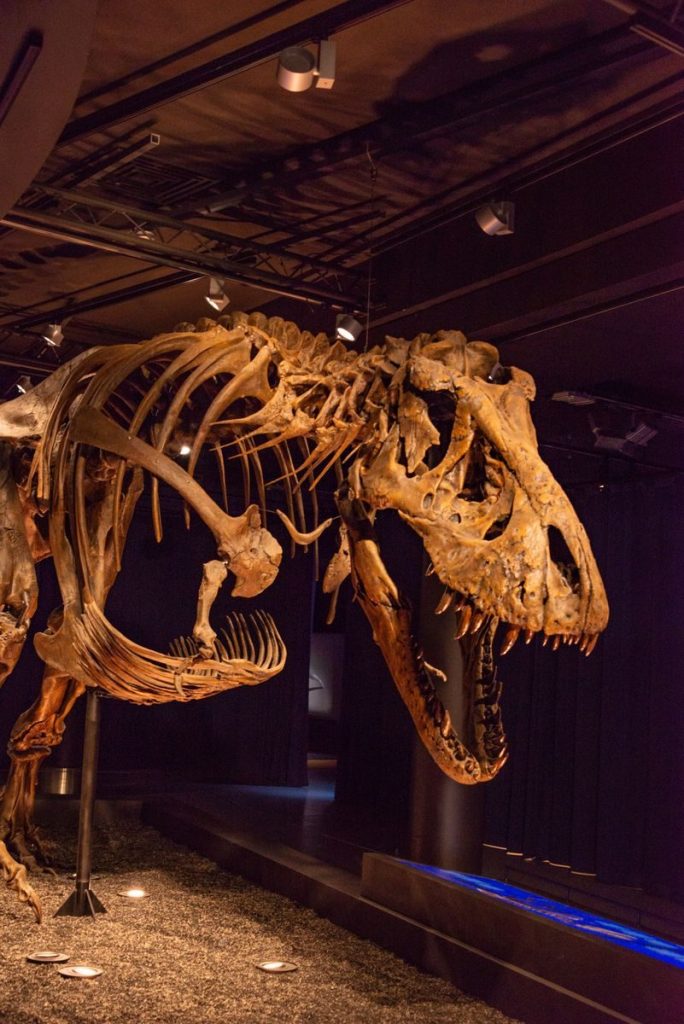
The short answer is probably not if we are talking about dinosaurs that lived on land. Creatures such as Tyrannosaurus rex, Triceratops, and Velociraptor lived on continents and did not swim in the oceans where these giant octopus relatives hunted. There is no fossil evidence showing that giant cephalopods attacked or ate land dinosaurs. In fact, scientists have never found dinosaur bones with marks that clearly point to an octopus-like predator. So the dramatic image of a giant octopus dragging a T. rex underwater is not supported by science.
However, these predators did live during the age of dinosaurs, and they may have eaten marine reptiles that shared their environment. Researchers believe they preyed on animals with hard shells or bones because their fossil beaks show cracks, chips, and heavy wear from crushing tough material. Some scientists think they may have attacked young or smaller marine reptiles, including mosasaurs and plesiosaurs. These reptiles are often called marine dinosaurs by the public, but they were actually separate groups of reptiles that evolved to live in the sea. The idea that giant octopus-like predators fed on these marine animals is exciting, but researchers are still gathering evidence to confirm exactly how they hunted.
Evidence hidden inside fossil jaws

The strongest evidence comes from the fossilized lower jaws of these animals. Scientists examined dozens of specimens and noticed unusual damage patterns. The jaws showed scratches, worn edges, and even broken sections. These signs are similar to the damage seen in modern animals that crush shells or bones. Researchers concluded that these giant predators regularly fed on prey that was difficult to break apart.
Scientists also ruled out other explanations for the damage. The fossils came from deep-water sediments where waves and rocks could not easily grind or scratch the jaws after death. This means the wear probably happened while the animals were alive and feeding. Researchers compared the fossils with modern cephalopods and found another surprising detail. The jaws showed uneven wear, suggesting that the animals preferred one side of their mouth over the other. This behavior is similar to handedness in humans and hints that these predators may have been intelligent hunters that used complex feeding techniques.
Life in the oceans during the dinosaur age
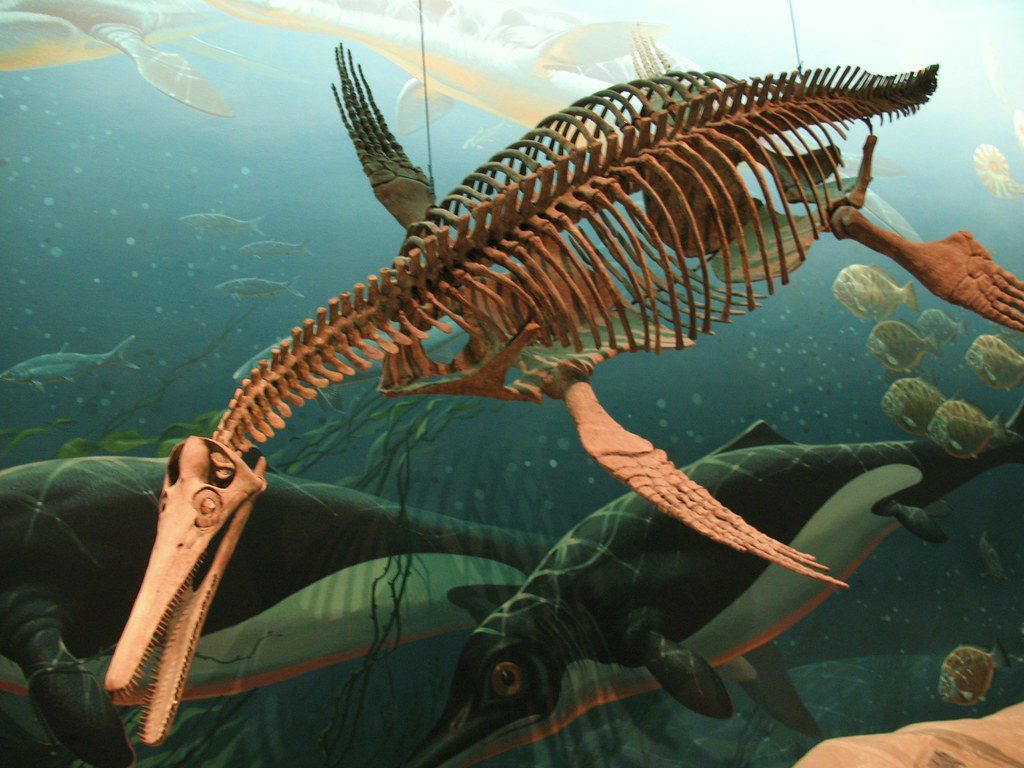
The oceans of the Late Cretaceous were crowded with giant animals. Huge mosasaurs patrolled the waters, while long-necked plesiosaurs chased fish and squid. Sharks the size of cars hunted smaller prey, and countless species of fish filled the seas. Ammonites, shell-covered relatives of modern squid, drifted through the water in enormous numbers. This rich ecosystem created fierce competition among predators.
Scientists now believe giant octopus-like animals were part of this crowded world and may have competed directly with marine reptiles and sharks. Their flexible arms would have helped them grab prey, while their strong beaks crushed shells and bones. Modern octopuses are famous for solving problems and using clever hunting methods. If their giant ancestors shared even some of that intelligence, they may have been among the most adaptable hunters in ancient oceans. Instead of seeing the seas as a world ruled only by giant reptiles, scientists are beginning to picture a much more complex ecosystem where massive invertebrates also played a leading role.
What scientists still do not know

Even though the new fossils are remarkable, many questions remain unanswered. Scientists still do not know exactly what these giant predators looked like. Because soft tissue rarely fossilizes, researchers cannot say with certainty how long their arms were, what color they were, or how fast they could swim. Estimates of their total length are based on comparisons with living relatives, which means future discoveries could change the picture.
Researchers also debate whether these animals truly sat at the very top of the food chain. Some scientists argue that worn beaks alone cannot prove they hunted giant reptiles. Others believe the evidence strongly suggests they were apex predators that competed with sharks and mosasaurs. More fossils are needed to settle the debate. What everyone agrees on, however, is that these discoveries have transformed our understanding of ancient oceans. They remind us that many mysteries are still hidden beneath the rocks, waiting to change what we know about life during the age of dinosaurs.
Leave a Reply