
The idea that megalodons might still be alive in the Mariana Trench has fascinated people for years. Movies, TV shows, and online stories often suggest that this giant shark could be hiding in the deepest part of the ocean, far away from human eyes. But is there any truth to this idea? Could one of the largest predators in Earth’s history still be swimming beneath the waves?
This article examines the evidence carefully and explains what scientists know about megalodon fossils, the Mariana Trench, and modern ocean exploration. By the end, you will understand why the question is so popular and why most experts agree that megalodons are no longer alive today.
What scientists know about megalodon
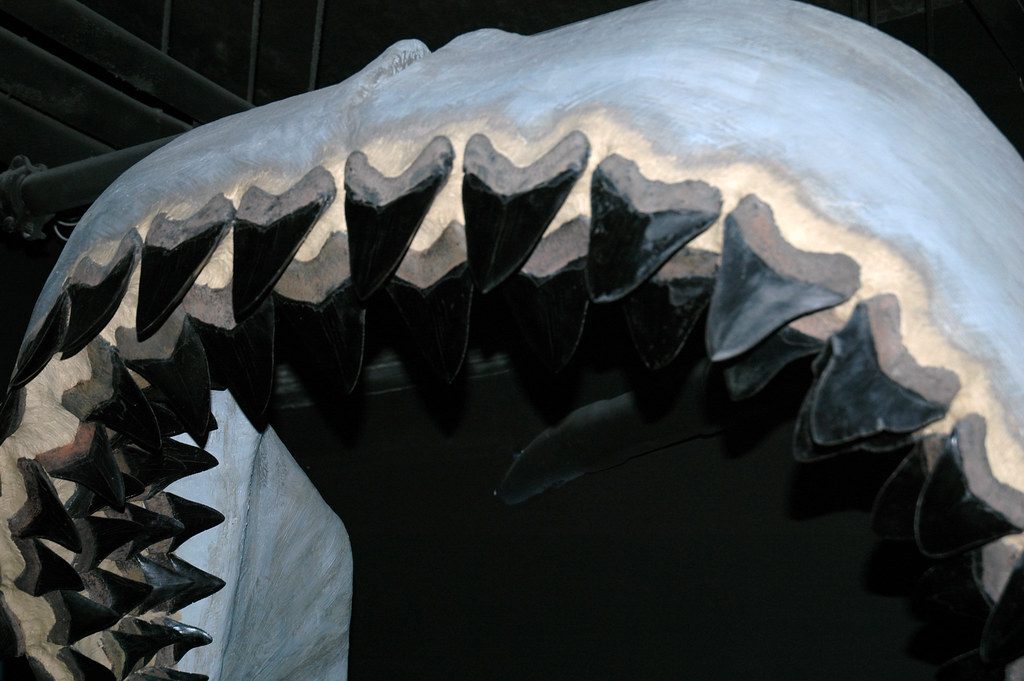
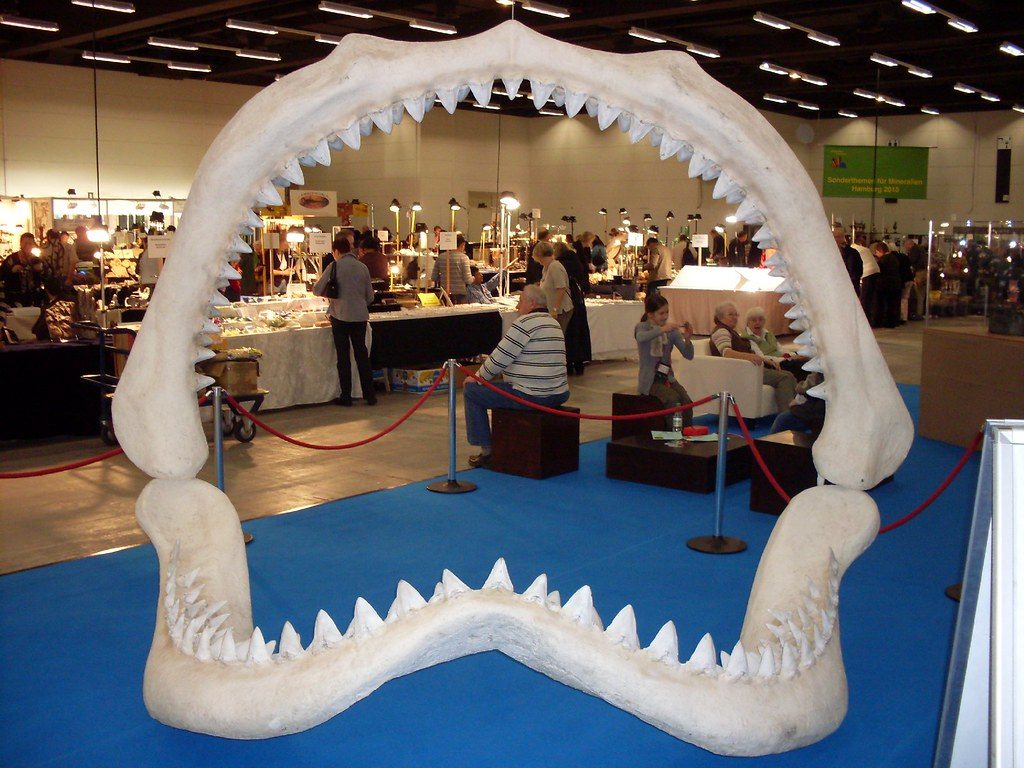
Megalodon was one of the biggest predators that ever lived. Scientists estimate that the shark could grow as long as 50 to 80 feet, although many experts believe most adults are closer to the lower end of that range. It lived from about 23 million years ago until roughly 3.6 million years ago. The animal was an apex predator, meaning it sat at the very top of the food chain and hunted large prey, including whales, dolphins, seals, and other sharks.
Most of what scientists know about megalodon comes from its fossil teeth and a small number of vertebrae. Sharks are made mostly of cartilage, which does not fossilize well, so complete skeletons are extremely rare. Even so, thousands of megalodon teeth have been found around the world. The youngest reliable fossils are about 3.6 million years old, and no confirmed modern remains have ever been discovered. This long gap in the fossil record is one of the strongest reasons scientists believe the species became extinct.
Why the Mariana Trench became part of the story
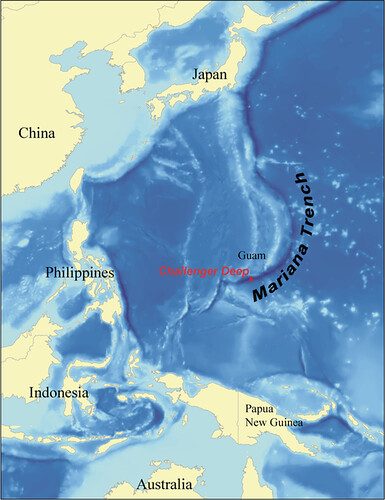
The Mariana Trench is the deepest place in Earth’s oceans. Its lowest point, called Challenger Deep, reaches nearly 36,000 feet below sea level. Because humans have explored only a small part of the deep ocean, many people wonder whether large creatures could hide there unnoticed. Books and movies have helped spread this idea by showing giant sharks living in the trench and rising to the surface to hunt.
However, the real Mariana Trench is a harsh environment. Temperatures are only a few degrees above freezing, sunlight never reaches the bottom, and pressure is more than one thousand times greater than at sea level. Scientists say these conditions would make life difficult for a giant predator that evolved in warm waters. The trench is also not filled with large animals waiting to be eaten. Food is scarce, and most deep-sea creatures survive on tiny amounts of organic material that drift down from above.
The evidence against living megalodons

One of the biggest problems with the idea of living megalodons is the lack of evidence. Sharks lose thousands of teeth throughout their lives. If megalodons still existed, scientists would expect to find fresh teeth, recent bite marks on whales, or even sightings from fishing boats and research ships. None of these have been found.
Modern technology has also changed how scientists study the oceans. Satellites track whale migrations, underwater cameras record marine life, and research vessels explore places that were once unreachable. Large whales, giant squid, and rare sharks have all been discovered and studied using these tools. A predator the size of a megalodon would leave obvious signs of its presence. The absence of such evidence strongly suggests that the animal is no longer alive.
Could a giant shark survive in the deep ocean?
To answer this question, scientists look at what megalodon ate and how it lived. Fossils show that the giant shark preyed on whales and other marine mammals. Many fossil whale bones have deep bite marks that match megalodon teeth. This tells researchers that the shark hunted near the surface where whales spent most of their time breathing and feeding.
The deep ocean does not provide enough food for such a large predator. Animals living in the abyss are usually small or have very slow metabolisms so they can survive on limited resources. Megalodon was different. It was an active hunter with a huge body that required large amounts of food. A giant shark living in the Mariana Trench would need to find enough prey to support its size, but the trench simply does not contain the rich food supply necessary for an animal like that to survive.
Why people still believe megalodons exist
Despite the scientific evidence, stories about living megalodons remain popular. Part of the reason is that the ocean is mysterious. More than 70 percent of Earth’s surface is covered by water, and much of the deep sea remains unexplored. This leaves room for imagination and allows myths to grow.
Television has also played a major role. Some documentaries and movies have presented fictional stories in ways that looked real, causing confusion among viewers. Images of giant fins, dramatic attacks, and fake eyewitness accounts spread quickly online. These stories are entertaining, but scientists stress that entertainment is not the same as evidence. Extraordinary claims require extraordinary proof, and so far no proof has been found that megalodons survived into modern times.
What experts say about the future of the mystery

Scientists are always open to new discoveries. If a living megalodon were found tomorrow, researchers would eagerly study it and rewrite what is known about shark evolution. Science changes when new evidence appears. But until that happens, conclusions must be based on facts rather than speculation.
Today, the evidence points in one direction. Megalodon fossils disappear from the record around 3.6 million years ago. No modern teeth, bones, DNA, or sightings have been verified. The Mariana Trench is cold, dark, and low in food, making it an unlikely hiding place for a giant warm-water predator. Experts continue to explore the oceans and discover amazing creatures, yet none of those discoveries has changed the conclusion that megalodon is extinct.
Leave a Reply