A 19-year-old woman recently sparked a huge debate after asking whether she should contact a sanctuary about her cousin’s pet monkey. The monkey, a 10-year-old capuchin named Izzy, had spent years living as a household pet, but the young woman feared the animal was suffering from improper care. The story quickly spread online because it raises an important question: are monkeys really meant to live as pets?
This article explores what happened, why experts worry about pet monkeys, the signs that show an animal may be struggling, and what options exist when a monkey needs a better home. By the end, you will have a clearer understanding of why this case matters for both animals and people.
Why the young woman became worried
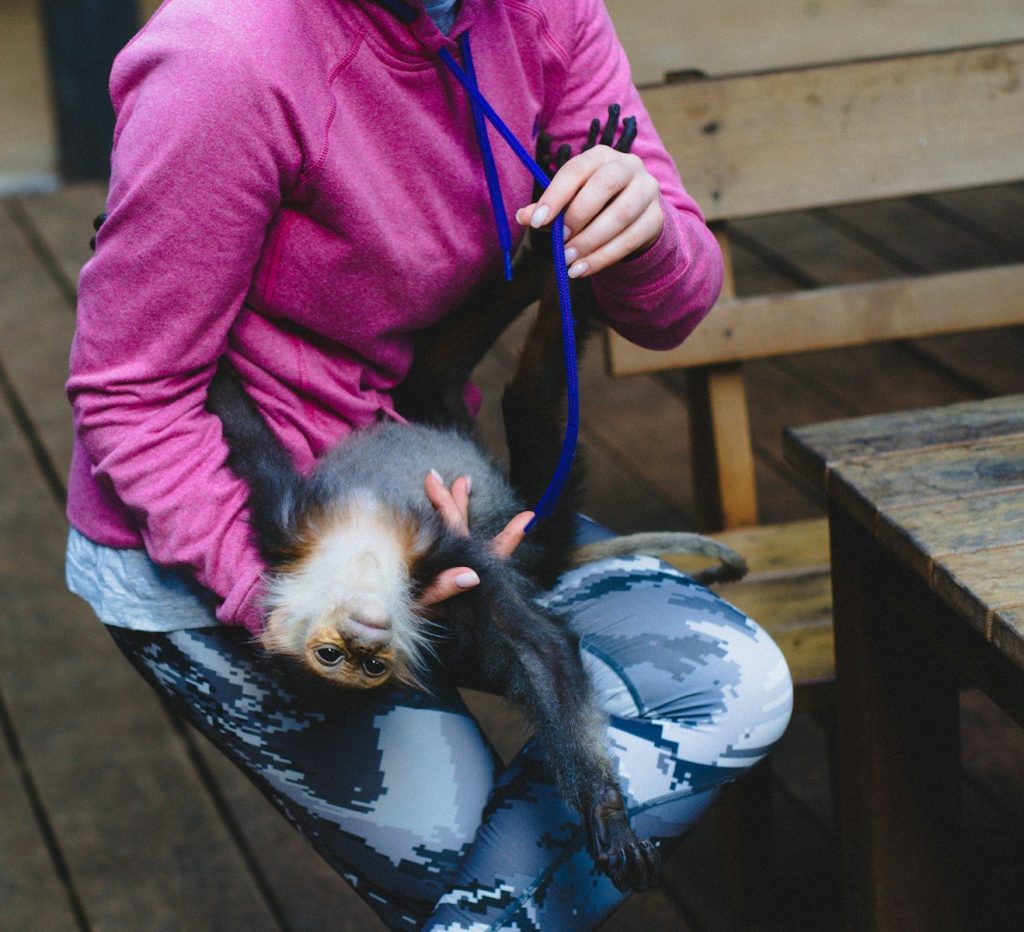
The story began when the 19-year-old agreed to babysit her cousin’s pet monkey for a few hours. According to her account, the monkey arrived in a small crate with only a few items, including a blanket, snacks, a diaper, and a baby bottle filled with water. Instead of acting playful or curious, the capuchin sat quietly in the crate, rocking back and forth and refusing to eat or drink. The young woman felt something was wrong and wondered if the monkey had been living in poor conditions for years.
Her concerns did not stop there. She explained that the monkey had already bitten her badly in the past, leaving a permanent scar. She also said the animal acted aggressively toward strangers and was taken almost everywhere by its owner, including restaurants and hotels. The young woman believed the monkey’s behavior was not simply bad manners but a sign of stress and unhappiness. She started thinking about contacting a sanctuary or animal control because she felt the monkey deserved a better life.
Why monkeys make difficult pets
Monkeys are highly intelligent animals with complex social and emotional needs. In the wild, capuchin monkeys live in groups that can contain many members. They spend their days climbing trees, searching for food, grooming one another, and learning social skills. These activities keep their minds busy and help them stay healthy. A private home, even one filled with love, often cannot provide the same environment that a monkey would naturally have.
As monkeys grow older, they can become stronger, more territorial, and harder to manage. Capuchins are especially known for their intelligence and energy. Experts have warned for years that primates are not ideal household pets because they require specialized diets, large spaces, and social interaction with other monkeys. Many pet monkeys eventually develop behavioral problems, including aggression, anxiety, or repetitive actions caused by stress. Even owners with good intentions may struggle to meet these needs, which is why animal welfare groups often discourage keeping monkeys as pets.
The warning signs seen in this monkey
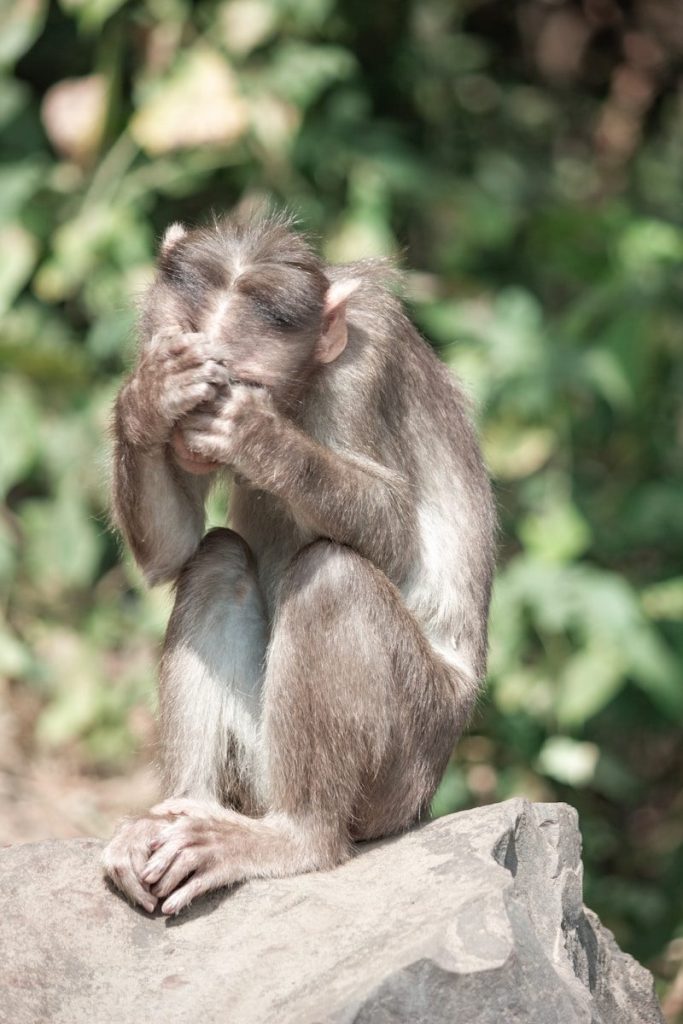
One of the most troubling details in this story was the monkey’s repetitive rocking behavior. Animals sometimes repeat the same movements over and over when they are stressed, bored, or living in an environment that does not meet their physical and emotional needs. Rocking is one of the behaviors that researchers have observed in captive primates that lack stimulation or proper social contact. While this behavior alone does not prove neglect, it is often viewed as a warning sign that deserves attention.
The monkey also showed signs of aggression. The young woman reported being bitten in the past, and she said the animal often reacted badly to strangers. Aggression in pet monkeys is a well-known problem because these animals naturally defend their territory and social status. A monkey that appears cute as a baby can become much more difficult to handle as an adult. This can put family members, visitors, and the animal itself at risk. Experts often stress that aggressive behavior is not always the monkey’s fault. Instead, it can be a sign that the animal’s natural needs are not being met.
The risks of keeping monkeys in homes
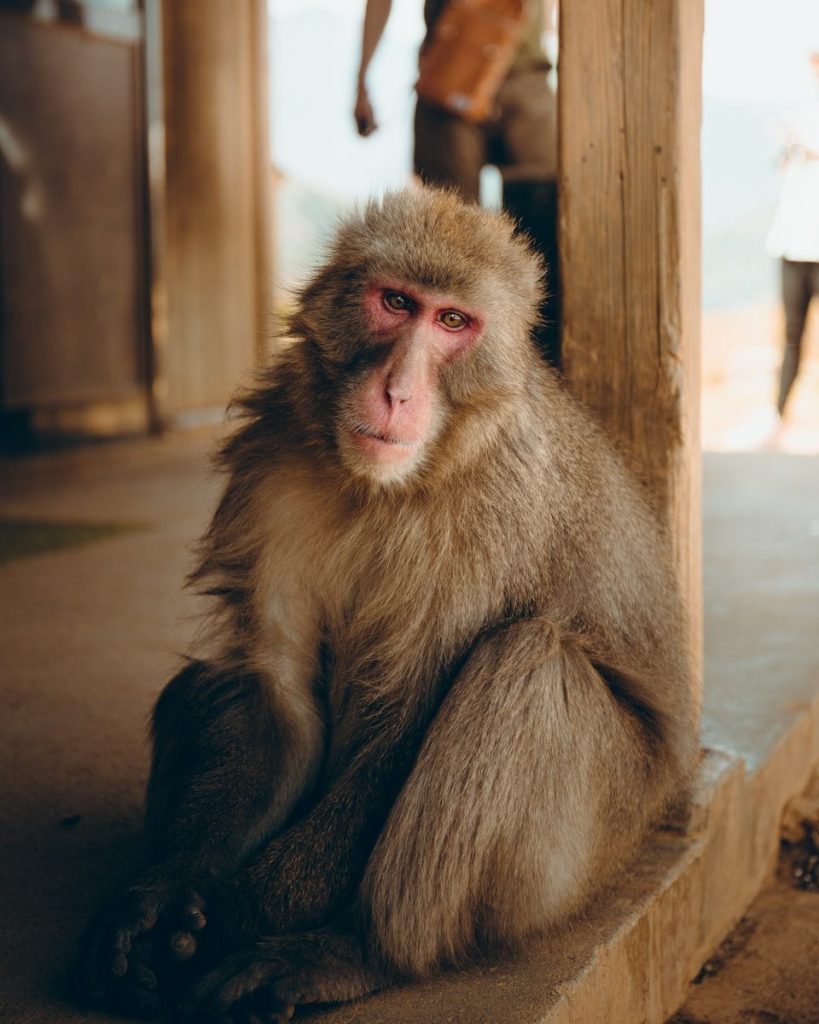
Keeping a monkey in a home is not only difficult for the animal but can also create safety concerns for people. Monkeys are powerful animals with sharp teeth and quick reflexes. Even smaller species, such as capuchins, can bite hard enough to cause serious injuries. Their strength and speed often surprise owners who expect them to behave like cats or dogs. When monkeys become frightened or stressed, they may react in ways that are dangerous to those around them.
There are also health and legal concerns. Monkeys can carry diseases that spread between animals and humans, and they often require special veterinary care that is not available everywhere. Laws about owning primates vary across the United States. Some states ban private ownership completely, while others require permits or place restrictions on certain species. In the case of the young woman’s story, she claimed that her state classified capuchins as dangerous animals and that her cousin was not allowed to bring the monkey there. These legal rules exist not only to protect people but also to protect animals from unsuitable living conditions.
How sanctuaries help rescued monkeys
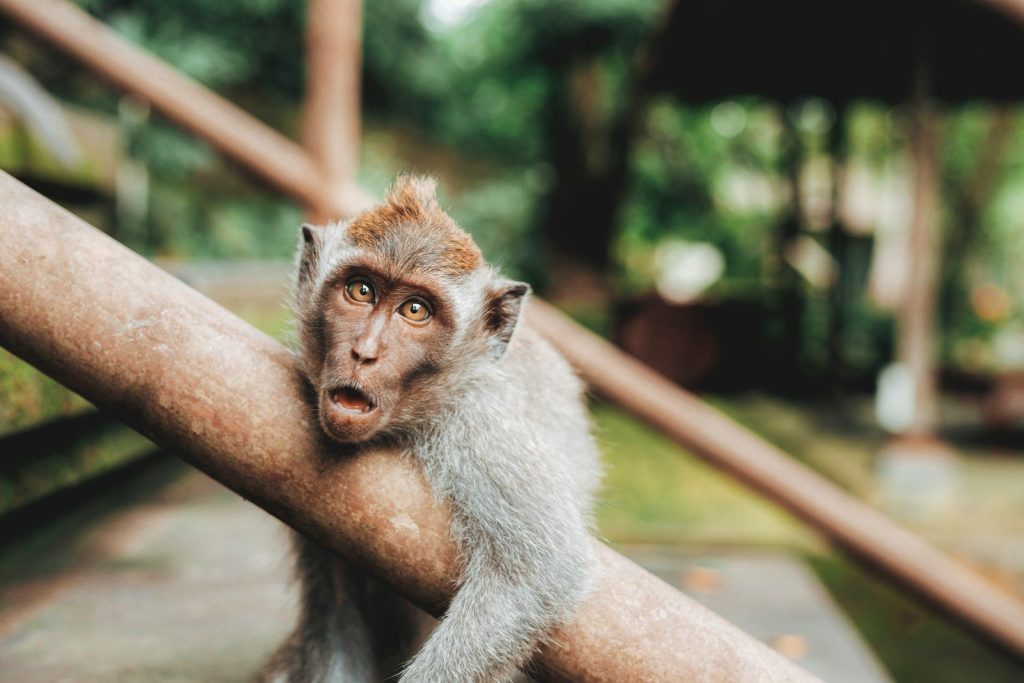
Animal sanctuaries are often seen as one of the best options for monkeys that can no longer live safely in private homes. Unlike zoos that focus on public exhibits, sanctuaries are designed to provide long-term care for animals that have been abused, neglected, or surrendered by owners. Many sanctuaries create large outdoor spaces where monkeys can climb, explore, and interact with others of their own species. The goal is to give them a life that is closer to what nature intended.
Moving a monkey to a sanctuary is not always easy. Animals that have spent years living with people may need time to adjust to other monkeys and new surroundings. Some never fully lose the habits they developed in captivity. Still, many rescued monkeys show remarkable improvement once they receive proper diets, larger habitats, and social opportunities. Caregivers often report seeing animals become more active, more curious, and less stressed after spending time in a sanctuary environment.
What this story teaches about animal welfare
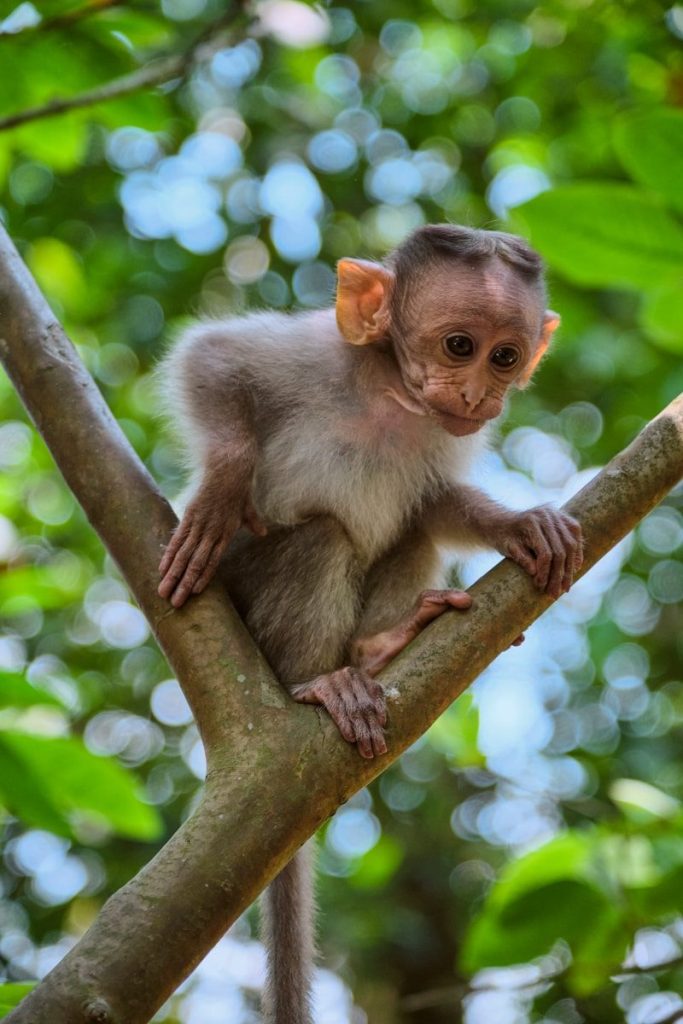
The story of the 19-year-old and her cousin’s monkey has touched many people because it is not simply about one family. It highlights a larger issue about how humans interact with wild animals. Many people buy or adopt exotic pets because they look cute or seem fascinating. However, the reality of caring for a wild animal is often far more complicated than expected. Good intentions alone are not enough when an animal has needs that are difficult to meet in a household setting.
This case also reminds us that caring about an animal sometimes means making a painful decision. The young woman worried that contacting a sanctuary would hurt her cousin, but she believed the monkey’s well-being had to come first. That is a difficult choice for anyone to make. Yet animal welfare experts often say that the greatest act of love can be giving an animal the environment it truly needs, even if that means letting it go.
Leave a Reply