
Imagine seeing what looks like half a giant fish floating beside a boat. At first, you might think it has been attacked by a shark or injured in some way. But what if that strange shape is actually the entire animal? That is exactly what happens when people see an ocean sunfish for the first time.
Also known as a mola, the ocean sunfish is the largest bony fish in the world. Its unusual shape, enormous size, and unique lifestyle make it one of the most fascinating creatures in the ocean. This article explores how the ocean sunfish grows so large, survives in the open sea, and faces challenges in a changing world.
What makes the ocean sunfish so unusual

The ocean sunfish is one of the strangest-looking animals in the sea. Its round body resembles a giant floating disc, which is why the name “mola” comes from the Latin word for millstone. Unlike most fish, it lacks a fully developed rear fin.
As the sunfish grows, its rear fin folds inward instead of developing normally. This gives the fish a unique appearance, making it look like a giant head with fins attached. While its shape may seem unusual, it is a natural adaptation that helps define the species.
The largest bony fish in the ocean
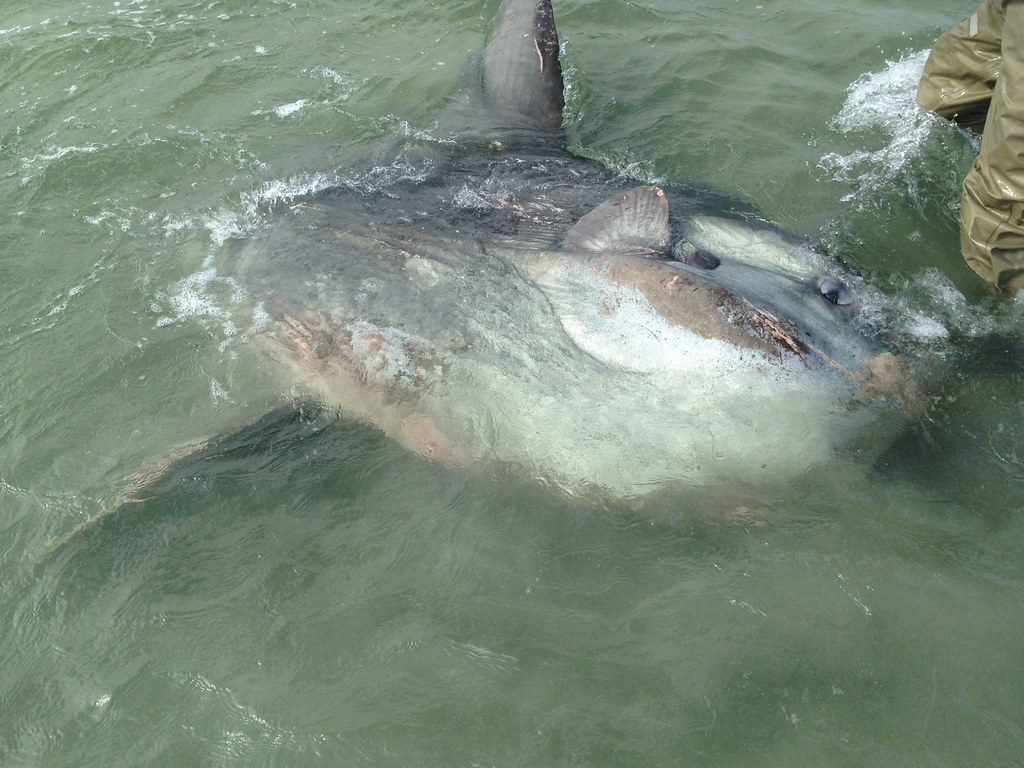
The ocean sunfish holds the title of the largest bony fish on Earth. Species such as Mola mola and Mola alexandrini can reach incredible sizes that few other fish can match.
Some individuals weigh up to 2.3 tons and can grow to nearly 3 meters long. One recorded Mola alexandrini measured 2.7 meters long and weighed 2.3 tons, earning recognition as the heaviest bony fish ever documented. Their massive size makes them true giants of the open ocean.
How a tiny larva becomes a giant
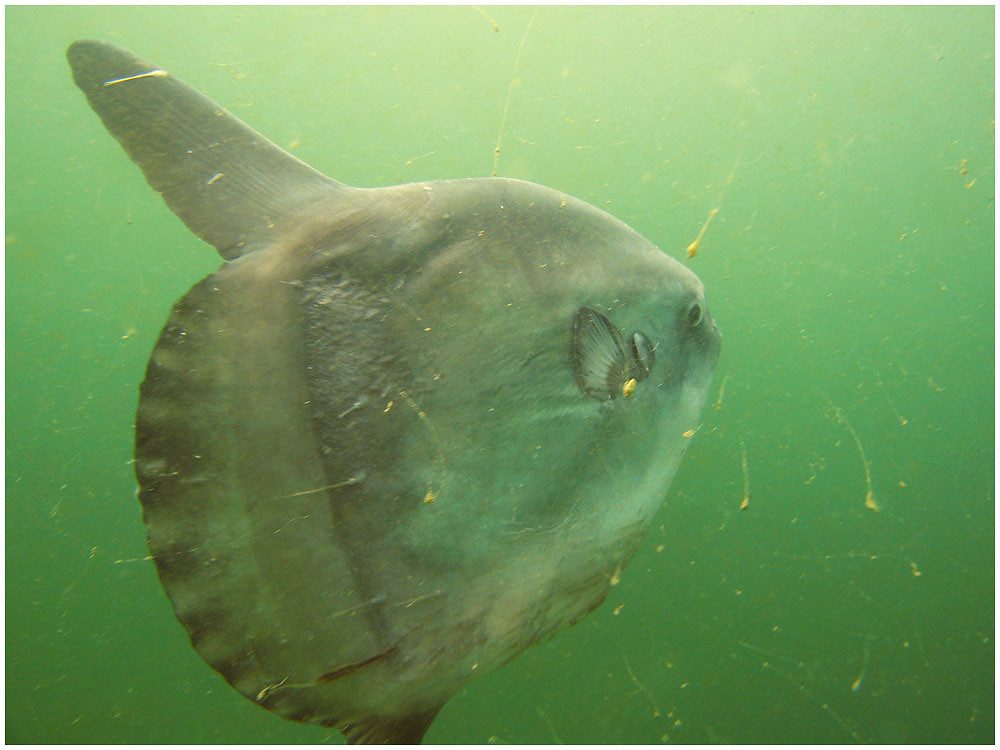
One of the most remarkable things about the ocean sunfish is how it grows. Scientists have found that these fish possess an overactive growth-related gene that helps drive rapid development throughout their lives.
The journey begins with an egg only about 0.13 centimeters wide. After hatching, the larva is extremely small, roughly the size of two grains of sand. Over about two decades, that tiny creature can grow into a fish weighing several tons. During early development, young sunfish can gain nearly a kilogram of body mass each day.
The incredible reproductive strategy

Ocean sunfish rely on extraordinary reproduction to ensure their survival. A female sunfish can release up to 300 million eggs during a single breeding season.
This is considered the highest reproductive output of any known vertebrate. Producing such a large number of eggs increases the chances that at least some offspring will survive and reach adulthood. It is a remarkable strategy for a species that begins life so tiny.
Life in the open ocean
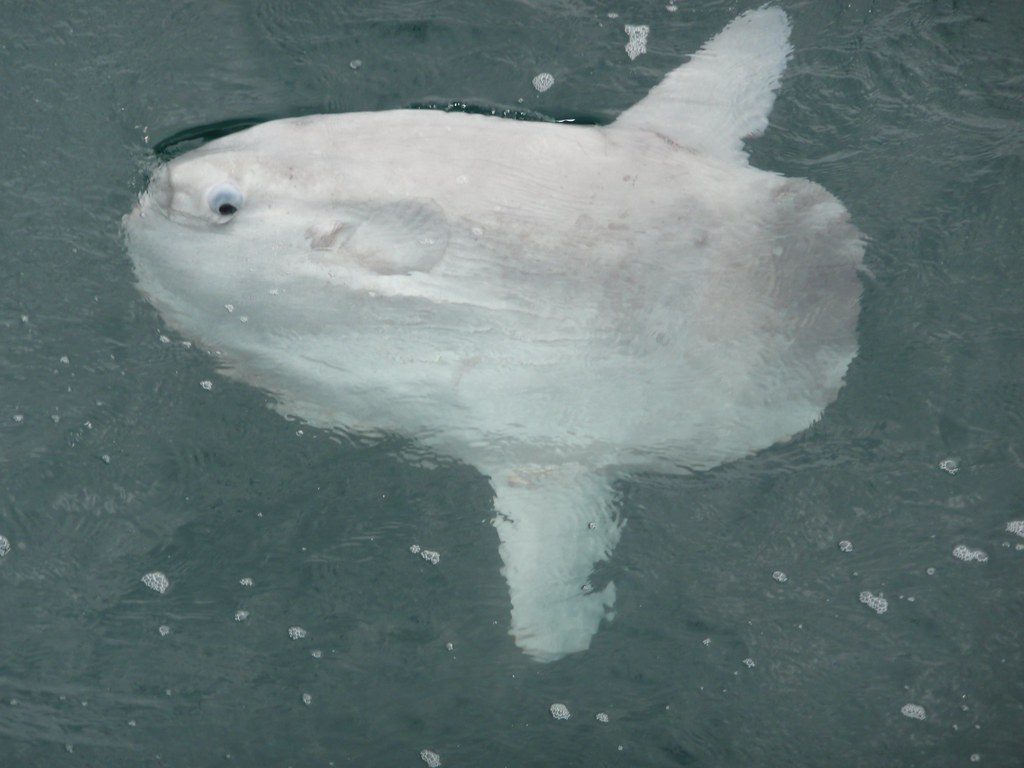
Despite their huge bodies, ocean sunfish face many challenges. Their skin often becomes home to numerous parasites, creating constant problems throughout their lives.
To deal with these parasites, sunfish have developed unusual behaviors. They often float on their sides near the water’s surface, allowing seabirds to remove parasites from their skin. They are also known to leap out of the water and crash back down, a behavior believed to help remove unwanted parasites.
Threats facing the ocean sunfish
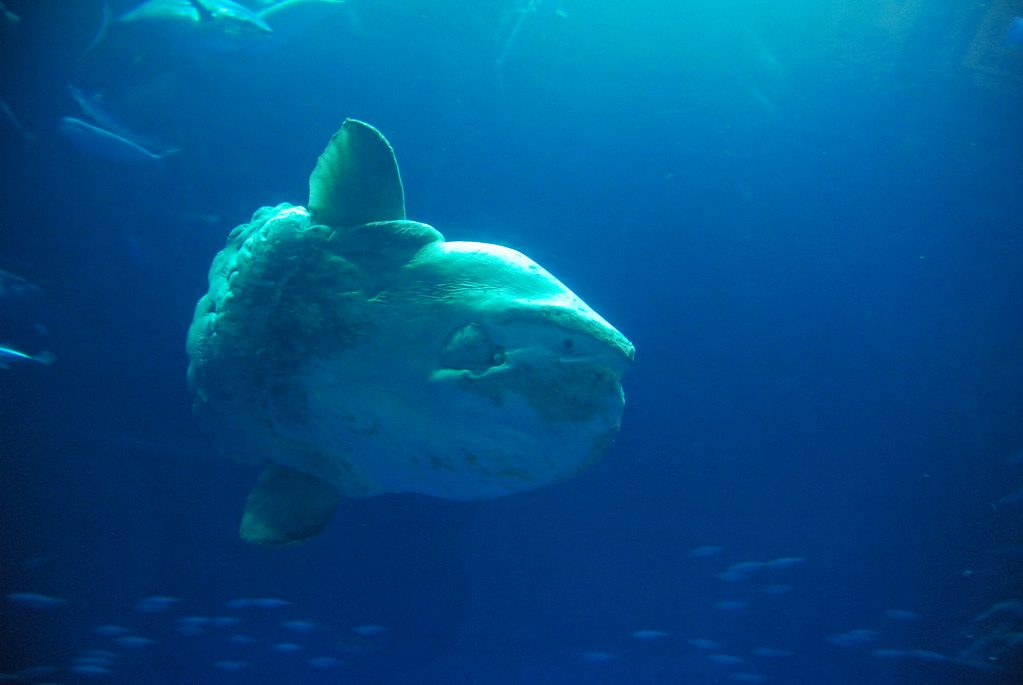
Although they are among the largest fish in the world, ocean sunfish are vulnerable to several modern threats. Many are accidentally caught in fishing nets, while others are hunted for traditional medicine in some areas.
Pollution has become another major concern. Floating plastic bags can resemble jellyfish, a main food source for sunfish. When sunfish mistake plastic for food and consume it, the results can be deadly. These challenges have contributed to the species being classified as vulnerable.
Leave a Reply