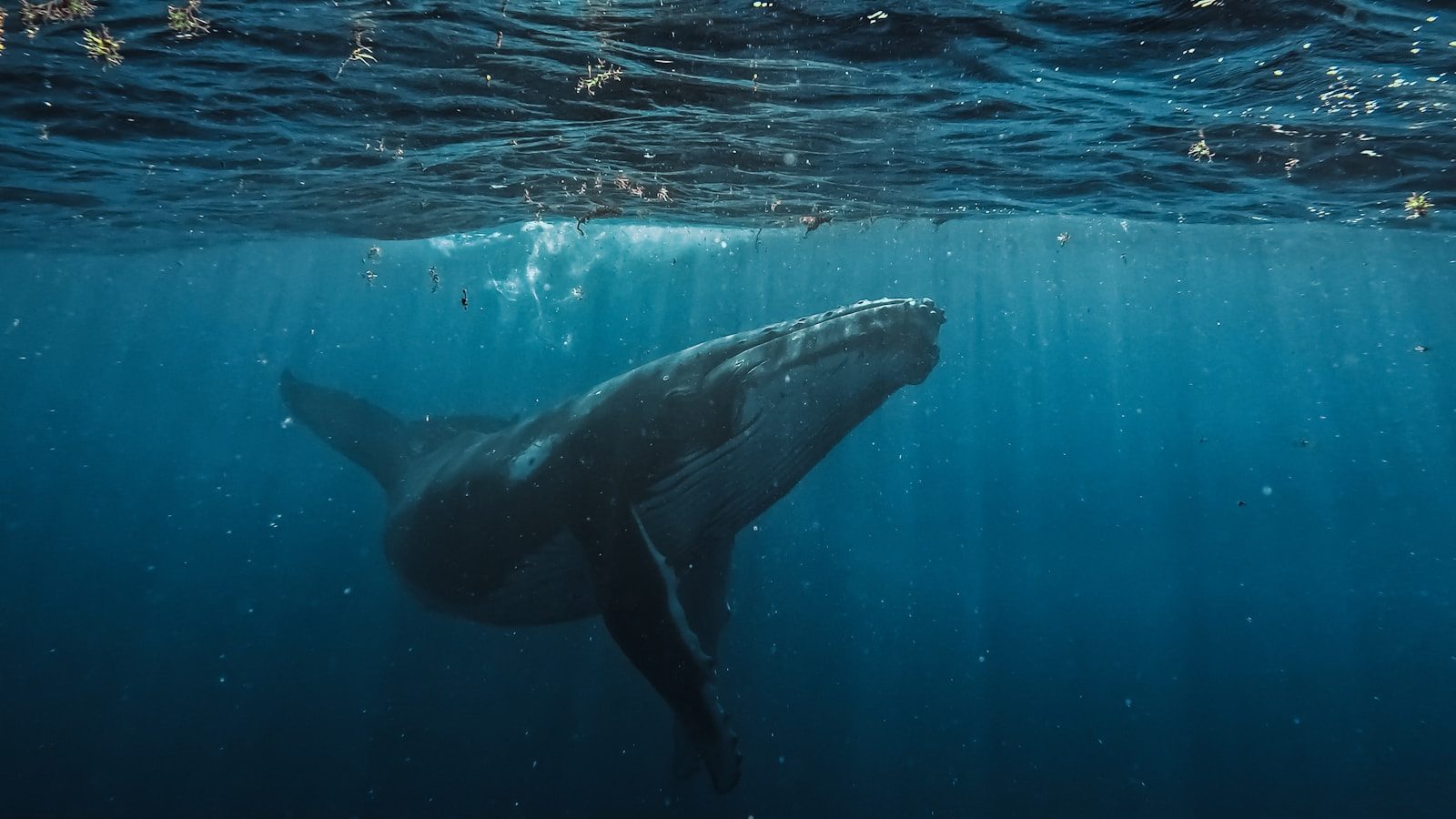
Have you ever wondered which animals make the loudest sounds in the world? While lions, elephants, and wolves are known for their powerful calls, some creatures produce sounds far louder than most people imagine. In fact, some whales create noises louder than jet engines, while a tiny shrimp can generate a sound powerful enough to stun prey.
Sound behaves differently in water than on land, allowing marine animals to produce incredibly powerful calls. From giant whales to intelligent dolphins, these animals rely on sound to communicate, hunt, and survive. Here are six of the loudest animals on Earth and the fascinating ways they use their remarkable voices.
Sperm whale: The loudest animal on the planet
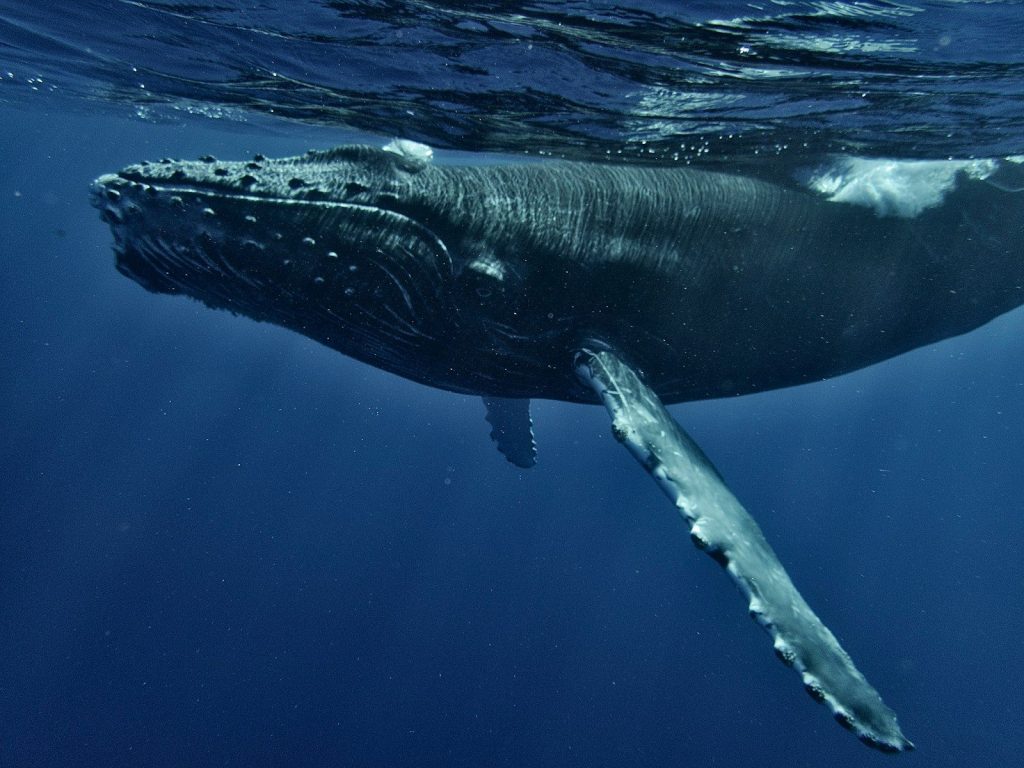
The sperm whale is widely regarded as the loudest animal on Earth. Its powerful clicks can reach up to 230 decibels, making them much louder than the sound produced by a jet engine. These enormous marine mammals use sound as one of their most important tools for survival.
Sperm whales communicate with one another across vast distances in the ocean. Their clicking sounds can travel thousands of miles underwater. They also rely on echolocation to find prey, including giant squid, in the deep, dark parts of the ocean, where visibility is extremely limited.
Pistol shrimp: Tiny creature with a giant sound
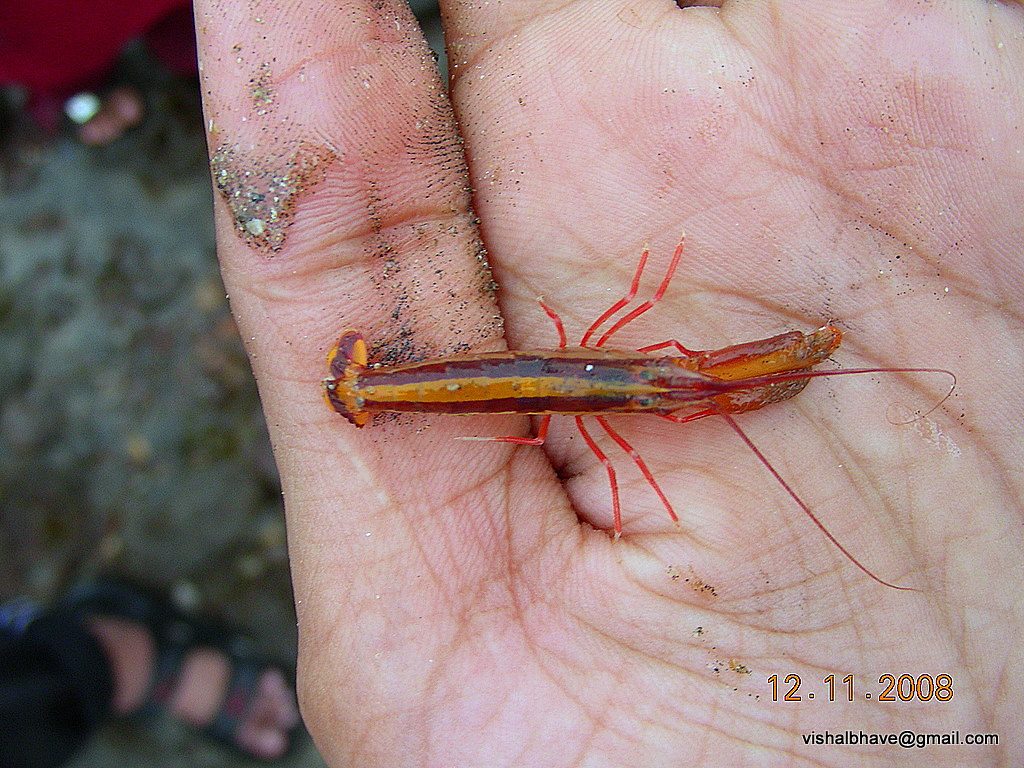
The pistol shrimp may be small, but it produces one of the loudest sounds in the animal kingdom. By snapping its oversized claw, it can create a sound reaching up to 189 decibels. This sudden burst of noise is powerful enough to stun nearby prey.
These shrimp usually wait inside burrows and use their antennae to detect passing fish. Once prey comes close, they snap their large claw to create a shock-like effect. One species, the Pink Floyd pistol shrimp, is famous for its bright pink claw and its impressive sound-producing ability.
Blue whale: The giant with a powerful voice
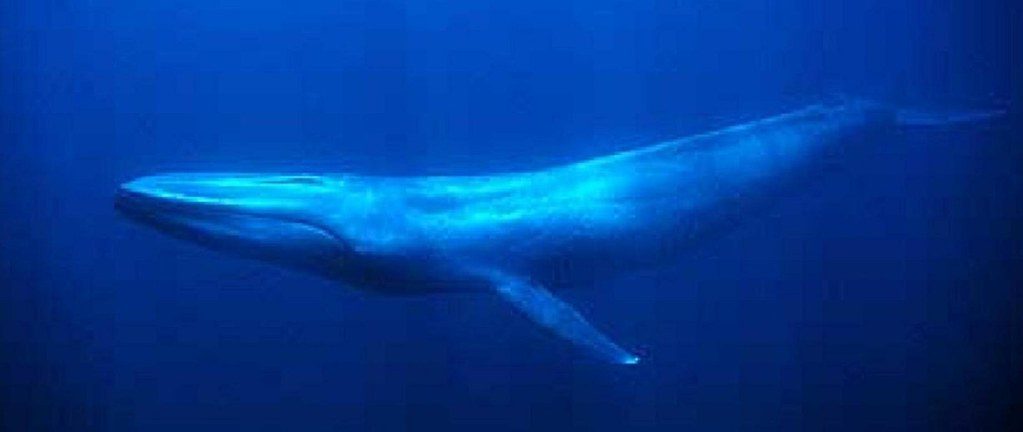
The blue whale is the largest animal on Earth and also one of the loudest. Its vocalizations can reach up to 188 decibels, allowing these giants to communicate across hundreds of miles of ocean.
Blue whales produce a variety of sounds, including pulses, grunts, groans, and moans. These low-frequency calls help them stay connected with other whales over long distances. Their powerful voices are essential for communication in the vast open ocean.
North Pacific right whale: One of the ocean’s loud singers
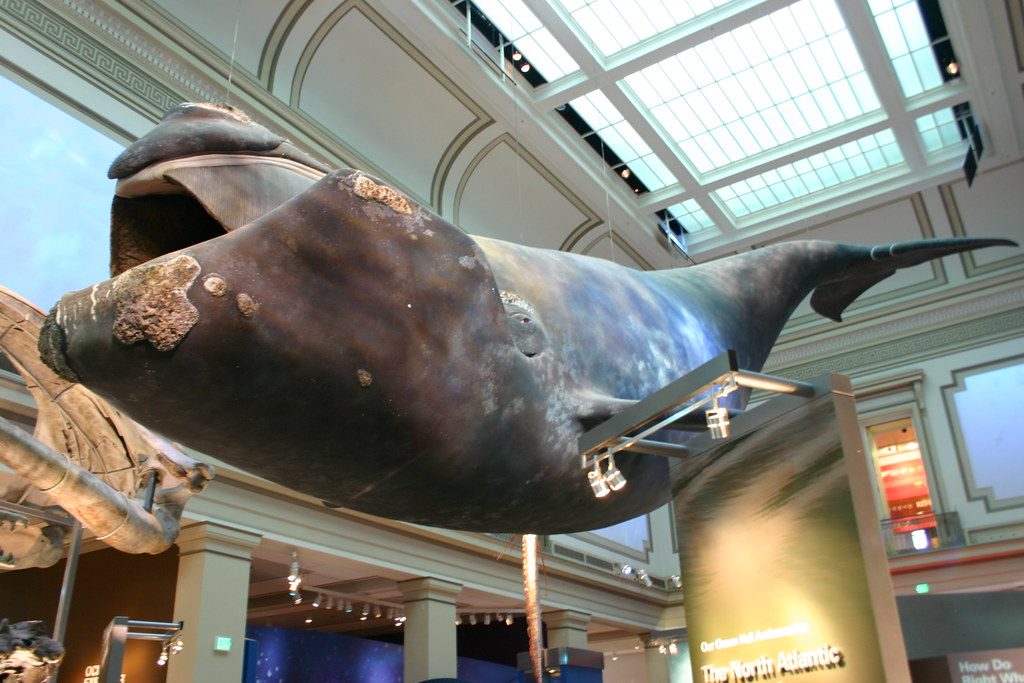
The North Pacific right whale is another marine giant known for producing extremely loud sounds. Its calls can reach up to 182 decibels, making it one of the loudest animals in the world.
Researchers have discovered that these whales do more than make individual calls. They are also capable of producing songs. As one of the rarest whale species, their vocal behavior remains an important area of scientific study.
Atlantic spotted dolphin: A loud and playful communicator
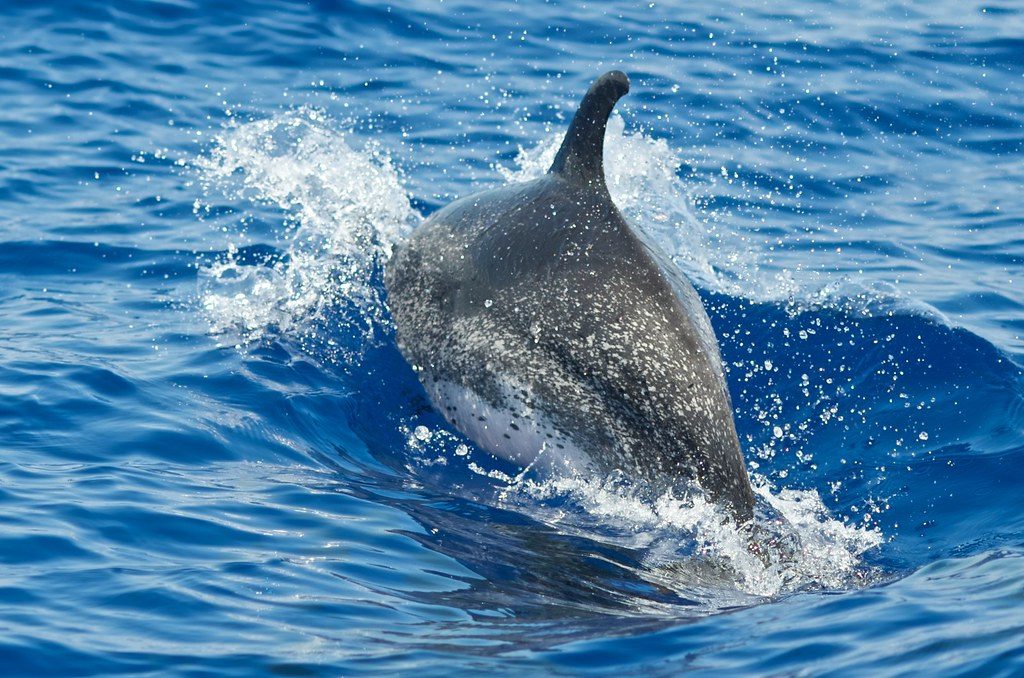
Atlantic spotted dolphins are famous for their energetic behavior and strong vocal abilities. Their whistles can measure up to 163 decibels from just one meter away, making them among the loudest dolphins in the ocean.
These dolphins are known for leaping out of the water and riding waves created by boats. Sound plays a major role in their daily lives, helping them communicate with other dolphins and navigate their environment.
Bottlenose dolphin: Intelligent and highly vocal
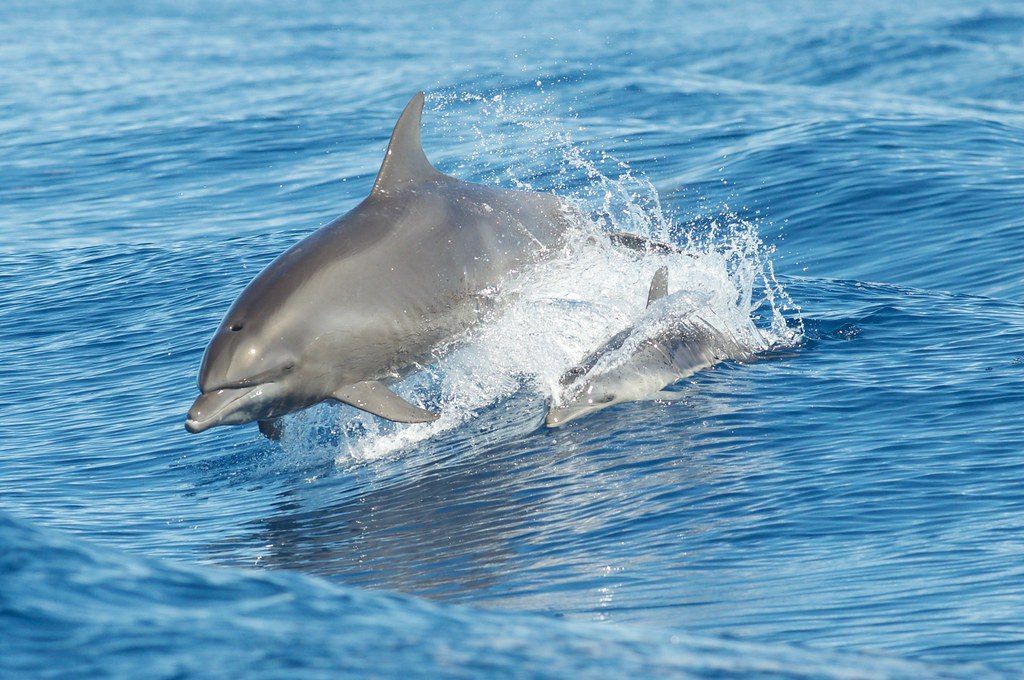
Bottlenose dolphins are among the most intelligent marine animals and can also produce whistles reaching up to 163 decibels. They use a wide range of sounds to communicate with members of their group.
These dolphins rely on high-frequency echolocation to locate fish, squid, and crustaceans. They often hunt together, using teamwork to herd prey into tight spaces. Their advanced communication skills help them coordinate these group hunting strategies effectively.
Leave a Reply