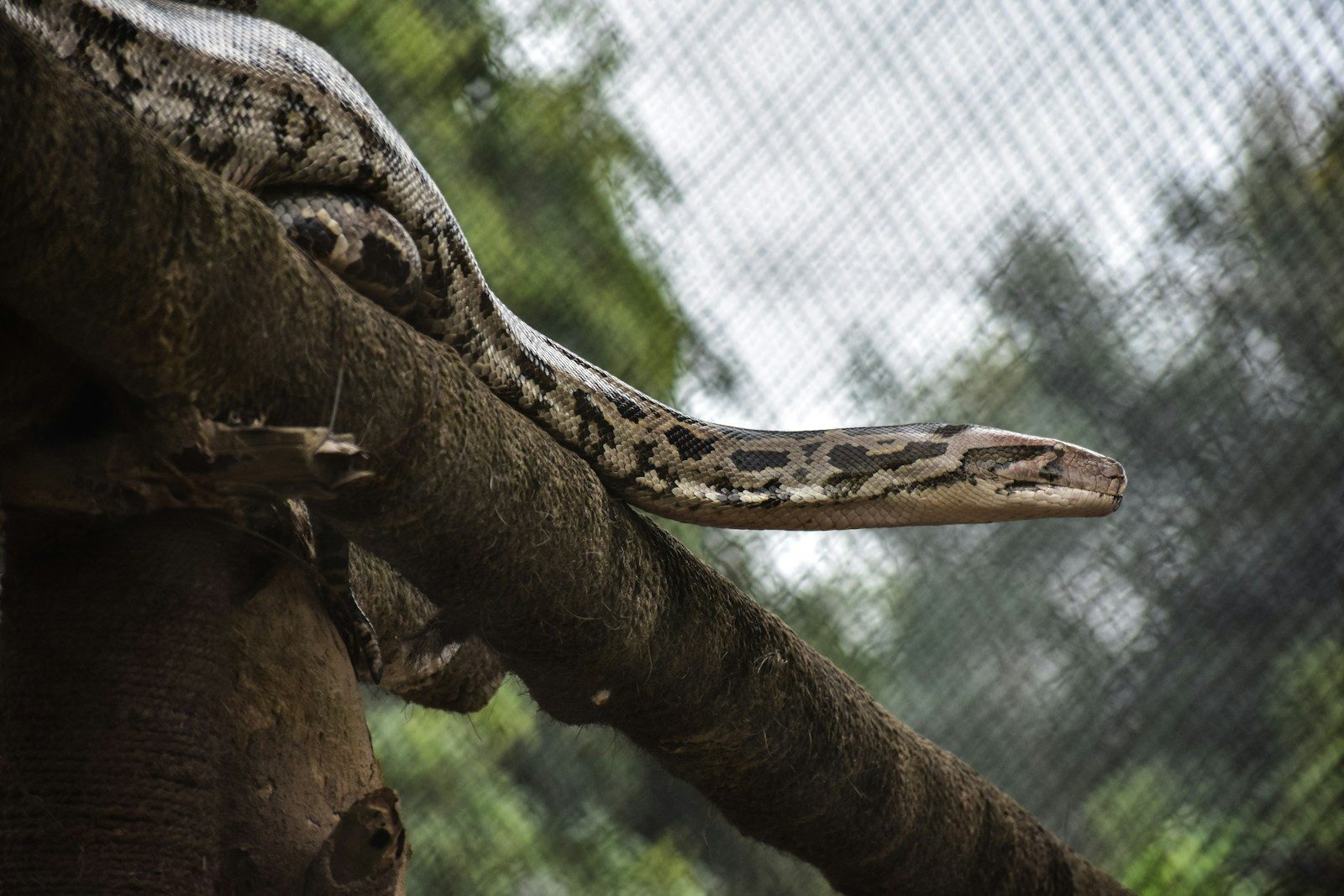
Many people feel uneasy around snakes. While only a small percentage of people have a true snake phobia, millions experience anxiety when they see or think about these reptiles. In the United States, there are around 100 snake species, and more than 20 are considered venomous. That can make outdoor adventures feel a little less relaxing for some travelers.
However, there are two states in the Lower 48 where visitors do not need to worry about native venomous snakes. Maine and Rhode Island stand out as the only states without any native deadly snakes, making them unique destinations for people who prefer to avoid encounters with venomous reptiles.
Why Maine and Rhode Island are unique
Most states in the United States are home to at least one venomous snake species. From rattlesnakes in the West to cottonmouths and copperheads in the South, dangerous snakes are found across much of the country.
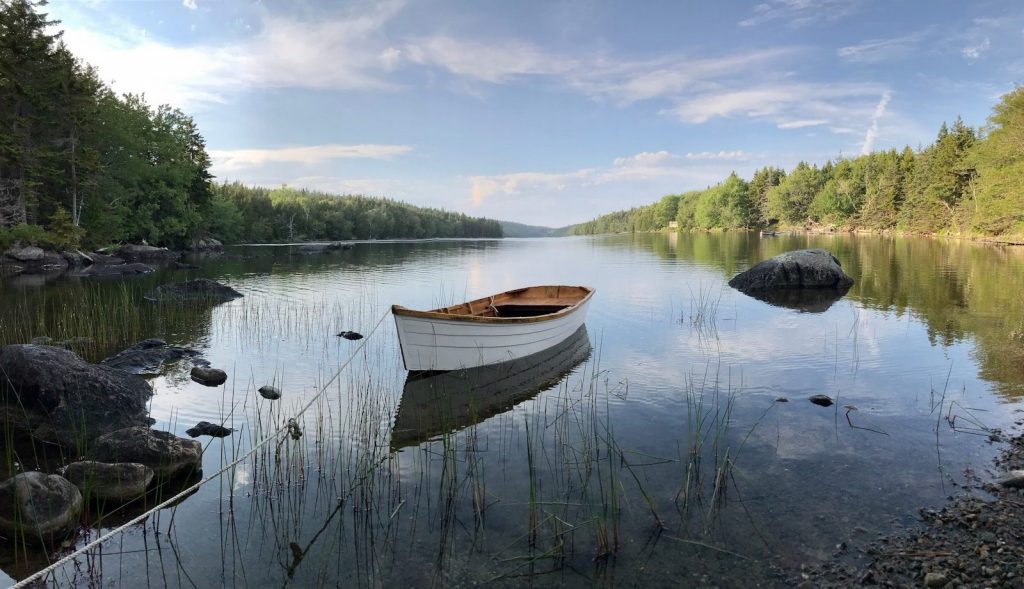
Maine and Rhode Island are different. Neither state currently has any native venomous snake species. This means visitors can explore forests, parks, and coastal areas without encountering snakes that are naturally established and known for dangerous venom.
Snakes still live in both states
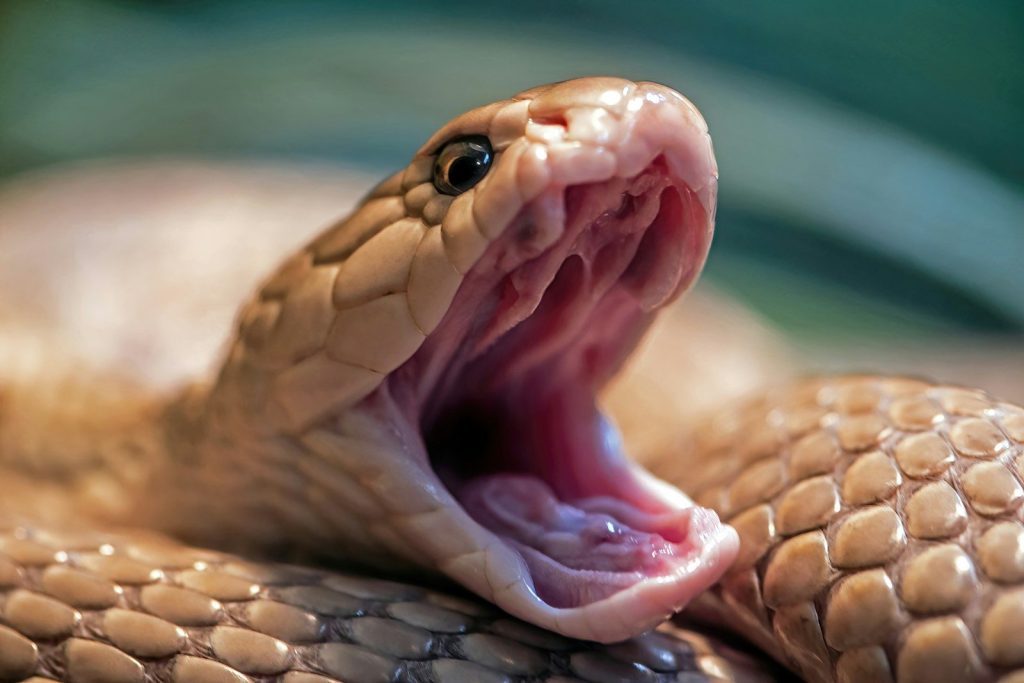
The absence of native venomous snakes does not mean these states are snake-free. Both Maine and Rhode Island are home to several non-venomous snake species that play important roles in local ecosystems.
Many of these snakes help control rodent populations and generally avoid people. While seeing a snake may still surprise hikers or homeowners, these species are not considered dangerous to humans, unlike venomous snakes.
Rhode Island’s history with venomous snakes
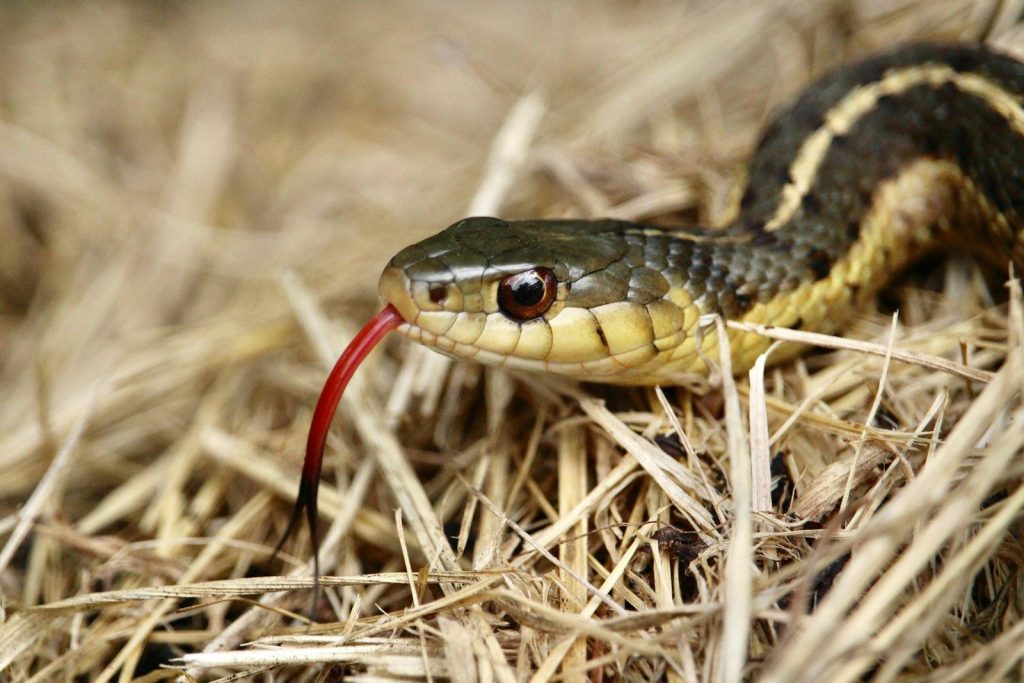
Although Rhode Island does not currently have native venomous snake populations, there have been exceptions in the past. Reports indicate that timber rattlesnakes were found in the state decades ago, including a population discovered near Tiverton during the 1970s.
There have also been isolated incidents involving venomous snakes. One documented case described a person being bitten by a copperhead. However, copperheads are not considered native to Rhode Island and are more commonly found in nearby states.
Maine’s uncertain snake history
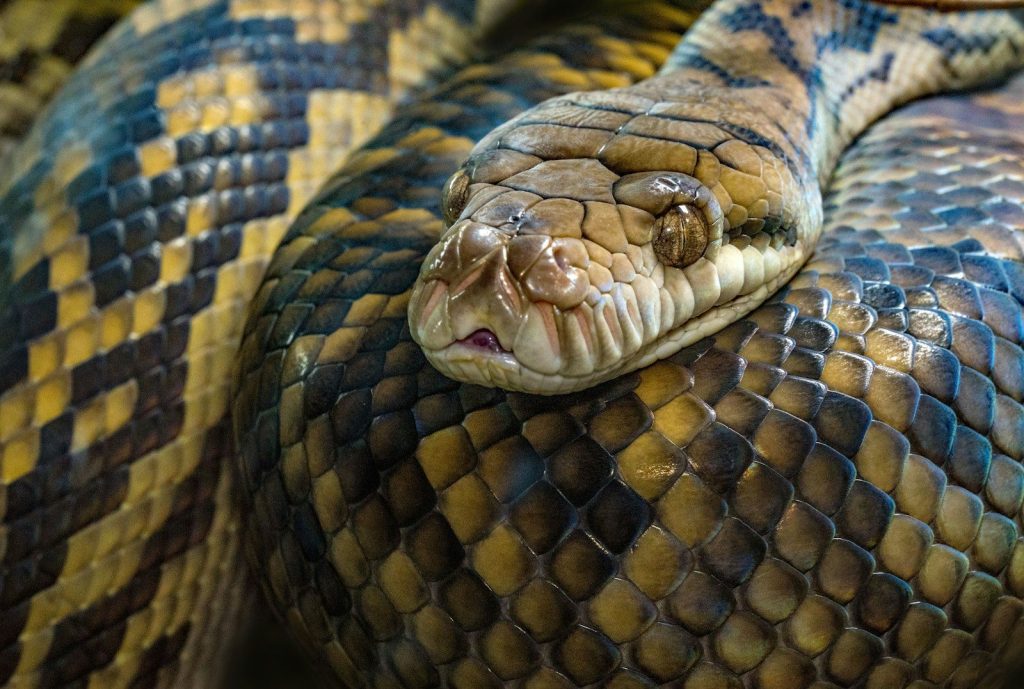
Maine has a similar story. Timber rattlesnakes are believed to have once lived in the state but are now considered eradicated from the area. As a result, no native venomous snake populations currently remain.
Occasionally, reports of possible rattlesnake sightings appear online. However, these claims are often questioned because the known range of rattlesnakes generally does not extend into most parts of Maine. Verified evidence remains extremely limited.
Mistaken identity is common
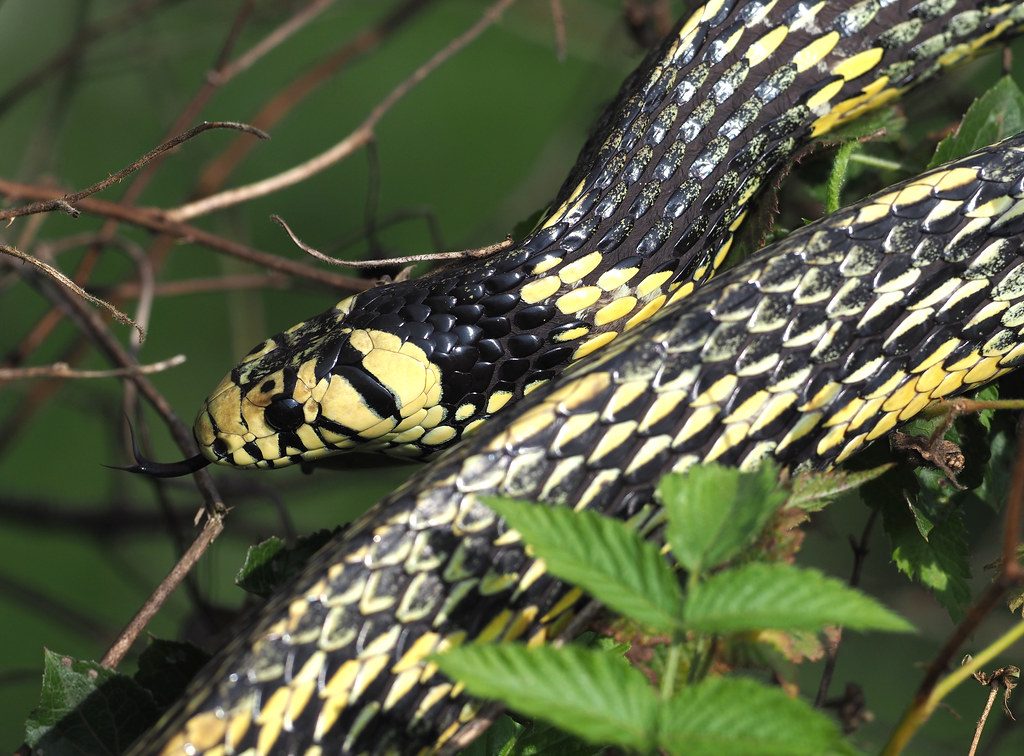
One reason many people believe they have seen venomous snakes is that some harmless species closely resemble dangerous ones. This can create confusion, especially for people unfamiliar with snake identification.
For example, the common watersnake is found throughout parts of Maine and is often mistaken for the cottonmouth. While cottonmouths possess venom and are found in the southeastern United States, common watersnakes are non-venomous and pose little threat to people.
Great destinations for outdoor travelers
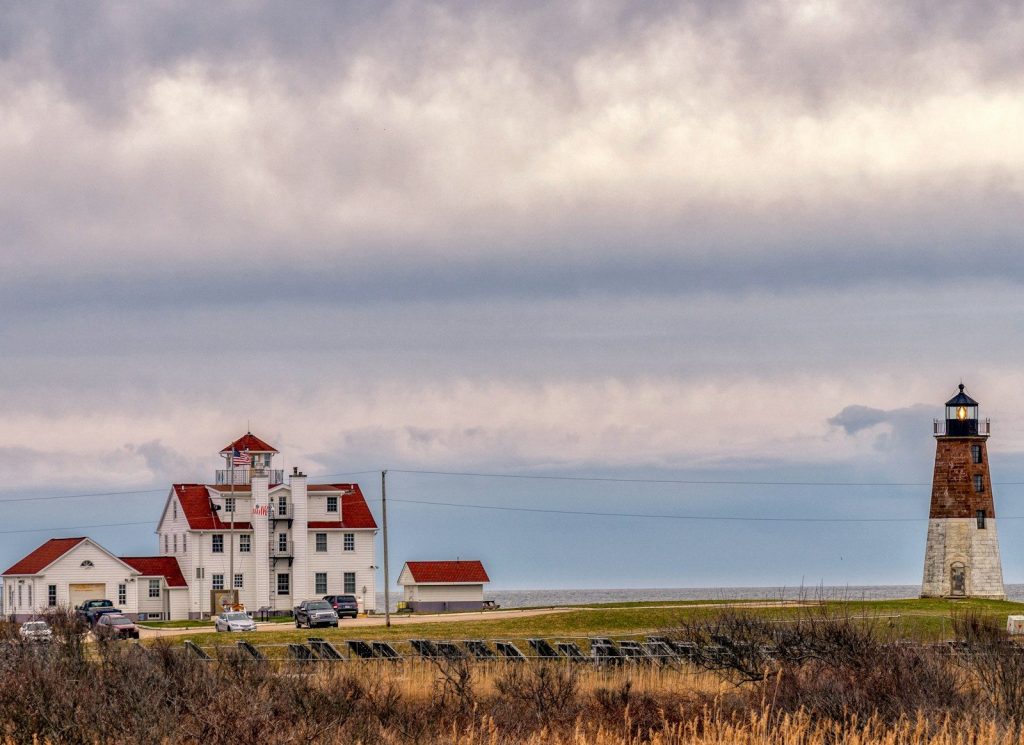
Because Maine and Rhode Island lack native venomous snakes, they appeal to travelers who enjoy outdoor activities but feel uncomfortable around potentially dangerous wildlife. Visitors can explore beaches, forests, and historic attractions with added peace of mind.
Rhode Island offers attractions such as the famous Newport Mansions, while Maine is known for scenic landscapes, fall foliage, and harvest festivals. These destinations offer plenty of opportunities for adventure without the risk of encountering venomous snakes.
Leave a Reply