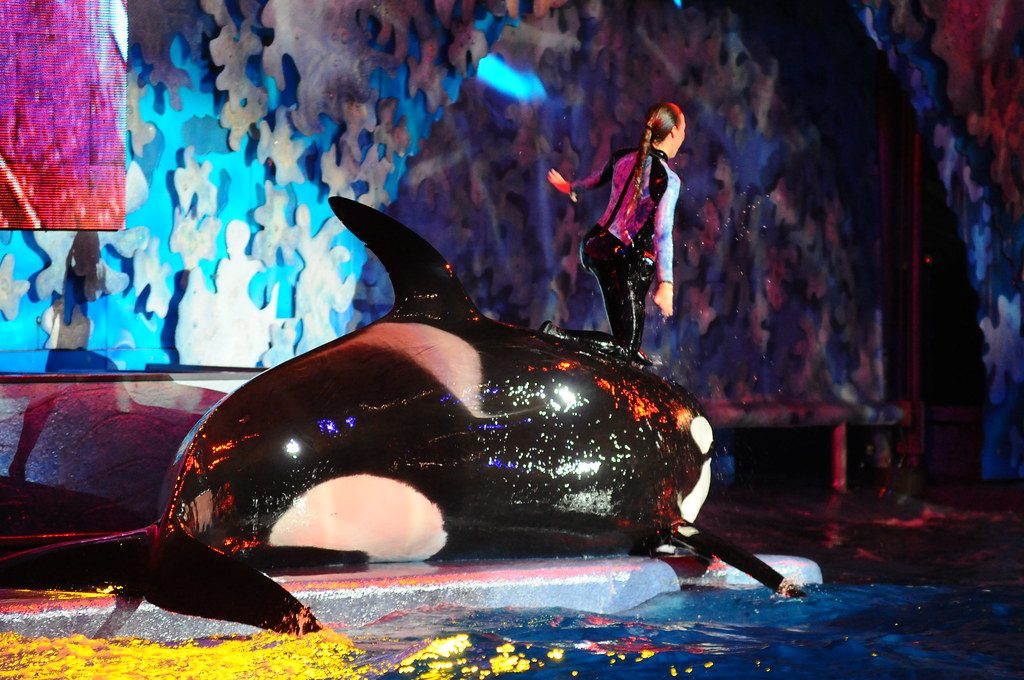
What happens when a dream career ends in a heartbreaking tragedy? That question shocked people around the world after the death of Dawn Brancheau, a highly respected SeaWorld trainer. Brancheau spent her life working toward her goal of training killer whales, and she became one of SeaWorld’s most experienced trainers.
The incident involving Tilikum, a large orca whale, raised serious questions about safety, animal behavior, and the risks trainers face every day. This article explores Dawn Brancheau’s life, her journey to SeaWorld, the tragic accident, Tilikum’s history, and how the event changed conversations about working with captive whales.
Dawn Brancheau followed her dream
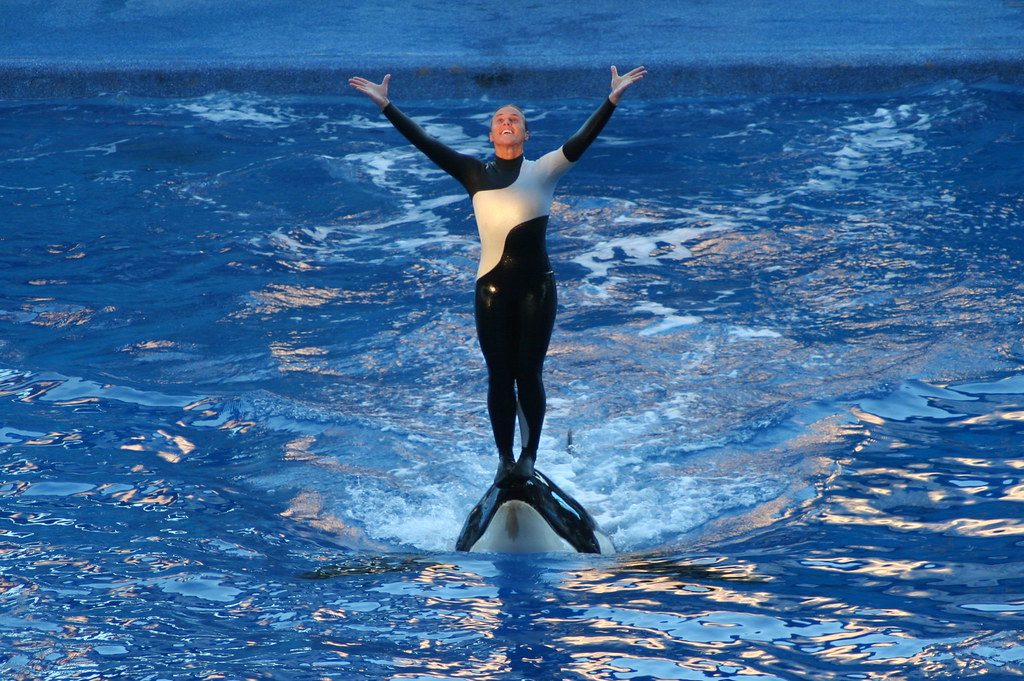
Dawn Brancheau grew up in Cedar Lake, Indiana, and discovered her passion for marine animals at a young age. During a family visit to SeaWorld when she was a child, she decided she wanted to become a whale trainer. According to her family, she talked about that dream throughout her life and worked hard to achieve it.
She researched the education and experience needed for the job and followed that path carefully. After high school, she studied psychology and animal behavior at the University of South Carolina. She later worked in training positions at water parks around the country before finally being hired by SeaWorld in the mid-1990s.
Her success inspired family and friends
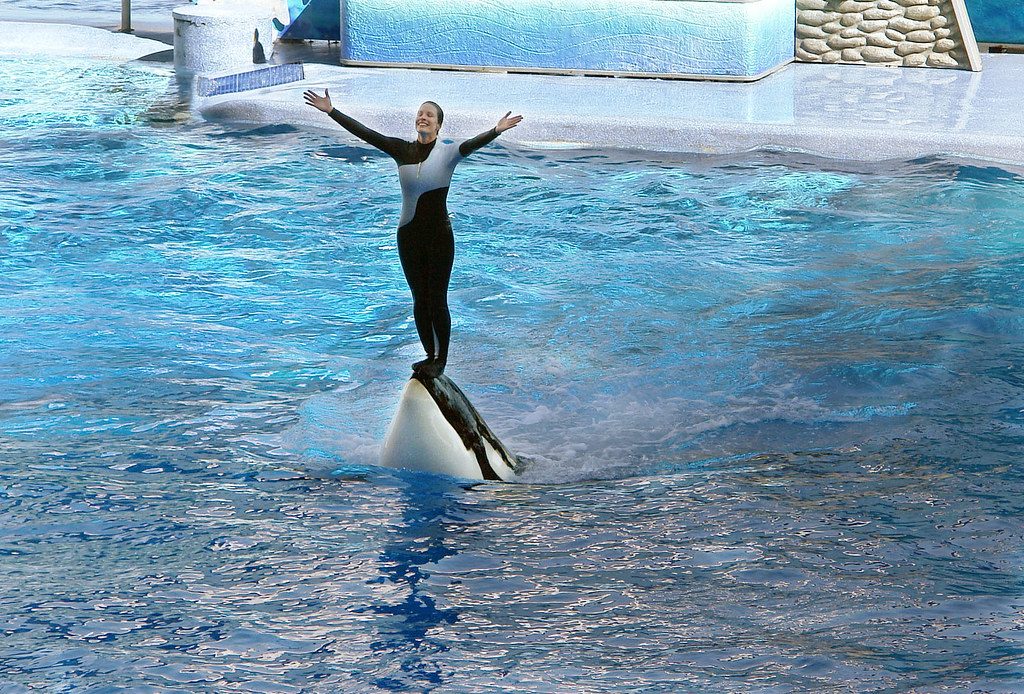
Brancheau’s family said she truly loved her work and felt fortunate to spend her days with the animals she admired. Photos used in SeaWorld promotional materials often showed her smiling as she worked with whales. Her sister said it was easy to see how much joy the job brought her.
People who knew Brancheau in school also remembered her as a positive and energetic person. At Andrean High School in Merrillville, Indiana, she served as student body president, was a cheerleader, and became homecoming queen. Teachers and school leaders described her as friendly, outgoing, and someone who made a lasting impression on others.
The tragic accident at SeaWorld
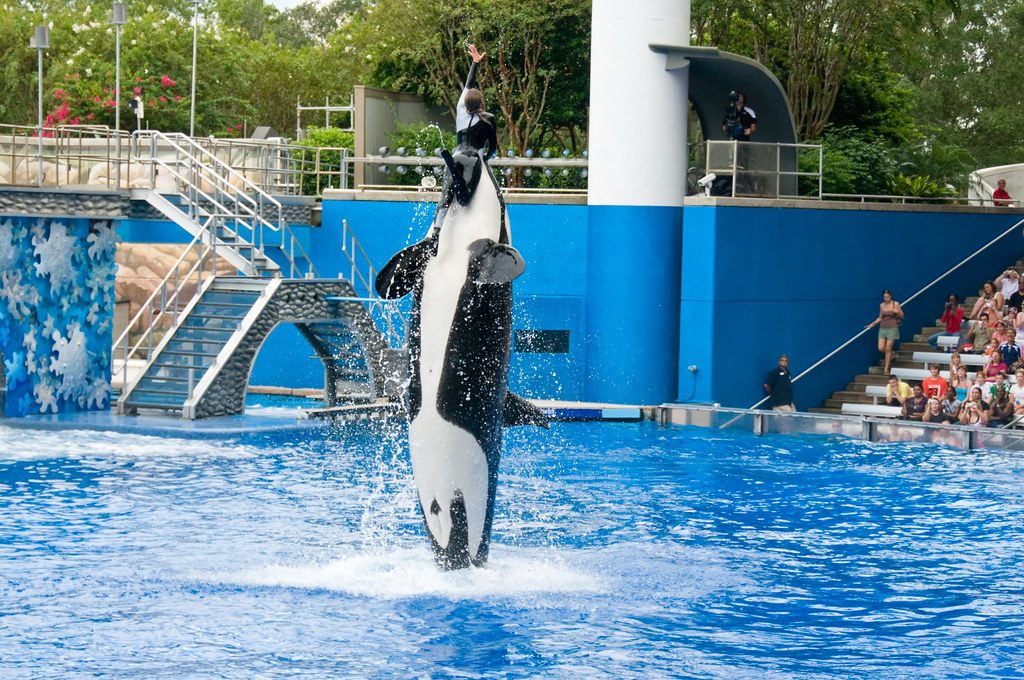
The fatal incident occurred during a performance at SeaWorld Orlando. Witnesses watched in horror as Tilikum grabbed Brancheau and pulled her into the water. Trainers rushed to help, but freeing her proved difficult because of the whale’s enormous size and strength.
Authorities later said trainers had to lift the whale partly out of the water before they could recover her. The medical examiner’s office reported that Brancheau likely died from multiple traumatic injuries and drowning. The tragedy shocked both SeaWorld employees and the many visitors who witnessed the event.
Questions about what triggered the attack
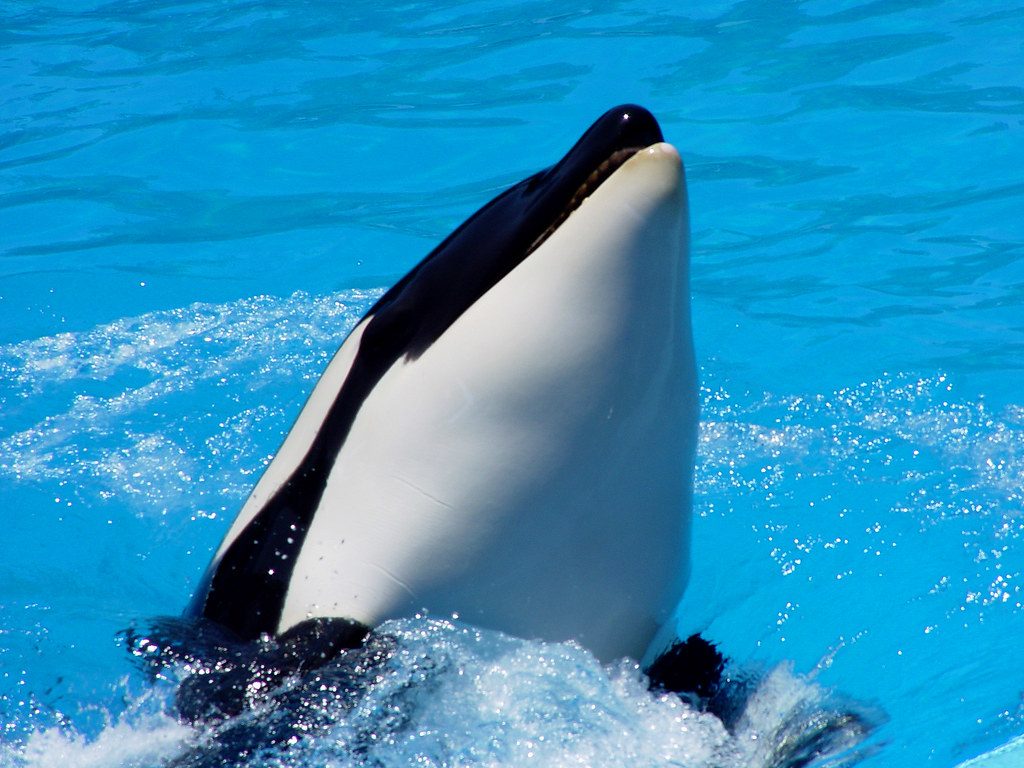
Investigators and SeaWorld officials considered several possible explanations for what happened. One theory suggested that Brancheau’s ponytail may have attracted the whale’s attention. Trainers believed her hair may have brushed the whale’s nose, causing him to focus on it.
Others disagreed with that explanation and argued the whale’s actions were deliberate. Different experts offered divergent views on the behavior, underscoring how difficult it can be to understand the actions of highly intelligent marine animals. No single explanation fully answered all the questions surrounding the incident.
Tilikum’s history raised concerns
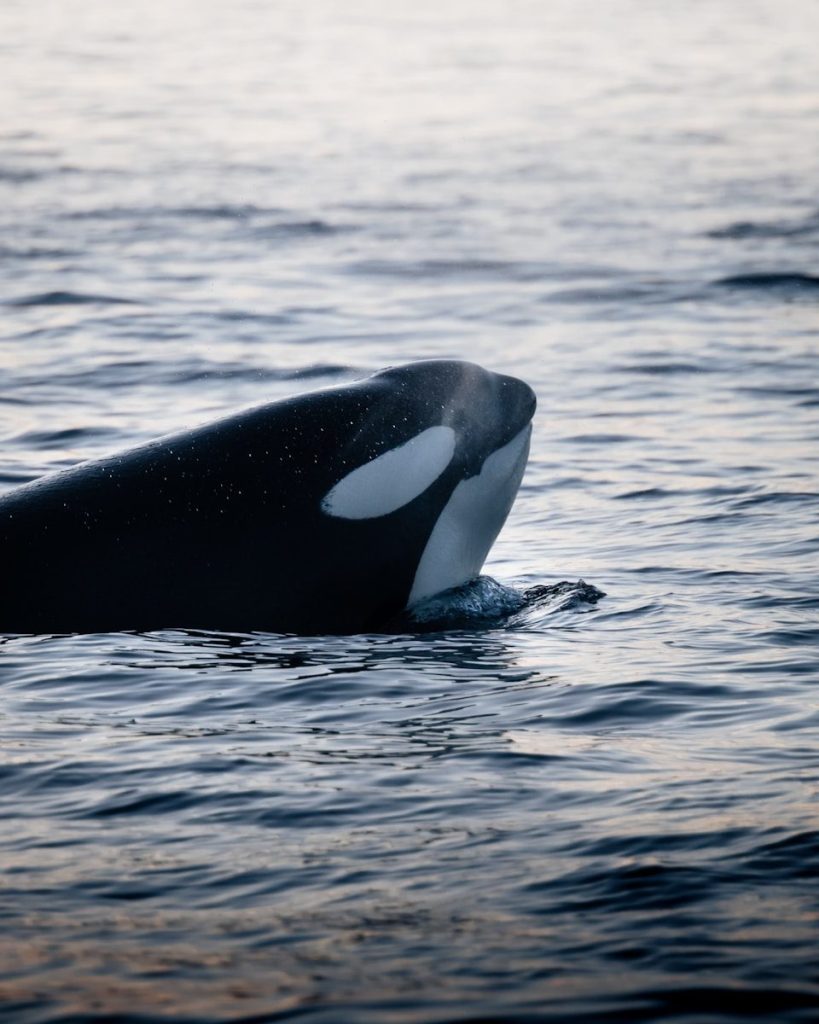
Tilikum was already known because he had been connected to previous deaths before the accident involving Brancheau. In 1991, he was one of three orcas blamed for the death of a trainer at Sealand of the Pacific in Canada after she fell into a pool with the whales.
He was also involved in a 1999 incident at SeaWorld when the body of a man who had entered the park after hours was found on the whale. The man died after ending up in the water, and investigators noted injuries consistent with contact with Tilikum. Because of his size and history, trainers generally were not allowed to enter the water with him, and only a limited number of experienced trainers worked closely with the whale.
The tragedy changed safety discussions
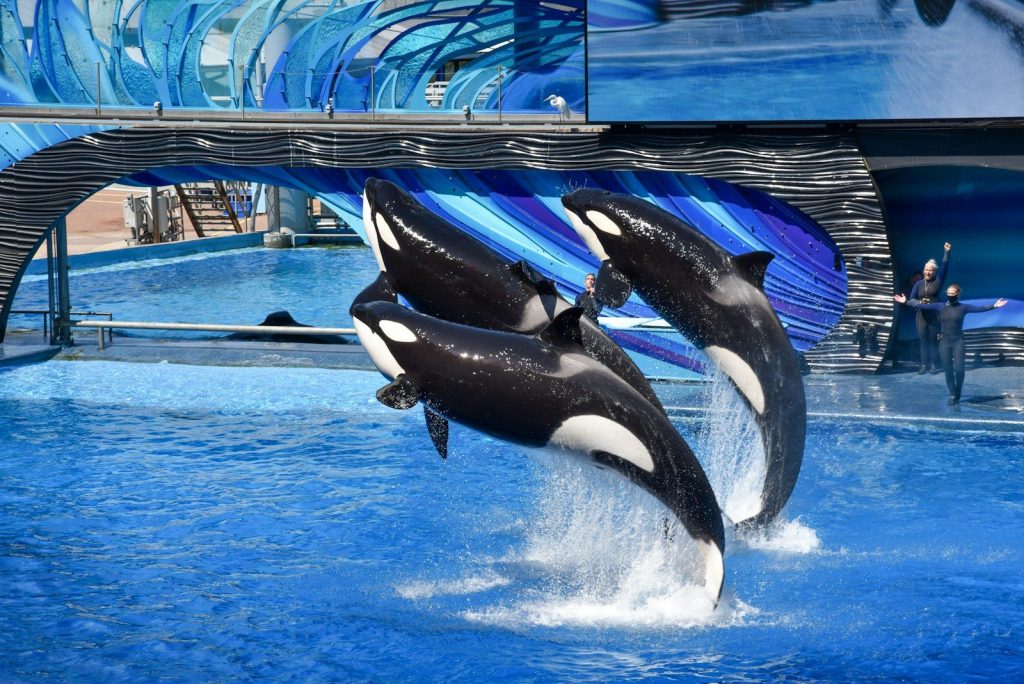
Following the accident, SeaWorld suspended killer whale shows in Orlando and San Diego while reviewing its safety procedures. The company stated that it planned to continue caring for and working with Tilikum, but it would change the way trainers interacted with him in the future.
The incident also renewed attention on previous trainer injuries and deaths involving orcas. In 2006, a trainer at SeaWorld San Diego survived after being bitten and held underwater by a killer whale. Another trainer at the company’s San Antonio park faced a dangerous encounter in 2004. Brancheau’s death became part of a larger debate about trainer safety and the challenges of working with powerful marine animals.
Leave a Reply