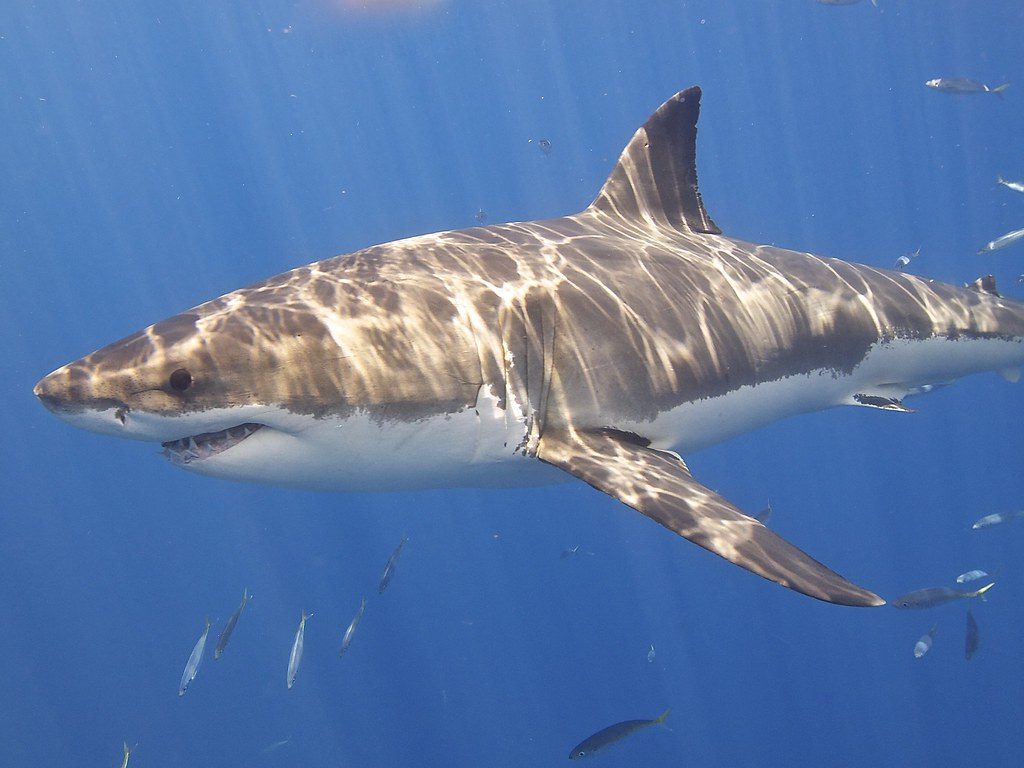
Great white sharks are among the most famous animals in the ocean. Their size, power, and role as top predators have fascinated people for decades. While movies often portray them as fearsome hunters, scientists view them as important parts of healthy marine ecosystems. Florida’s waters attract a wide variety of shark species, and great whites are among the most impressive visitors.
Over the years, researchers have tracked several enormous sharks near the state’s coastline, revealing just how large these animals can become. Some weighed more than a small car, while others stretched longer than many boats. These remarkable sightings offer a closer look at some of the largest great white sharks ever recorded off the coast of Florida.
Why great white sharks attract so much attention
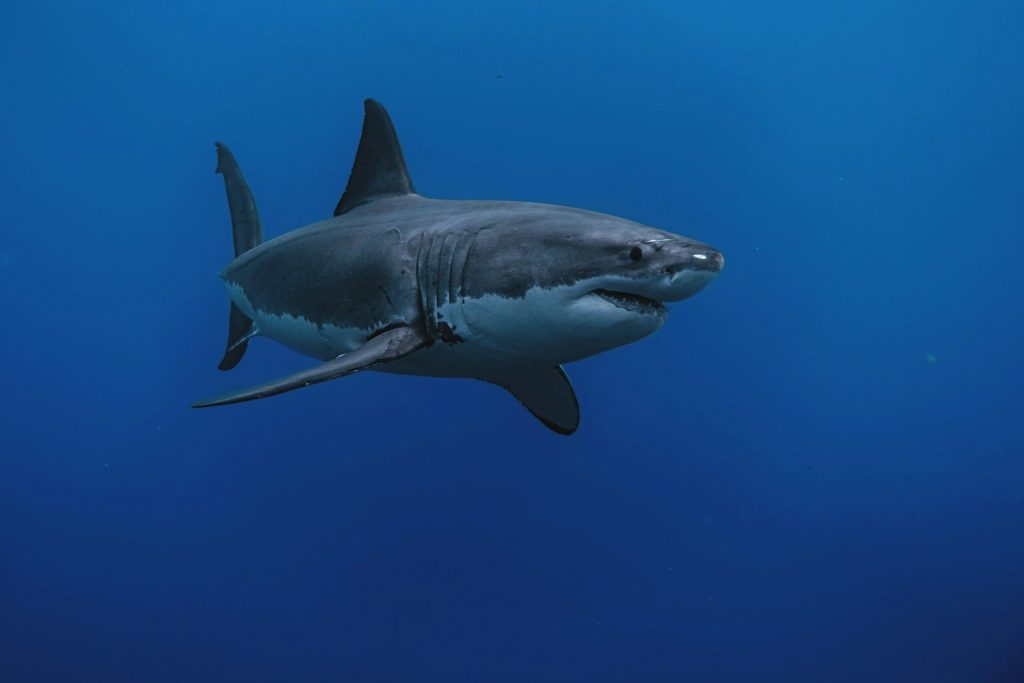
Great white sharks belong to the mackerel shark family and are considered apex predators. They sit near the top of the food chain and play an important role in maintaining balance within marine ecosystems.
Their reputation has also made them one of the most recognized shark species in the world. Stories, documentaries, and movies have helped turn great whites into ocean icons, drawing attention whenever one is spotted near popular coastlines.
Florida is home to visiting giant sharks
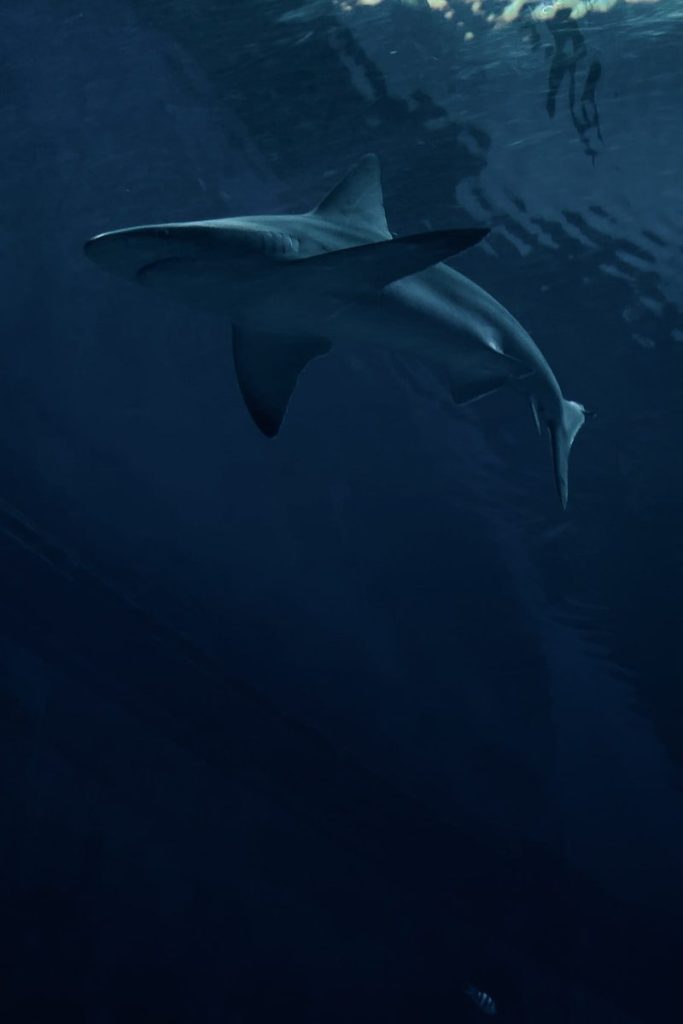
Florida’s coastal waters support an incredible variety of marine life. Dolphins, sea turtles, bull sharks, and countless fish species inhabit the region year-round.
Great white sharks are among the most exciting visitors recorded in these waters. Although they are not seen every day, tracking programs have revealed that some exceptionally large individuals travel along Florida’s coastline during their migrations.
Scot became one of Florida’s largest tracked sharks
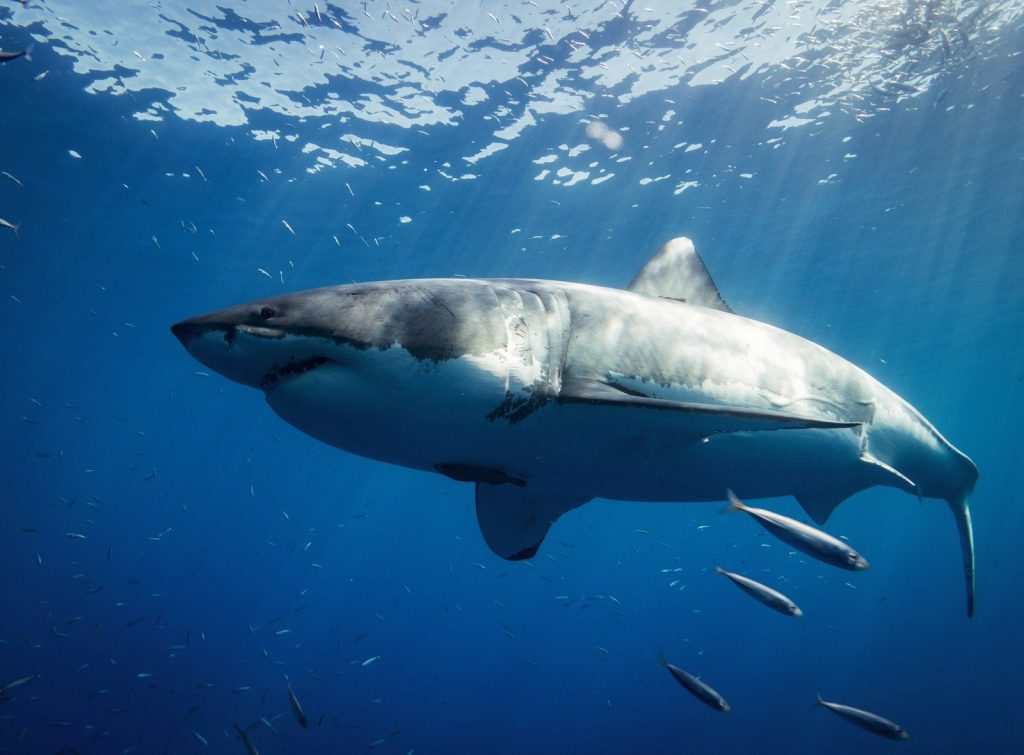
One of the largest great white sharks recorded off Florida was a male named Scot. Researchers tracked him near the Gulf Coast of Florida in March 2022.
Scot measured approximately 12.3 feet long and weighed about 1,644 pounds. His enormous size made him one of the largest great white sharks documented in Florida waters and demonstrated the impressive growth these predators can achieve.
Other giant sharks spotted near Florida
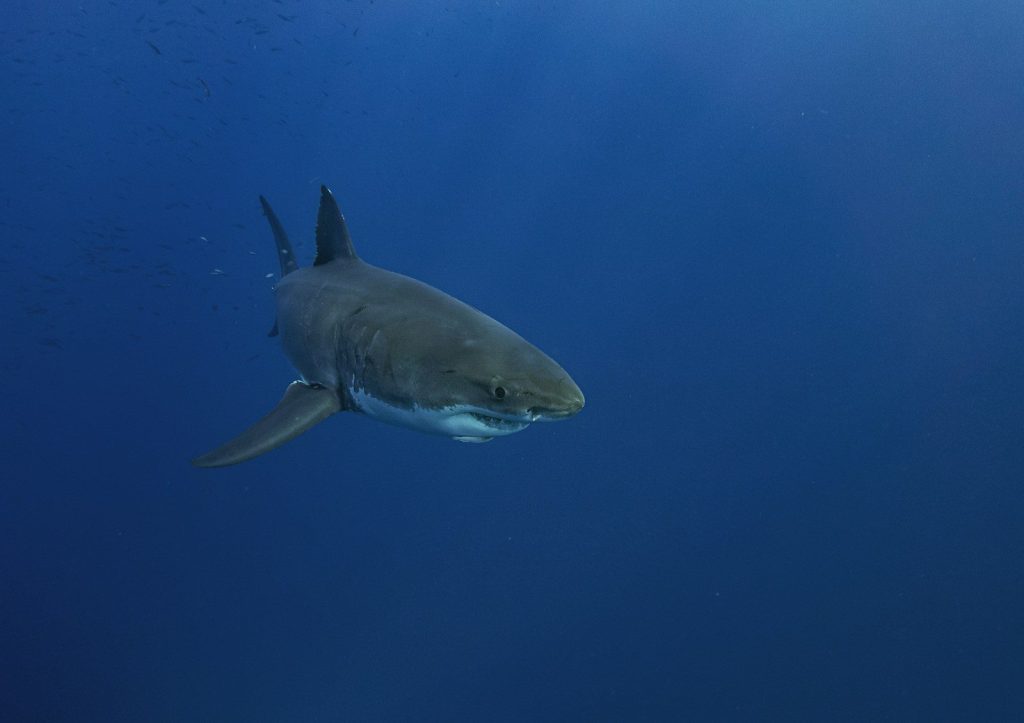
Another notable shark was Breton, a great white that was located about 13 miles off the coast of Port St. Lucie in South Florida. Researchers estimated Breton weighed roughly 1,437 pounds and measured about 13 feet long.
Sable also attracted attention after being tracked along Florida’s coast and throughout parts of the Gulf of Mexico. Measuring around 11.5 feet long and weighing about 900 pounds, Sable was one of several giant sharks helping scientists learn more about migration patterns.
The largest tagged great white shark
Although not found in Florida waters, one shark connected to the same research efforts stood out for its extraordinary size. A shark named Mahone became the largest great white ever tagged by OCEARCH.
Mahone measured approximately 13 feet 7 inches long and weighed around 1,701 pounds. The shark was spotted off North Carolina, demonstrating that some of the largest great whites on the East Coast travel across vast stretches of ocean.
How Florida sharks compare to world record giants
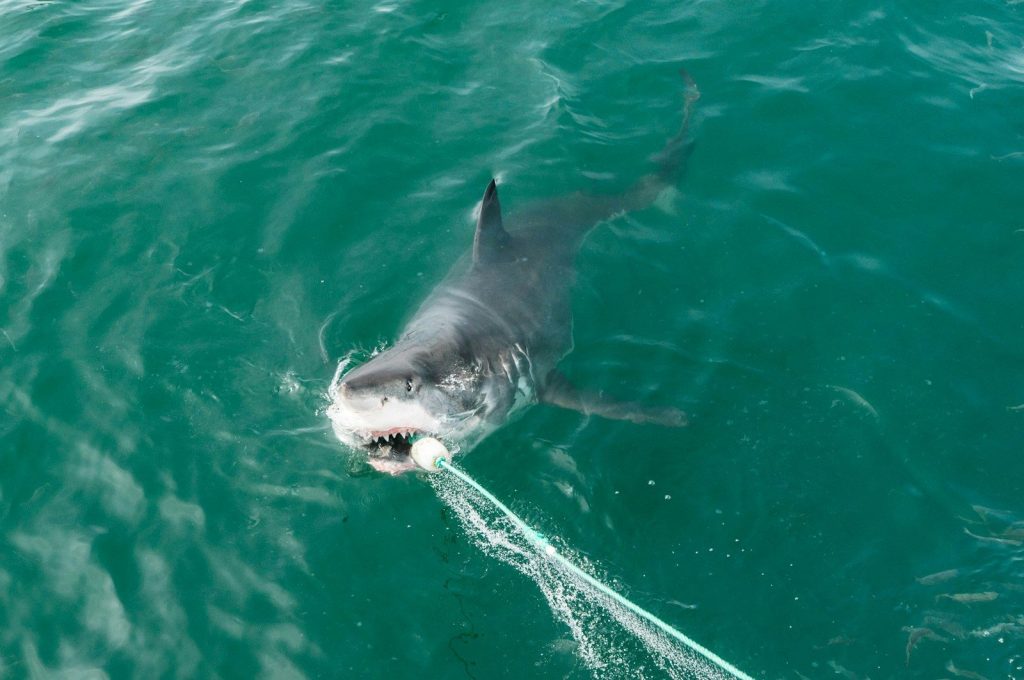
The most famous great white shark ever documented is a female named Deep Blue. Researchers estimate she weighs about 5,000 pounds and measures nearly 20 feet long.
Compared with Deep Blue, even Florida’s largest tracked sharks appear much smaller. However, animals such as Scot, Breton, and Mahone still rank among the most impressive great white sharks ever studied and highlight the incredible size these ocean predators can reach.
Leave a Reply