
A shark attack can change lives in a matter of seconds. For Leah Stewart and her family, that reality became painfully clear after a suspected great white shark attacked her at Coogee Beach in Australia. While the dramatic rescue saved her life, her recovery remains far from certain.
Leah Stewart is still in intensive care and on life support as doctors work to treat her severe injuries. Her family has warned that infection remains one of the biggest threats because her wounds were contaminated with sand and debris during the attack. The incident has also sparked fresh debate about shark safety measures and beach protection policies across Australia.
Leah Stewart remains in critical condition

Leah Stewart continues to receive treatment at St Vincent’s Hospital after suffering serious injuries in the shark attack. According to her family, she has undergone additional complex surgeries involving several specialist medical teams.
Doctors remain concerned about the condition of her wounds. The injuries were contaminated with sand and debris, creating an extreme risk of infection. This complication has added another challenge to an already difficult recovery process as medical staff works to stabilize her condition.
Community support grows during recovery

As Stewart continues her fight for recovery, support from the community has poured in. More than $420,000 has been donated to help her family cope with the challenges ahead.
The support has gone beyond financial contributions. Friends, strangers, and local residents have provided meals, messages of encouragement, and decorations for her hospital room. These gestures have helped lift her family’s spirits during an incredibly difficult time.
The terrifying attack at Coogee Beach
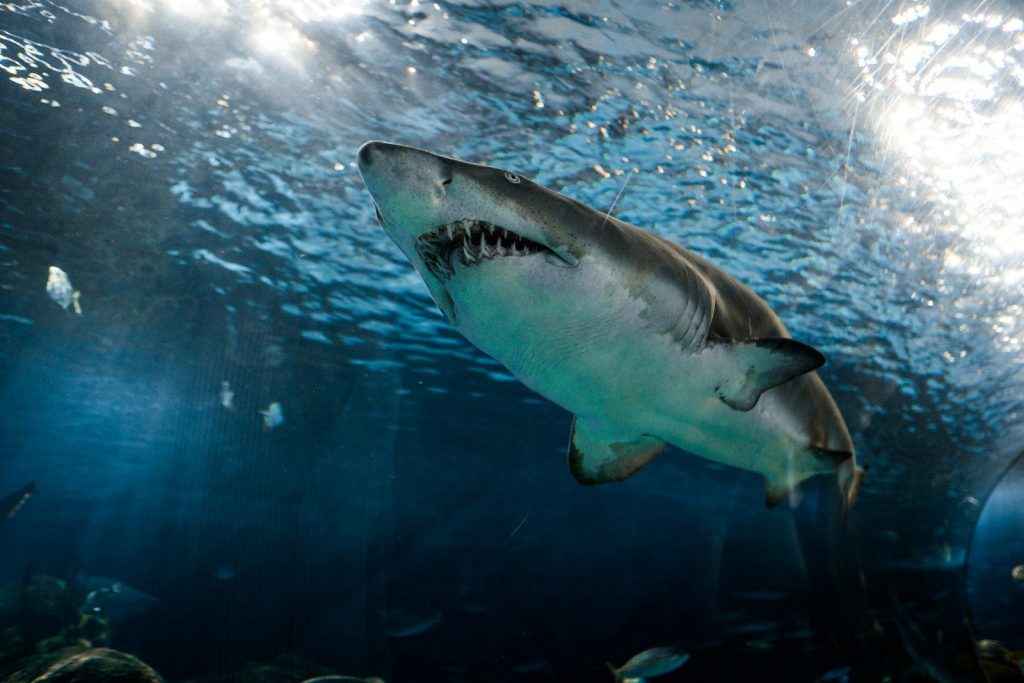
The attack occurred on June 13 while Stewart was swimming at Coogee Beach. Reports indicate she was less than 30 meters from shore and inside the designated safety flags when the incident happened.
Witnesses described seeing blood in the water as panic spread across the beach. The shark involved is believed to have been a great white measuring about 3.5 meters in length. The incident shocked beachgoers because it happened in an area where swimmers generally expect a higher level of safety.
A heroic rescue saved her life
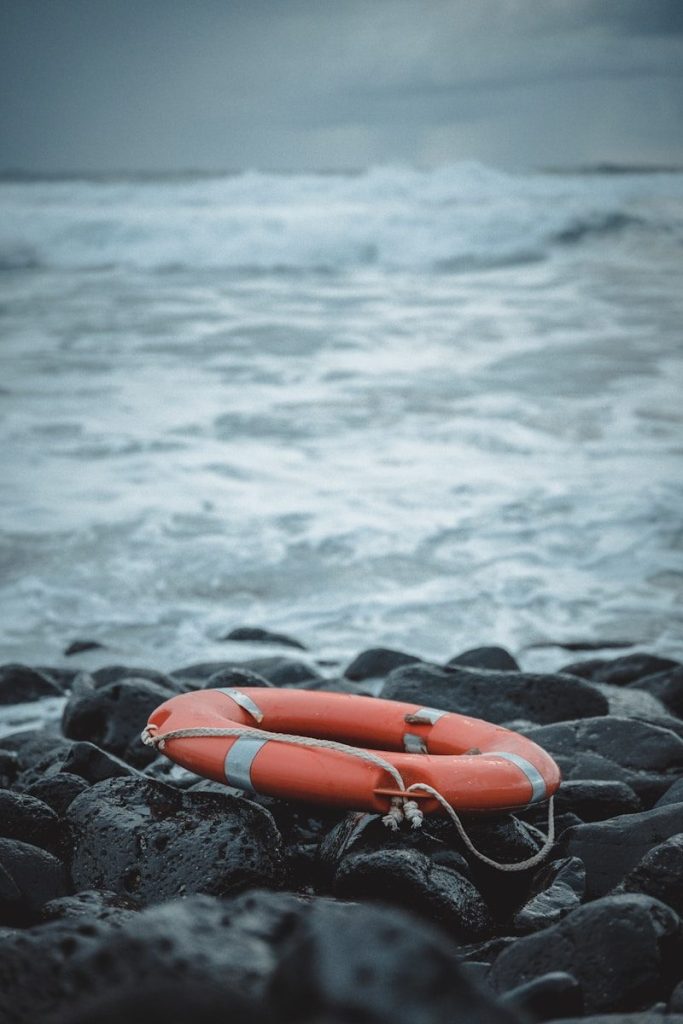
One of the most remarkable parts of the story was the response from those nearby. Off-duty lifeguard Charlie Verco quickly entered the water and paddled toward Stewart despite the dangerous conditions.
After reaching her, Verco pulled Stewart onto his paddleboard and brought her back to shore. Once on the beach, bystanders and an off-duty doctor helped provide emergency care, including the use of life-saving tourniquets. Their quick actions are widely credited with helping keep her alive until professional medical teams arrived.
Debate grows over shark safety measures
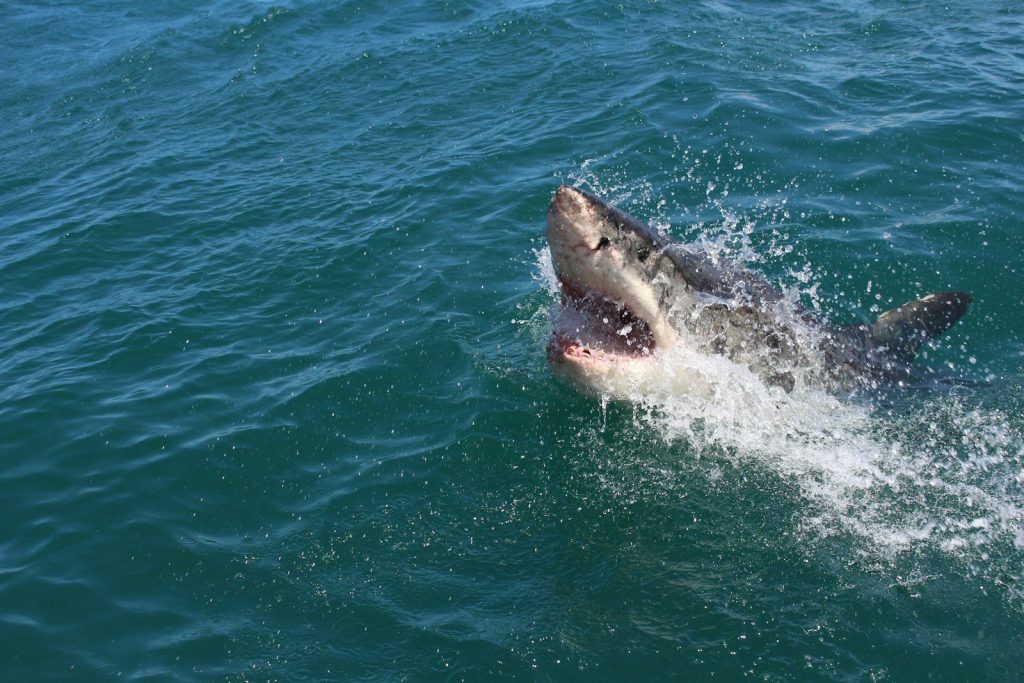
The attack has reignited discussion about how authorities should respond to shark incidents. Former Australian Prime Minister Tony Abbott called for a shark cull, arguing that public safety should come first.
However, New South Wales Premier Chris Minns rejected the proposal. He pointed to the protected status of great white sharks and said there is no clear evidence that culling would improve swimmer safety. Marine scientists have also argued that shark behavior is complex and that removing sharks may not reduce future attacks.
Emergency surveillance and future concerns
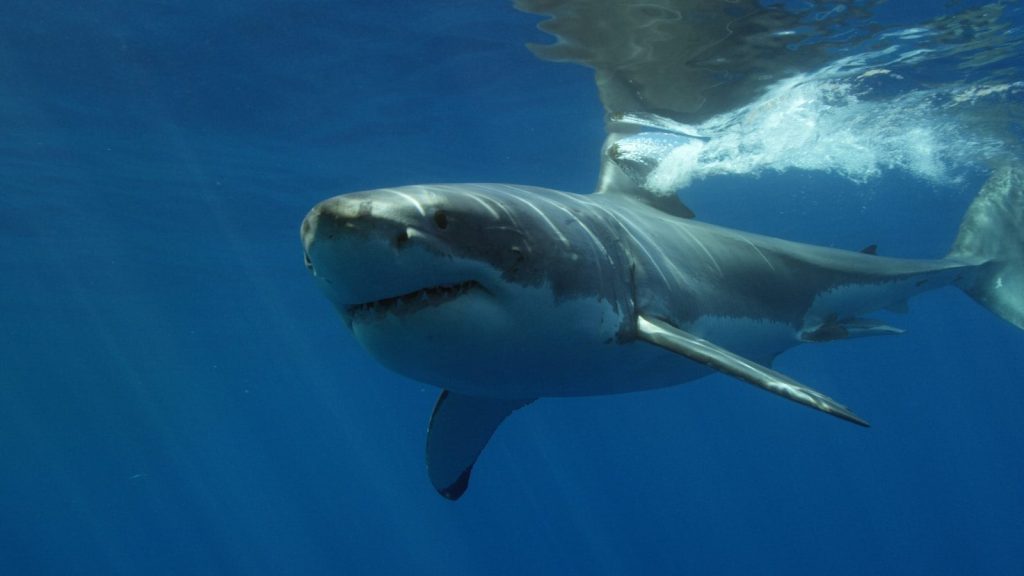
Following the attack, authorities approved temporary drone surveillance at Coogee Beach. Drones were not operating at the location when the incident occurred because the area lies beneath a flight path.
The attack also comes during a year that has seen an unusually high number of shark-related fatalities in Australia. By mid-June 2026, four fatal shark incidents had already been recorded, exceeding the country’s typical annual average. Experts believe environmental factors, including water conditions and prey movement, may be affecting shark activity near popular beaches, leading to renewed calls for expanded monitoring and prevention efforts.
Leave a Reply