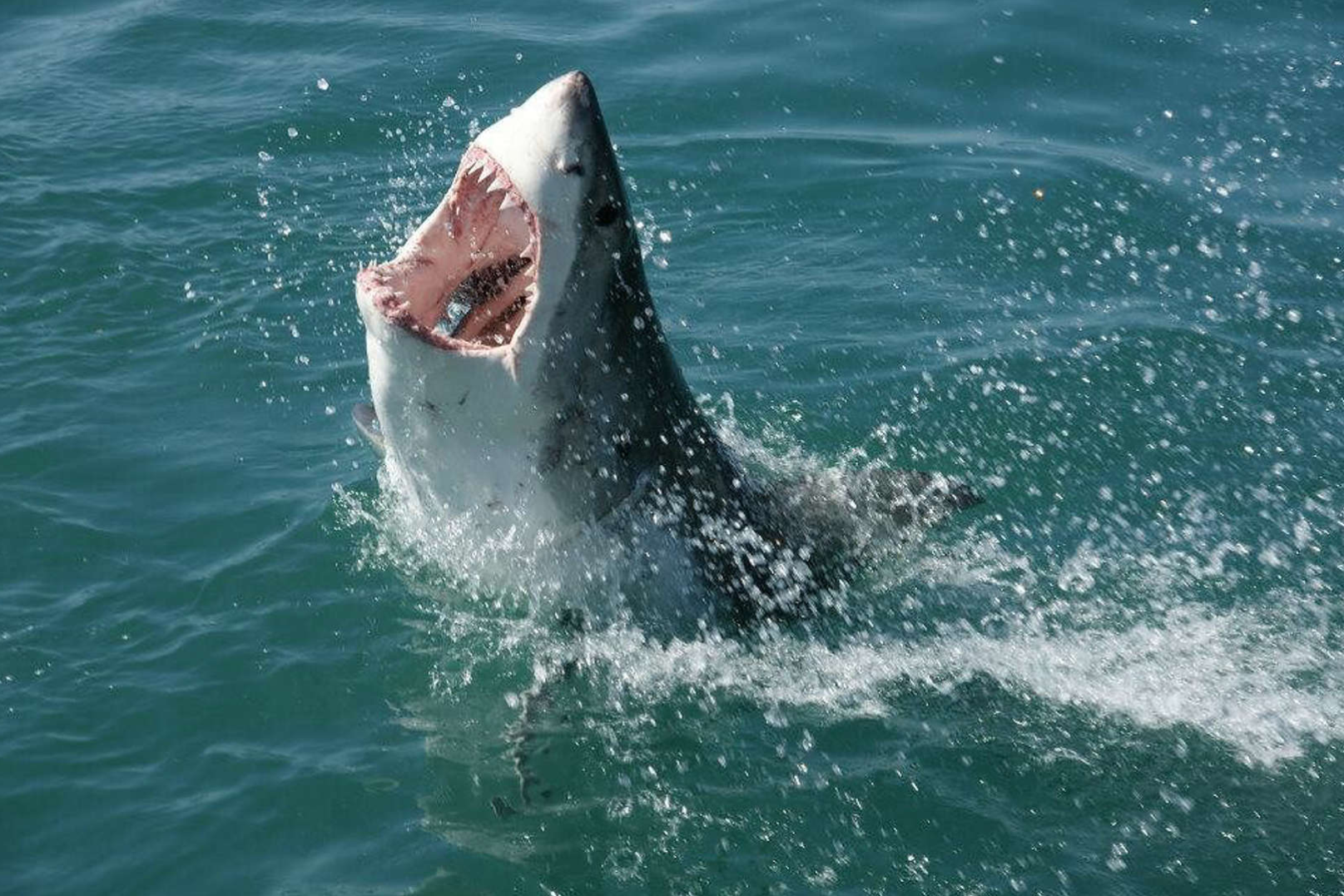
Sharks have been swimming through Earth’s oceans for hundreds of millions of years. They are among the oldest groups of animals still alive today and have become symbols of ocean life through documentaries, research, and popular culture. Because sharks seem so familiar, many people assume scientists fully understand how they are related to one another.
However, new genetic research suggests the story may be far more complicated. By studying the genomes of nearly 40 shark species, researchers uncovered evidence that challenges long-held assumptions about shark evolution. The findings suggest some animals traditionally called sharks may belong to a distinct evolutionary branch, potentially changing how scientists understand one of the ocean’s most famous groups.
Sharks have an ancient history
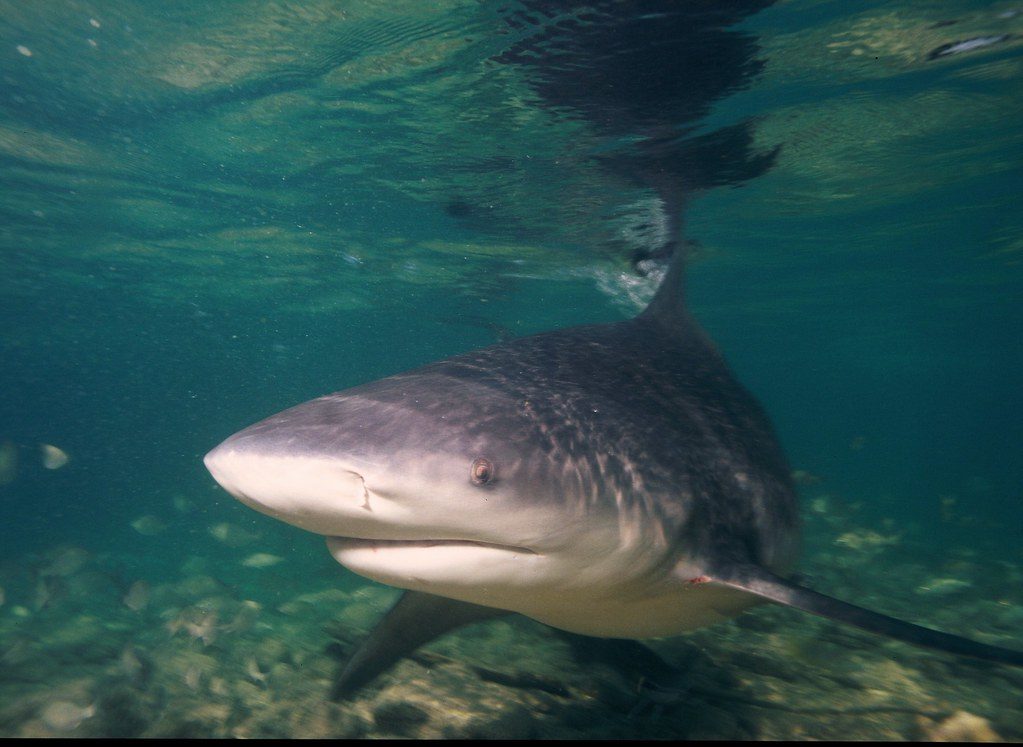
Shark-like fish are believed to have appeared around 450 million years ago. This means they existed long before many other familiar forms of life and have survived multiple mass extinction events throughout Earth’s history.
Their long evolutionary journey has allowed sharks to diversify into many forms. Today, they are found in oceans worldwide and include species ranging from small bottom-dwelling sharks to large apex predators such as the great white shark.
Scientists studied dozens of shark genomes
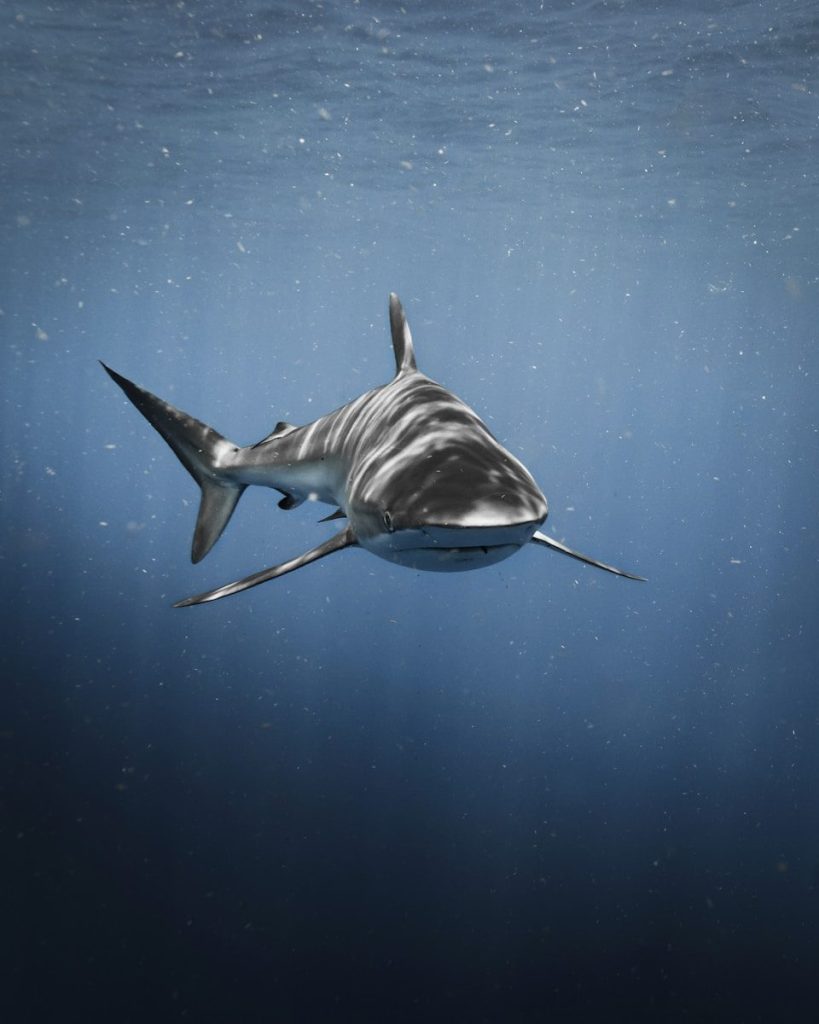
To better understand shark relationships, researchers analyzed 38 published shark genomes. Genomes contain genetic information that can reveal how species are related and when different evolutionary branches emerged.
The study focused on comparing major groups of sharks, skates, and rays. By examining genetic similarities and differences, researchers were able to build a more detailed picture of how these animals evolved over time.
Rays and skates may be closer to sharks than expected

One of the study’s most surprising findings involved skates and rays. Traditionally, these animals have been viewed as separate from sharks despite belonging to the same broader group of cartilaginous fish.
The genetic evidence suggested that rays and skates may actually be more closely related to many sharks than certain species currently classified as sharks. This finding challenges the traditional understanding of shark ancestry and evolutionary relationships.
Some sharks may represent a separate lineage
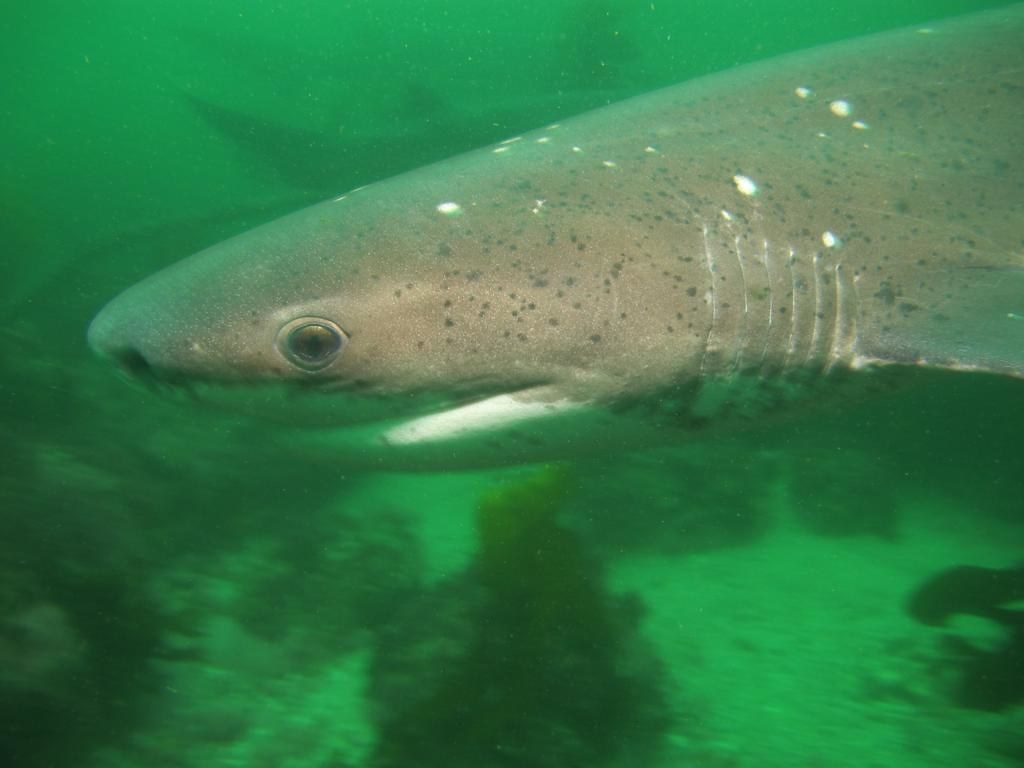
The study identified a group, the hexanchiform sharks, which includes frilled and cow sharks, as evolutionarily distinct from other sharks. These species possess several unusual physical traits compared with more familiar shark species.
Characteristics such as additional gill openings, primitive jaws, and eel-like bodies have long set them apart visually. The genetic analysis now suggests those differences may reflect a much deeper evolutionary separation than previously recognized.
What it means to be paraphyletic
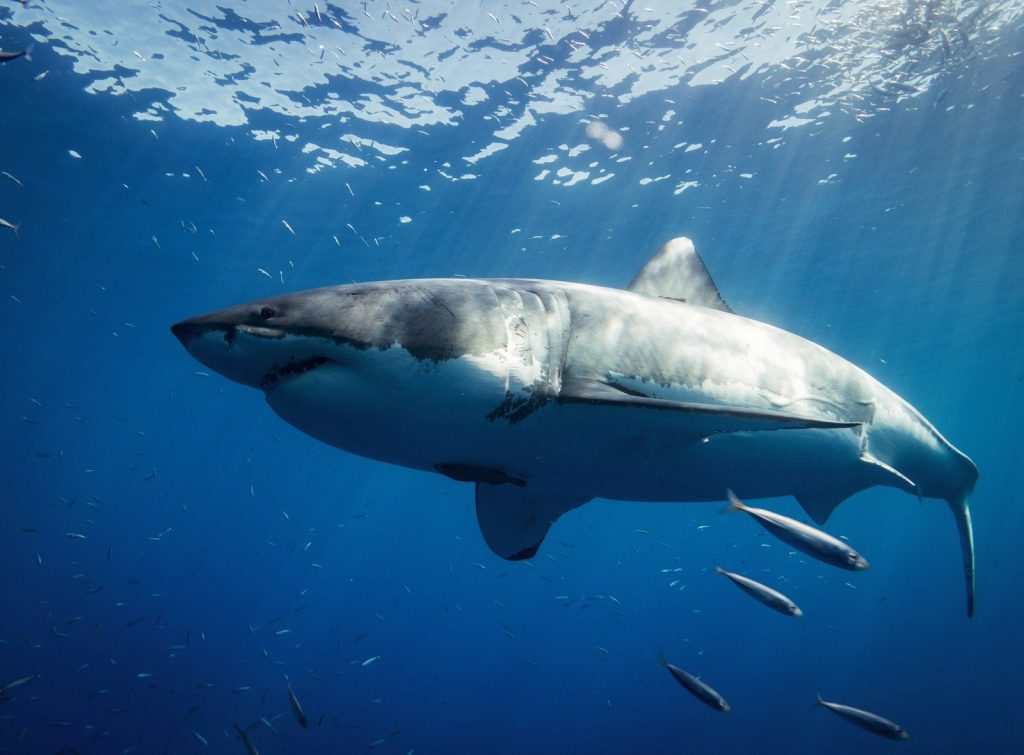
Researchers concluded that sharks may form a paraphyletic group. In simple terms, this means the group shares a common ancestor but does not include all descendants of that ancestor.
If this interpretation is correct, some animals traditionally considered separate from sharks, such as rays and skates, may belong within a broader shark lineage. Meanwhile, certain shark species may occupy a more distant branch of the evolutionary tree.
Why the discovery matters
Genetic research continues to transform how scientists understand the history of life. As new technologies enable researchers to examine genomes in greater detail, long-accepted classifications can be tested and, in some cases, revised.
The findings also highlight the importance of studying species that face conservation challenges. Understanding evolutionary relationships helps scientists better appreciate biodiversity and may support efforts to protect ancient lineages that have survived for hundreds of millions of years.
Leave a Reply