Great white sharks are among the most famous predators in the ocean. Growing beyond 20 feet in length and weighing thousands of pounds, they are often viewed as the ultimate marine hunter. Their powerful bodies, sharp teeth, and global distribution have helped build a reputation that few sea creatures can match. Yet even these impressive predators are not the largest animals to inhabit the oceans. Both ancient and modern seas have been home to creatures that far exceeded great whites in size. From giant prehistoric sharks to massive whales, these ocean giants demonstrate just how enormous life beneath the waves can become.
Great white sharks are impressive predators
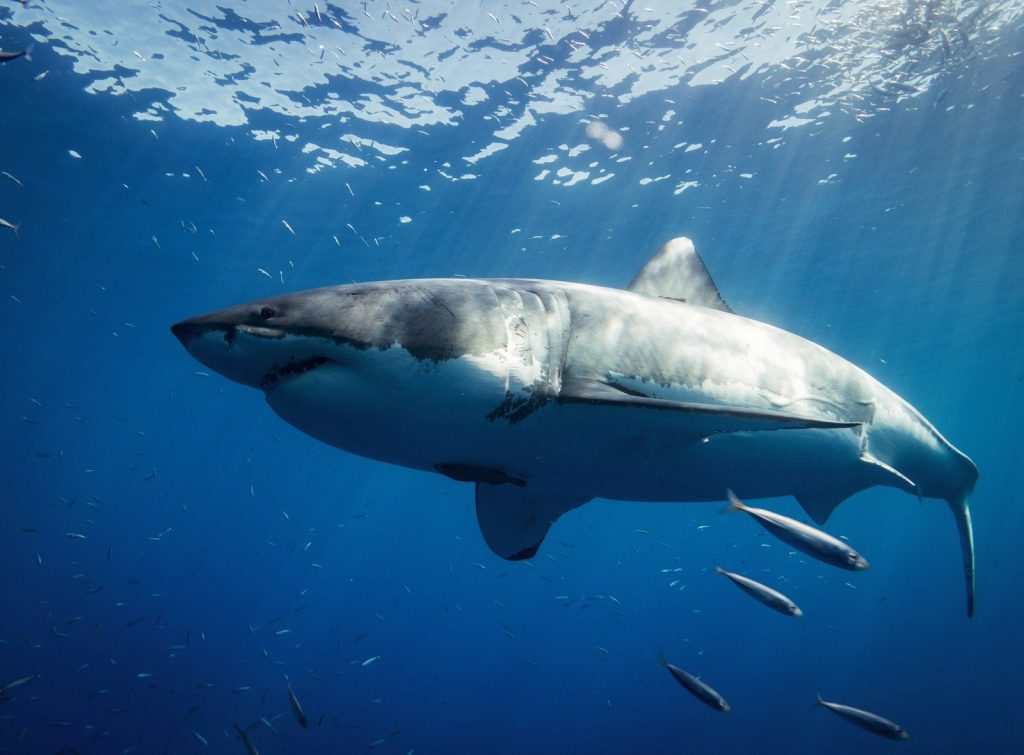
Great white sharks have streamlined bodies designed for speed and power. Their torpedo-shaped form helps them move efficiently through the water while hunting a wide variety of prey.
Another remarkable feature is their teeth. Great whites can have up to 300 serrated teeth arranged in rows, with new teeth continuously replacing old ones throughout their lives. These adaptations have helped make them one of the ocean’s most successful predators.
Megalodon was the largest shark ever known
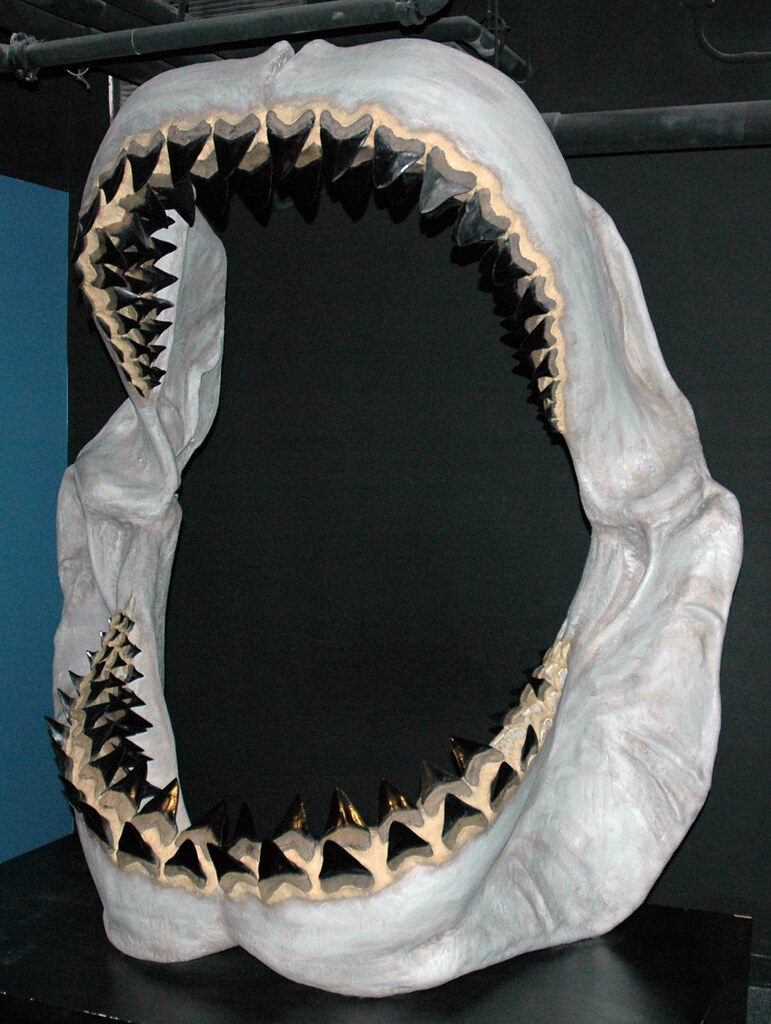
Megalodon lived from about 23 million to 6 million years ago and remains the largest shark known to science. Fossil evidence suggests some individuals reached lengths of nearly 59 feet, while estimates place the largest specimens at more than 80 feet.
The giant predator also possessed enormous teeth measuring roughly six to seven inches in length. With estimated weights ranging from 60,000 to 100,000 pounds, megalodon was far larger than any shark alive today.
Mosasaurus ruled ancient seas
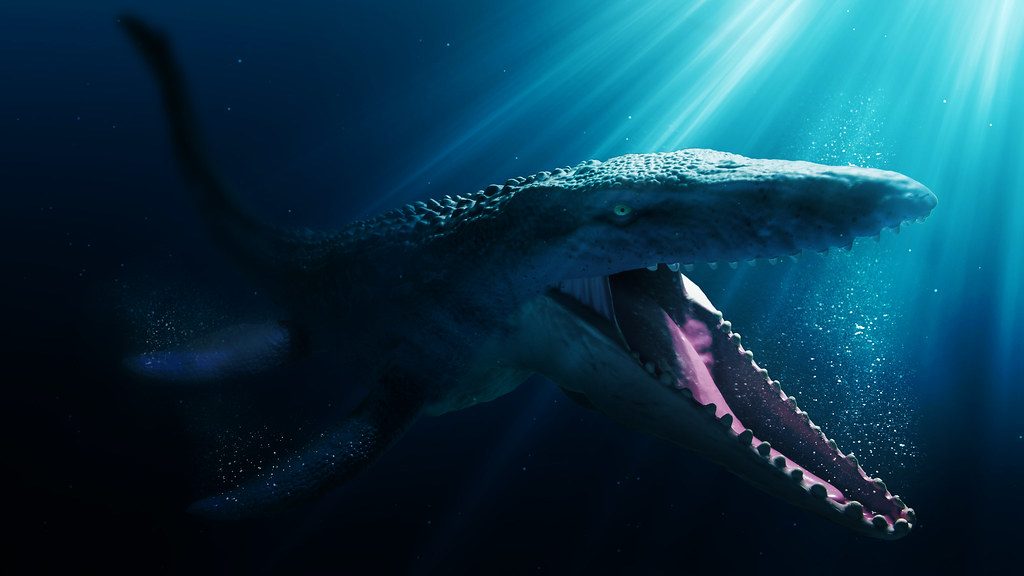
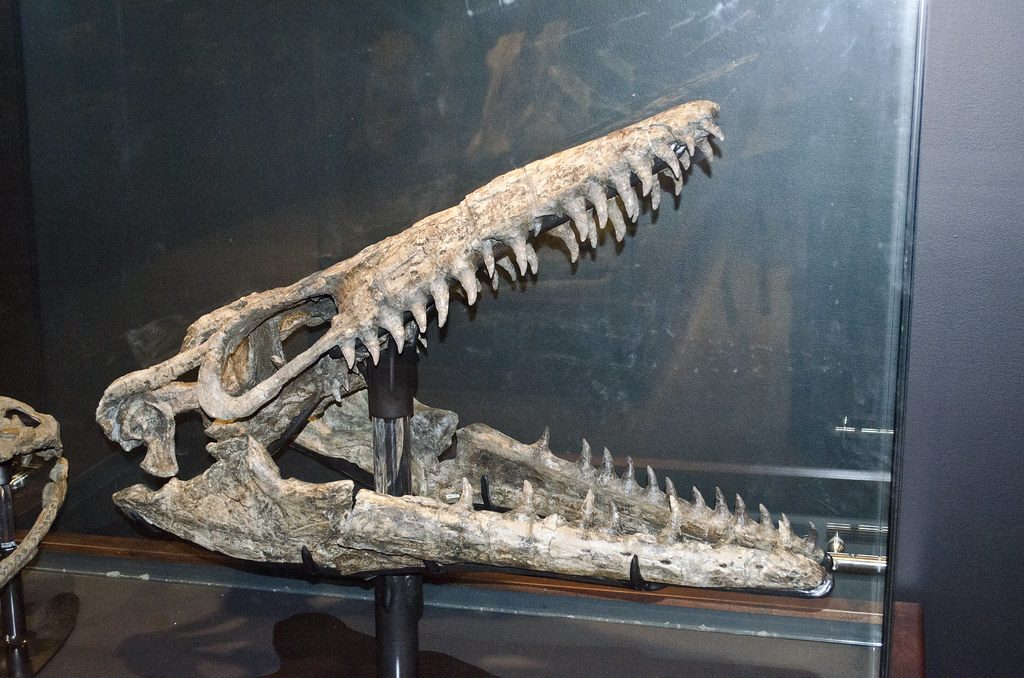
Mosasaurus was not a shark but a gigantic marine reptile that lived during the Late Cretaceous period. Scientists estimate these animals measured between 46 and 56 feet long and weighed more than 30,000 pounds.
The species was highly adapted to life in the ocean. Paddle-like limbs, a powerful tail, and double-hinged jaws allowed Mosasaurus to move efficiently and swallow large prey. Fossils show that it inhabited many parts of the world before disappearing around 65 million years ago.
Livyatan was a giant prehistoric predator
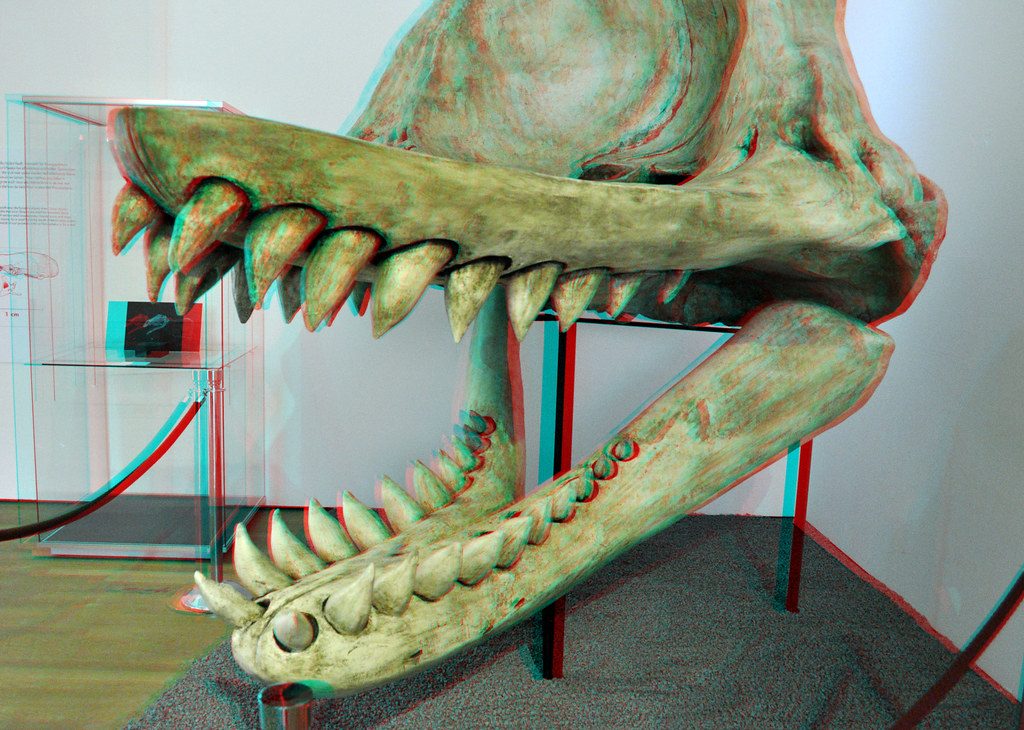
Livyatan was an enormous marine mammal that lived during the Miocene epoch. Based on fossil evidence, researchers estimate it reached lengths between 44 and 57 feet and may have weighed as much as 120,000 pounds.
One of its most striking features was its massive teeth. Some measured nearly one foot long, making them among the largest teeth ever discovered in an animal. These powerful jaws helped establish Livyatan as one of the ocean’s most formidable predators.
Blue whales are the largest animals ever
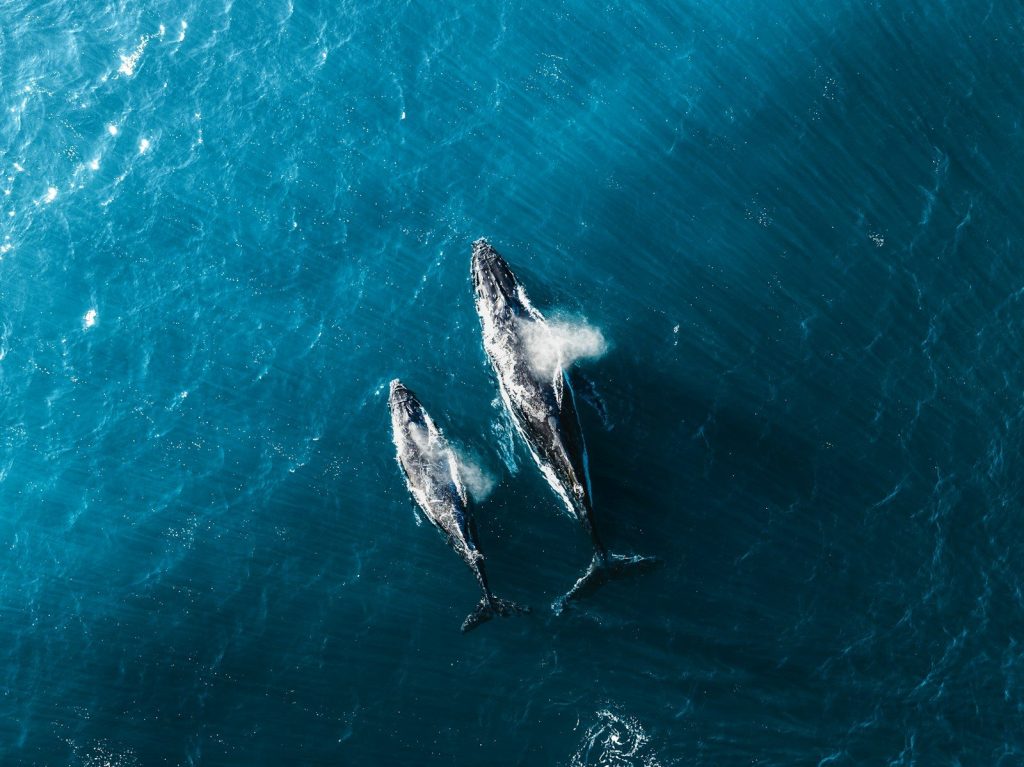
While many ancient sea monsters were enormous, none surpassed the blue whale. This species is not only the largest living animal but also the largest animal known to have existed on Earth.
Blue whales commonly grow to around 100 feet long and can weigh as much as 200 tons. The largest recorded individual weighed more than 418,000 pounds. Despite their incredible size, these giants primarily feed on tiny krill filtered through baleen plates rather than hunting large prey.
Why ocean giants continue to fascinate scientists
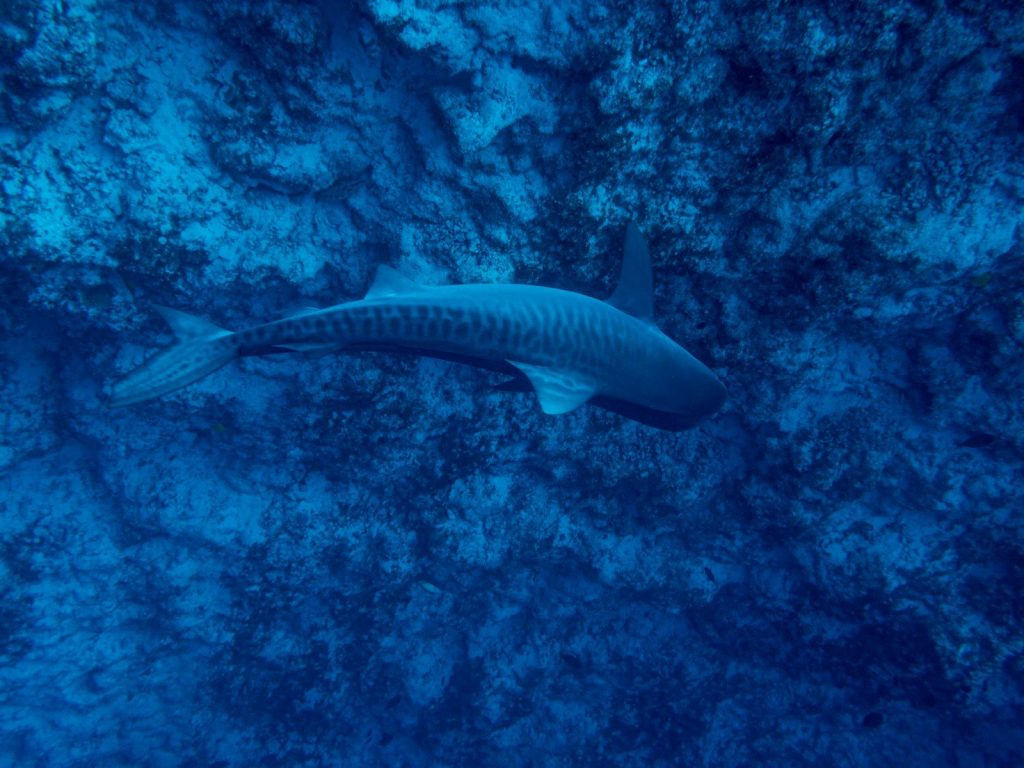
The enormous size of these marine animals highlights the extraordinary diversity of life that has existed in Earth’s oceans. Each species developed unique adaptations that enabled it to thrive in different environments and across different periods of history.
Comparing these giants with great white sharks helps put marine life into perspective. While great whites remain among the ocean’s most impressive predators, they are only one part of a much larger story filled with truly colossal creatures.
Leave a Reply