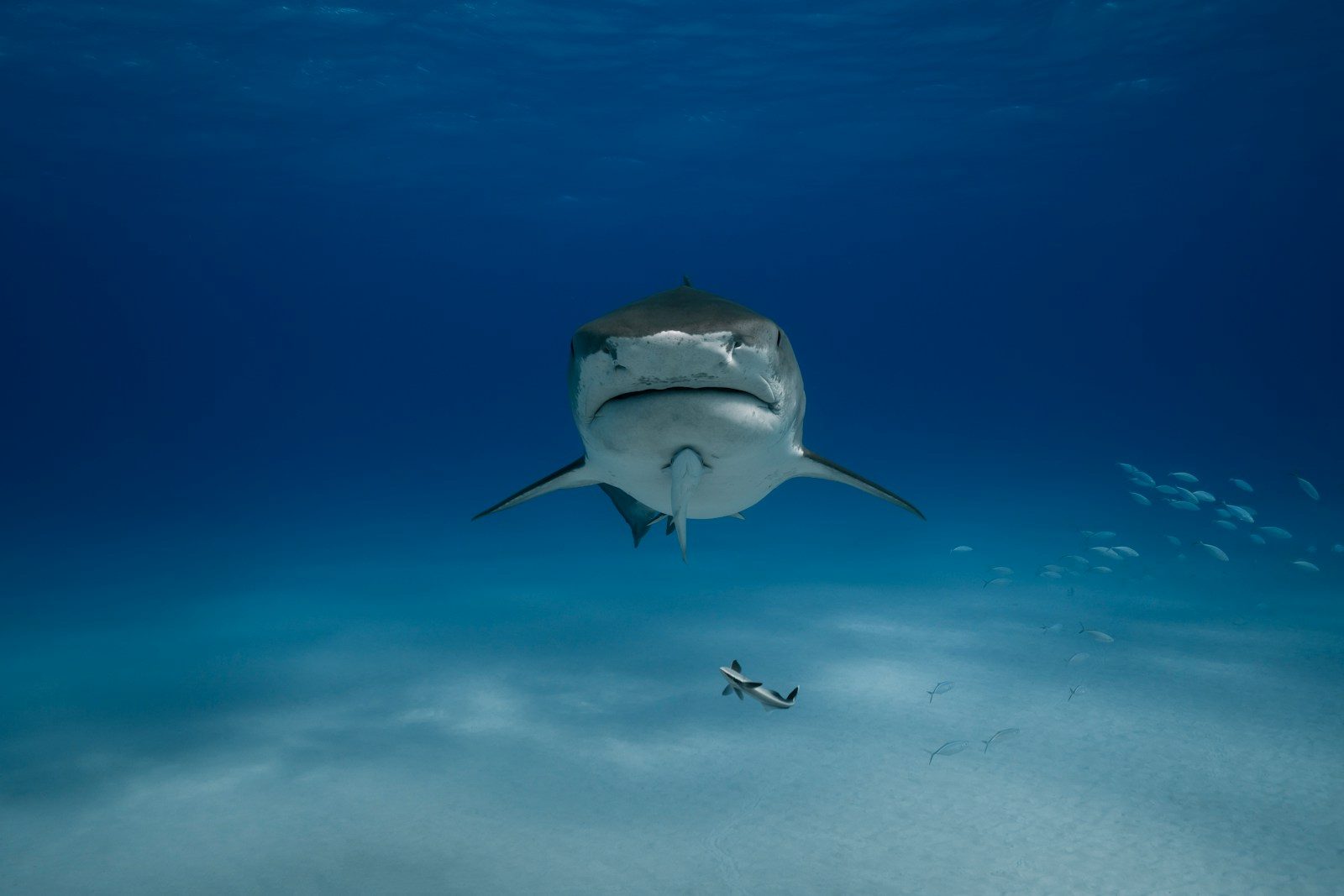
Shark attacks are among the most feared events in the ocean, yet they remain extremely rare. Millions of people enter the water every year without ever encountering a shark. Even so, certain coastal regions experience more shark attacks than others. Scientists believe this occurs due to a combination of environmental conditions, prey availability, and the presence of specific shark species.
Around the world, a small number of locations have earned reputations as shark attack hotspots. Understanding why these areas experience more encounters can help people better appreciate both the risks and the realities of sharing the ocean with some of its most powerful predators.
Great white sharks are involved in many attacks
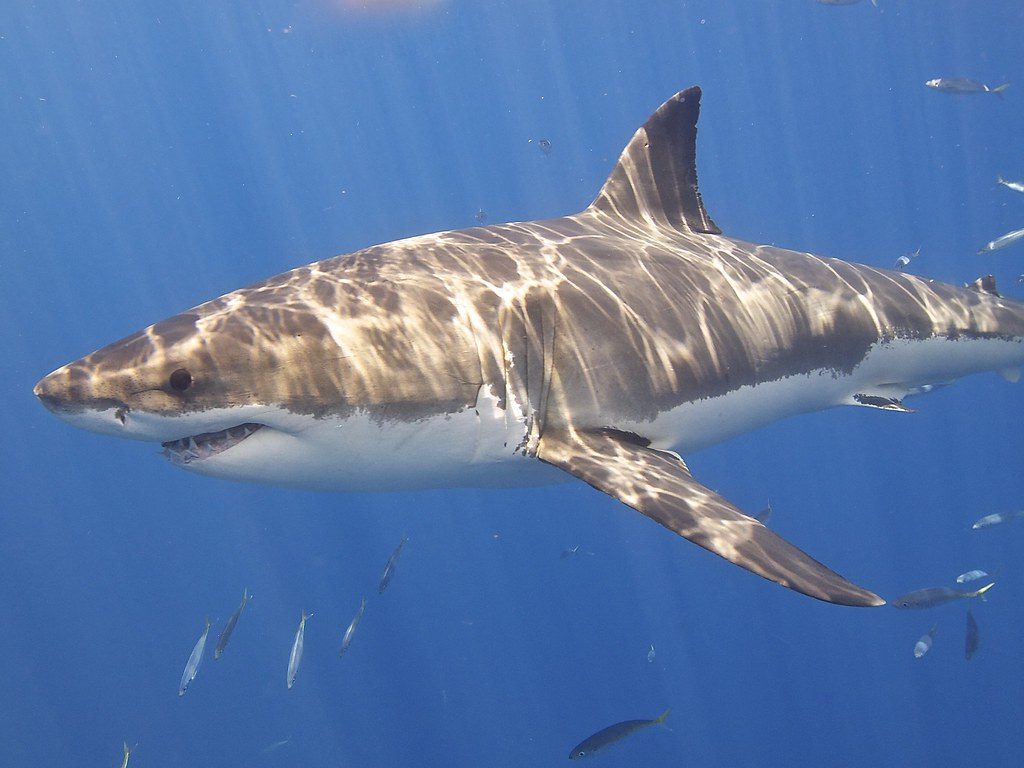
Great white sharks are among the most recognizable predators in the world. Their large size, powerful jaws, and wide distribution make them one of the species most commonly associated with shark attacks.
These sharks often inhabit coastal waters where seals and other prey are abundant. Because they frequently use areas that overlap with human activities, such as surfing and swimming, encounters sometimes occur even though the species does not actively seek out humans as prey.
Bull sharks thrive in coastal environments
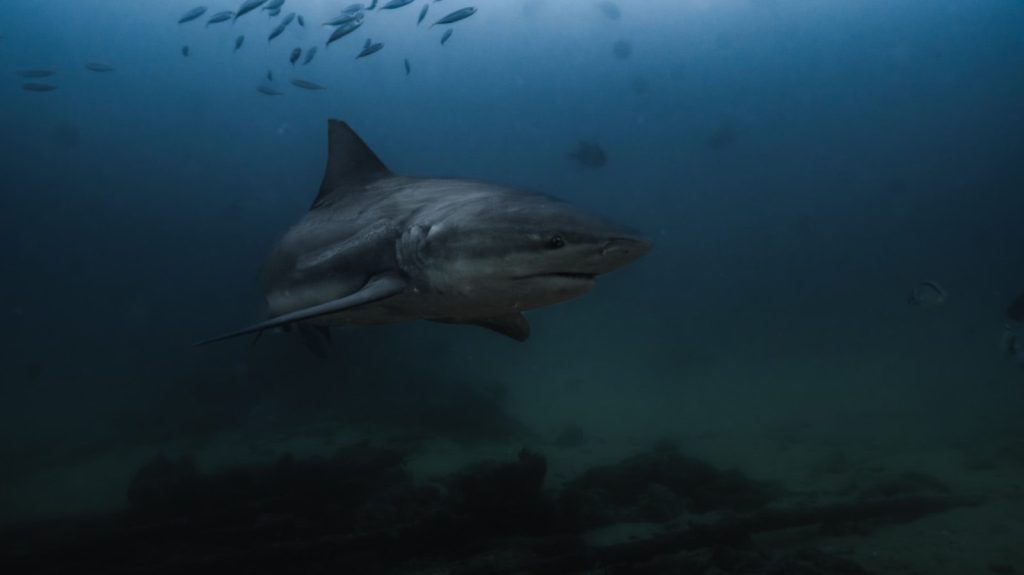
Bull sharks are another species frequently linked to shark attacks. Unlike many sharks, they can tolerate both saltwater and freshwater, allowing them to travel into rivers, estuaries, and coastal habitats.
Their ability to occupy shallow water increases the likelihood of encounters with people. Bull sharks are often found near beaches and coastal communities, making them one of the species most often involved in attacks on humans.
Tiger sharks are powerful ocean predators
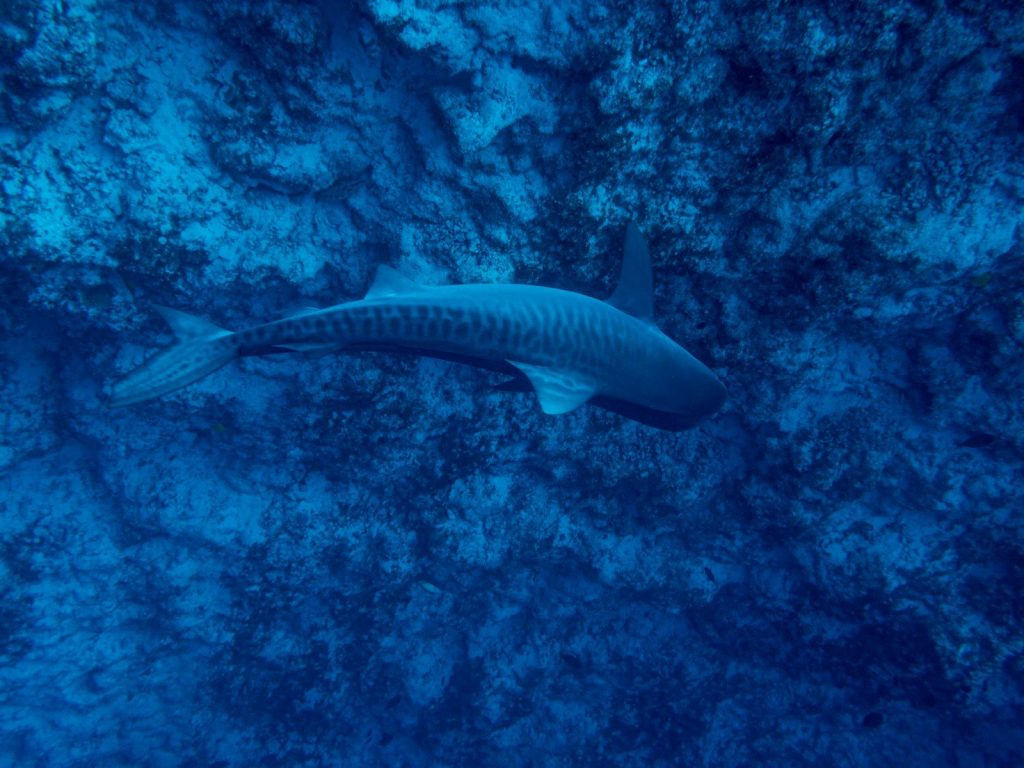
Tiger sharks rank among the most successful hunters in the ocean. They have a broad diet and can feed on a wide range of marine animals.
Because of their size and feeding behavior, tiger sharks are responsible for a significant number of recorded shark attacks worldwide. Regions where tiger sharks are common are often monitored closely by researchers and coastal authorities.
Prey abundance attracts sharks to certain areas
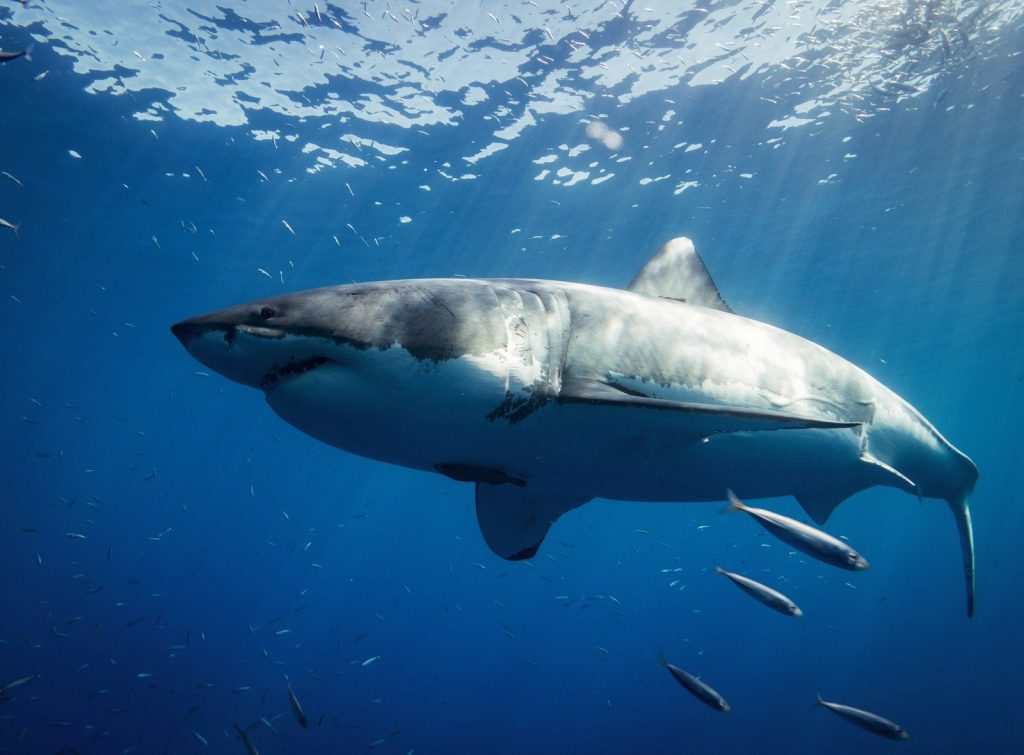
One reason shark attack hotspots develop is the availability of food. Areas with large populations of fish, seals, sea turtles, or other prey species naturally attract predators.
When sharks gather in areas rich in food, the risk of human encounters can increase. This does not mean sharks are targeting people. Instead, both humans and sharks may simply be using the same coastal environment simultaneously.
Environmental conditions also play a role
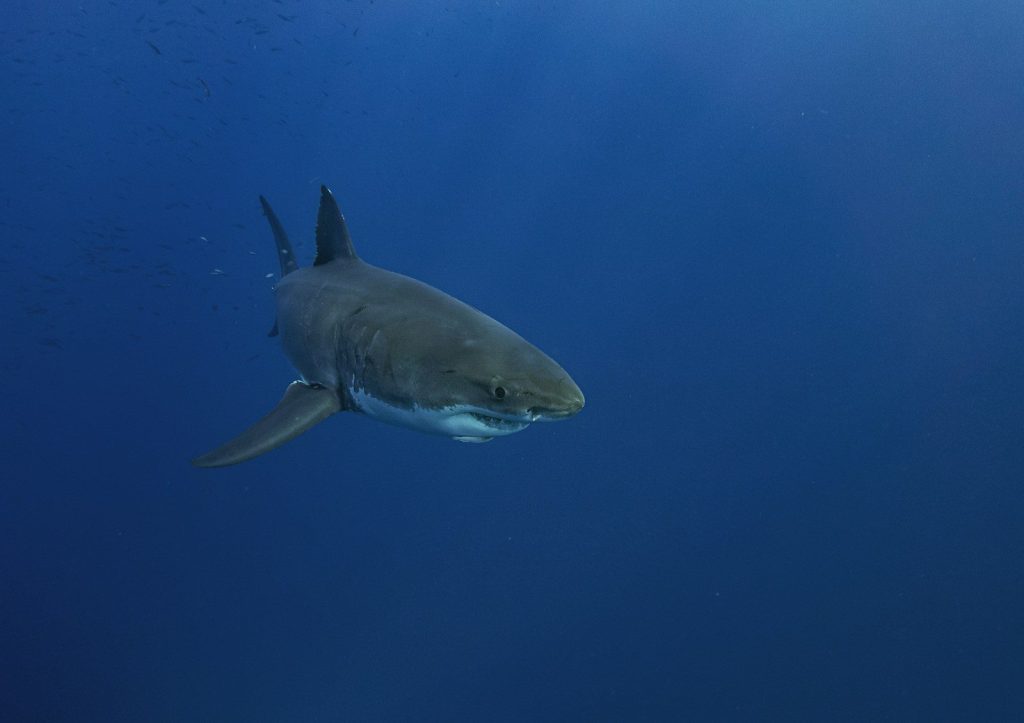
Water temperature, ocean currents, visibility, and seasonal migrations can all influence shark behavior. Certain regions provide ideal conditions that attract sharks during specific times of the year.
As sharks move through these habitats, they may come into contact with swimmers, surfers, divers, and fishermen. Understanding these environmental patterns helps researchers identify areas where encounters are more likely to occur.
Most shark encounters end without injury
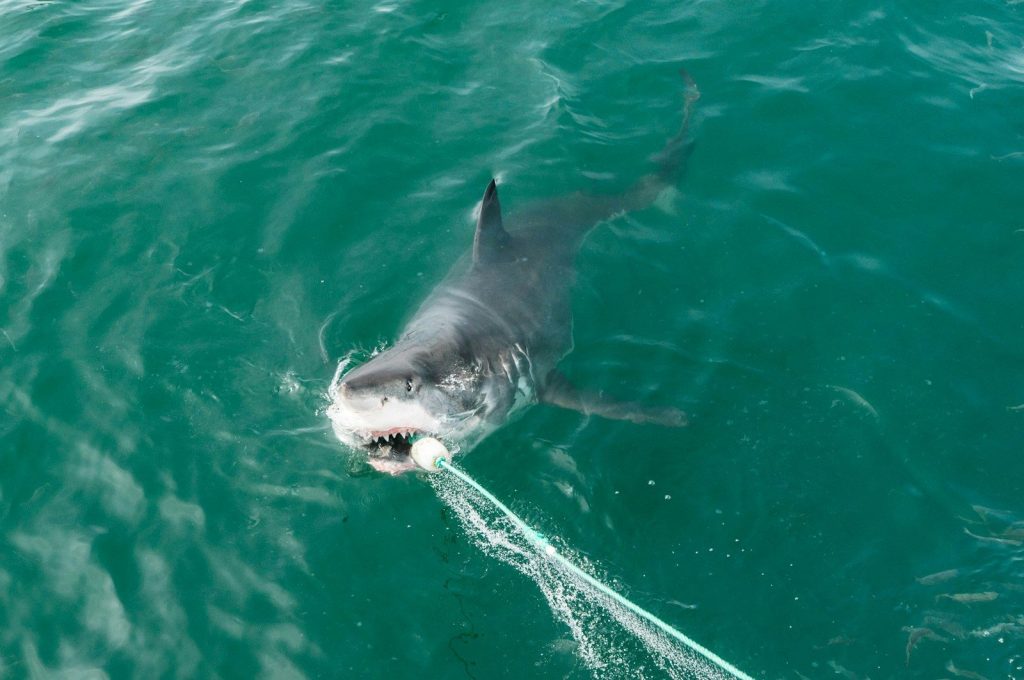
Although shark attack hotspots receive significant attention, serious attacks remain rare compared with the number of people who enter the ocean every day. Most sharks avoid humans and have little interest in interacting with them.
Public awareness, improved monitoring, and ongoing research continue to help reduce risks in many coastal areas. Learning about shark behavior allows people to enjoy the ocean while understanding the wildlife that shares these waters.
Leave a Reply