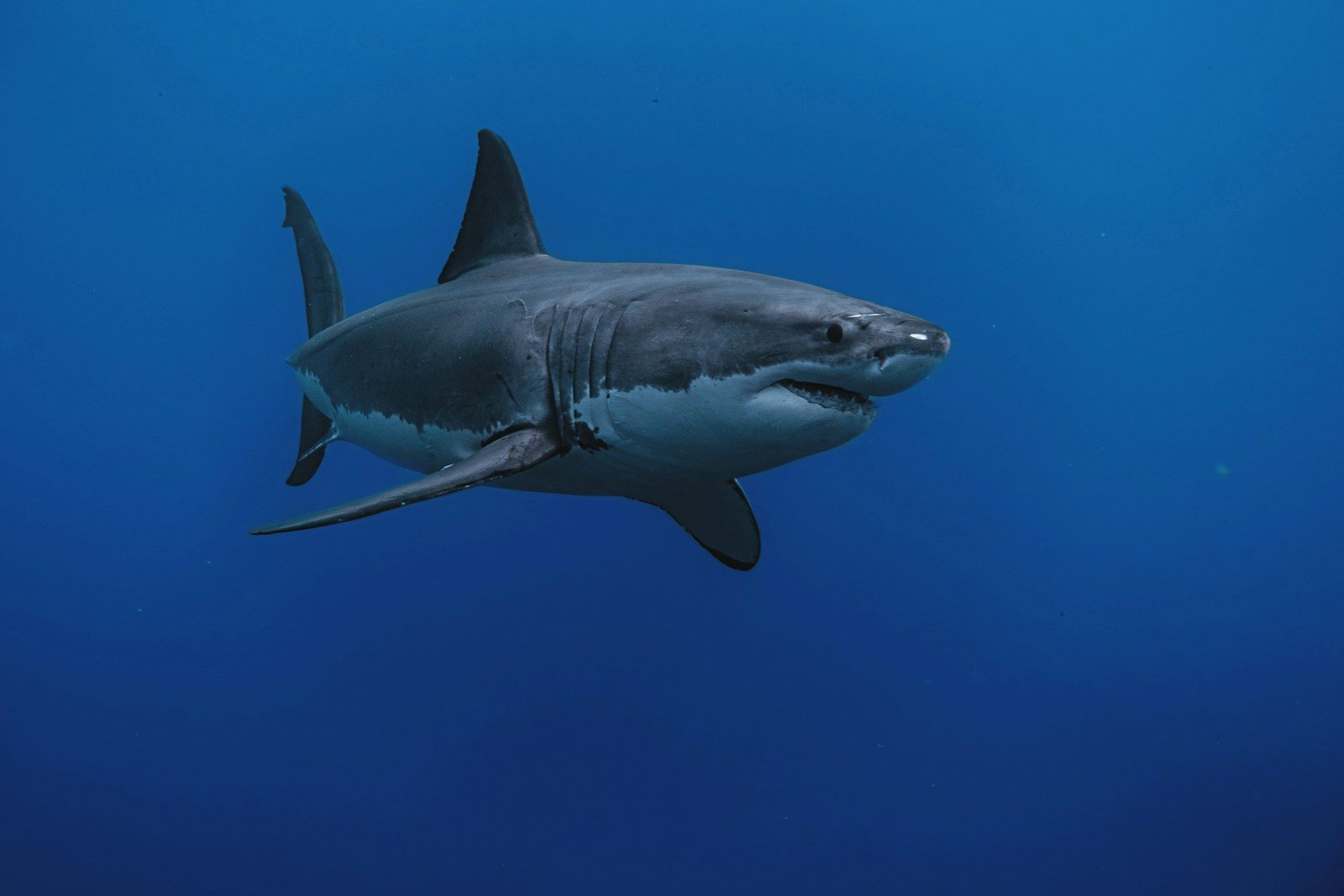
Sharks have fascinated people for centuries. Some are enormous, some are mysterious, and others possess features that seem almost impossible. While movies often focus on their reputation as fearsome predators, real shark discoveries are often far more surprising than fiction.
Scientists continue to learn new things about these animals, uncovering strange species, remarkable behaviors, and incredible stories from both the modern ocean and the distant past. From giant prehistoric sharks to unusual mutations and ancient shark attacks, these discoveries reveal just how extraordinary sharks can be. Here are six times sharks amazed researchers and reminded us why they remain some of the most fascinating creatures in the sea.
1. A shark swam within arm’s reach of a surfer
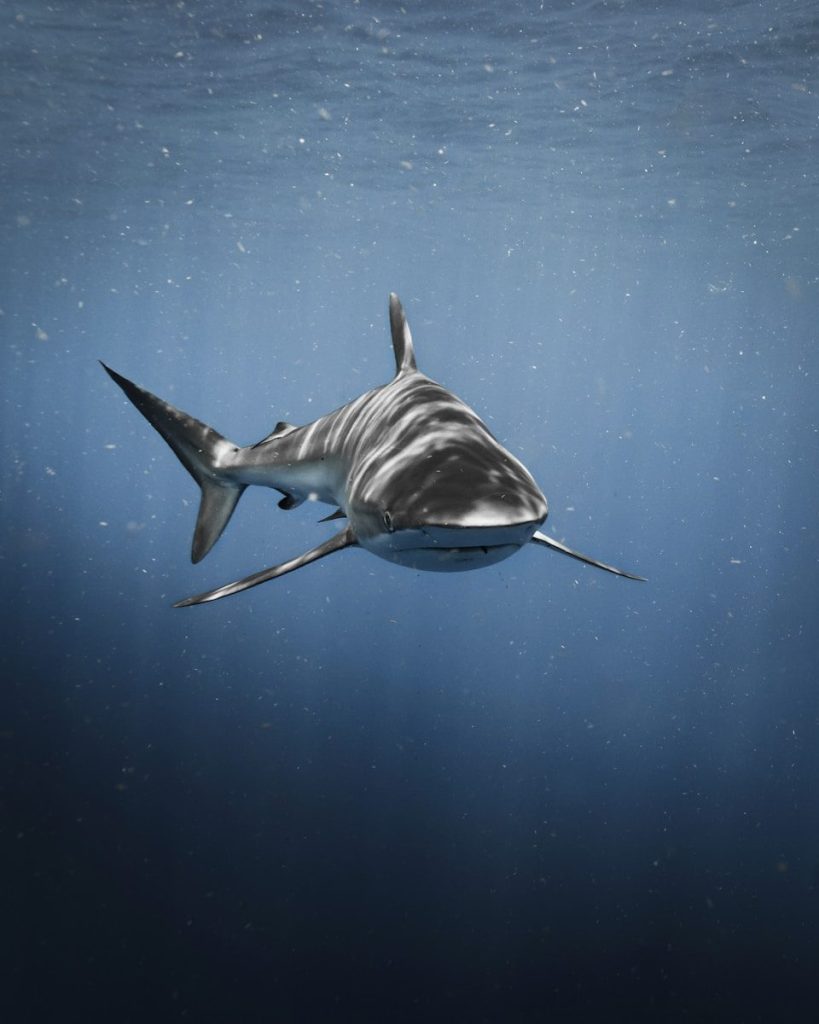
A drone captured an astonishing moment when a white shark swam extremely close to a surfer in Australia. The surfer had no idea the predator was nearby and only learned about the encounter after returning to shore and viewing the footage.
Despite the dramatic scene, the shark did not attack and simply continued swimming away. The incident served as a reminder that sharks and humans often share the same waters without conflict, and that attacks remain rare despite public fears.
2. Scientists found a shark without skin or teeth
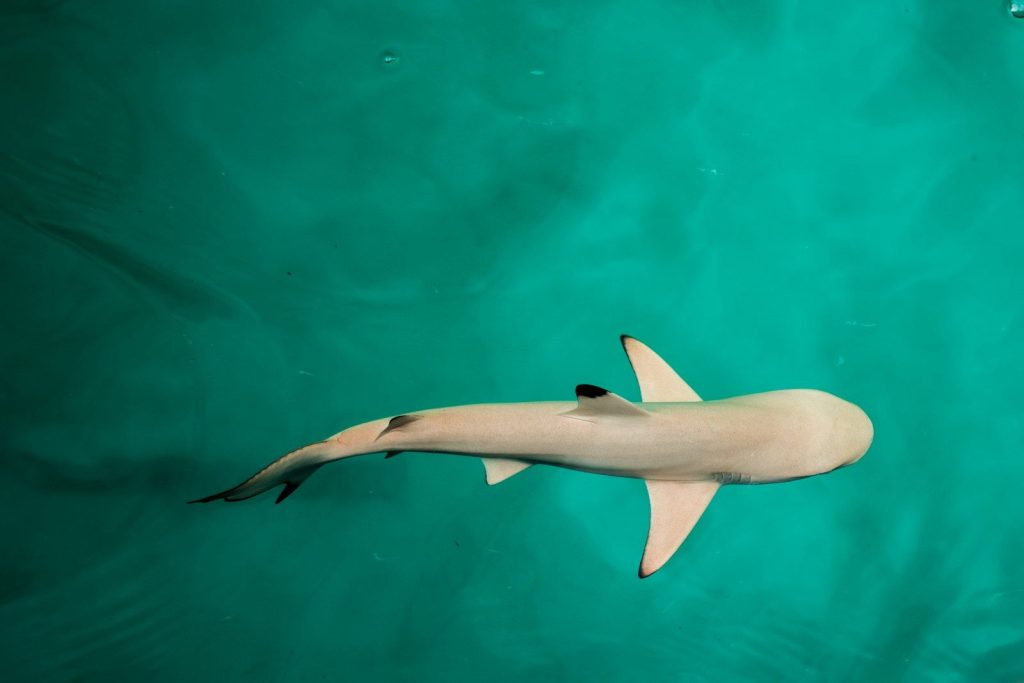
Researchers were stunned when fishers accidentally caught a blackmouth catshark in the Mediterranean Sea that lacked both skin and teeth. Even more surprisingly, the shark appeared to have survived despite these severe abnormalities.
Scientists described the animal as the first known case of a shark living with such an extreme absence of skin-related structures. The unusual discovery provided a rare opportunity to study how developmental abnormalities can occur in marine animals.
3. Megalodon was larger than scientists imagined
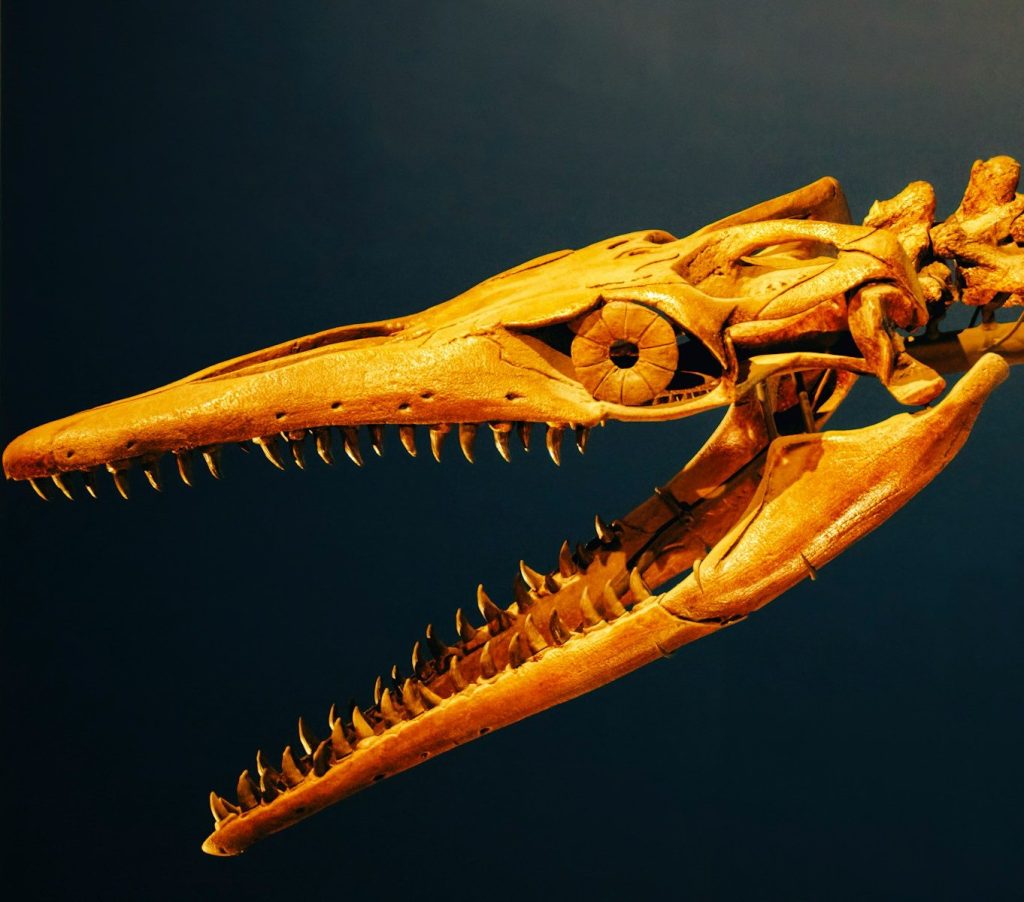
Megalodon has long been known as the largest shark ever to live, but research suggests it was even more extraordinary than previously believed. Scientists estimate the giant predator reached lengths of about 50 feet.
Studies comparing extinct and living sharks found that megalodon was not just slightly larger than other species. It was dramatically larger than even the next-largest extinct sharks, making it one of the most extreme predators ever to inhabit Earth’s oceans.
4. Modern great whites can still reach incredible sizes
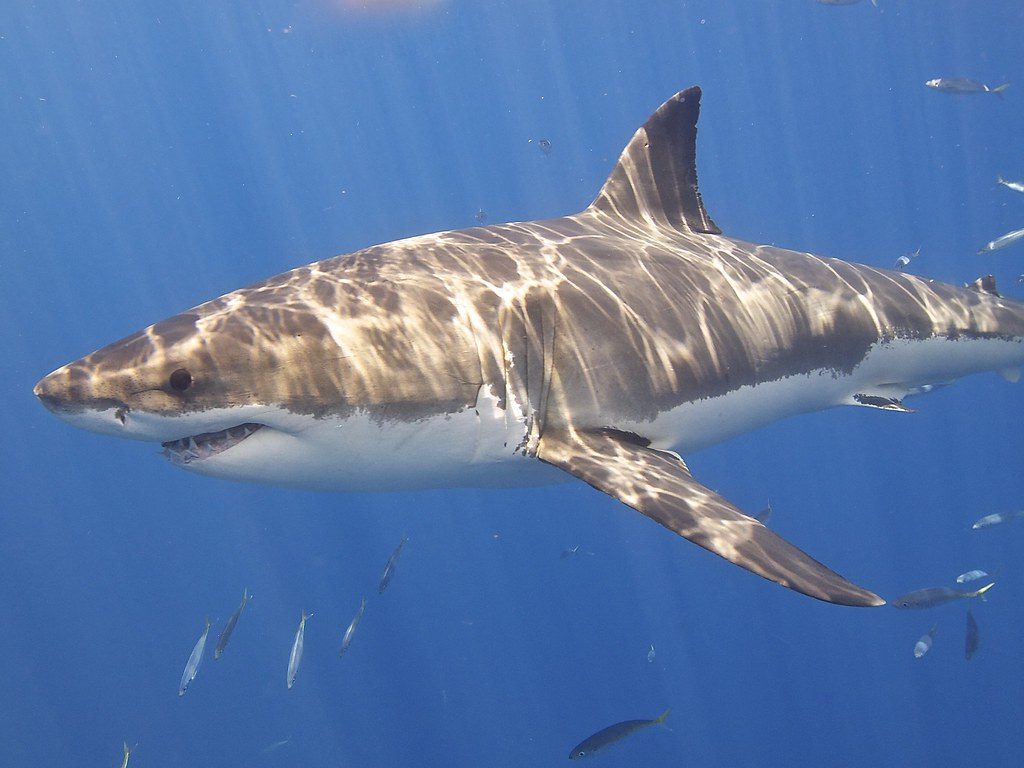
While megalodon disappeared millions of years ago, today’s great white sharks can still grow to impressive sizes. Researchers with OCEARCH tagged a female great white measuring 17 feet long and weighing more than 3,500 pounds.
Another giant shark, Unama’ki, measured more than 15 feet long and weighed over 2,000 pounds. These enormous predators demonstrate that modern sharks remain among the ocean’s most powerful and impressive animals.
5. A prehistoric shark had a bizarre rotating jaw
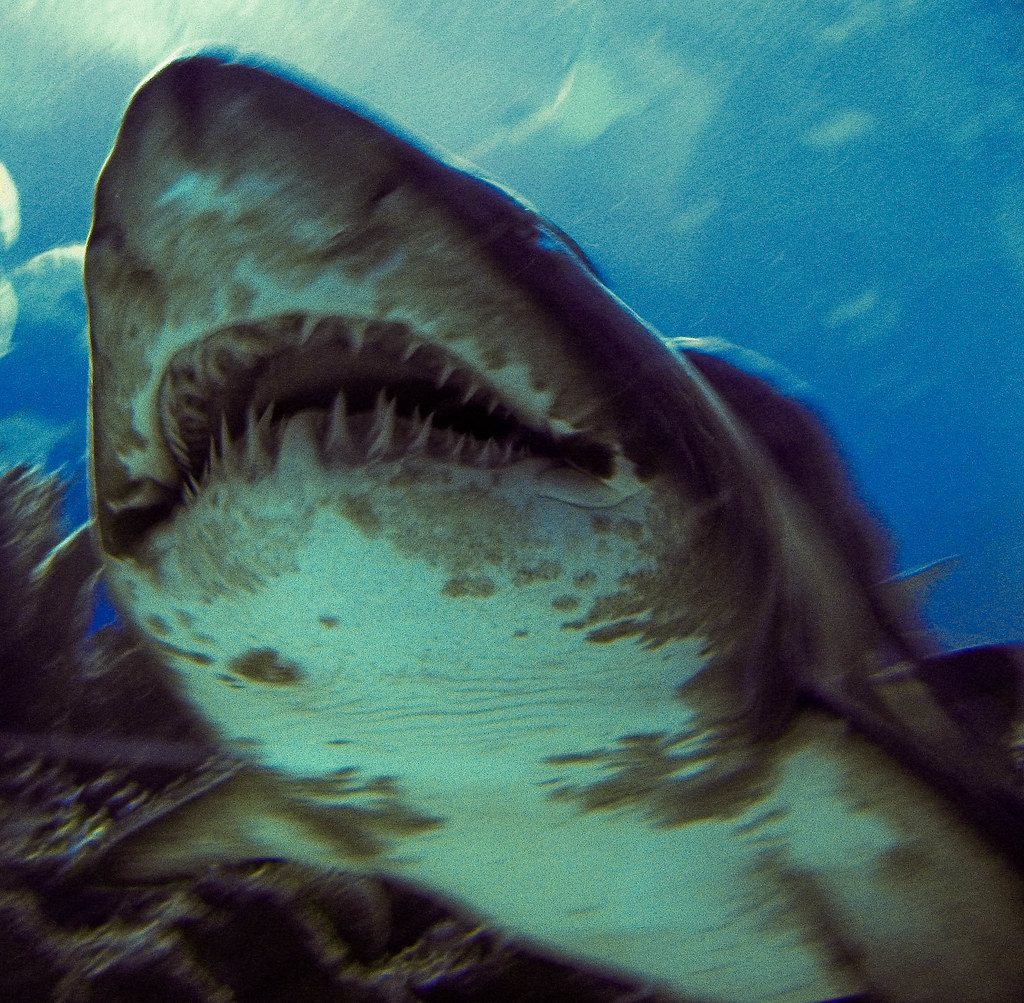
Scientists discovered a prehistoric shark species, Ferromirum oukherbouchi, that possessed a remarkable feeding mechanism. Its jaw rotated outward when the mouth opened, exposing as many teeth as possible during a bite.
The unusual design allowed even newly developing teeth to become part of the biting surface. Researchers described the mechanism as unlike anything seen in modern sharks, highlighting the incredible diversity that once existed among ancient marine predators.
6. Shark attacks have existed for thousands of years
A 3,000-year-old skeleton discovered in Japan provided evidence of one of the oldest-known shark attacks. Researchers found hundreds of injuries that matched the marks left by shark teeth.
The damage suggested the victim was alive when the attack occurred. The discovery showed that, while shark attacks are uncommon today, interactions between humans and sharks have occurred for thousands of years.
Leave a Reply