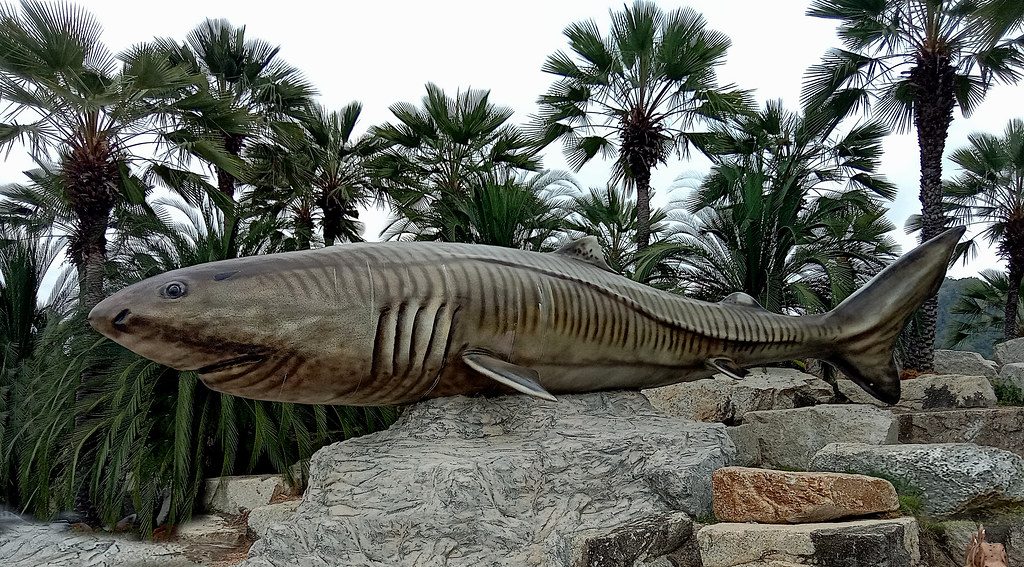
What if an animal alive today was born before the United States existed? That may sound impossible, but scientists believe some Greenland sharks have been swimming through the ocean for centuries.
The Greenland shark is considered the longest-living vertebrate ever discovered. Researchers estimate that some individuals can live between 250 and more than 400 years. Their incredible lifespan, slow growth, and unique biology have fascinated scientists and revealed new clues about aging, survival, and life in the deep ocean. Here is what makes the Greenland shark one of the most remarkable animals on Earth.
Scientists discovered an extraordinary lifespan
For many years, researchers suspected that Greenland sharks lived for a very long time. However, proving their age was difficult because traditional methods used to age animals do not work well for this species.
A major study published in 2016 changed that understanding. Scientists estimated that some Greenland sharks were between 272 and 512 years old. Even the lowest estimates made them the longest-living vertebrates known to science, setting a record unmatched by any other animal with a backbone.
How researchers estimated their age
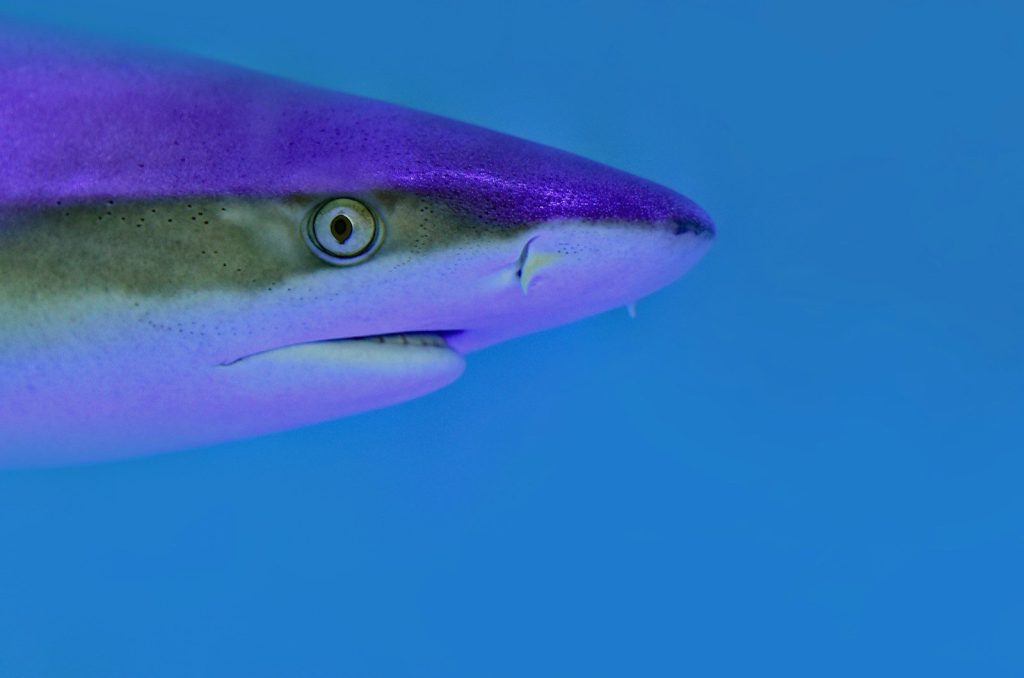
Scientists used a unique technique involving the sharks’ eye lenses. The proteins found in the center of the eye lens form before birth and remain unchanged throughout the animal’s life.
By measuring radiocarbon levels in these proteins, researchers were able to estimate how long the sharks had been alive. This method provided valuable age estimates for animals that could not be measured using growth rings in bones or teeth because of their extremely slow development.
Life moves slowly for Greenland sharks
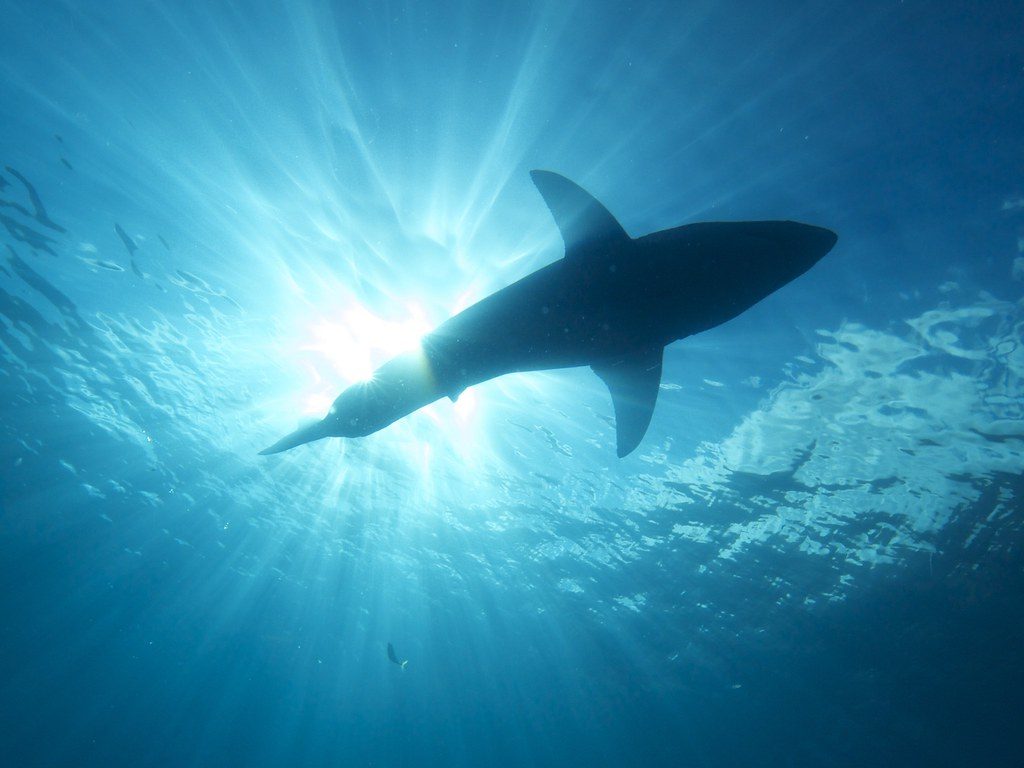
One reason Greenland sharks live so long is their remarkably slow metabolism. They spend their lives in near-freezing waters, where biological processes occur at a much slower pace.
The species grows less than one centimeter each year. Scientists believe Greenland sharks may not reach sexual maturity until they are between 100 and 150 years old. This slow lifestyle reduces wear on their bodies and may help explain their extraordinary longevity.
Surviving in the deep ocean
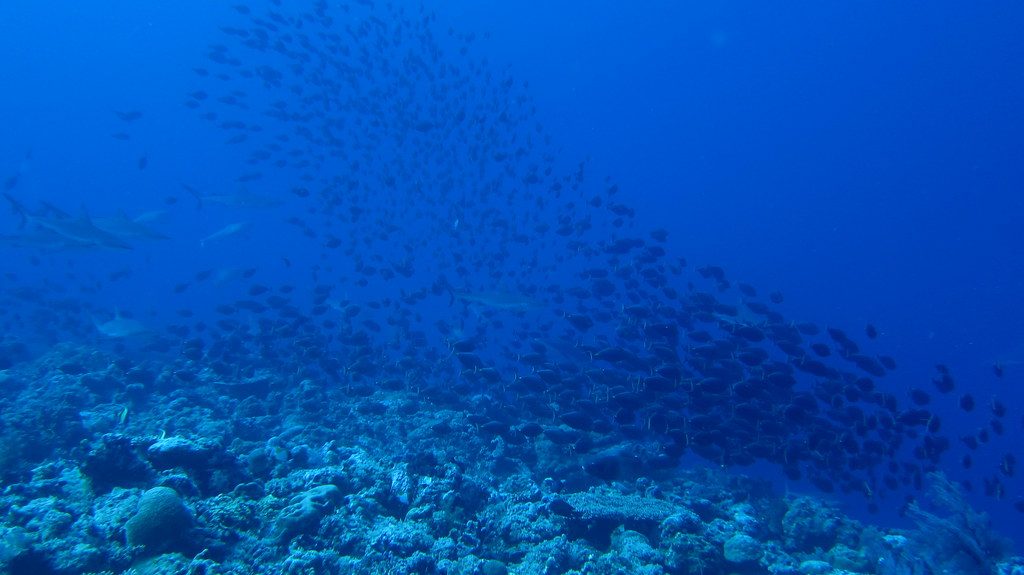
Greenland sharks inhabit cold and stable deep-water environments. These conditions help reduce environmental stress and create a setting where animals can survive for long periods.
Researchers are also studying the shark’s genetics for clues about aging. Early findings suggest that Greenland sharks may possess biological traits related to DNA repair and cellular maintenance, which could contribute to their long lifespan.
How Greenland sharks hunt and survive
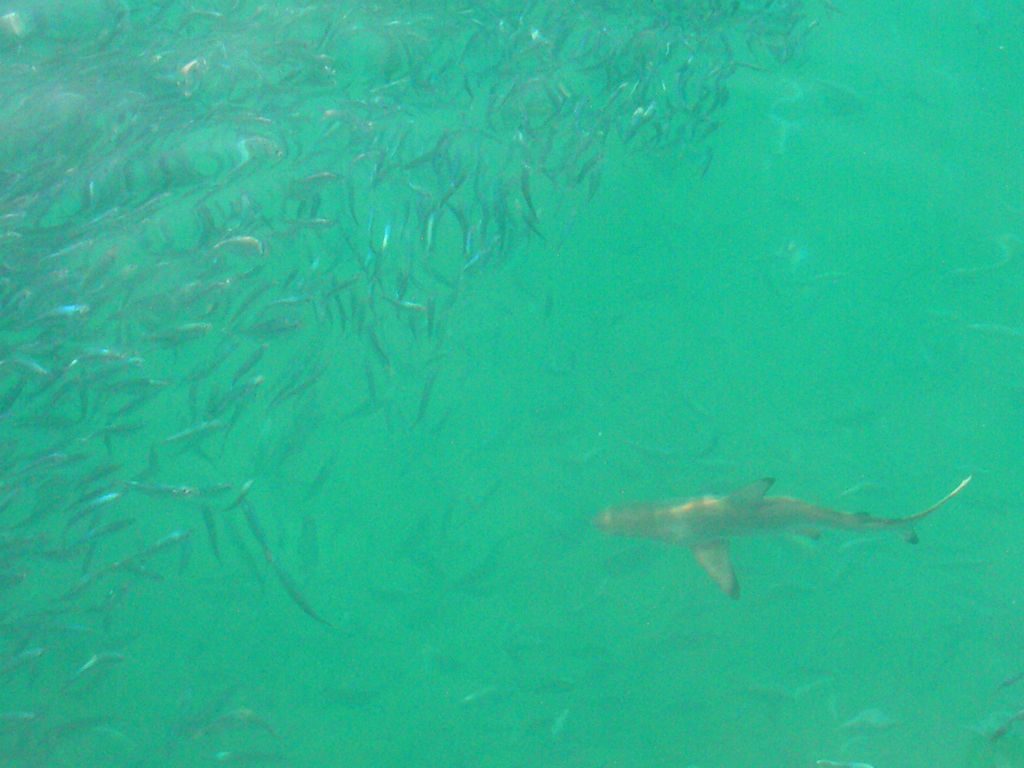
Although Greenland sharks move very slowly, they are still effective predators. Their diet includes fish, squid, and even seals, showing that speed is not always necessary for successful hunting.
Many Greenland sharks have vision problems caused by parasites that attach to their eyes. Despite this, they continue to navigate and find food by relying heavily on their sense of smell and vibration detection in the surrounding water.
Threats facing an ancient species
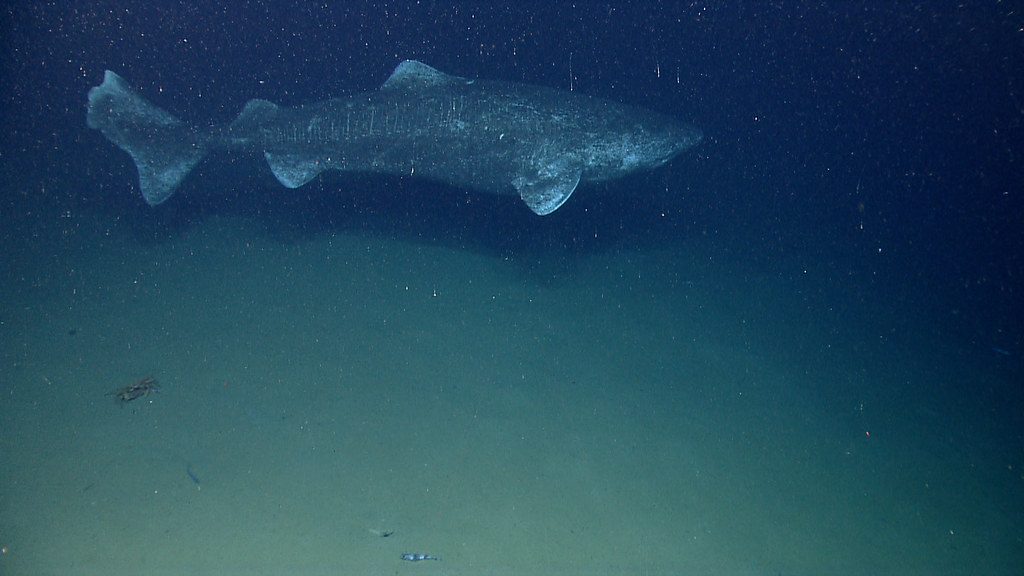
After surviving for centuries in harsh Arctic waters, Greenland sharks now face challenges posed by modern fishing practices. Deep-sea fisheries sometimes catch these sharks accidentally, creating concerns about their future.
Their slow growth and late maturity make population recovery extremely difficult. Scientists warn that losing even a single centuries-old shark can have long-term effects on the species. These concerns have increased interest in protecting Greenland sharks and improving conservation efforts in deep-ocean ecosystems.
Leave a Reply