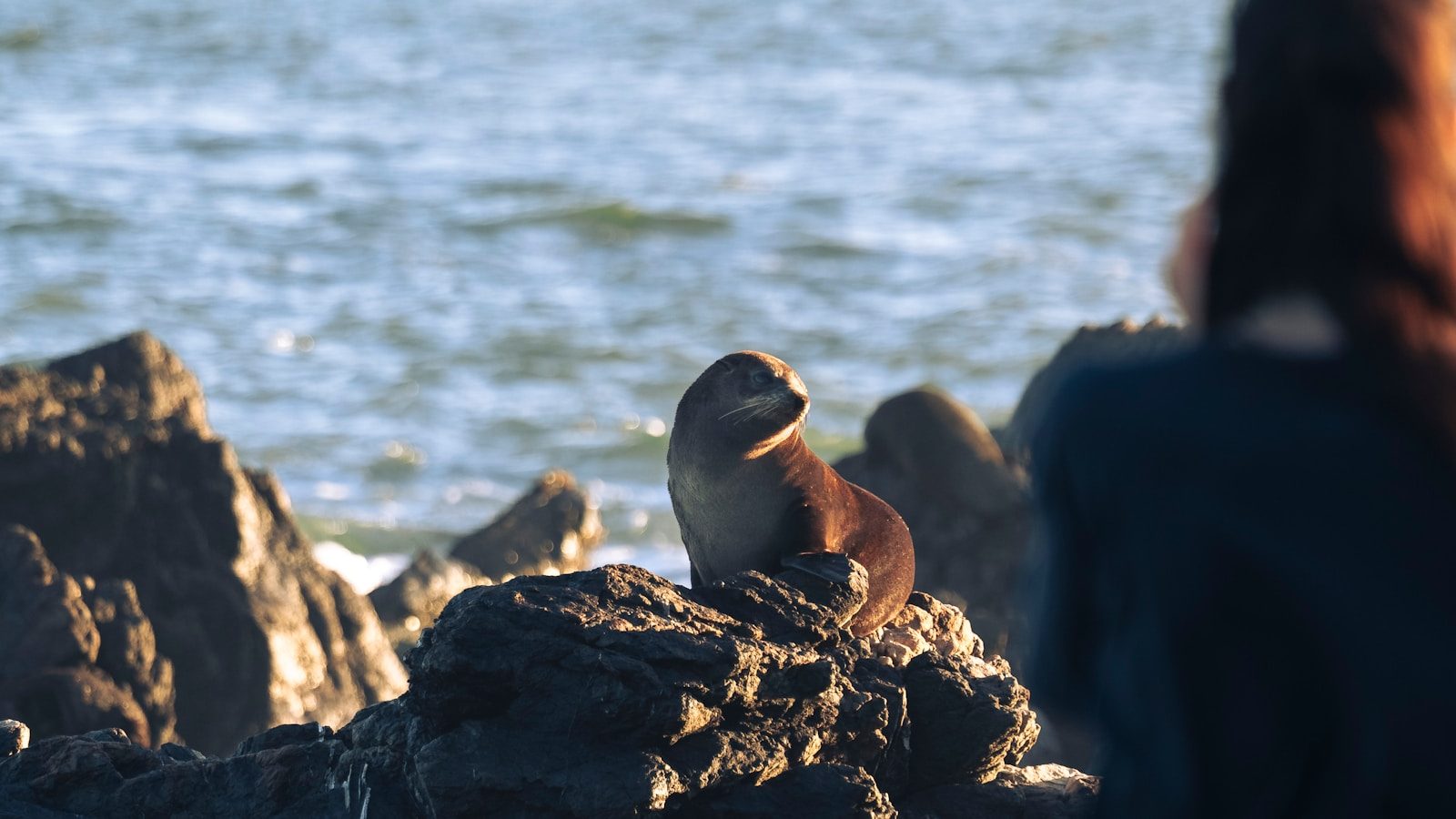
Have you ever wondered what happens when a frightened wild animal feels like it has nowhere left to go? A scared seal can face many dangers, from fishing nets and plastic waste to hunger and illness. In some cases, one act of kindness can mean the difference between life and death.
This story follows a scared seal that seemed out of time until a kind stranger stepped in to help. You will learn how seals end up in danger, why rescue efforts matter, and how compassion and expert care can give these amazing animals a second chance at life.
The seal was running out of hope
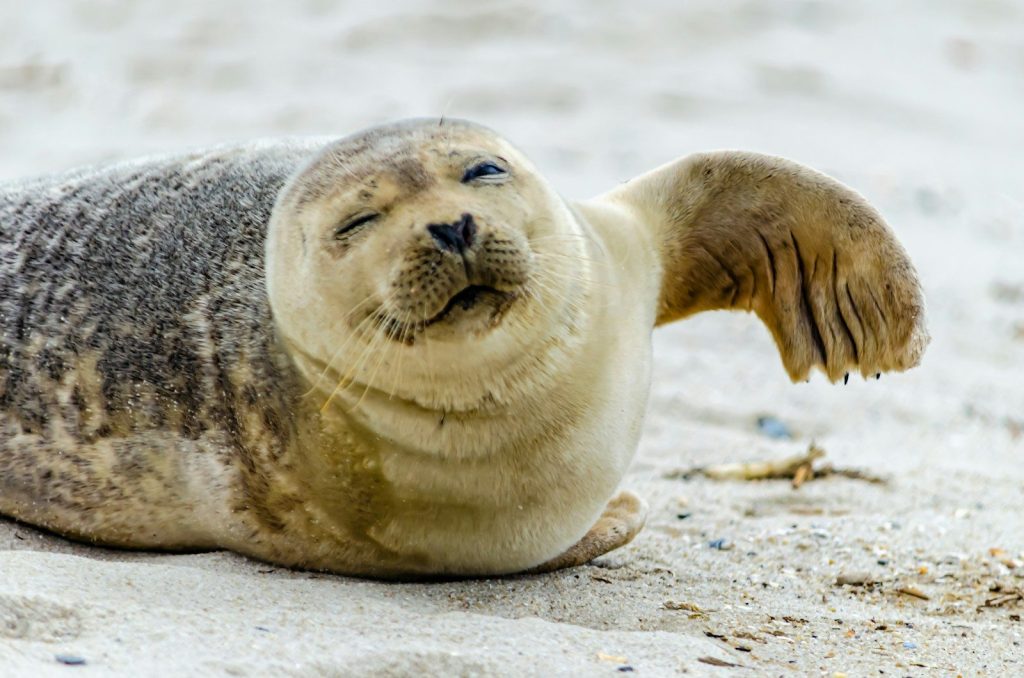
The young seal looked exhausted and scared. It had likely spent days struggling to survive while carrying the stress of hunger, injury, or getting trapped in harmful debris left behind by people. Seal pups are especially vulnerable because they depend on their mothers for food and protection during the first weeks of life. If they become separated or injured, their chances of survival can drop quickly. Many rescue groups around the world report that young seals are often found weak, underweight, or tangled in fishing gear and plastic rings that cut into their skin as they grow.
As rescuers approached, the seal did not know whether to trust them. Wild animals are naturally cautious around people because they see humans as a threat. The seal’s wide eyes and tense body showed fear, but it was also tired from fighting alone. In moments like these, rescuers move slowly and quietly to avoid causing more stress. Their goal is to keep the animal calm while giving it the help it desperately needs.
A gentle touch changed everything
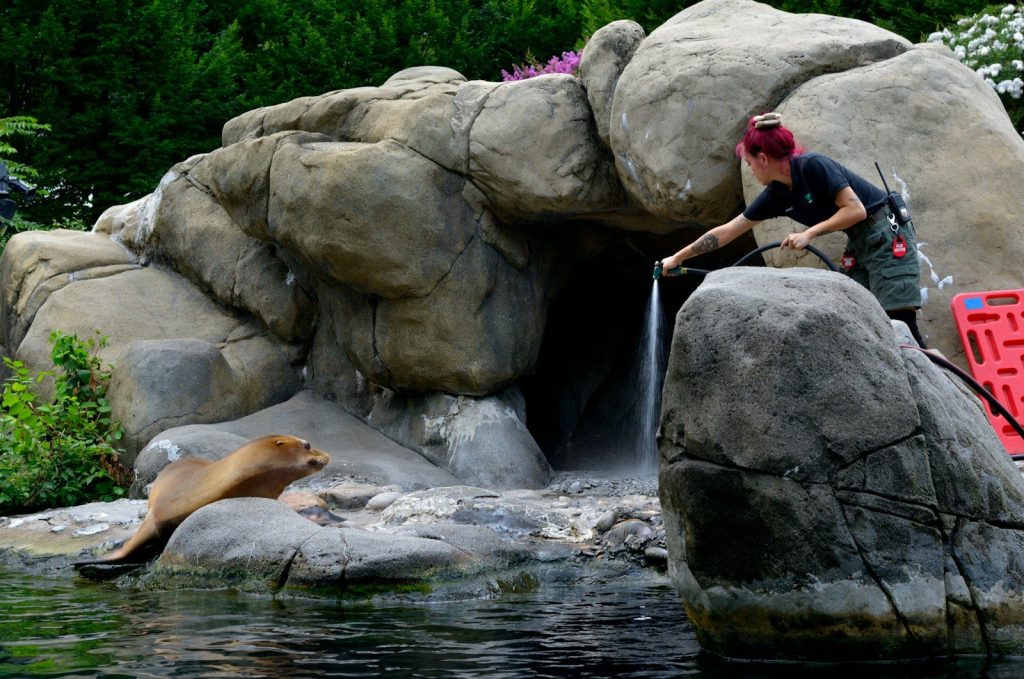
The kind stranger who found the seal knew that rushing the rescue could make things worse. Instead, they stayed calm and gave the animal the space it needed. Rescue workers are trained to watch an animal’s behavior and wait for the safest moment to step in. When the seal finally allowed itself to be handled, it was wrapped carefully to keep it warm and prevent sudden movements that could cause injury.
For a brief moment, the frightened seal rested quietly in caring hands. That small act of comfort may not seem important, but reducing stress is a big part of wildlife rescue. Young seals can become extremely weak when they are scared or separated from their mothers. Experts at marine mammal rescue centers often provide warmth, fluids, and gentle care before starting medical treatment. The goal is always to help the animal recover enough to return to the ocean where it belongs.
Why so many seals need rescuing
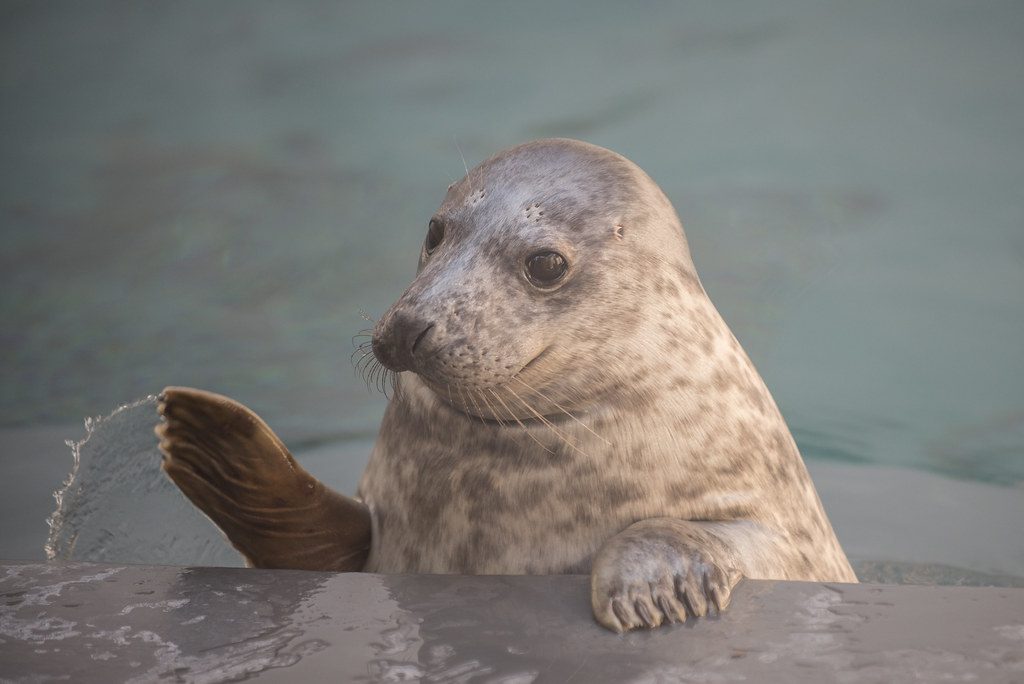
Seals are strong swimmers, but they face many dangers in the wild. One of the biggest threats is marine debris. Fishing nets, ropes, and plastic rings can become wrapped around a seal’s neck or body. As the animal grows, these materials tighten and cut deeper into the skin, causing pain, infections, and sometimes death. Rescue groups around the world regularly remove these dangerous items from seals that would not survive without help.
Human activity can also separate seal pups from their mothers. People and unleashed dogs sometimes get too close to resting seals on beaches. A frightened mother may leave the area and fail to return, leaving her pup alone. Storms, illness, and lack of food create additional challenges. That is why wildlife experts ask people to admire seals from a distance and contact trained rescuers if they think an animal is in danger.
The road to recovery is not easy
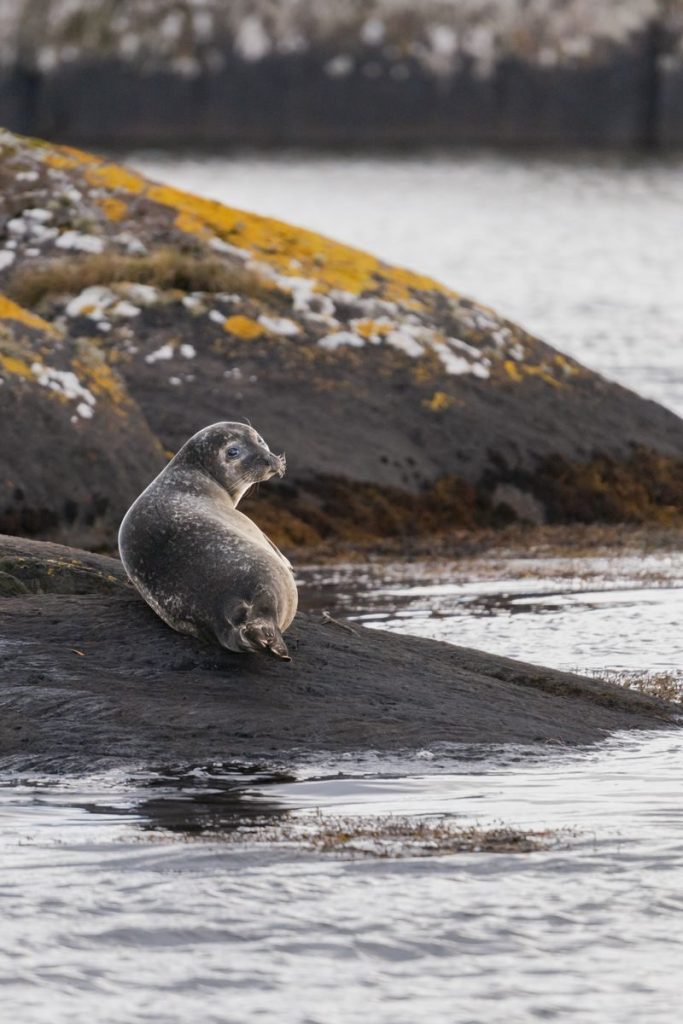
Saving a seal is only the beginning. Once rescued, the animal often needs a full medical check to look for injuries, infections, or signs of malnutrition. Veterinarians weigh the seal, examine its skin, and monitor its breathing and heart rate. Some seals arrive extremely thin and dehydrated, while others need treatment for wounds caused by fishing gear or plastic waste.
Recovery can take weeks or even months. Young seals are fed special diets that help them gain weight slowly and safely. As they grow stronger, they spend more time swimming and learning the skills they need to survive in the wild. Wildlife centers try to keep human contact to a minimum because the goal is not to make the animal a pet. Instead, every step of the process is designed to prepare the seal for a healthy life back in the ocean.
The bond between people and wildlife
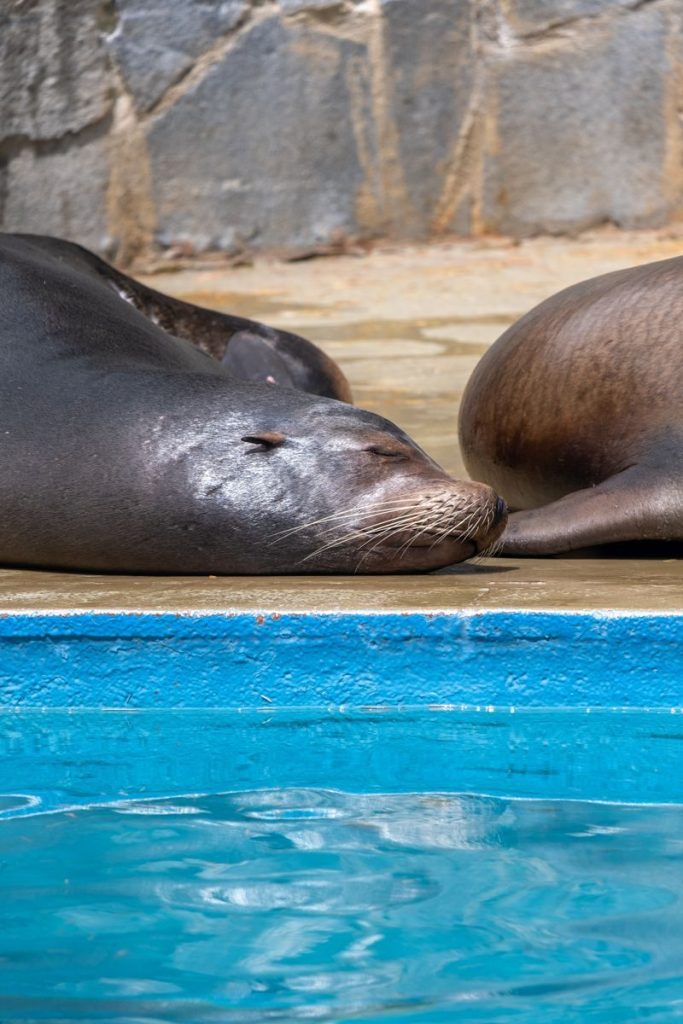
Stories like this remind us that kindness can have a powerful effect. The stranger who held the scared seal did not expect anything in return. They simply saw an animal in trouble and chose to help. Across the world, thousands of volunteers and wildlife experts spend their days rescuing seals, birds, turtles, and other animals that have been harmed by accidents or human activity.
These rescues also teach people an important lesson about responsibility. The ocean is home to countless animals, and small choices made by humans can affect their lives in big ways. Throwing trash away properly, reducing plastic use, and respecting wildlife habitats can help prevent future suffering. When communities work together, fewer animals need emergency rescues and more can live safely in their natural homes.
A second chance begins in the ocean
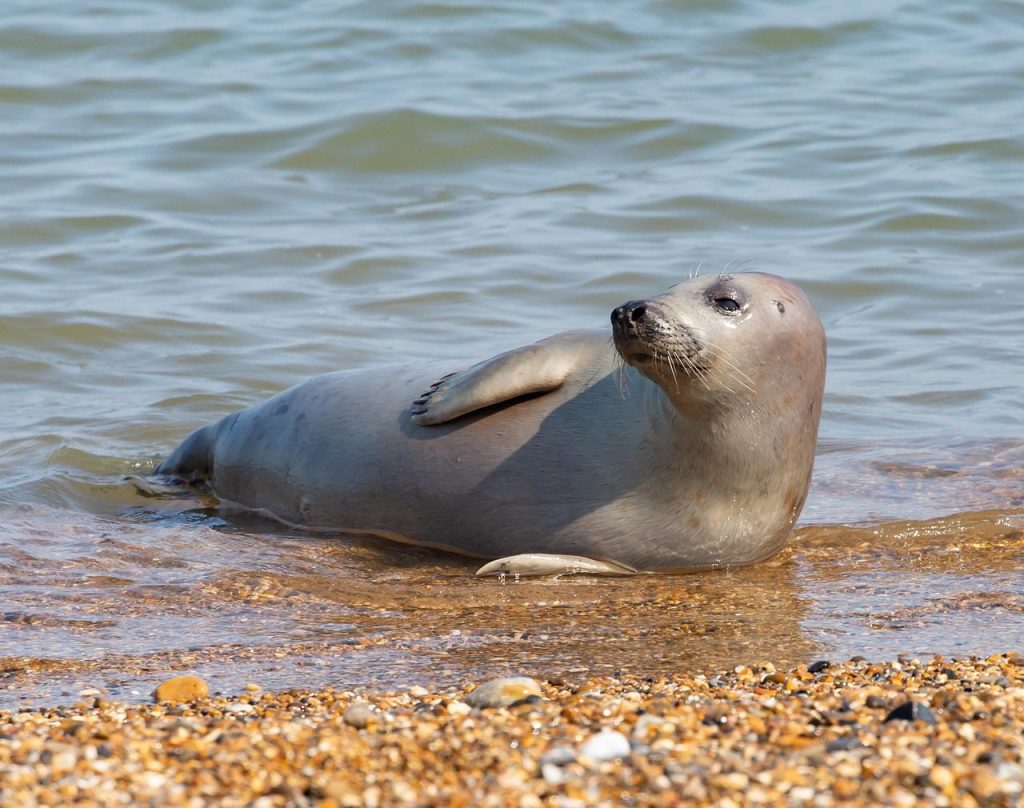
The happiest day in any rescue story is the day an animal returns home. Once a seal is healthy and strong, rescuers release it back into the sea. The moment is often emotional because everyone involved knows the animal has overcome enormous challenges. Watching a once-frightened seal swim away is a reminder that hope can survive even in difficult situations.
The scared seal that once believed time was running out now has another chance. It may never remember the stranger who held it close, but that act of compassion changed its future forever. Rescue stories are not only about survival. They are about courage, kindness, and the belief that every life matters. As long as people continue to care for the natural world, more animals will have the chance to leave fear behind and begin again.
Leave a Reply