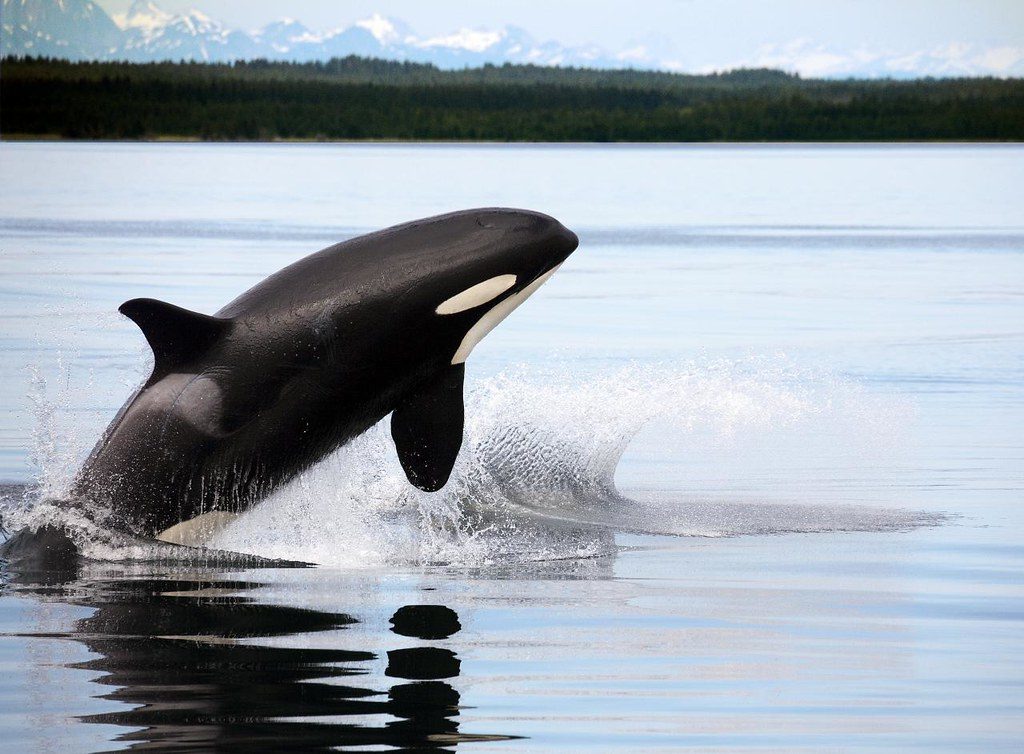
Some of the ocean’s most mysterious animals have remained hidden from science for decades. Type D killer whales are so rarely seen that they were once known mainly through stories from fishers, photographs, and occasional strandings.
Now, a major study has revealed new details about these unusual orcas. By analyzing more than 20 years of observations and thousands of photographs, researchers discovered that Type D killer whales may be more numerous than previously believed. The study also uncovered extraordinarily long-distance movements that have changed how scientists view these elusive marine predators.
One of the least-known killer whales
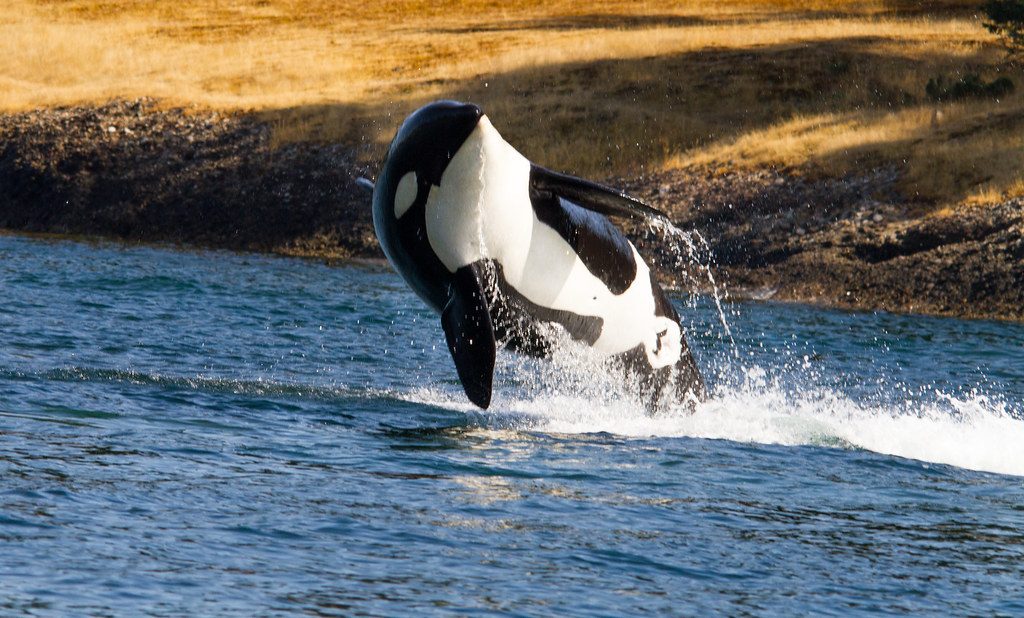
Type D killer whales are a rare ecotype of killer whale known for their distinctive appearance. They have blunt heads, pointed dorsal fins, and very small white eye patches compared to other killer whales.
Although scientists currently recognize only one species of killer whale, different ecotypes display unique physical traits and behaviors. Among them, Type D killer whales have remained one of the most mysterious due to the limited number of sightings over the years.
Researchers analyzed decades of observations
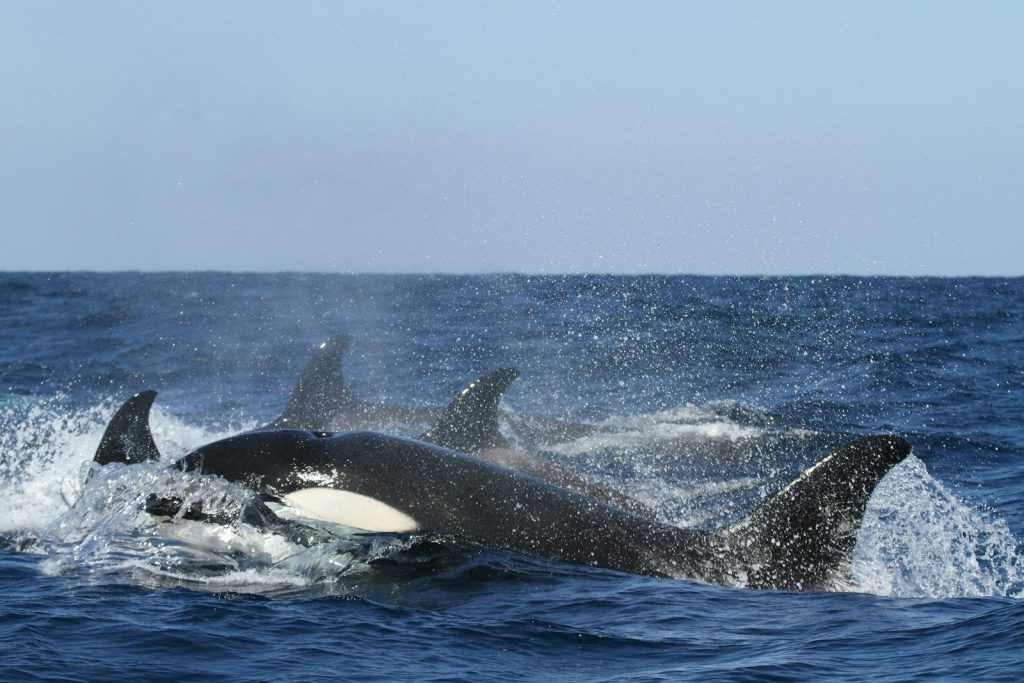
To learn more about these animals, scientists collected and studied more than 28,000 photographs taken between 2003 and 2024. The images came from sightings across the Subantarctic region.
The large photo collection allowed researchers to identify individual whales and track their movements. This effort provided one of the most detailed looks ever at a population that has long remained difficult to study.
The population may be larger than expected
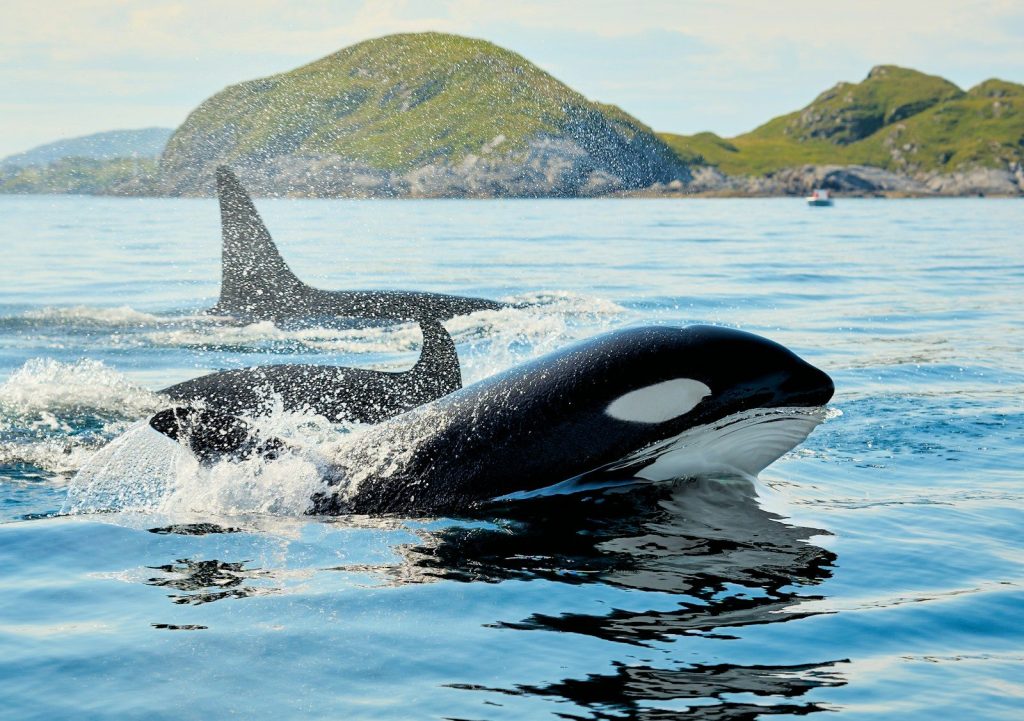
One concern among researchers was that Type D killer whales might exist in extremely low numbers. Limited sightings had raised fears that the population could be facing a genetic bottleneck.
The study identified 207 individual whales across the Subantarctic. While this does not mean the population is large on a global scale, it suggests that more animals exist than scientists previously documented.
Incredible journeys across oceans
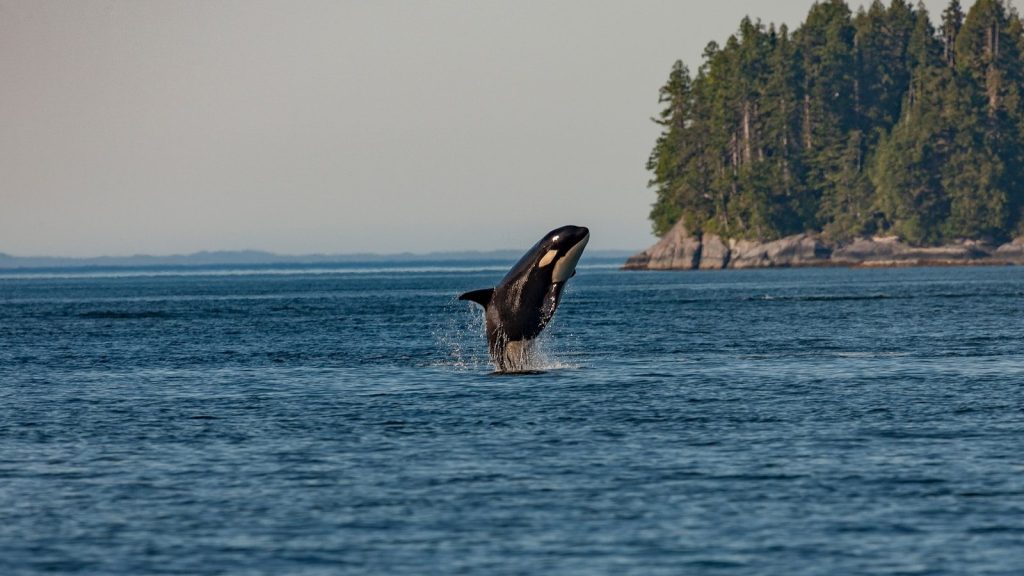
Perhaps the most surprising discovery involved the distances traveled by some whales. Researchers documented movements between groups living in the southern Indian Ocean and waters off southern Chile.
Some Type D killer whales traveled more than 4,400 kilometers, or 2,734 miles, between ocean basins. Scientists described these journeys as unprecedented for killer whales, highlighting the species’ ability to travel across vast ocean areas.
Following an easy source of food

Researchers found that some of these long-distance movements were linked to depredation behavior. This occurs when whales take fish from commercial fishing operations rather than hunting entirely on their own.
Type D killer whales appear especially interested in toothfish caught by fishing vessels. Scientists observed that only a small, socially connected segment of the population regularly displayed this behavior.
A species full of surprises
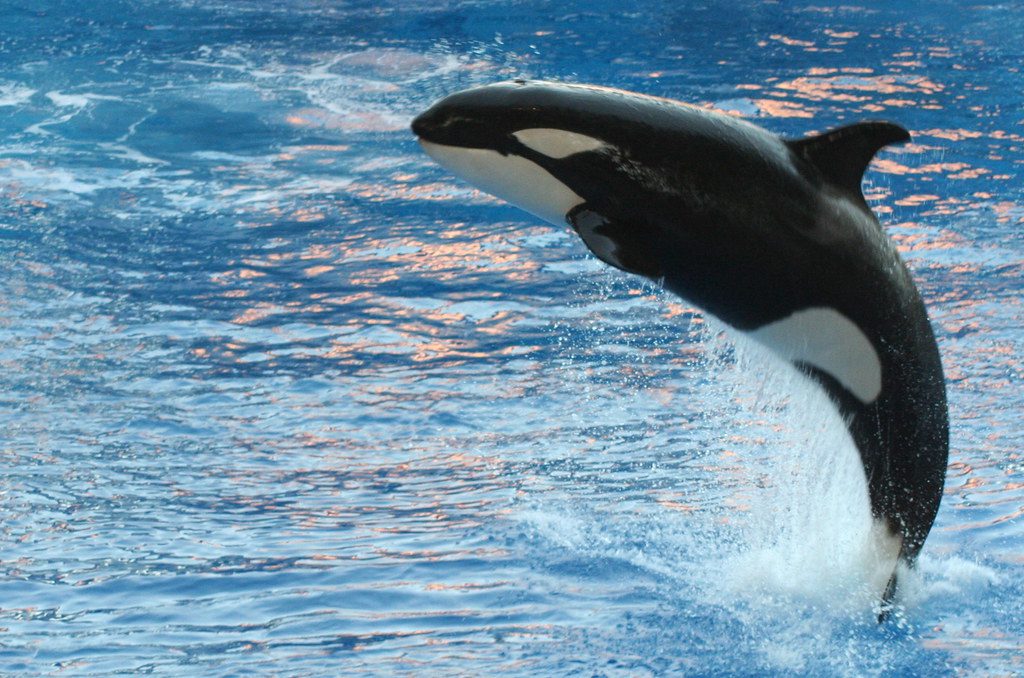
The findings have helped scientists better understand one of the ocean’s least-known predators. The study showed that Type D killer whales are highly mobile and can travel distances not previously recorded among killer whales.
Researchers believe many more individuals may still remain undiscovered. As scientists continue studying these animals, Type D killer whales may become known not only as one of the most mysterious marine predators but also as one of the most impressive travelers in the ocean.
Leave a Reply