A shocking shark photo has spread across the internet, with many people claiming that only a giant prehistoric predator could have caused such damage. The theory is simple but exciting: a megalodon bite left the shark nearly cut in half. But is that really possible? Scientists have looked closely at these claims and found that the answer is far more complicated.
The debate over a possible megalodon bite mixes fossils, modern shark behavior, and internet rumors in a way that can easily confuse people. In this article, you will learn what megalodon really was, why the damaged shark sparked so much attention, and what scientists actually think happened.
Why do people think megalodon was involved
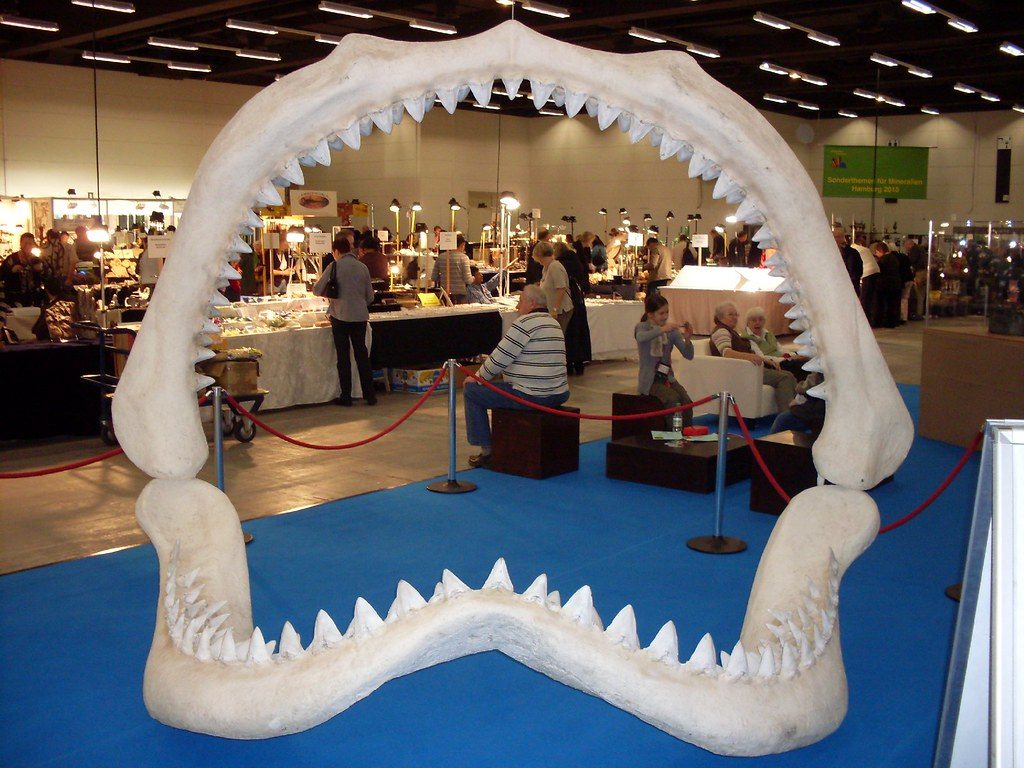
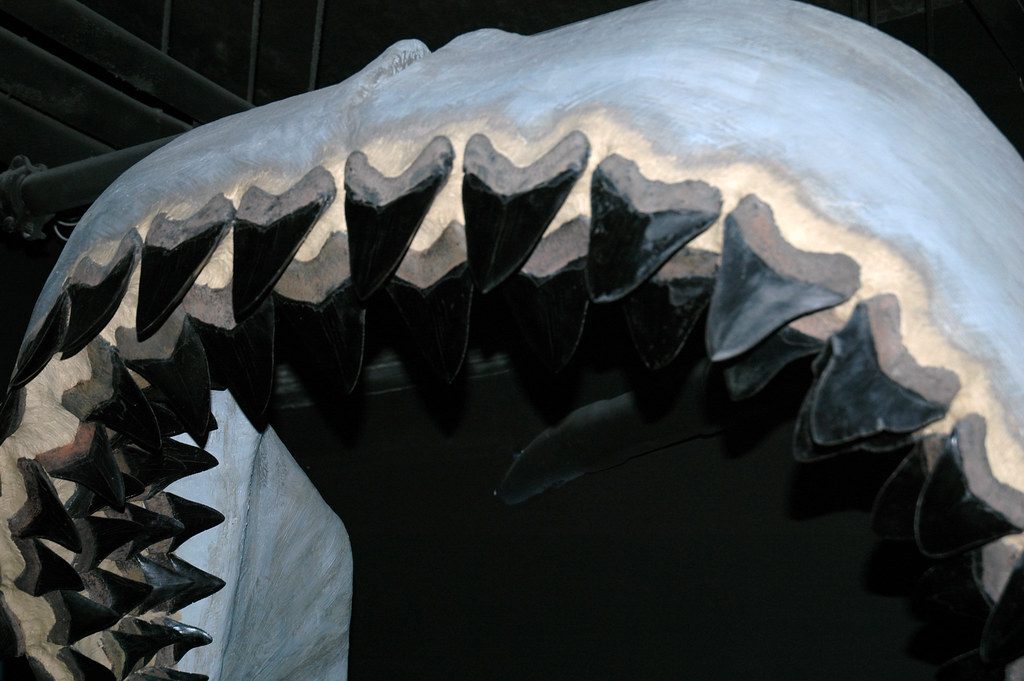
The idea of a megalodon bite instantly grabs attention because the animal itself was enormous. Megalodon lived between about 23 million and 3.6 million years ago and was one of the largest predators ever to swim in Earth’s oceans. Most scientists estimate that adults commonly reached around 50 feet long, while some studies suggest the biggest individuals may have grown even larger. Its teeth could reach more than 7 inches in length, and its bite force was among the strongest ever estimated for any animal.
When photos or videos show a shark with a massive chunk missing, many people quickly jump to megalodon as an explanation. Social media has made these stories spread even faster. Dramatic headlines often suggest that the ancient shark may still be alive or that it recently attacked another shark. However, scientists point out a major problem with this idea. Megalodon has been extinct for millions of years, and there is no physical evidence that it survives today. Extraordinary claims require extraordinary evidence, and so far none has appeared.
What scientists know about megalodon bites

Scientists have found many fossils showing bite marks that are believed to have been made by megalodon. These marks are usually found on whale bones, seal bones, and other marine mammal remains. In some rare cases, researchers have even discovered megalodon teeth embedded in fossils, giving strong proof that the giant shark attacked or scavenged these animals.
Even with fossil evidence, identifying a megalodon bite is not always easy. Sharks constantly lose and replace teeth, and many species can leave similar wounds. Researchers prefer to find matching tooth marks, embedded teeth, or clear patterns of damage before making a firm conclusion. If a bite mark is found without these clues, scientists usually avoid making bold claims. This careful approach is why experts are often skeptical when viral images claim to show a modern megalodon attack.
The shark photo that started the debate

The viral shark image that sparked renewed interest shows a shark with an enormous bite taken from its body. The wound is dramatic and appears almost too large to have been caused by an ordinary predator. Online users quickly suggested that only megalodon could have created such a bite. Videos discussing the theory gained millions of views, and many viewers became convinced that the ancient giant might still roam the ocean.
Scientists, however, see things differently. Marine biologists point out that large sharks regularly attack other sharks. Great white sharks are known to prey on smaller shark species, and shortfin makos have been involved in aggressive encounters as well. A large shark biting another shark can create surprisingly severe injuries, especially if the victim is smaller or weakened. Without a tooth, DNA, or another direct clue, experts say it is impossible to claim that a prehistoric species was responsible. In fact, the simplest explanation is usually a living predator that scientists already know exists.
Could megalodon still be alive today?
This question has fascinated people for decades. Movies, television specials, and internet videos have all helped keep the myth alive. The oceans are vast and mysterious, so some people wonder whether a giant shark could still hide in the deepest waters. It sounds exciting, but scientists say the evidence does not support this idea.
A predator as large as megalodon would need enormous amounts of food. It would leave bite marks on whales and other large animals across the globe. It would also continue shedding thousands of teeth, just like modern sharks do. Yet no fresh megalodon teeth have ever been found, and no modern carcasses show clear signs of attacks from such a giant predator. Scientists also believe megalodon preferred warmer waters, making the cold deep ocean an unlikely hiding place. For these reasons, experts overwhelmingly agree that megalodon is extinct.
How modern sharks create giant wounds
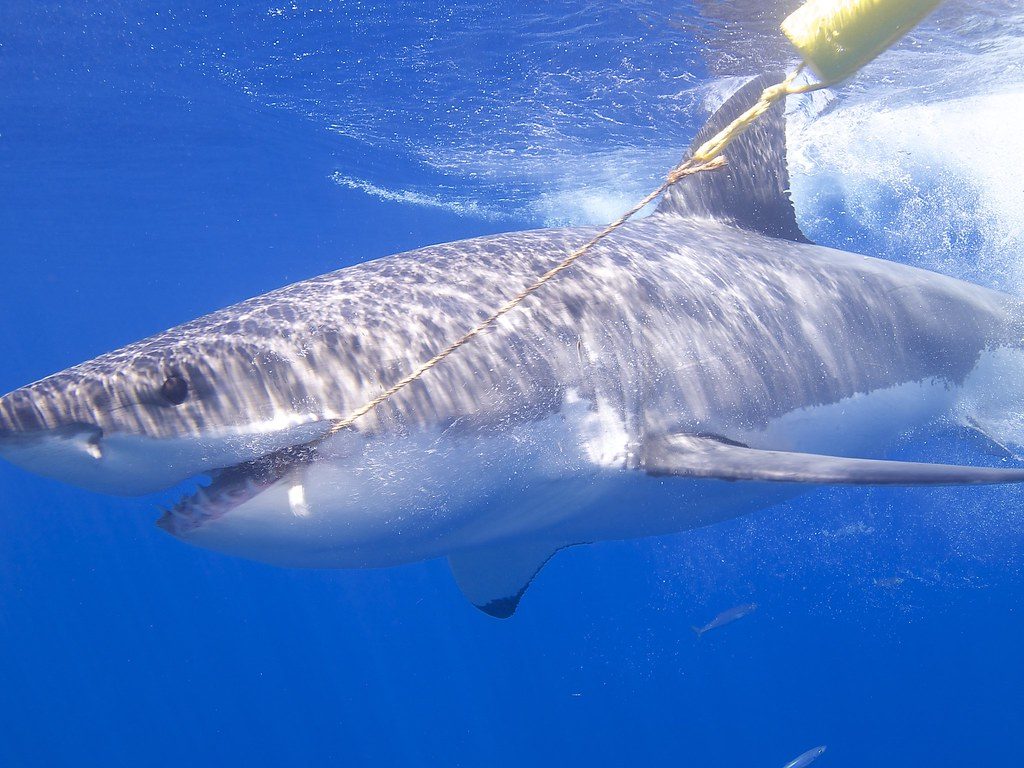
People often underestimate how powerful living sharks can be. Great white sharks can grow over 20 feet long and weigh thousands of pounds. Their teeth are designed to slice through flesh and bone with incredible efficiency. When they attack seals, sea lions, or other sharks, they can remove huge pieces of tissue in a single bite.
Tiger sharks are also capable of inflicting severe damage. They have broad, serrated teeth that can cut through tough prey, including sea turtles and large fish. In some parts of the world, tiger sharks and great whites compete for food and occasionally attack one another. Researchers have documented numerous cases where sharks were found with massive bite wounds that looked shocking but were still caused by modern species. These examples remind scientists that nature already has plenty of fearsome predators without needing to bring back a prehistoric monster.
Why the mystery continues to fascinate people

Stories about giant creatures hiding in the ocean tap into one of humanity’s oldest fears: the fear of the unknown. The ocean covers more than 70 percent of Earth’s surface, and large areas remain poorly explored. Because so much remains unseen, people naturally wonder what else might be out there. A story about megalodon attacking a shark combines mystery, danger, and ancient history into one irresistible idea.
Scientists understand this fascination and often share the excitement themselves. Studying megalodon remains an active field of research, and new discoveries continue to change what experts know about the animal. Recent studies suggest that megalodon may have looked slimmer and more streamlined than older reconstructions showed. Researchers are still debating aspects of its size, body shape, and hunting style. Even though the shark disappeared millions of years ago, it continues to capture imaginations and inspire new questions about Earth’s ancient oceans.
What scientists say about the viral claim

After examining the evidence, most scientists agree that there is no proof linking the damaged shark to megalodon. The injury may look extraordinary, but extraordinary injuries are not uncommon in the natural world. Large modern sharks are fully capable of causing devastating wounds, and they are far more likely suspects than an extinct predator.
Researchers also stress the importance of evidence over excitement. A giant bite alone does not prove the identity of the attacker. Scientists need fossils, teeth, DNA, or other physical clues before reaching such an important conclusion. Until that evidence appears, the megalodon theory remains an entertaining idea rather than a scientific fact.
Leave a Reply